Living Longer With Frailty: Can Early Treatment Change the Outlook?
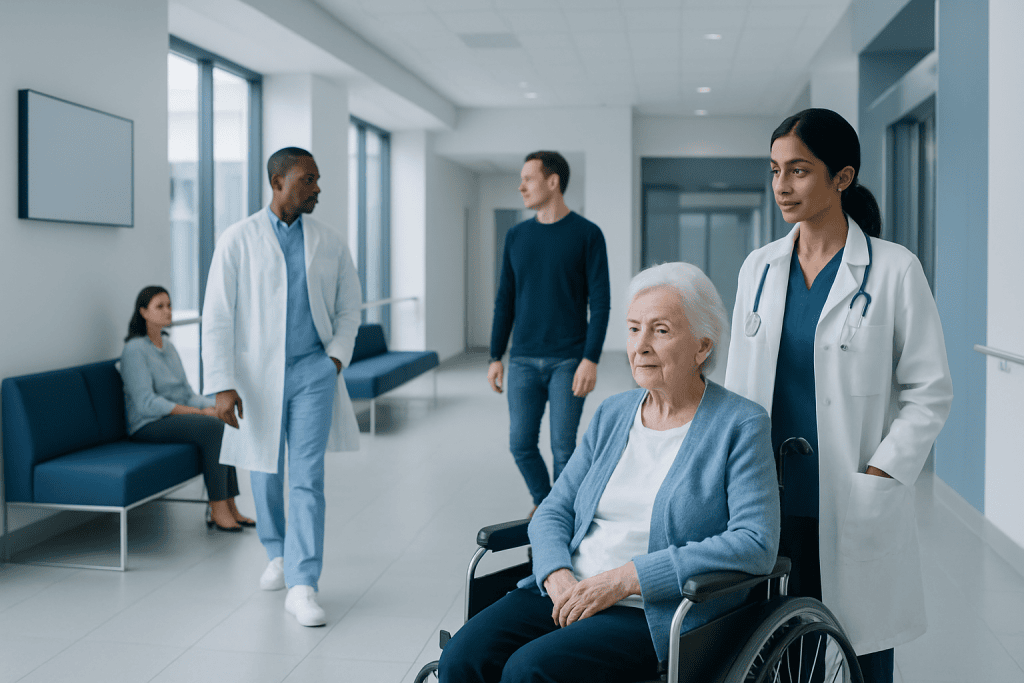
Frailty is not just normal aging; it is a recognizable health condition that can be assessed and managed. Early treatment may help slow progression, improve mobility, and reduce complications such as falls and disability.
Key Takeaways
- Frailty is not just normal aging; it is a recognizable health condition that can be assessed and managed.
- Early treatment may help slow progression, improve mobility, and reduce complications such as falls and disability.
- Exercise, good nutrition, medication review, and treatment of underlying illnesses are central parts of care.
- Frailty can affect physical health, thinking, mood, and independence, so care often works best when it is multidisciplinary.
- A doctor should assess ongoing weakness, weight loss, slower walking, frequent falls, or reduced activity.
Frailty is a medical syndrome linked to reduced strength, energy, and resilience, especially in older adults. Early recognition and treatment can often improve daily function, lower the risk of falls and hospitalization, and support a longer, healthier life.
Overview: What Frailty Means
Frailty is a health state in which the body becomes less able to cope with physical or emotional stress. A person with frailty may have reduced strength, slower movement, lower energy, and a higher risk of setbacks after an illness, fall, infection, or surgery. It is seen most often in older adults, but it is not considered an inevitable part of aging.
Frailty develops gradually. It may begin with subtle signs such as tiring more easily, walking more slowly, losing weight without trying, or needing more help with daily activities. Over time, the body has less reserve, meaning that even a minor problem can lead to a noticeable decline in independence or mobility.
Many people ask whether living longer with frailty is possible and whether early treatment can change the outlook. In many cases, the answer is yes. Frailty can sometimes be improved, and even when it cannot be fully reversed, early treatment often helps slow progression, preserve function, and support safer, more independent living.
Symptoms and Signs of Frailty
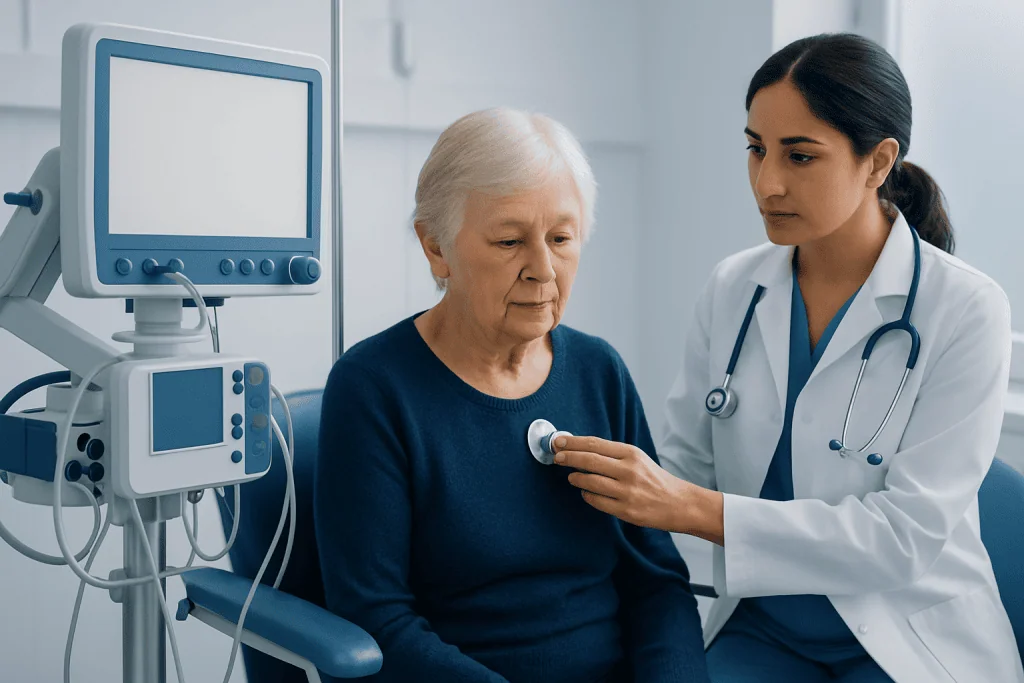
Frailty often shows up as a combination of physical and functional changes rather than one single symptom. A person may notice that everyday tasks feel harder, recovery takes longer, or confidence in movement decreases. Family members may first spot changes in walking speed, appetite, or social engagement.
Common signs include:
- Unintentional weight loss
- Weakness, especially reduced grip strength or difficulty rising from a chair
- Persistent tiredness or low energy
- Slow walking speed
- Low levels of physical activity
- Frequent falls or fear of falling
- Reduced balance and stamina
- Greater dependence in dressing, bathing, shopping, or housework
Frailty may also occur alongside memory problems, low mood, poor sleep, chronic pain, or social isolation. These issues do not define frailty on their own, but they can contribute to it or make it worse. In some people, frailty overlaps with conditions such as Parkinson’s disease or heart and lung disease, which can further affect mobility and endurance.
Causes and Risk Factors

Frailty usually results from several factors acting together over time. Muscle loss with age, known as sarcopenia, plays an important role, but frailty is broader than muscle loss alone. It may also be influenced by chronic inflammation, hormonal changes, poor nutrition, inactivity, multiple medications, and long-term medical conditions.
Common risk factors include older age, recent hospitalization, chronic illness, repeated infections, poor appetite, vitamin and protein deficiency, and limited physical activity. People who live alone, have depression, or have difficulty accessing regular care may also be at increased risk because problems can go unnoticed for longer.
Frailty is more likely in people with diseases that affect movement, circulation, breathing, or the brain. Conditions such as diabetes, heart failure, kidney disease, arthritis, dementia, and stroke can all reduce resilience. The important point is that frailty is often shaped by modifiable factors, which is why early treatment can be meaningful.
Can Early Treatment Change the Outlook?
Early treatment can make a real difference for many people with frailty. When frailty is recognized at an earlier stage, the focus can shift from reacting to crises to building strength, improving nutrition, and addressing the specific problems driving decline. This may help reduce falls, improve confidence, shorten recovery after illness, and maintain independence for longer.
The outlook depends on the person’s overall health, the severity of frailty, and whether there are untreated underlying conditions. Some people improve noticeably with structured exercise, better nutrition, and changes to medications. Others may not fully reverse frailty but can still benefit from slower progression, better symptom control, and a lower risk of complications.
Frailty should be seen as a signal to act, not as a fixed outcome. Timely support may improve quality of life and help a person remain active and socially connected. This is especially important because periods of bed rest, hospitalization, or infection can accelerate weakness if no recovery plan is in place.
How Frailty Is Diagnosed
There is no single laboratory test for frailty. Doctors diagnose it by looking at physical performance, medical history, medications, nutrition, mobility, thinking, mood, and daily functioning. A careful assessment helps identify not only whether frailty is present, but also what may be contributing to it.
Assessment may include questions about weight loss, fatigue, walking speed, exercise tolerance, falls, and the ability to manage activities such as shopping, cooking, and personal care. A clinician may measure grip strength, balance, gait speed, and how easily the person stands from a chair. Blood tests may be used to check for anemia, thyroid problems, infection, vitamin deficiencies, dehydration, or other treatable causes of weakness.
In many settings, a comprehensive geriatric assessment is especially helpful. This broader review brings together medical, physical, mental, and social factors to guide a personalized care plan. Imaging or specialist referral may be needed if symptoms suggest another condition such as bone loss, neurological disease, or heart disease.
Treatment Options for Frailty
Treatment is usually personalized and focuses on improving resilience rather than using one single medicine. The foundation of care is often supervised physical activity, especially strength, balance, and walking exercises. A tailored rehabilitation program can help rebuild muscle, improve confidence, and lower fall risk; in some cases, this may include physical therapy and rehabilitation.
Nutrition is equally important. Many people with frailty need help improving protein intake, overall calories, hydration, and vitamin balance. If chewing, swallowing, appetite, or digestion is a problem, these issues should also be addressed. A dietitian may suggest practical meal strategies that fit the person’s preferences, routine, and other medical conditions.
Doctors also review medications carefully, because some drugs can increase dizziness, confusion, drowsiness, or falls. Treating underlying illnesses such as heart disease, diabetes, depression, arthritis, sleep problems, or anemia may improve energy and function. In selected situations, support from geriatric medicine specialists can help coordinate complex care.
When frailty is linked to reduced mobility, pain, or previous injury, additional treatment may be needed. Balance training, mobility aids, home safety changes, and management of conditions such as osteoporosis can all play a role. If thinking or memory changes are present, assessment for dementia or other neurological conditions may also be important.
Prevention and Self-Care
Although not every case can be prevented, many steps support healthy aging and may reduce the risk or impact of frailty. Staying physically active is one of the most effective strategies. Regular movement that includes strength, balance, flexibility, and endurance helps maintain muscle mass and confidence in daily activities.
Nutrition matters throughout adult life, but it becomes especially important with aging. Eating enough protein, drinking enough fluids, and treating dental problems, swallowing difficulty, or appetite loss can help protect strength. Regular sleep, social interaction, and management of stress and mood also support overall resilience.
Self-care measures that may help include:
- Keeping routine medical appointments
- Reviewing medications regularly with a doctor or pharmacist
- Reporting falls, dizziness, or new weakness early
- Staying up to date with recommended vaccines
- Making the home safer by reducing trip hazards and improving lighting
- Using walking aids correctly if they are prescribed
For people with more complex needs, coordinated support can be valuable. Near the end of the care journey, some families seek assessment in centers experienced in aging-related conditions; Acibadem International’s multidisciplinary specialists and JCI-accredited hospitals diagnose and treat frailty-related health concerns for international patients.
When to See a Doctor
A doctor should assess persistent tiredness, slowing down, unexplained weight loss, recurrent falls, worsening balance, or a new need for help with everyday tasks. Early evaluation is especially important after hospitalization, infection, or a noticeable drop in mobility, because these events can reveal frailty or make it progress more quickly.
Medical review is also important if a person seems drowsier, less steady, more forgetful, or less interested in food or activity. These changes may be related to frailty, but they can also signal medication side effects, dehydration, infection, depression, or another treatable condition.
Urgent medical care is needed after a serious fall, sudden confusion, chest pain, breathing difficulty, signs of stroke, or inability to eat or drink. Even when symptoms seem mild, timely advice can help prevent a small setback from becoming a larger decline.
Frequently asked questions
Is frailty the same as normal aging?
No. Frailty is a distinct medical syndrome in which the body has less reserve and is less able to recover from stress such as illness or injury. While aging increases the risk, not every older adult becomes frail.
Can frailty be reversed?
In some people, frailty can improve, especially when it is recognized early and linked to factors such as inactivity, poor nutrition, or medication side effects. In other cases, full reversal may not be possible, but treatment can still slow progression and improve daily function.
What is the best treatment for frailty?
There is usually no single best treatment for everyone. Care often combines strength and balance exercise, nutritional support, medication review, treatment of underlying illness, and practical help to reduce fall risk and maintain independence.
Does frailty shorten life expectancy?
Frailty is associated with a higher risk of falls, hospitalization, disability, and complications from illness. However, outlook varies widely, and early treatment may improve function, resilience, and quality of life while helping reduce risks.
Who is most at risk of frailty?
Risk is higher in older adults, especially those with chronic disease, poor nutrition, low physical activity, recent hospitalization, or multiple medications. Social isolation, depression, and memory problems can also contribute.
How is frailty different from dementia?
Frailty mainly refers to reduced physical and overall resilience, while dementia primarily affects memory, thinking, and behavior. The two conditions can occur together, and when they do, they often require a more coordinated care plan.
References
- World Health Organization
- National Institute on Aging
- Centers for Disease Control and Prevention
- National Institute for Health and Care Excellence
- American Geriatrics Society
This article is for general information only and is not a substitute for professional medical advice. Please consult a qualified doctor about your individual situation.
Explore treatments in Turkey — costs, top hospitals & a free quote
JCI-accredited · board-certified surgeons · reply within 24h
Add us as a Preferred Source to see more of our trusted health content across Google Search, AI Overviews and Discover.

More from the Health Library


Related Specialists

Dr. Coşkun Akalın
Ftr Pain Management
Prof. Dr. Cevdet Düger
Anesthesiology
Prof. Dr. Nevzat Özcan
Interventional Radiology
Prof. Dr. Erkan Yildirim
Radiology