Can Vaccination Support Healthy Longevity? What Prevention Adds Over a Lifetime

Vaccination helps prevent infections that can disrupt health, mobility, and quality of life. Immunity needs change over time, so vaccine needs in adulthood may differ from childhood schedules.
Key Takeaways
- Vaccination helps prevent infections that can disrupt health, mobility, and quality of life.
- Immunity needs change over time, so vaccine needs in adulthood may differ from childhood schedules.
- Older adults and people with chronic conditions may benefit especially from staying up to date.
- Vaccines work best as part of lifelong prevention alongside sleep, nutrition, exercise, and regular checkups.
- A doctor can personalize vaccine recommendations based on age, health conditions, travel, pregnancy plans, and past immunizations.
Vaccination can support healthy longevity by lowering the risk of infections that may lead to hospitalization, disability, or long recovery. Across a lifetime, vaccines add an important layer of prevention that helps protect independence, daily function, and overall well-being.
Overview: How Vaccination Supports Healthy Longevity
Healthy longevity is not only about living longer. It is also about preserving physical function, mental sharpness, independence, and quality of life over time. Vaccination supports this goal by helping the immune system recognize and respond to specific infections before they cause serious illness.
When infections are prevented, people may avoid complications such as dehydration, pneumonia, worsening of chronic diseases, hospitalization, and prolonged recovery. In older adults especially, even a short-term illness can sometimes lead to a noticeable decline in strength, balance, appetite, or daily function. Preventing that illness may help preserve resilience.
Vaccines are one part of preventive care across the lifespan. They do not replace healthy habits, but they work alongside them. Regular exercise, balanced nutrition, adequate sleep, stress management, and routine medical care all contribute to healthier aging, while immunization adds targeted protection against infectious threats.
Just as blood pressure checks or cancer screening may change with age, vaccine needs also change over time. Childhood vaccines are important, but many adults also need boosters or age-specific vaccines. Keeping immunization up to date is a practical way to invest in long-term health.
Why Infections Matter More Over a Lifetime

Infections can affect more than the organ system they first involve. For example, a respiratory infection may trigger fatigue, falls, poor appetite, sleep disruption, confusion in vulnerable adults, or flare-ups of heart and lung conditions. Some infections are mild in one person but severe in another, depending on age, immune health, and underlying medical conditions.
As people age, the immune system changes. This natural process, sometimes called immunosenescence, can make it harder for the body to respond strongly to new infections. Older adults may also recover more slowly. That means prevention becomes increasingly valuable, even for infections that may have seemed routine earlier in life.
Preventing infection can also help maintain continuity in everyday life. Fewer serious illnesses may mean fewer interruptions to work, caregiving, travel, social activities, and exercise routines. Over many years, these preserved routines can contribute meaningfully to health, confidence, and independence.
Vaccination also has community benefits. By reducing the spread of certain infections, it can help protect infants, older relatives, people receiving cancer treatment, transplant recipients, and others who may be at higher risk of complications.
How Vaccines Add Protection at Different Life Stages
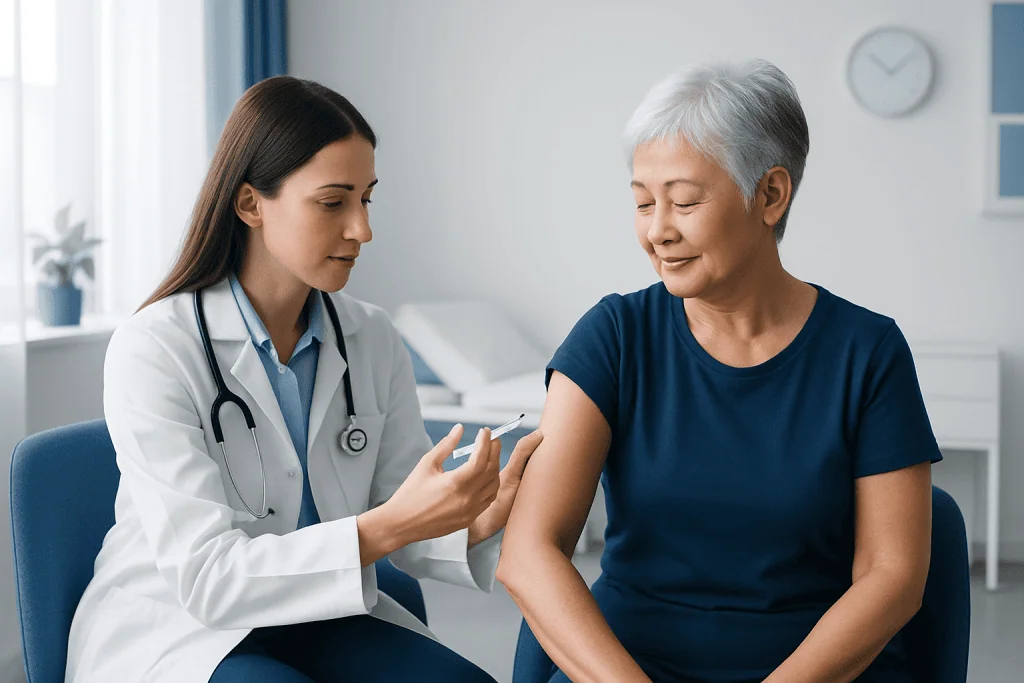
Vaccine needs are not the same at every age. In infancy and childhood, vaccination helps protect against infections that can cause serious complications early in life. In adolescence and adulthood, vaccines may help prevent diseases linked to future health problems, missed work or school, and avoidable medical complications.
During adulthood, boosters may be needed because protection from some vaccines can decrease over time. Certain vaccines are also recommended based on occupation, travel, pregnancy, university living, military service, or medical conditions such as diabetes, lung disease, kidney disease, or weakened immunity.
In later life, vaccination may help reduce the burden of respiratory infections and other preventable illnesses that can lead to hospitalization or loss of independence. This can be especially relevant for adults with chronic conditions, those living in shared settings, and people caring for vulnerable family members.
Common examples of vaccines that may be considered over a lifetime include influenza, COVID-19, tetanus-containing boosters, pneumococcal vaccines, shingles vaccine, hepatitis vaccines, and others depending on individual circumstances. Recommendations vary by country and change over time, so current guidance from a qualified clinician is important.
Vaccination and Healthy Aging: Beyond Preventing Infection
The main purpose of vaccination is to prevent disease or reduce its severity, but the broader benefits can be highly relevant to longevity. Avoiding severe infection may help protect physical reserve, reduce time spent inactive, and lower the risk of complications that can follow acute illness, such as weakness or reduced mobility.
For people living with chronic illnesses, prevention can be particularly meaningful. An infection may worsen asthma, chronic obstructive pulmonary disease, heart disease, diabetes control, or kidney disease. In this way, vaccination may indirectly support the management of existing conditions and help reduce setbacks in long-term health.
Some vaccines also help prevent infections associated with long-lasting nerve pain, liver disease, or certain cancers. For example, hepatitis B vaccination helps prevent hepatitis B infection, which can contribute to chronic liver problems, and human papillomavirus vaccination helps prevent infections linked to several cancers. These are examples of how prevention may offer benefits that extend far beyond the initial infection.
Vaccination should be viewed as part of a broader healthy aging plan rather than a stand-alone solution. People who want to support longevity may also benefit from regular preventive visits, blood pressure and cholesterol checks, evidence-based cancer screening, and timely care for concerns such as high blood pressure or diabetes.
Who Should Review Their Vaccination Status
Everyone can benefit from knowing whether they are up to date on recommended vaccines, but some groups have especially strong reasons to review their records. This includes adults over 50 or 65, people with chronic heart or lung conditions, diabetes, kidney or liver disease, weakened immunity, and those taking medicines that affect immune function.
Pregnant people or those planning pregnancy should also discuss vaccines with their doctor, because some vaccines are specifically recommended before or during pregnancy, while others may need timing adjustments. Travelers may need additional protection depending on destination, season, and planned activities.
People who work in healthcare, education, hospitality, transport, or caregiving roles may have more frequent exposure to infections and may also help protect those around them by staying current with recommended immunizations. Adults who are unsure of their childhood vaccination history should not assume they are fully protected.
- Adults who have not had a recent preventive checkup
- Older adults living independently or in shared residential settings
- People with chronic diseases or immune suppression
- Frequent travelers or those visiting areas with different infection risks
- Caregivers of infants, older adults, or medically vulnerable family members
Safety, Effectiveness, and Common Concerns
Vaccines used in routine care are carefully evaluated for safety and effectiveness before approval, and they continue to be monitored after they are introduced. Like any medical intervention, vaccines can cause side effects, but these are usually mild and short-lived, such as soreness at the injection site, tiredness, headache, or a low fever.
Serious reactions are uncommon, and healthcare professionals are trained to assess vaccine suitability based on allergies, medical history, and current health. A person should always tell their clinician about previous reactions to vaccines, a history of severe allergy, or any condition affecting the immune system.
Another common concern is whether vaccination is still useful in later life. The answer is often yes. Although immune responses can change with age, vaccination can still lower the chance of severe illness, hospitalization, and complications. Even when a vaccine does not fully prevent infection, it may make the illness milder.
People sometimes postpone vaccines because they feel well. However, prevention works best before exposure happens. Reviewing immunizations during routine care, annual health visits, or travel planning can make it easier to stay protected without waiting for a health scare.
Prevention and Self-Care: Making Vaccination Part of a Long-Term Plan
A practical approach to longevity includes building preventive habits into ordinary life. Keeping a personal vaccine record, asking about boosters during checkups, and reviewing recommendations before travel or pregnancy can make preventive care easier to manage. For many people, combining vaccine review with annual wellness visits is a simple starting point.
Vaccination works best alongside everyday self-care. Good hand hygiene, adequate sleep, regular physical activity, a varied diet, and not smoking can all support immune health. These measures do not replace vaccines, but together they create a stronger foundation for long-term well-being.
It is also helpful to discuss misinformation openly with a trusted clinician. Reliable advice should take into account age, chronic conditions, medications, allergies, and local public health guidance. For people who need more detailed evaluation, related care may involve preventive health check-ups or assessment through internal medicine care.
Near the end of a preventive health journey, some people seek coordinated care across specialties, especially if they have complex medical needs or international travel plans. Acibadem International’s multidisciplinary specialists and JCI-accredited hospitals diagnose and treat patients from around the world, including those seeking individualized preventive care planning.
When to See a Doctor About Vaccination
A doctor should be consulted if a person is unsure which vaccines they need, cannot find their records, has a chronic illness, is pregnant, plans travel, or has had a past reaction to a vaccine. Medical advice is also important for people receiving chemotherapy, transplant-related care, or medications that suppress immunity, because vaccine timing may need adjustment.
Prompt medical attention is recommended after vaccination if there are signs of a severe allergic reaction, such as trouble breathing, swelling of the face or throat, or widespread hives. Although these reactions are rare, they need urgent evaluation.
People should also seek advice if they have symptoms of infection despite vaccination, especially high fever, shortness of breath, chest pain, dehydration, confusion, or symptoms that are worsening rather than improving. Vaccines reduce risk, but no vaccine offers perfect protection.
When there is uncertainty, a preventive conversation is worthwhile. A clinician can review age, health history, prior vaccines, occupational exposure, and lifestyle factors to create a safe, individualized immunization plan that supports healthier aging over time.
Frequently asked questions
Can vaccination really support healthy longevity?
Yes. Vaccination can support healthy longevity by helping prevent infections that may lead to hospitalization, complications, or prolonged recovery. By lowering the burden of preventable illness, vaccines can help protect daily function, independence, and overall well-being over time.
Are vaccines only important for children?
No. Many vaccines are important in adulthood because immunity can decrease over time, and some vaccines are recommended specifically for adults, older adults, travelers, or people with certain health conditions. Adult vaccination is a routine part of preventive healthcare.
Do older adults still benefit from vaccines?
In most cases, yes. Older adults may be more vulnerable to severe infection and slower recovery, so prevention can be especially valuable. Even when vaccination does not fully prevent infection, it may reduce the severity of illness and the risk of complications.
Which vaccines might matter for healthy aging?
The answer depends on age, health conditions, prior vaccination history, pregnancy status, and travel plans. Commonly discussed adult vaccines include influenza, COVID-19, tetanus-containing boosters, pneumococcal vaccines, shingles vaccine, and hepatitis vaccines. A doctor can explain which ones are appropriate for the individual.
What if someone does not know their vaccination history?
They should discuss it with a healthcare professional. A clinician may review available records, consider age-based recommendations, and advise whether certain vaccines or boosters are needed. In some cases, it is safe and practical to vaccinate when records are incomplete.
Are routine vaccine side effects a reason to avoid vaccination?
Usually not. Mild effects such as arm soreness, tiredness, or a low fever are common and generally short-lived. Anyone with a history of severe allergy, a previous serious vaccine reaction, or an immune-related medical issue should review risks and timing with a doctor.
References
- World Health Organization
- Centers for Disease Control and Prevention
- European Centre for Disease Prevention and Control
- National Institute on Aging
This article is for general information only and is not a substitute for professional medical advice. Please consult a qualified doctor about your individual situation.
Longevity in Turkey — costs, top hospitals & a free quote
JCI-accredited · board-certified surgeons · reply within 24h
Add us as a Preferred Source to see more of our trusted health content across Google Search, AI Overviews and Discover.
Check your numbers in seconds
BMI, calories, due date, blood pressure and 30+ more clinical calculators — free, instant, doctor-reviewed ranges.

Check-up & Preventive Medicine
Comprehensive health screenings designed for early detection and prevention.
3 specialists in this unit