Bisphosphonates: Symptoms, Causes, and Treatment — Complete Patient Guide

Bisphosphonates help reduce bone loss and lower the risk of fractures. They are commonly used for osteoporosis, Paget disease, and some cancer-related bone problems.
Key Takeaways
- Bisphosphonates help reduce bone loss and lower the risk of fractures.
- They are commonly used for osteoporosis, Paget disease, and some cancer-related bone problems.
- Common side effects include stomach irritation, muscle or joint aches, and flu-like symptoms after some IV treatments.
- Rare but important complications include unusual thigh fractures and osteonecrosis of the jaw.
- Doctors may monitor kidney function, calcium and vitamin D status, and bone density during treatment.
- Patients should seek medical care for severe swallowing pain, chest pain, jaw symptoms, or new thigh or groin pain.
Bisphosphonates are medicines used to slow bone breakdown, most often in osteoporosis and other conditions that weaken bones. They can be very effective, but safe use depends on the right diagnosis, correct dosing instructions, and attention to possible side effects.
Overview: what bisphosphonates are and why they are used
Bisphosphonates are a group of medicines that slow the natural process of bone breakdown. They are most often prescribed to treat osteoporosis, especially when a person has low bone density or an increased risk of fractures. By reducing bone loss, these medicines can help bones stay stronger for longer.
Doctors may also use bisphosphonates for other bone-related conditions, including Paget disease of bone and some situations linked to cancer that affect the skeleton. The exact medicine, dose, and schedule depend on the person’s age, overall health, bone density results, fracture history, and the reason for treatment.
These medicines are available in different forms. Some are taken by mouth daily, weekly, or monthly, while others are given through a vein at longer intervals. Oral and intravenous options can be equally appropriate in different situations, and the best choice depends on medical needs, convenience, and tolerance.
Because bisphosphonates affect bone remodeling over time, they are usually part of a broader care plan rather than a quick fix. That plan may also include calcium and vitamin D support, weight-bearing exercise, fall prevention, and treatment of any underlying condition contributing to bone loss. In people being evaluated for osteoporosis, they are often one of the first medication options considered.
How bisphosphonates work in the body
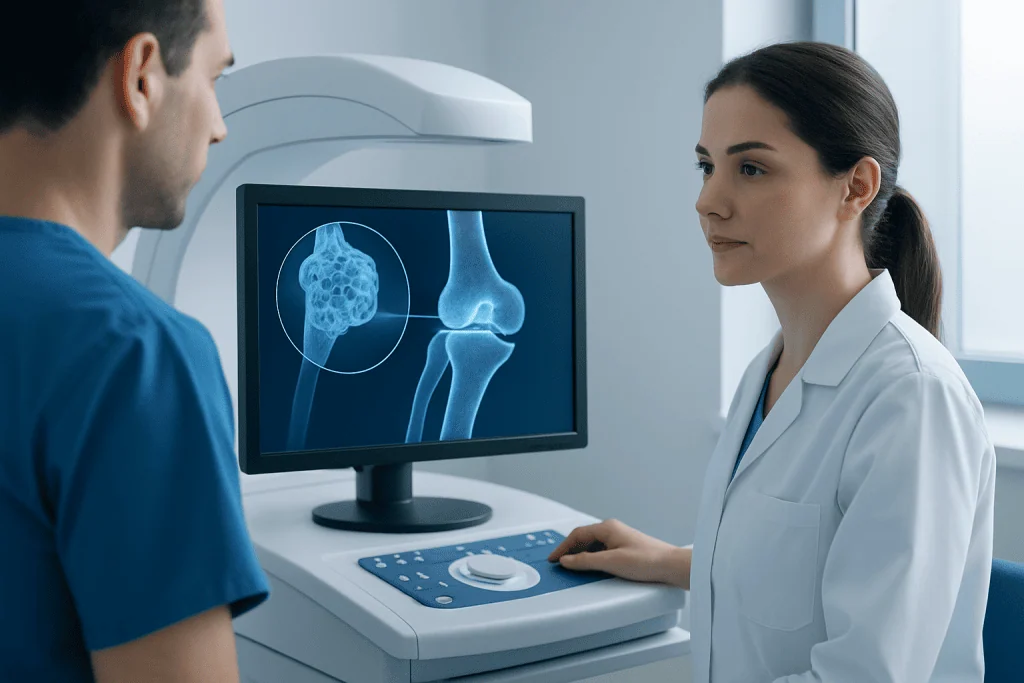
Bone is living tissue that constantly renews itself. Special cells called osteoclasts break down old bone, while osteoblasts help build new bone. In osteoporosis and some other disorders, bone breakdown happens faster than bone rebuilding, so bones gradually become more fragile.
Bisphosphonates attach to bone surfaces and reduce the activity of osteoclasts. This slows bone loss and helps preserve bone strength. Over time, this can improve bone density and reduce the chance of fractures, particularly in the spine and hip.
The benefit is usually not immediate. These medicines work gradually, which is why regular follow-up is important. Doctors may use bone density scanning, blood tests, and a review of fracture risk to assess whether treatment is working and how long it should continue.
Not everyone needs the same duration of treatment. In some patients, a doctor may later consider a monitored pause, sometimes called a drug holiday, after several years of use. This decision depends on fracture risk, previous response, and any side effects, and it should always be individualized.
Common uses and who may need them

The most common reason for bisphosphonate treatment is osteoporosis in postmenopausal women and older adults, but they may also be used in men with bone loss. Some people need them after a fracture, especially a hip or spine fracture, because one fracture can increase the risk of another. Others may be offered treatment if a bone density scan shows significant bone thinning even before a fracture occurs.
Bisphosphonates may also be prescribed for bone loss caused by long-term steroid use. Medicines such as corticosteroids can weaken bones over time, so preventive treatment may be considered in people who need steroids for chronic medical conditions.
Another use is Paget disease of bone, a disorder in which bone remodeling becomes abnormal. In cancer care, certain bisphosphonates may help manage high calcium levels in the blood or reduce complications when cancers spread to bone. In these settings, care is often coordinated with specialists in medical oncology or metabolic bone disease.
Before starting treatment, a doctor will usually confirm the reason for therapy rather than assuming all bone loss is the same. Some patients need additional evaluation for vitamin D deficiency, low calcium, kidney disease, hormone problems, or other causes that can affect bone health and change the treatment plan.
Symptoms, side effects, and possible complications
Bisphosphonates themselves do not usually cause a specific set of symptoms when they are working. Instead, people are often prescribed them because of symptoms or findings related to bone disease, such as a fragility fracture, loss of height, back pain from spinal compression fractures, or a bone density scan showing osteoporosis. The medicine’s role is to reduce future harm rather than to create a sensation that the patient can feel.
Common side effects depend on the form used. Oral bisphosphonates can irritate the esophagus and stomach, leading to heartburn, nausea, abdominal discomfort, or pain with swallowing if not taken exactly as directed. Intravenous forms may cause temporary flu-like symptoms, such as fever, body aches, tiredness, or headache, especially after the first infusion.
Some people notice muscle, bone, or joint pain. These symptoms are often mild and short-lived, but persistent or severe pain should be discussed with a doctor. Rarely, bisphosphonates have been linked to atypical femur fractures, which may present as new dull pain in the thigh or groin before a full fracture happens.
Another uncommon but important complication is osteonecrosis of the jaw, in which part of the jawbone does not heal properly, often after a dental procedure. The risk is generally low in people taking these medicines for osteoporosis, but it may be higher in certain cancer-related treatment settings. Good dental care, routine checkups, and informing the dentist about bisphosphonate use can help reduce the risk. In complex cases involving jaw or bone concerns, advanced imaging such as MRI may be part of the evaluation, depending on the symptoms and the area involved.
Diagnosis and monitoring before and during treatment
Starting bisphosphonates usually begins with confirming a bone health diagnosis and estimating fracture risk. Doctors may review age, sex, menopausal status, family history, previous fractures, current medicines, smoking, alcohol use, and conditions that affect balance or nutrition. This helps determine whether medication is necessary and which option is most suitable.
A bone mineral density test, often a DEXA scan, is commonly used to assess osteoporosis and track changes over time. Blood tests may also be done to check calcium, vitamin D, kidney function, and sometimes thyroid or parathyroid function. These tests help rule out other causes of bone loss and identify problems that should be corrected before treatment begins.
For oral bisphosphonates, doctors also consider whether the person has swallowing difficulties, significant acid reflux, esophageal disorders, or an inability to sit or stand upright after taking the medicine. In such cases, an intravenous option may be safer or more practical.
Monitoring continues after treatment starts. Follow-up may include symptom review, repeat bone density scanning, and occasional blood tests. If a person develops severe digestive symptoms, jaw problems, or persistent thigh pain, prompt reassessment is important. Imaging, including CT scan in selected situations, may help evaluate fractures or other complications.
Treatment options and safe use
Bisphosphonate treatment should be matched to the patient’s needs. Oral medicines are often chosen when a person can follow the dosing instructions and does not have major upper digestive tract problems. They must usually be taken with plain water on an empty stomach, and the person needs to remain upright for a period afterward to reduce irritation of the esophagus.
Intravenous bisphosphonates may be preferred when oral medicines are not tolerated, when adherence is difficult, or when certain cancer-related bone conditions are being treated. Infusion schedules vary, and a healthcare professional monitors for side effects and reviews kidney function before some treatments.
Medication is only one part of bone care. Adequate calcium and vitamin D, if appropriate for the individual, support treatment. Weight-bearing exercise, muscle strengthening, smoking cessation, limiting excess alcohol, and reducing fall risk at home are also important. In some patients, doctors may consider other types of osteoporosis medication instead of bisphosphonates, depending on fracture risk, kidney function, and prior response.
People should not stop or switch these medicines on their own without medical advice. The decision to continue, pause, or change treatment should be based on follow-up findings and personal risk factors. In multidisciplinary centers such as Acibadem International, specialists in bone health, endocrinology, imaging, and related fields work together to diagnose and treat these conditions for international patients.
Prevention, self-care, and reducing risk while on treatment
Bone health starts long before medication is needed. Regular physical activity, especially weight-bearing and resistance exercise, helps maintain bone strength and balance. A varied diet that provides enough calcium, protein, and other nutrients also supports healthy bones throughout adult life.
For people already taking bisphosphonates, self-care focuses on using the medicine correctly and lowering the risk of complications. Oral tablets should be taken exactly as prescribed. Patients should report persistent heartburn, trouble swallowing, dental problems, or new pain in the jaw, thigh, or groin rather than assuming these symptoms are minor.
Dental health deserves special attention. Brushing, flossing, regular dental visits, and discussing planned tooth extractions or implants with both the dentist and prescribing doctor can be helpful. This does not mean dental work is always unsafe; it means planning matters.
Fall prevention is another key part of fracture prevention. Good lighting, supportive footwear, vision checks, balance training, and reviewing medicines that cause dizziness can all reduce the chance of injury. If an underlying condition is contributing to bone loss, treating that condition is just as important as the bone medicine itself.
When to seek medical care
Medical advice is important before starting bisphosphonates and during follow-up, especially if symptoms change. A patient should contact a doctor if they develop severe heartburn, chest pain, pain with swallowing, vomiting, black stools, or significant stomach pain after taking an oral bisphosphonate. These symptoms may suggest irritation or injury in the upper digestive tract and need prompt review.
New thigh or groin pain should also be assessed, even if it seems mild. In some cases, this can be an early warning sign of an atypical femur fracture. Jaw pain, swelling, exposed bone in the mouth, or poor healing after dental work should be reported as well.
Urgent care may be needed after a fall, sudden severe back pain, loss of height, or an obvious fracture. People with kidney disease, low calcium, major dental procedures planned, or complex medical conditions should have close medical guidance before and during treatment.
Anyone who is unsure whether a side effect is related to bisphosphonates should seek professional advice rather than stopping treatment suddenly. Early review often helps clarify whether symptoms are expected, manageable, or a reason to change therapy.
Frequently asked questions
What are bisphosphonates used for?
Bisphosphonates are mainly used to treat osteoporosis and reduce the risk of fractures. They may also be used for Paget disease of bone, steroid-related bone loss, and some cancer-related bone conditions.
How long do bisphosphonates take to work?
They work gradually by slowing bone breakdown over time. A person usually does not feel them working, but follow-up bone density tests and fracture risk assessment help show whether treatment is effective.
What are the most common side effects of bisphosphonates?
Common side effects include heartburn, stomach upset, nausea, and pain with swallowing for oral forms if they irritate the esophagus. Intravenous forms can cause short-lived flu-like symptoms such as fever, aches, and fatigue after an infusion.
Are bisphosphonates safe for everyone?
No medicine is right for everyone. Bisphosphonates may not be suitable for people with certain esophageal disorders, severe kidney problems, low calcium levels, or specific dental and jaw concerns, so a doctor should assess individual risks first.
Why do doctors ask about dental care before treatment?
Doctors ask because a rare complication called osteonecrosis of the jaw can occur, especially after invasive dental procedures. Good oral hygiene and communication between the patient, doctor, and dentist can help lower this risk.
Should someone stop bisphosphonates if they have side effects?
A person should not stop treatment without medical advice unless a clinician has told them to do so. Some side effects are manageable, but severe swallowing pain, chest pain, jaw symptoms, or new thigh pain should be reviewed promptly.
References
- National Institute of Arthritis and Musculoskeletal and Skin Diseases
- National Institutes of Health Osteoporosis and Related Bone Diseases National Resource Center
- American Society for Bone and Mineral Research
- Endocrine Society
- International Osteoporosis Foundation
This article is for general information only and is not a substitute for professional medical advice. Please consult a qualified doctor about your individual situation.
Joint and spine care in Turkey — expert assessment & treatment
JCI-accredited · board-certified surgeons · reply within 24h
Add us as a Preferred Source to see more of our trusted health content across Google Search, AI Overviews and Discover.