Dermatitis nummularis: Symptoms, Causes, and Treatment — Complete Patient Guide

Dermatitis nummularis is a chronic inflammatory skin condition that often appears as coin-shaped patches. The rash commonly causes itching, dryness, scaling, and sometimes oozing or crusting.
Key Takeaways
- Dermatitis nummularis is a chronic inflammatory skin condition that often appears as coin-shaped patches.
- The rash commonly causes itching, dryness, scaling, and sometimes oozing or crusting.
- Dry skin, irritants, skin injury, cold weather, and a personal history of eczema can contribute to flare-ups.
- Diagnosis is usually based on a skin examination, but tests may be used to rule out infection, allergy, or other skin conditions.
- Treatment often includes moisturizers, topical anti-inflammatory medicines, gentle skin care, and trigger management.
- Medical review is important if the rash is severe, painful, spreading, or shows signs of infection.
Dermatitis nummularis is a form of eczema that causes round or oval, itchy, inflamed patches on the skin. It is usually managed with regular skin hydration, avoiding irritants, and medical treatment when symptoms are persistent, widespread, or infected.
Overview: what dermatitis nummularis is
Dermatitis nummularis is a type of eczema that causes round or oval patches of inflamed skin. The patches are often itchy, dry, and scaly, and they may look pink, red, or brown depending on a person’s skin tone. Because the lesions are often shaped like coins, this condition is also called nummular eczema or discoid eczema.
This condition is not contagious, and it does not mean the skin is infected. It is an inflammatory skin disorder linked to a damaged skin barrier, which allows moisture to escape and irritants to enter more easily. As a result, the skin becomes dry, sensitive, and prone to flare-ups.
Dermatitis nummularis can affect adults of any age, though it is seen more often in adults than in young children. Some people have only occasional episodes, while others have a more chronic pattern with flares that improve and then return. With proper skin care and medical treatment when needed, symptoms can usually be controlled well.
Symptoms and how the rash may look
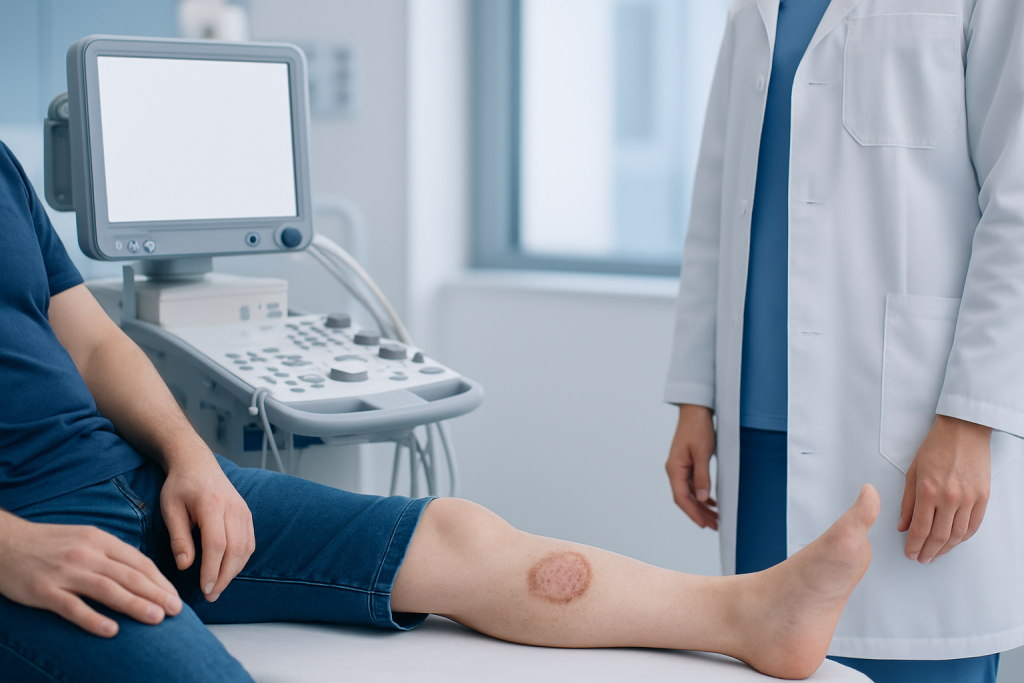
The main feature of dermatitis nummularis is one or more coin-shaped patches on the skin. These patches may begin as small bumps or tiny blisters and then join together into a larger, clearly outlined area. Over time, the skin may become dry, thickened, cracked, or crusted.
Itching is often one of the most troublesome symptoms. For some people it is mild, but for others it can be intense, especially at night. Scratching can make the skin more inflamed and may increase the risk of breaks in the skin or secondary infection.
Common symptoms include:
- Round or oval patches on the arms, legs, hands, or trunk
- Dry, scaly, rough, or cracked skin
- Itching, burning, or tenderness
- Redness or darkened areas of inflammation
- Oozing, crusting, or small blisters during active flares
The rash often appears on the lower legs, forearms, backs of the hands, or torso, but it can develop in other areas as well. In some people, the lesions are dry and flaky from the beginning. In others, they start as moist or oozing patches before becoming drier. Because the appearance can overlap with atopic dermatitis and other skin disorders, a medical assessment can be helpful if the diagnosis is uncertain.
Causes and risk factors

The exact cause of dermatitis nummularis is not always clear, but it is thought to involve a combination of skin barrier dysfunction, inflammation, and environmental triggers. Healthy skin acts as a protective barrier, helping keep moisture in and irritants out. When this barrier is weakened, the skin becomes more vulnerable to dryness, irritation, and eczema flares.
Several factors may increase the chance of developing this condition or make existing symptoms worse. Dry air, frequent hot showers, harsh soaps, detergents, and rough fabrics can strip the skin of moisture. Skin injury, such as a scrape, burn, insect bite, or irritation from scratching, may also trigger new patches.
Risk factors and triggers can include:
- Very dry or sensitive skin
- A personal history of eczema, allergies, or asthma
- Cold weather or low-humidity environments
- Contact with irritating skin products or chemicals
- Stress, which may worsen itching and scratching
- Skin infections or colonization with bacteria in some cases
Dermatitis nummularis may sometimes be confused with psoriasis, fungal infections, or contact dermatitis because the patches can look similar. This is one reason why persistent rashes should not be self-diagnosed for long periods, especially if over-the-counter products are not helping.
How doctors diagnose dermatitis nummularis
Diagnosis usually begins with a medical history and a close examination of the skin. A doctor will ask when the rash started, whether it itches, what products touch the skin, and whether there is a history of eczema, allergies, or similar skin problems. The shape, distribution, and surface appearance of the patches often provide important clues.
In many cases, a skin examination is enough to diagnose dermatitis nummularis. However, if the rash is unusual, recurrent, or not responding to standard treatment, further testing may be useful. The goal is often to rule out conditions that can mimic nummular eczema rather than to prove one single test result.
Additional tests may include:
- A skin scraping or fungal test if ringworm is suspected
- A swab or culture if there are signs of infection
- Patch testing if allergic contact dermatitis is possible
- Occasionally, a skin biopsy to clarify the diagnosis
Because several skin conditions can overlap, accurate diagnosis helps guide the most effective treatment. A dermatologist may be especially helpful when symptoms are severe, widespread, or repeatedly returning.
Treatment options and long-term management
Treatment for dermatitis nummularis aims to calm inflammation, repair the skin barrier, reduce itching, and prevent future flares. For many people, the foundation of treatment is frequent use of fragrance-free moisturizers or ointments, especially after bathing. This simple step helps the skin hold on to moisture and may reduce the need for stronger medicines over time.
When symptoms are active, doctors often prescribe anti-inflammatory creams or ointments. These may include topical corticosteroids or other non-steroidal anti-inflammatory treatments, depending on the location and severity of the rash. In some cases, wet dressings or so-called wet-wrap methods are recommended for a limited period to soothe inflamed skin and improve absorption of treatment.
If symptoms are more extensive or difficult to control, other approaches may be considered. These can include light-based therapy such as phototherapy, treatment for secondary infection if present, and oral medicines in selected cases. If allergy-related triggers are suspected, evaluation by an allergy specialist may help identify avoidable exposures that are making the skin worse.
People with persistent or complicated eczema may benefit from specialist care in dermatology clinics, where treatment can be tailored to skin type, rash pattern, and trigger profile. Near the end of the care pathway, some international patients choose centers such as Acibadem International, where multidisciplinary specialists in JCI-accredited hospitals evaluate and treat skin conditions including dermatitis nummularis.
Prevention and self-care habits that help
Daily skin care plays a central role in preventing flares. Even when the rash looks better, the skin barrier may still be fragile. Ongoing moisturization and gentle cleansing can reduce dryness and make the skin less reactive to everyday triggers.
Bathing habits matter. Short, lukewarm showers or baths are usually gentler on the skin than long, hot ones. After bathing, the skin should be patted dry rather than rubbed, and moisturizer should be applied while the skin is still slightly damp.
Helpful self-care steps include:
- Using fragrance-free moisturizers several times a day
- Choosing mild, soap-free or low-irritant cleansers
- Avoiding wool, rough fabrics, and tight clothing over affected areas
- Using gentle laundry products and avoiding strongly scented items
- Keeping fingernails short to reduce damage from scratching
- Using a humidifier in dry indoor environments if recommended
Stress management and good sleep habits may also support symptom control, especially if itching becomes worse at night. While self-care is important, it should work alongside medical advice rather than replace it when symptoms are significant.
When to seek medical care
Medical care is appropriate if a coin-shaped rash is new, spreading, very itchy, or not improving with gentle moisturization and avoidance of obvious irritants. A doctor can confirm whether the rash is dermatitis nummularis or another condition that needs a different treatment approach.
Prompt medical review is especially important if the skin becomes painful, warm, swollen, or produces pus, because these features can suggest infection. Care should also be sought if sleep is being disrupted, large areas of skin are involved, or scratching is leading to bleeding and thickened skin.
People should also contact a healthcare professional if they are using over-the-counter creams frequently without clear benefit, or if the rash keeps returning. Early treatment can help control symptoms sooner and may reduce the cycle of itching, scratching, and skin damage.
Frequently asked questions
Is dermatitis nummularis the same as ringworm?
No. Dermatitis nummularis can look similar to ringworm because both may appear as round patches, but ringworm is a fungal infection while nummular eczema is an inflammatory skin condition. A doctor may examine the skin or perform a simple test if the diagnosis is unclear.
Can dermatitis nummularis go away on its own?
Some mild flares may improve with gentle skin care and regular use of moisturizers. However, many people need medical treatment to calm inflammation and itching, especially if the rash is persistent, widespread, or recurring.
Is dermatitis nummularis contagious?
No, it is not contagious. It cannot be spread by touching the rash, sharing towels, or close contact. Even so, broken skin can sometimes become infected, which is one reason treatment and skin care matter.
What triggers a flare of dermatitis nummularis?
Common triggers include dry skin, cold weather, hot showers, harsh soaps, irritating chemicals, rough fabrics, and skin injury. In some people, stress or bacterial overgrowth on the skin may also contribute. Identifying personal triggers often helps reduce future flares.
How is dermatitis nummularis different from other types of eczema?
Its most recognizable feature is the round or coin-shaped patch. Other forms of eczema may affect different body areas or have different patterns, but all involve inflammation and skin barrier problems. A clinician can help distinguish among eczema types when the appearance overlaps.
Can diet cure dermatitis nummularis?
There is no single diet known to cure dermatitis nummularis. Unless a person has a proven food allergy or another diagnosed sensitivity, treatment usually focuses more on skin care, trigger avoidance, and anti-inflammatory therapy than on food restriction.
References
- American Academy of Dermatology
- National Eczema Association
- National Institute of Arthritis and Musculoskeletal and Skin Diseases
- Mayo Clinic
- British Association of Dermatologists
This article is for general information only and is not a substitute for professional medical advice. Please consult a qualified doctor about your individual situation.
Explore treatments in Turkey — costs, top hospitals & a free quote
JCI-accredited · board-certified surgeons · reply within 24h
Add us as a Preferred Source to see more of our trusted health content across Google Search, AI Overviews and Discover.

More from the Health Library



Related Specialists

Prof. Dr. Beril Akman
Internal Medicine
Fzt. Umut Şahin
Physical Medicine & Rehabilitation
Dr. Dilara Akman
Infectious Diseases & Clinical Microbiology
Dr. Ergün Kuşku
Dermatology