Abdominal quadrants: Symptoms, Causes, and Treatment — Complete Patient Guide

The abdomen is commonly divided into right upper, left upper, right lower, and left lower quadrants. Pain in a specific quadrant does not confirm one diagnosis, but it helps guide evaluation.
Key Takeaways
- The abdomen is commonly divided into right upper, left upper, right lower, and left lower quadrants.
- Pain in a specific quadrant does not confirm one diagnosis, but it helps guide evaluation.
- Symptoms such as fever, vomiting, fainting, blood in stool, or severe worsening pain need prompt medical attention.
- Diagnosis may involve a physical exam, blood or urine tests, and imaging such as ultrasound or CT.
- Treatment depends on the cause and may range from rest and medication to urgent surgery.
Abdominal quadrants are four sections of the abdomen used to describe where symptoms happen. Knowing the pain location can help a doctor narrow down possible causes, choose the right tests, and decide whether treatment is urgent.
Overview: what abdominal quadrants mean
Abdominal quadrants are a simple way clinicians describe where symptoms are happening in the belly area. The abdomen is divided into four parts: the right upper quadrant, left upper quadrant, right lower quadrant, and left lower quadrant. This shared map makes it easier to explain pain, tenderness, swelling, or other symptoms clearly and consistently.
Quadrants are not a diagnosis by themselves. Instead, they are a starting point that helps connect symptoms with the organs that may be involved. For example, the gallbladder and much of the liver are in the right upper area, while the appendix is usually in the right lower area. The stomach and spleen are more toward the left upper area, and parts of the colon, urinary tract, and reproductive organs can cause symptoms in the lower quadrants.
Many people think abdominal pain always starts exactly over the affected organ, but this is not always true. Pain can be vague, move over time, or be felt in a different area from where the problem began. Even so, describing the location as accurately as possible helps doctors assess whether the issue may be digestive, urinary, gynecologic, muscular, or related to another body system.
The four quadrants and what organs are there
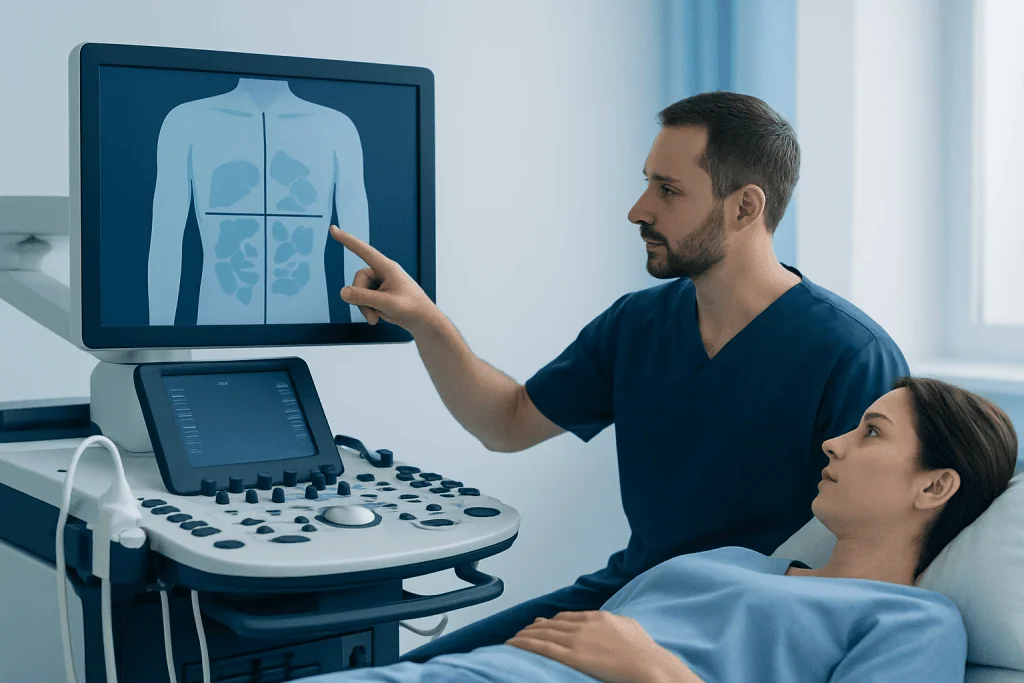
The right upper quadrant contains much of the liver, the gallbladder, part of the pancreas, part of the small intestine, and part of the colon. Pain here may sometimes relate to gallstones, liver inflammation, stomach irritation, or referred pain from nearby structures. The left upper quadrant includes the stomach, spleen, part of the pancreas, part of the left kidney, and part of the colon.
The right lower quadrant often draws attention because it is where the appendix is usually located. It also includes portions of the small intestine and colon, the right ureter, and in females, the right ovary and fallopian tube. The left lower quadrant contains sections of the colon, the left ureter, and in females, the left ovary and fallopian tube.
Although this four-part model is very useful, real anatomy varies somewhat from person to person. A doctor also considers whether the pain is central, generalized, or spreading across more than one quadrant. In some cases, symptoms can point toward specific conditions such as appendicitis or gallstones, but a full medical assessment is still needed to confirm the cause.
- Right upper quadrant: liver, gallbladder, part of pancreas and colon
- Left upper quadrant: stomach, spleen, part of pancreas and colon
- Right lower quadrant: appendix, bowel, ureter, right ovary/fallopian tube
- Left lower quadrant: bowel, ureter, left ovary/fallopian tube
Symptoms doctors assess along with pain location

When abdominal quadrants are used in a medical visit, the exact location is only one part of the picture. Doctors also ask what the pain feels like, when it began, whether it is constant or comes and goes, and whether it stays in one place or moves. Sharp, cramping, burning, or pressure-like discomfort may suggest different causes.
Associated symptoms can be especially important. Nausea, vomiting, diarrhea, constipation, bloating, loss of appetite, fever, jaundice, pain with urination, blood in the stool, or missed menstrual periods can all change the list of possible diagnoses. In some cases, shoulder pain, back pain, or chest symptoms may also matter.
Severity does not always match seriousness. Mild pain can still need treatment if it persists or comes with warning signs, while severe pain can sometimes result from a short-lived digestive spasm. What usually matters most is the overall pattern, including how fast symptoms are changing and whether there are signs of infection, bleeding, blockage, or inflammation.
Common causes by quadrant
Right upper quadrant pain may be linked to gallbladder inflammation, gallstones, liver conditions, stomach or duodenal irritation, or less commonly pancreatic or kidney problems. Left upper quadrant pain may arise from gastritis, stomach ulcers, splenic conditions, pancreatic inflammation, constipation, or muscle strain. Pain in the upper abdomen can also come from the chest, such as lower lung infection or, less commonly, heart-related problems.
Right lower quadrant pain often raises concern for appendicitis, but it can also be caused by constipation, bowel infection, urinary stones, hernias, or reproductive organ conditions such as ovarian cysts or ectopic pregnancy. Left lower quadrant pain may occur with constipation, bowel infection, colitis, or diverticulitis, as well as urinary or gynecologic conditions.
Not all abdominal pain fits neatly into one quadrant. Problems such as gastroenteritis, irritable bowel syndrome, inflammatory bowel disease, urinary tract infection, abdominal wall strain, or trapped gas may affect broader areas. Because many causes overlap, doctors avoid relying on location alone and instead combine it with examination findings and test results.
Depending on the suspected cause, a patient may be referred for targeted care such as gastroenterology evaluation or general surgery assessment. These links may be especially relevant when symptoms suggest a digestive or surgically treatable condition.
How abdominal quadrant pain is diagnosed
Diagnosis starts with a careful history and physical exam. A clinician may ask the patient to point with one finger to the most painful area, describe what makes it better or worse, and explain any bowel, urinary, or menstrual changes. During the exam, the doctor checks for tenderness, guarding, swelling, bowel sounds, fever, dehydration, or signs of pain when pressure is released.
Tests depend on age, sex, symptoms, and the suspected condition. Blood tests may look for infection, inflammation, liver or pancreas problems, anemia, or dehydration. Urine tests can help identify infection, blood, or kidney stone clues. Pregnancy testing is often important in people who could be pregnant because it changes the urgency and the list of possible causes.
Imaging is often useful when symptoms are persistent, severe, or unclear. Ultrasound is commonly used for gallbladder disease, pelvic causes, and some kidney problems. CT scans may help evaluate appendicitis, diverticulitis, kidney stones, bowel inflammation, or obstruction. In selected cases, endoscopy or colonoscopy may be recommended if lower digestive symptoms or bleeding are present.
Treatment options and what recovery may involve
Treatment depends entirely on the cause. Some problems improve with hydration, dietary adjustments, rest, and short-term medications recommended by a doctor. Others need antibiotics, treatment for stones, acid-suppressing therapy, or management of chronic digestive conditions. Pain relief may be part of treatment, but it does not replace finding the cause when symptoms are ongoing or severe.
Urgent or emergency treatment is sometimes necessary. Appendicitis, bowel obstruction, internal bleeding, a ruptured ectopic pregnancy, or severe gallbladder inflammation may require prompt hospital-based care. When surgery is indicated, the timing depends on the diagnosis and the person’s overall condition.
Recovery can vary from a day or two for a mild stomach infection to several weeks for some surgical or inflammatory conditions. Clear medical instructions about fluids, food, activity, and warning signs are important after treatment. Near the end of the care pathway, some patients may benefit from coordinated services such as a broader medical check-up if abdominal symptoms have been recurrent or difficult to explain.
Self-care, prevention, and when to seek medical care
Some episodes of mild abdominal discomfort improve with simple self-care. Drinking fluids, eating light meals, avoiding alcohol, and resting can help when symptoms appear related to a brief digestive upset. It is also sensible to avoid taking unnecessary pain medicines without guidance, especially if the pain is new and not yet explained, because some medicines can irritate the stomach or affect the kidneys.
Prevention depends on the cause, but general habits support digestive and overall abdominal health. These include regular meals, enough fiber and fluids, physical activity, food safety, and managing long-term conditions such as acid reflux, gallstones, or inflammatory bowel disease under medical supervision. People who have recurrent symptoms should keep track of the pain location, timing, triggers, and associated symptoms to share with their doctor.
Medical care should be sought promptly for severe or worsening pain, pain with fever, repeated vomiting, fainting, chest pain, shortness of breath, blood in vomit or stool, black stools, a swollen hard abdomen, jaundice, or inability to pass stool or gas. Urgent assessment is also important during pregnancy, after an abdominal injury, or when lower abdominal pain comes with dizziness or unusual vaginal bleeding. Acibadem International’s multidisciplinary specialists and JCI-accredited hospitals diagnose and treat abdominal conditions for international patients when more advanced evaluation is needed.
Frequently asked questions
What are the abdominal quadrants?
Abdominal quadrants are four sections used to describe areas of the belly: right upper, left upper, right lower, and left lower. They help doctors record symptom location clearly and narrow down possible causes.
Can pain in one quadrant identify the exact cause?
Not by itself. Pain location is helpful, but many different conditions can affect the same area, and pain can also spread or be felt away from the source. Doctors combine location with symptoms, examination findings, and tests.
Why is right lower quadrant pain often taken seriously?
Right lower quadrant pain may be related to appendicitis, which can need urgent treatment. However, constipation, urinary stones, bowel infections, and gynecologic conditions can also cause pain there, so a proper assessment is important.
What organs are in the left upper quadrant?
The left upper quadrant includes the stomach, spleen, part of the pancreas, part of the left kidney, and part of the colon. Problems affecting any of these structures may cause pain or discomfort in that area.
When should abdominal pain be checked by a doctor?
A doctor should assess abdominal pain if it is severe, keeps returning, lasts longer than expected, or comes with fever, vomiting, blood in stool, jaundice, fainting, or swelling. Pain during pregnancy or after an injury also needs prompt medical attention.
What tests are used for abdominal quadrant pain?
Common tests include blood work, urine tests, pregnancy testing when relevant, and imaging such as ultrasound or CT. In some cases, endoscopy or colonoscopy may also be used to look at the digestive tract more directly.
This article is for general information only and is not a substitute for professional medical advice. Please consult a qualified doctor about your individual situation.
Explore treatments in Turkey — costs, top hospitals & a free quote
JCI-accredited · board-certified surgeons · reply within 24h
Add us as a Preferred Source to see more of our trusted health content across Google Search, AI Overviews and Discover.

More from the Health Library

Octocrylene: An Evidence-Based Guide for Patients

Body Temperature: An Evidence-Based Guide for Patients

Glyburide: An Evidence-Based Guide for Patients

Baby Walker: What Patients Need to Know

Red Spotty Nose: An Evidence-Based Guide for Patients