Cerebral amyloid angiopathy: Symptoms, Causes, and Treatment — Complete Patient Guide
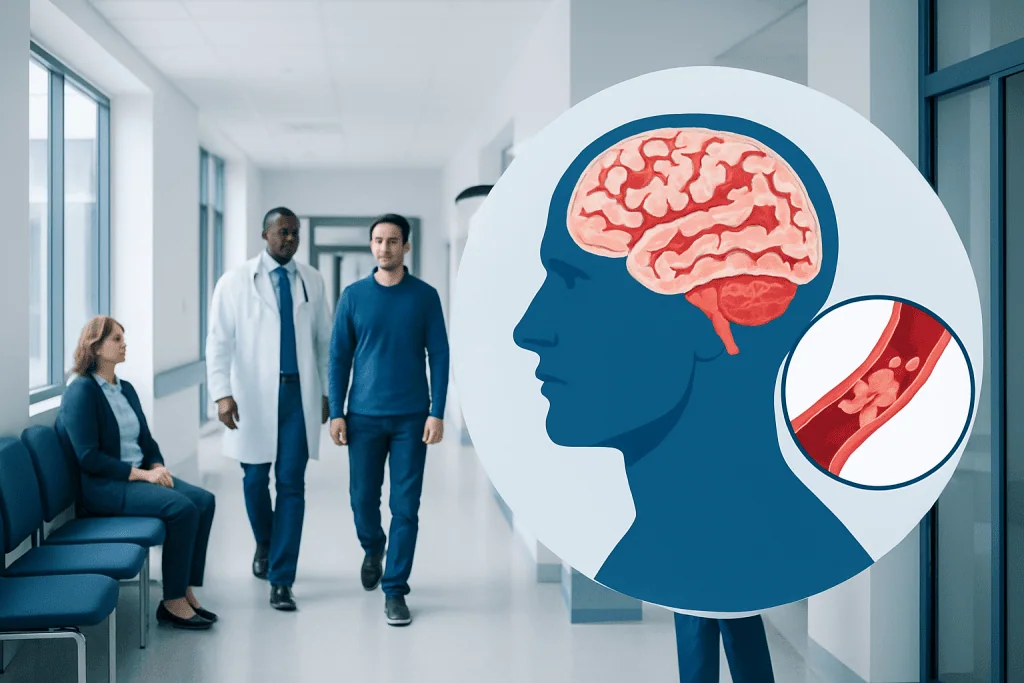
Cerebral amyloid angiopathy affects blood vessels in the brain and becomes more common with age. It may cause no symptoms at first, but can lead to small or larger brain bleeds, headaches, seizures, or stroke-like episodes.
Key Takeaways
- Cerebral amyloid angiopathy affects blood vessels in the brain and becomes more common with age.
- It may cause no symptoms at first, but can lead to small or larger brain bleeds, headaches, seizures, or stroke-like episodes.
- Diagnosis usually relies on brain imaging, especially MRI, along with a careful medical history and neurological evaluation.
- Treatment focuses on preventing bleeding, managing symptoms, and reviewing medicines that may increase bleeding risk.
- Anyone with sudden weakness, trouble speaking, severe headache, confusion, or seizure needs urgent medical attention.
Cerebral amyloid angiopathy is a condition in which amyloid protein builds up in the walls of small and medium-sized blood vessels in the brain. This can make the vessels fragile and increase the risk of brain bleeding, temporary neurological symptoms, and sometimes problems with memory or thinking.
Overview of cerebral amyloid angiopathy
Cerebral amyloid angiopathy, often shortened to CAA, is a disorder in which a protein called amyloid builds up in the walls of blood vessels in the brain. Over time, this buildup can weaken the vessels and make them more likely to leak or bleed. The condition is different from atherosclerosis, which affects larger arteries with fatty plaque, and it is also distinct from although sometimes related to amyloid changes seen in Alzheimer’s disease.
Many people with cerebral amyloid angiopathy are older adults, and some do not know they have it until brain imaging is done for another reason. In others, the first sign may be a small bleed seen on MRI or a more noticeable event such as a lobar intracerebral hemorrhage, which is bleeding into the outer parts of the brain. Because symptoms vary widely, evaluation by a neurologist is important.
CAA can range from mild imaging changes with no clear symptoms to repeated bleeding events that affect mobility, speech, thinking, or independence. Patient care usually focuses on confirming the diagnosis, understanding the risk of future bleeding, reducing avoidable triggers, and treating any complications in a careful, individualized way.
Symptoms and possible warning signs

The symptoms of cerebral amyloid angiopathy depend on whether there has been bleeding, how large it is, and which part of the brain is affected. Some people have no symptoms at all and are diagnosed only after MRI shows tiny old bleeds called cerebral microbleeds or other changes that suggest fragile blood vessels.
When symptoms do occur, they may include sudden weakness on one side, numbness, trouble speaking, vision changes, poor balance, severe headache, confusion, or drowsiness. Some people experience brief episodes of tingling, spreading numbness, or visual symptoms that come and go; these are sometimes called transient focal neurological episodes. Seizures can also occur, especially if bleeding irritates the brain tissue.
CAA may also be linked with gradual changes in thinking, memory, planning, or walking, particularly when there have been repeated small bleeds or widespread damage to small vessels. These symptoms can overlap with other brain conditions, including stroke and age-related cognitive disorders, so medical assessment is needed to understand the cause.
- Sudden weakness or facial drooping
- Trouble speaking or understanding speech
- New severe headache
- Seizure or loss of consciousness
- Brief repeated sensory or visual episodes
- Progressive memory or thinking difficulties
Causes and risk factors

The exact cause of cerebral amyloid angiopathy is not fully understood, but it involves the deposition of amyloid protein, especially amyloid beta, in the walls of brain blood vessels. This process makes vessels less elastic and more fragile. In some people, the vessel wall can crack or leak slowly, while in others a larger hemorrhage develops.
Age is the strongest known risk factor. CAA is much more common in older adults, and it is uncommon in younger people unless there is a rare inherited form. A history of previous lobar brain hemorrhage also raises concern for CAA-related bleeding. Certain genetic factors may influence risk, but genetic testing is not routinely needed for every patient.
Other factors can increase the chance of bleeding or complicate management. These include high blood pressure, use of blood thinners or antiplatelet medicines when they are not clearly necessary, and a history of falls or head injury. Doctors also consider whether symptoms could be due to another small vessel disorder rather than CAA, because treatment decisions may differ.
How doctors diagnose it
Diagnosis of cerebral amyloid angiopathy usually begins with a detailed medical history and neurological examination. The doctor asks about sudden neurological symptoms, prior bleeding, headaches, seizures, memory changes, medications, and family history. Because the condition can mimic other causes of stroke or cognitive decline, diagnosis depends on putting the whole picture together rather than relying on one symptom alone.
Brain imaging is central to diagnosis. MRI is especially helpful because it can show microbleeds, superficial siderosis, and small areas of prior bleeding that suggest CAA. CT scans are often used urgently when a larger brain hemorrhage is suspected because they can quickly detect active bleeding. In some cases, advanced imaging or a specialist review by neuroradiology experts helps clarify the pattern of injury.
Doctors commonly use established imaging-based criteria to determine whether CAA is possible or probable. A brain biopsy is rarely needed and is usually reserved for unusual cases where other conditions, such as inflammation, infection, or tumor, must be ruled out. If seizures, weakness, or persistent deficits are present, a broader neurological workup may be done to guide treatment and recovery planning.
Treatment options and ongoing care
There is no single cure that removes amyloid from brain vessel walls in routine clinical practice, so treatment focuses on reducing the risk of future bleeding and managing symptoms. Care is individualized and may involve neurologists, stroke specialists, neuroradiologists, rehabilitation professionals, and sometimes neurosurgeons. If a person has had a brain hemorrhage, the immediate priority is stabilizing the patient and monitoring for complications.
Medicines are reviewed carefully. Doctors often reassess the need for anticoagulants and antiplatelet drugs because these can increase bleeding risk in some patients with CAA. However, decisions are never one-size-fits-all; some people have heart rhythm disorders or other conditions where stopping such medicine also carries risk. Blood pressure control is usually an important part of long-term management, even when hypertension has not been severe.
Symptom treatment may include anti-seizure medication for seizures, pain management for headache when appropriate, and therapies to support recovery after a bleed. If weakness, speech trouble, or balance problems are present, rehabilitation can be very helpful, including physical therapy and rehabilitation. In selected situations, patients may be managed by teams experienced in stroke treatment and brain hemorrhage care.
Near the end of the care pathway, some patients and families also benefit from counseling about fall prevention, driving, work, and future monitoring. Acibadem International’s multidisciplinary specialists in JCI-accredited hospitals evaluate and treat neurological conditions such as cerebral amyloid angiopathy for international patients when specialized assessment is needed.
Prevention and self-care
Because cerebral amyloid angiopathy is related mainly to age and vessel protein buildup, it cannot always be prevented. Still, practical steps can help lower the risk of complications. The most important is working with a doctor to control blood pressure and review all medicines, including over-the-counter pain relievers and supplements that may affect bleeding.
People who have been diagnosed with CAA should ask before starting aspirin, blood thinners, or herbal products with anticoagulant effects. They should also discuss alcohol use, fall risk, and whether any activities need to be modified after a recent bleed. Good sleep, regular physical activity suited to ability, and management of diabetes or vascular risk factors may support overall brain health.
Self-care also includes keeping follow-up appointments and telling loved ones about urgent warning signs. If memory or judgment is changing, family members can help with medication safety and monitoring. It may be useful to keep a list of symptoms, prior scans, and medicines to share with every healthcare professional involved in care.
When to seek medical care
Medical care should be sought urgently for any sudden neurological symptom. This includes new weakness, facial drooping, difficulty speaking, sudden vision loss, severe headache, seizure, fainting, confusion, or a sudden change in walking or balance. These symptoms can signal a brain bleed or another emergency and should not be watched at home.
A non-urgent doctor’s appointment is appropriate for repeated brief sensory or visual spells, new headaches, unexplained memory decline, or MRI findings that mention microbleeds or superficial siderosis. Even when symptoms are mild, expert assessment matters because the diagnosis may affect future decisions about blood thinners, surgery, and stroke prevention.
People who already have CAA should seek prompt advice after any head injury, even if it seems minor, especially if they take medication that increases bleeding risk. Ongoing follow-up with neurology specialists can help guide monitoring, symptom control, and personalized risk reduction.
Frequently asked questions
Is cerebral amyloid angiopathy the same as Alzheimer’s disease?
No. Cerebral amyloid angiopathy affects the blood vessels in the brain, while Alzheimer’s disease primarily affects brain cells involved in memory and thinking. The two conditions can occur together because both may involve amyloid beta, but one does not automatically mean the other is present.
Can cerebral amyloid angiopathy cause a stroke?
Yes. CAA can cause bleeding in the brain, which is a type of stroke called hemorrhagic stroke. It may also cause small bleeds or temporary neurological episodes that resemble other stroke-related symptoms.
How serious is cerebral amyloid angiopathy?
The severity varies widely. Some people have only imaging changes and no symptoms, while others experience repeated bleeds, seizures, or cognitive problems. A doctor can help estimate individual risk based on age, symptoms, scan findings, and other medical conditions.
Can cerebral amyloid angiopathy be cured?
There is no routine cure that reverses the amyloid buildup in blood vessel walls. Treatment focuses on lowering bleeding risk, treating symptoms, and supporting recovery. Careful follow-up can help reduce complications and guide safer long-term decisions.
Is MRI necessary to diagnose CAA?
MRI is often the most useful test because it can show tiny old bleeds and other changes that strongly suggest CAA. CT is important in emergencies because it quickly detects larger acute bleeding. The exact imaging plan depends on the person’s symptoms and medical history.
Should people with cerebral amyloid angiopathy avoid blood thinners?
Not everyone needs to avoid them, but these medicines require careful review. In some people with CAA, blood thinners or antiplatelet drugs may increase the risk of brain bleeding. The decision depends on why the medicine is being used and whether its benefits outweigh the risks.
References
- National Institute of Neurological Disorders and Stroke
- American Heart Association
- National Institute on Aging
- Mayo Clinic
- Radiological Society of North America
This article is for general information only and is not a substitute for professional medical advice. Please consult a qualified doctor about your individual situation.
Explore treatments in Turkey — costs, top hospitals & a free quote
JCI-accredited · board-certified surgeons · reply within 24h
Add us as a Preferred Source to see more of our trusted health content across Google Search, AI Overviews and Discover.
Check your numbers in seconds
BMI, calories, due date, blood pressure and 30+ more clinical calculators — free, instant, doctor-reviewed ranges.