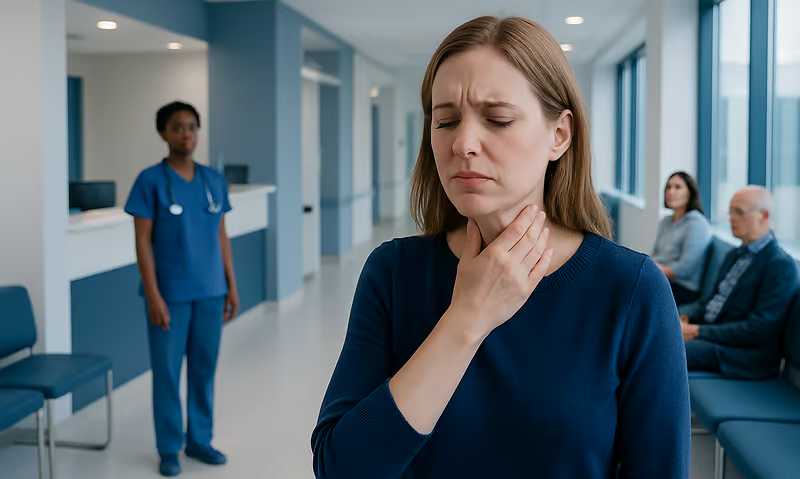
Pain under left breast: Symptoms, Causes, and Treatment — Complete Patient Guide

Pain under the left boob is a symptom, not a diagnosis, and the cause may be musculoskeletal, digestive, lung-related, breast-related, or cardiac. Muscle strain, rib cartilage irritation, gas, reflux, and anxiety can all cause discomfort in this area.
Key Takeaways
- Pain under the left boob is a symptom, not a diagnosis, and the cause may be musculoskeletal, digestive, lung-related, breast-related, or cardiac.
- Muscle strain, rib cartilage irritation, gas, reflux, and anxiety can all cause discomfort in this area.
- Heart-related pain is not always felt in the center of the chest and may sometimes be experienced under the left breast.
- Red-flag symptoms include shortness of breath, fainting, severe pressure, pain spreading to the arm or jaw, fever, or coughing blood.
- Evaluation may involve a physical exam, ECG, blood tests, and imaging depending on the symptoms and risk factors.
Pain under the left boob can come from several structures in that area, including muscles, ribs, nerves, the stomach, lungs, or the heart. Many causes are not dangerous, but new, severe, or persistent pain should be assessed by a qualified doctor, especially if it comes with shortness of breath, sweating, or dizziness.
Overview: what pain under the left boob can mean
Pain under the left boob can be caused by problems in the chest wall, breast tissue, heart, lungs, stomach, or nearby nerves. In many people, the reason is relatively minor, such as muscle strain, poor posture, indigestion, or inflammation of the rib cartilage. However, because important organs also lie on the left side of the chest and upper abdomen, this symptom should not be ignored when it is strong, unexplained, or accompanied by other concerning signs.
The exact sensation varies. Some people describe a sharp stab, while others feel pressure, burning, aching, tightness, or soreness that worsens with movement or breathing. Understanding the pattern of pain, its timing, and what makes it better or worse can help guide the next steps, but symptom pattern alone cannot always determine the cause with certainty.
This area contains overlapping structures. The lower left breast sits over the ribs and chest muscles, near the heart and left lung, and above parts of the stomach and upper digestive tract. That is why pain here may come from something as simple as a strained intercostal muscle or something more urgent such as heart disease. A careful medical assessment is the safest way to identify the cause when symptoms are persistent, severe, or unusual.
How the pain may feel and related symptoms
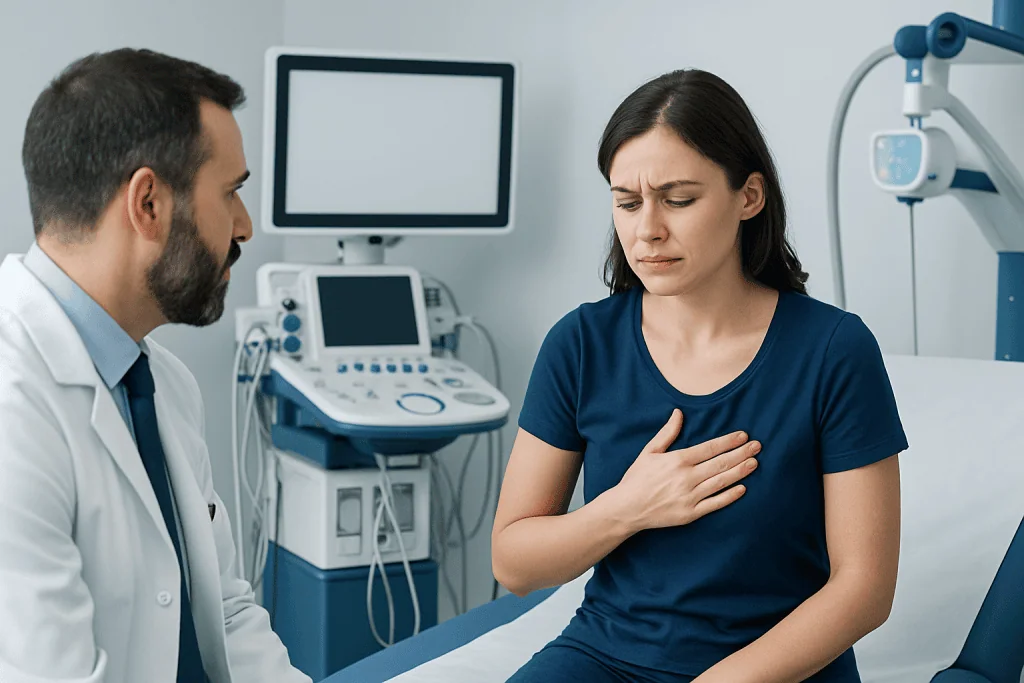
The description of the pain can offer clues. Muscular or rib-related pain is often tender to touch and may get worse with twisting, lifting, coughing, or taking a deep breath. Digestive pain may feel like burning, bloating, fullness, or cramping, especially after eating. Heart-related discomfort may feel like pressure, squeezing, heaviness, or tightness rather than a clearly localized sharp pain.
Associated symptoms are especially important. Depending on the cause, pain under the left boob may occur with one or more of the following:
- Shortness of breath
- Palpitations or a racing heartbeat
- Nausea or vomiting
- Belching, acid reflux, or abdominal bloating
- Fever or cough
- Skin sensitivity or a rash
- Breast swelling, tenderness, or a lump
- Anxiety, trembling, or a sense of panic
Timing also matters. Sudden severe pain needs more urgent evaluation than pain that appears only with certain movements. Cyclical tenderness related to the menstrual cycle may point toward hormonal breast pain, while discomfort triggered by exercise or emotional stress may raise concern for the heart. Any pain that recurs frequently or interferes with normal activities deserves medical attention.
Common causes: chest wall, breast, digestion, lungs, and heart

One of the most common explanations for pain under the left boob is musculoskeletal discomfort. This includes muscle strain after lifting, exercise, or repetitive movements, as well as inflammation where the ribs meet the breastbone, called costochondritis. These causes often lead to localized pain that can be reproduced by pressing on the area or by moving the torso, shoulder, or arm.
Breast-related causes are also possible. Hormonal changes can cause breast tenderness, especially before a period. Ill-fitting bras, breast cysts, inflammation, or trauma to the breast can all cause discomfort. In some cases, doctors may evaluate persistent symptoms with a breast exam and appropriate imaging. If there are other breast changes, a specialist may also consider conditions discussed on the breast cancer page, although pain alone is not a typical sign of cancer.
Digestive causes often produce pain just below the left breast. Acid reflux, gastritis, peptic ulcer disease, trapped gas, and hiatal hernia may all create burning or pressure in the upper abdomen or lower chest. Pancreatic or splenic problems are less common but can also refer pain to this area. Some patients with unexplained discomfort may need evaluation by a digestive specialist, and in selected cases gastroenterology care can help clarify the cause.
Lung and heart conditions are important to consider because they can be more serious. Pleurisy, pneumonia, or a pulmonary embolism may cause pain that worsens with breathing. Cardiac causes include reduced blood flow to the heart muscle, inflammation around the heart, or other forms of heart disease. Although many people think heart pain is always central, it can sometimes be felt on the left side under the breast, especially in women.
Risk factors and what can make it worse
Risk factors depend on the underlying cause. Recent exercise, heavy lifting, prolonged coughing, and poor posture increase the likelihood of chest wall strain. Large breast size, inadequate support during activity, and previous chest injury can also contribute to discomfort in this region.
Digestive pain may be more likely after large meals, spicy or acidic foods, alcohol, smoking, or lying down soon after eating. Stress can also worsen symptoms by increasing muscle tension, triggering reflux, or making pain feel more intense. Anxiety and panic attacks do not cause heart disease, but they can create chest tightness and make a person more aware of normal body sensations.
Heart and lung causes become more concerning when certain risk factors are present. These include older age, smoking, high blood pressure, high cholesterol, diabetes, obesity, a strong family history of heart disease, immobility, recent surgery, or a history of blood clots. Pregnancy and use of estrogen-containing medications may also raise the risk of some clotting problems. A doctor will consider the whole picture, not only the location of the pain.
How doctors diagnose pain under the left boob
Diagnosis begins with a detailed history and physical examination. A doctor will ask when the pain started, how it feels, whether it spreads anywhere, and what triggers or relieves it. They may also ask about recent exercise, menstrual history, digestive symptoms, cough, fever, stress, medications, and personal or family history of heart or lung disease.
The examination may include checking blood pressure, heart rate, oxygen level, chest tenderness, breathing sounds, abdomen, and breast tissue when appropriate. If the pain can be reproduced with touch or movement, a chest wall cause becomes more likely, but doctors still look for signs that suggest a more urgent problem.
Tests are chosen according to the symptoms and risk profile. They may include an electrocardiogram, blood tests, chest X-ray, ultrasound, or CT scan. If breast symptoms are present, doctors may recommend mammography or breast ultrasound. When heart causes are a concern, further cardiology evaluation may be needed. The goal is to rule out emergencies first and then identify the most likely source of pain accurately.
Treatment options depend on the cause
Because pain under the left boob can come from many different conditions, treatment is based on the diagnosis. Musculoskeletal pain often improves with rest, avoiding strain, heat or ice, posture correction, and doctor-approved pain relief. If costochondritis is present, symptoms may settle gradually over days to weeks, although persistent cases sometimes need more targeted management.
Digestive causes are treated differently. Reflux or gastritis may improve with dietary adjustments, smaller meals, avoiding lying down after eating, and medications prescribed or recommended by a doctor. If a stomach ulcer, gallbladder problem, or pancreatic condition is suspected, treatment focuses on the underlying disease rather than symptom relief alone.
Lung infections may require antibiotics if bacterial, while pleurisy or other inflammatory conditions are treated according to the cause. Heart-related pain needs urgent evaluation and may require medication, monitoring, or hospital-based care. Self-treating chest pain without knowing the cause is not advisable, especially if the symptoms are new or different from usual.
If breast-related discomfort is linked to hormonal changes, simple supportive measures may help, such as a well-fitting bra, reducing local irritation, and symptom tracking around the menstrual cycle. Persistent breast pain, a new lump, nipple discharge, or skin changes should be assessed promptly by a healthcare professional.
Self-care and practical steps at home
For mild pain that clearly follows a recent strain and improves with rest, practical self-care may be reasonable while arranging non-urgent medical advice if needed. Gentle activity rather than complete bed rest is often helpful for muscle discomfort. Supportive bras, attention to posture, and avoiding heavy lifting or abrupt twisting can reduce irritation of the chest wall.
If symptoms seem related to digestion, keeping a simple symptom diary may help identify triggers such as large meals, caffeine, alcohol, spicy foods, or late-night eating. Eating slowly, staying upright after meals, and maintaining a healthy weight may reduce reflux-related discomfort. People should avoid starting new medications, including over-the-counter anti-inflammatory drugs, without checking whether they are appropriate for them, since some can worsen stomach irritation.
It is also helpful to note exactly where the pain is felt, how long it lasts, and whether it appears with exercise, breathing, meals, or menstrual cycles. This information can make a medical visit more useful. Self-care should never delay urgent care if there are warning signs such as severe chest pressure, fainting, or breathing difficulty.
When to seek medical care
Immediate medical attention is important if pain under the left boob is sudden, severe, or accompanied by shortness of breath, sweating, fainting, confusion, bluish lips, or pain spreading to the arm, back, shoulder, or jaw. The same is true if there is coughing up blood, a very fast or irregular heartbeat, or a sense of crushing chest pressure. These symptoms may point to a heart, lung, or other emergency.
Medical review is also recommended soon if the pain keeps returning, lasts more than a few days, wakes the person from sleep, or is associated with fever, persistent vomiting, a new breast lump, nipple discharge, or unexplained weight loss. Pregnant patients, people with known heart disease, and those with major cardiovascular risk factors should be especially cautious.
For international patients who need coordinated evaluation, Acibadem International’s multidisciplinary specialists in JCI-accredited hospitals diagnose and treat chest, breast, digestive, and heart-related conditions using an individualized approach. The right specialty may vary, but timely assessment can provide reassurance and appropriate treatment.
Frequently asked questions
Is pain under the left boob always related to the heart?
No. Pain under the left boob often comes from muscles, ribs, digestion, breast tissue, or anxiety rather than the heart. Even so, heart-related causes should be considered when the pain is new, severe, or accompanied by symptoms such as shortness of breath, sweating, or pain radiating to the arm or jaw.
Can gas cause pain under the left boob?
Yes. Trapped gas and bloating in the upper digestive tract can create pressure or sharp discomfort under the left breast area. This kind of pain may come with belching, abdominal fullness, or relief after passing gas, but persistent or severe pain still needs medical assessment.
Why does pain under the left boob get worse when moving or breathing?
Pain that worsens with movement, twisting, or deep breathing often suggests a chest wall cause such as muscle strain or rib cartilage irritation. Lung-related causes, including pleurisy, can also hurt more with breathing. Because more than one condition can cause this pattern, a doctor may still need to evaluate it.
Can hormonal changes or periods cause pain under the left boob?
They can. Some people notice breast tenderness or aching in the days before a menstrual period because hormone levels affect breast tissue. If the discomfort is one-sided, persistent, or associated with a lump or skin changes, a breast evaluation is recommended.
How do doctors tell whether the pain is serious?
Doctors consider the full clinical picture, including the type of pain, associated symptoms, age, medical history, and examination findings. They may use tests such as an ECG, blood work, chest imaging, or breast imaging to rule out urgent causes and identify the source more clearly.
Should someone go to the emergency room for pain under the left boob?
Emergency care is appropriate if the pain is severe, sudden, or comes with shortness of breath, fainting, heavy sweating, confusion, or pain spreading to the arm, back, or jaw. If the symptoms are mild but unexplained or recurrent, a prompt outpatient medical visit is still wise.
References
- American Heart Association
- Centers for Disease Control and Prevention
- National Health Service
- Mayo Clinic
- American College of Obstetricians and Gynecologists
This article is for general information only and is not a substitute for professional medical advice. Please consult a qualified doctor about your individual situation.
Persistent digestive symptoms? Get evaluated in Turkey
JCI-accredited · board-certified surgeons · reply within 24h
Add us as a Preferred Source to see more of our trusted health content across Google Search, AI Overviews and Discover.