Blood Pressure 118/58: Is It Normal? What This Reading Means for Your Health

118/58 blood pressure is usually not an emergency and may be normal for some healthy adults. The top number, 118, is normal; the bottom number, 58, is mildly low and should be interpreted with symptoms and medical history in mind.
Key Takeaways
- 118/58 blood pressure is usually not an emergency and may be normal for some healthy adults.
- The top number, 118, is normal; the bottom number, 58, is mildly low and should be interpreted with symptoms and medical history in mind.
- If dizziness, fainting, chest pain, shortness of breath, or weakness occur, medical advice is important.
- Repeated home readings taken correctly are more useful than a single measurement.
- Hydration, medication review, and routine cardiovascular assessment can help explain a low diastolic reading.
A blood pressure reading of 118/58 is often considered acceptable, especially if the person feels well and has no symptoms. The systolic number is in the normal range, while the diastolic number is slightly lower than many people expect, so the meaning depends on age, overall health, medicines, and symptoms.
Overview: What Does 118/58 Blood Pressure Mean?
A reading of 118/58 blood pressure means the systolic pressure is 118 mmHg and the diastolic pressure is 58 mmHg. In simple terms, the top number reflects pressure when the heart pumps, and the bottom number reflects pressure when the heart relaxes between beats. For many adults, a systolic value of 118 is comfortably within the normal range.
The question often comes from the lower diastolic value. A diastolic pressure of 58 is slightly below the commonly cited threshold of 60 mmHg. On its own, this does not always signal illness. Some people naturally run lower blood pressure, especially younger adults, physically active people, and those with smaller body size.
Context matters. If the person feels well, has no dizziness, fainting, unusual fatigue, chest discomfort, or shortness of breath, 118/58 may simply be their normal pattern. If symptoms are present, or if the reading is new after starting blood pressure medicine or becoming ill, a doctor may want to look more closely.
How This Reading Is Classified
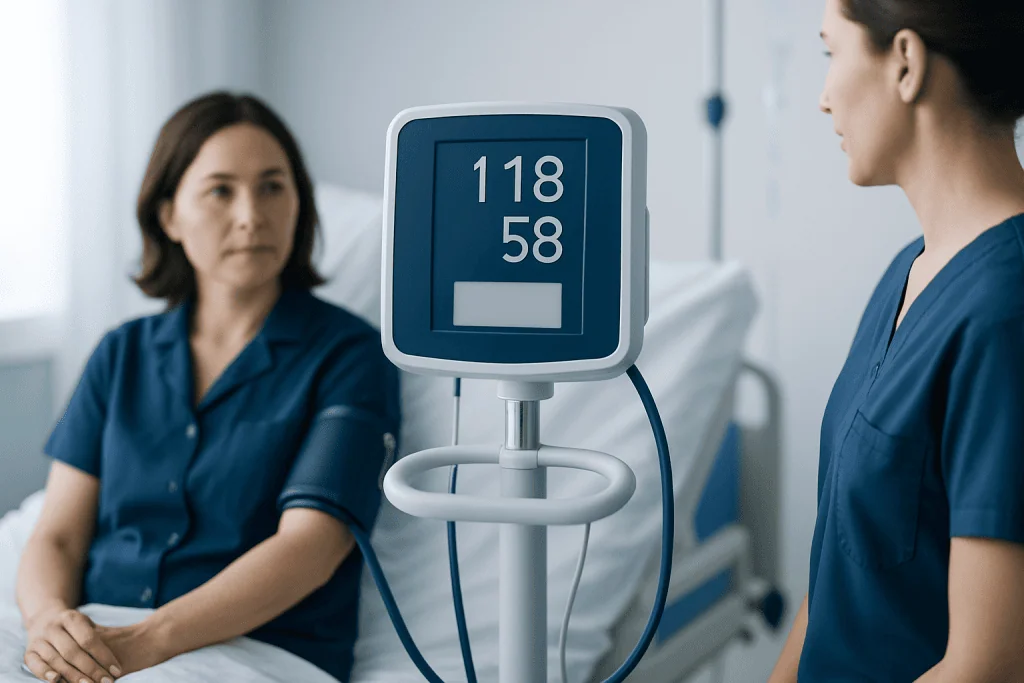
Blood pressure categories are usually based mainly on the systolic and diastolic numbers together. According to widely used American Heart Association categories, a reading is placed in the highest applicable category. In the case of 118/58, the systolic value is normal, and the diastolic value is below 60, which is lower than average but not part of the standard high blood pressure categories.
That means 118/58 is not high blood pressure. It is often described as a normal systolic reading with a low diastolic reading. Doctors may also consider pulse pressure, which is the difference between the two numbers. Here, that difference is 60, and while a wider pulse pressure can be normal in some people, it can also deserve attention in older adults or people with vascular disease.
The table below shows the standard adult office blood pressure categories for high blood pressure screening:
- Normal: less than 120 systolic and less than 80 diastolic
- Elevated: 120 to 129 systolic and less than 80 diastolic
- Hypertension stage 1: 130 to 139 systolic or 80 to 89 diastolic
- Hypertension stage 2: 140 or higher systolic or 90 or higher diastolic
- Hypertensive crisis: higher than 180 systolic and/or higher than 120 diastolic, requiring urgent medical assessment
These categories help identify high blood pressure, but they do not fully explain low blood pressure patterns. If readings are consistently low or symptoms occur, a clinician may assess for blood pressure problems in a broader way, including over-treatment, dehydration, heart rhythm issues, or endocrine causes.
What 118/58 May Mean by Age Group and Health Status

In younger adults and teenagers, 118/58 can be entirely normal, particularly in those who are fit and symptom-free. Athletes often have lower resting blood pressure because the heart pumps efficiently. In this setting, the reading is usually reassuring rather than concerning.
In middle-aged adults, the meaning depends more on overall cardiovascular risk and medication use. A person taking treatment for high blood pressure may have a reading like 118/58 because the medicine is working well, but if they feel lightheaded, the dose may need review. In contrast, if they feel well, many clinicians would simply continue monitoring.
In older adults, a lower diastolic pressure can matter more because the heart muscle receives part of its blood supply during relaxation. Very low diastolic pressure may reduce coronary perfusion in some people, especially those with known heart disease, stiff arteries, or symptoms with exertion. That does not mean 58 is automatically dangerous, but it can deserve a more individualized assessment.
Pregnant people, people with diabetes, kidney disease, or known cardiovascular disease may also need more tailored interpretation. If there is a history of coronary artery disease or symptoms suggesting reduced circulation, clinicians may look beyond a single reading and assess the whole cardiovascular picture.
When a 118/58 Reading Can Be a Concern
A single reading of 118/58 is often harmless, but symptoms change the picture. Medical attention is more important if the reading is accompanied by dizziness, fainting, blurred vision, confusion, unusual weakness, palpitations, chest pain, or shortness of breath. These symptoms may suggest that blood pressure is too low for the body’s needs or that another condition is affecting circulation.
Other reasons for concern include a sudden drop from the person’s usual blood pressure, dehydration from vomiting, diarrhea, fever, or poor fluid intake, and recent changes in medication. Some blood pressure medicines, diuretics, heart medications, antidepressants, and medicines for Parkinson’s disease can contribute to low readings in certain people.
A doctor may also pay closer attention if the low diastolic number is persistent in an older adult, in someone with known heart disease, or in a person who has a wide pulse pressure. If there are signs of poor circulation or concern about the heart’s pumping or valve function, further testing may be needed, sometimes including echocardiography or Holter monitoring when rhythm symptoms are present.
Possible Causes of a Low Diastolic Number
There are many possible explanations for a diastolic pressure around 58. Some are normal variations, while others relate to health conditions or treatment. Common benign causes include a naturally low baseline blood pressure, good physical fitness, warm weather, standing for long periods, or mild dehydration.
Medication effects are also common. People treated for high blood pressure may have systolic values in a healthy range while the diastolic value trends lower than expected. This is one reason doctors review home readings rather than relying on a single office value.
Less commonly, low diastolic pressure may be linked to changes in the blood vessels, endocrine conditions, anemia, infection, blood loss, or heart problems such as valve disease or abnormal rhythms. In older adults, stiff arteries can produce a pattern with a relatively normal or higher systolic value and a lower diastolic value. If symptoms or risk factors are present, clinicians may evaluate for related cardiovascular conditions, including aortic valve disease.
How Doctors Evaluate This Reading
Doctors usually start by confirming whether the reading is accurate and consistent. Blood pressure can vary from minute to minute. A clinician may ask when the reading was taken, whether the person had caffeine or exercise beforehand, and whether symptoms occurred at the same time.
A medical review often includes current medicines, fluid intake, recent illness, falls, and a history of heart, kidney, or endocrine conditions. Physical examination may include checking blood pressure while lying down and standing up to look for orthostatic hypotension, a drop in pressure when changing position.
If needed, tests may be ordered based on the person’s symptoms and risk factors. These may include blood tests, an electrocardiogram, or heart imaging such as a cardiac check-up if there is concern about underlying cardiovascular disease. The goal is not simply to raise a number, but to understand whether the reading is normal for that person or a sign of something that needs treatment.
How to Measure Blood Pressure Accurately at Home
Correct technique is essential because small errors can change the result. Blood pressure should ideally be measured after at least five minutes of quiet rest, with the person seated, back supported, feet flat on the floor, and the arm supported at heart level. Talking, crossing the legs, or checking it immediately after activity can affect the reading.
The cuff should be the right size, placed on bare skin, and used according to the device instructions. It helps to avoid caffeine, nicotine, heavy exercise, and large meals for about 30 minutes beforehand when possible. Taking two readings one minute apart and recording both can improve reliability.
For a meaningful pattern, it is often better to measure at the same times each day for several days rather than reacting to a single result. Home logs can help a doctor decide whether 118/58 is simply normal variation or part of a repeated trend that deserves follow-up.
Lifestyle Guidance and When to Seek Medical Care
If 118/58 occurs without symptoms, no urgent action is usually needed. General self-care includes staying well hydrated, eating regular balanced meals, standing up gradually, and reviewing medications with a doctor if lightheadedness develops. People should not stop prescribed blood pressure medicine on their own, even if one reading seems low.
Healthy habits still matter because blood pressure is only one part of cardiovascular health. Regular physical activity, good sleep, limiting tobacco exposure, moderating alcohol, and maintaining follow-up for cholesterol, diabetes, and heart risk are all important. If symptoms occur during exertion, a clinician may consider further cardiovascular evaluation, including cardiology assessment.
When to seek medical care: a prompt medical review is appropriate if 118/58 is repeated and causes dizziness, fainting, falls, weakness, new confusion, chest pain, shortness of breath, or palpitations. Urgent care is needed if severe symptoms occur, especially collapse, persistent chest pain, or difficulty breathing. For international patients who need evaluation, Acibadem International’s multidisciplinary specialists at JCI-accredited hospitals diagnose and treat cardiovascular conditions with individualized care.
Frequently asked questions
Is 118/58 blood pressure normal?
For many adults, yes. The systolic number of 118 is normal, and the diastolic number of 58 is slightly low but may still be acceptable if the person feels well and has no concerning symptoms.
Is a diastolic blood pressure of 58 too low?
Not always. Some healthy people naturally have diastolic readings below 60, but in older adults, people with heart disease, or those with dizziness or fainting, it may deserve medical review.
What symptoms would make 118/58 concerning?
Symptoms such as dizziness, fainting, blurred vision, unusual weakness, chest pain, shortness of breath, or palpitations are more important than the number alone. If these occur, a doctor should assess the reading in context.
Can blood pressure medicine cause a reading of 118/58?
Yes. Medicines used to treat high blood pressure or heart conditions can lower the diastolic number, sometimes more than expected. A doctor can decide whether the treatment is appropriate or needs adjustment.
Should someone worry about one low reading at home?
Usually not. Blood pressure changes throughout the day, so one reading is less useful than repeated measurements taken correctly under similar conditions.
How can someone get a more accurate blood pressure reading?
They should rest for five minutes, sit with feet flat on the floor, keep the arm at heart level, and use a properly fitting cuff. Avoiding caffeine, nicotine, and exercise shortly beforehand can also improve accuracy.
References
- American Heart Association
- Centers for Disease Control and Prevention
- National Heart, Lung, and Blood Institute
- European Society of Cardiology
- Mayo Clinic
This article is for general information only and is not a substitute for professional medical advice. Please consult a qualified doctor about your individual situation.
Explore treatments in Turkey — costs, top hospitals & a free quote
JCI-accredited · board-certified surgeons · reply within 24h
Add us as a Preferred Source to see more of our trusted health content across Google Search, AI Overviews and Discover.
Check your numbers in seconds
BMI, calories, due date, blood pressure and 30+ more clinical calculators — free, instant, doctor-reviewed ranges.