What helps with period cramps: What Works at Home, What Doesn’t, and When to See a Doctor
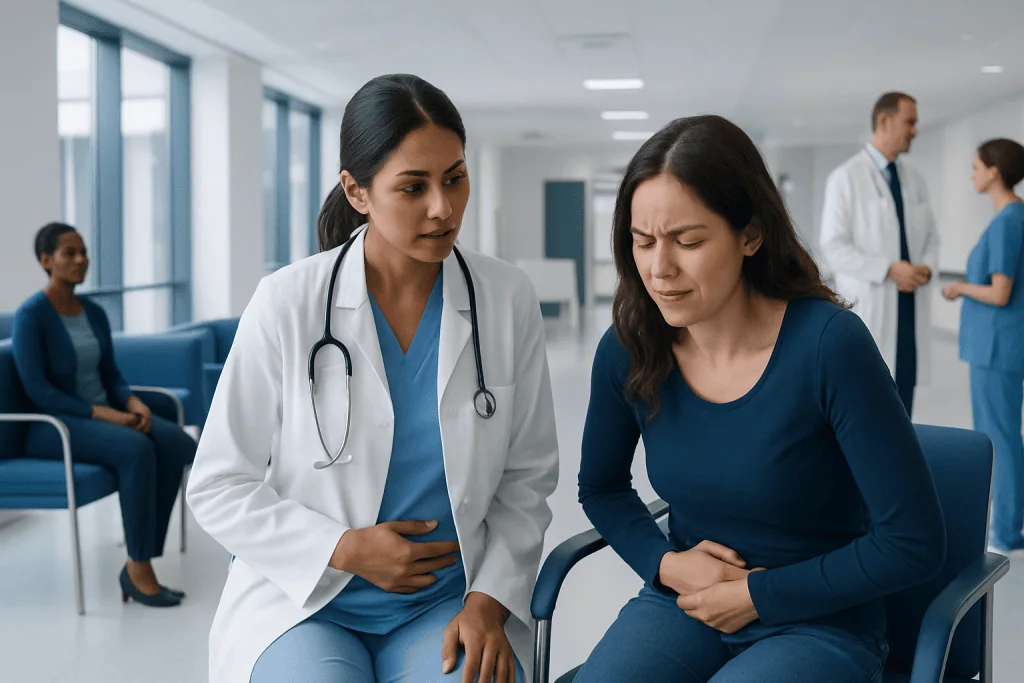
Heat and nonsteroidal anti-inflammatory drugs (NSAIDs) are among the best-supported first-line options for period cramp relief. Gentle exercise, sleep, hydration, and stress reduction may help some people, especially when combined with proven treatments.
Key Takeaways
- Heat and nonsteroidal anti-inflammatory drugs (NSAIDs) are among the best-supported first-line options for period cramp relief.
- Gentle exercise, sleep, hydration, and stress reduction may help some people, especially when combined with proven treatments.
- Supplements, herbal teas, and topical remedies have mixed evidence and should not replace medical evaluation if symptoms are severe.
- Pain that is sudden, worsening, disabling, or associated with heavy bleeding, fever, or pain outside the menstrual period needs medical attention.
- Repeated severe cramps can sometimes be linked to conditions such as endometriosis, adenomyosis, or uterine fibroids.
What helps with period cramps most often is a combination of heat, anti-inflammatory pain relief, gentle movement, and rest started early in the cycle. Some home remedies have reasonable evidence, while others are mostly anecdotal, and severe or new pain may point to an underlying condition that needs medical care.
Overview: what helps with period cramps?
What helps with period cramps most reliably is usually simple, early treatment: a heating pad on the lower abdomen, an over-the-counter anti-inflammatory pain reliever if medically appropriate, gentle activity, and enough rest. These measures work best when started as cramps begin, or even just before bleeding starts if the cycle is predictable.
Period cramps, also called dysmenorrhea, happen when the uterus contracts to shed its lining. These contractions are driven by substances called prostaglandins. Higher prostaglandin activity can mean stronger cramping, nausea, diarrhea, headache, or fatigue during the first day or two of a period.
Not every remedy promoted online has the same level of evidence. Some approaches are well supported by clinical use and research, while others may help certain individuals but remain less proven. A practical plan is to begin with evidence-backed options, add low-risk supportive measures, and seek medical advice if pain is severe, changes suddenly, or disrupts normal life.
What usually works at home
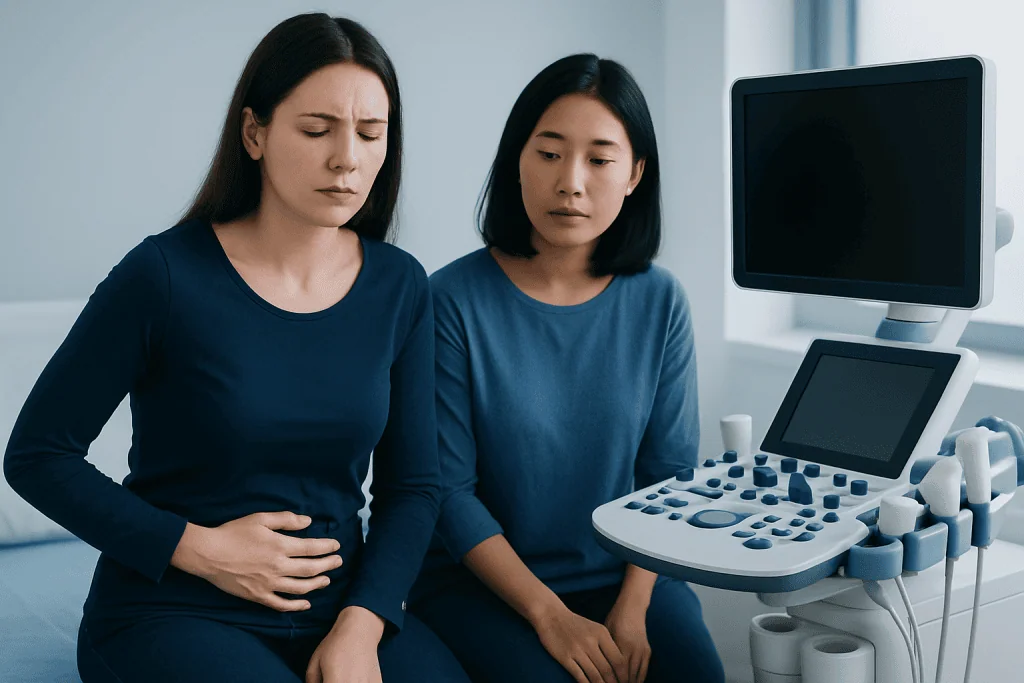
Heat is one of the simplest and most effective home approaches. A heating pad, hot water bottle, or adhesive heat patch placed on the lower abdomen can relax muscles and reduce pain signals. Some people also find warmth on the lower back helpful when cramps radiate there.
Nonsteroidal anti-inflammatory drugs, often called NSAIDs, are commonly used because they reduce prostaglandin production. For many people, this makes them more effective for menstrual cramps than a pain reliever that does not target inflammation. These medicines are not right for everyone, especially those with certain stomach, kidney, bleeding, or heart-related conditions, so a pharmacist or doctor should be asked when unsure.
Gentle movement can also help. A short walk, stretching, light yoga, or easy cycling may improve circulation and reduce the sensation of pain. This does not mean intense exercise is necessary during a painful period; even mild activity may be enough to support comfort.
Supportive self-care matters too. Helpful basics include:
- Staying hydrated, especially if cramps come with diarrhea or nausea
- Getting enough sleep before and during the period
- Eating regular, balanced meals rather than skipping food
- Using relaxation techniques such as slow breathing or a warm bath
What may help, but has mixed or limited evidence
Some people report benefit from dietary supplements, herbal teas, massage oils, or acupressure. The challenge is that study quality varies, product contents are not always standardized, and results are not consistent across different groups. That means these methods may be reasonable as add-ons for some adults, but they should be viewed as supportive rather than primary treatment.
Magnesium, omega-3 fatty acids, ginger, and some herbal preparations are often discussed for menstrual pain. A clinician may consider them in selected cases, but they can interact with medicines or be unsuitable during pregnancy, with bleeding disorders, or in certain digestive conditions. “Natural” does not always mean risk-free.
Massage of the lower abdomen or lower back may ease tension and provide temporary relief, especially when combined with heat. Transcutaneous electrical nerve stimulation, often called TENS, may also help some people by changing the way pain is perceived. These options can be useful when standard home care is not enough, but evidence is generally less consistent than for heat and NSAIDs.
Hydration drinks, detox products, restrictive diets, and viral “hormone-balancing” remedies are not established treatments for period cramps. They may be expensive, unnecessary, or occasionally harmful. If a remedy promises fast relief for everyone, it deserves extra caution.
What usually does not help much, or can be misleading
There is no strong evidence that period cramps improve because the body is “cleansing” or because specific foods need to be eliminated for most people. Severe cramps are not something a person simply has to tolerate, and they should not be dismissed as a normal part of menstruation if they repeatedly interfere with school, work, sleep, or daily activities.
Alcohol may seem relaxing, but it can worsen dehydration, affect sleep quality, and increase the feeling of fatigue. Smoking and nicotine use are also linked with worse menstrual symptoms in some people. Very high caffeine intake may aggravate jitters, tension, or sleep disruption, which can make pain feel harder to cope with, even if caffeine is not the direct cause of cramps.
Another common misconception is that if over-the-counter pain relief does not work once, nothing will help. In reality, timing matters. Starting treatment earlier in the course of symptoms and using the option correctly and safely can make a difference. If pain still breaks through despite appropriate use, that can be a reason to discuss stronger or more targeted treatment with a doctor.
It is also important not to rely on home remedies alone when symptoms suggest a medical problem behind the cramps. Persistent, worsening, or unusual pain can occur with conditions such as endometriosis, uterine fibroids, or adenomyosis, and these may need proper evaluation and treatment.
Why some cramps are more severe: causes and risk factors
Many people have primary dysmenorrhea, which means menstrual pain without another pelvic disease causing it. This type often begins in the teen years or early adulthood and tends to be strongest around the first day of bleeding. It is commonly related to prostaglandin activity and can improve with effective pain control and hormonal regulation.
Secondary dysmenorrhea means there may be an underlying condition. Common causes include endometriosis, adenomyosis, uterine fibroids, pelvic inflammatory disease, or a problem related to the cervix or uterus. Pain that starts years after periods began, gets worse over time, lasts longer than usual, or occurs between periods may raise suspicion for a secondary cause.
Certain patterns can make cramps more likely to be severe, including heavy menstrual bleeding, a family history of painful periods, smoking, and stress. However, risk factors do not explain every case. Someone can have significant cramps even with regular cycles and otherwise good health.
When symptoms point toward an underlying cause, a gynecologic assessment can help guide treatment. Depending on the situation, this may include imaging and discussion of options such as gynecologic evaluation or pelvic ultrasound to look for structural causes of pain.
How doctors evaluate recurring or severe period cramps
Medical evaluation usually starts with a clear history: when the pain begins, how long it lasts, how heavy the bleeding is, whether pain medicines help, and whether there are symptoms such as painful sex, bowel symptoms, dizziness, or bleeding between periods. A doctor will also ask whether the pain is new, changing, or preventing normal daily activity.
A physical examination may be advised depending on age, symptoms, and sexual history. In some cases, imaging such as ultrasound can help identify fibroids, ovarian cysts, or features that suggest adenomyosis. Tests are not always needed for mild, typical primary dysmenorrhea, but they become more relevant when symptoms are severe, persistent, or unusual.
If first-line measures have not helped, a doctor may discuss hormonal options that reduce ovulation or thin the uterine lining, which can lessen cramps and bleeding. For some people, this is an effective next step after home care and standard pain relief. If a condition like endometriosis is suspected, referral to a specialist may be appropriate, and in selected cases endometriosis treatment may be discussed.
Treatment options beyond home remedies
When home treatment is not enough, doctors often consider a stepwise plan based on symptoms, age, medical history, and future fertility plans. This may include trying a different pain-relief strategy, adding hormonal treatment, or investigating for an underlying cause. The goal is not only to reduce pain but also to improve quality of life and rule out conditions that may progress over time.
Hormonal therapies can help many people by reducing menstrual flow and suppressing the hormonal changes that trigger painful uterine contractions. These options are chosen individually because they are not suitable for everyone. A doctor can explain expected benefits, possible side effects, and whether a method is intended mainly for symptom relief, contraception, or both.
If a structural problem is found, treatment may be directed at that cause. For example, fibroids can sometimes contribute to heavy, painful periods and may need targeted care such as uterine fibroid treatment. People with complex symptoms may benefit from coordinated care involving gynecology, imaging, pain management, and sometimes digestive or urinary evaluation if symptoms overlap.
Near the end of the care pathway, it can be reassuring to know that Acibadem International’s multidisciplinary specialists and JCI-accredited hospitals diagnose and treat menstrual pain and related gynecologic conditions for international patients when more detailed evaluation is needed.
When to seek medical care
Seek urgent medical care if period pain is accompanied by fainting, chest pain, severe weakness, very heavy bleeding soaking through pads or tampons rapidly, fever, vomiting that prevents keeping fluids down, new severe pelvic pain, or possible pregnancy. Sudden intense pain, especially on one side, should be assessed promptly because it may have causes other than usual menstrual cramps.
A non-urgent medical appointment is also important if cramps are getting worse month by month, are not relieved by standard self-care, start well before bleeding and continue after the period ends, or interfere with school, work, exercise, or sleep. Pain during sex, bowel movements, or urination during the period can also signal an underlying condition.
People should not feel they need to “push through” disabling menstrual pain. Care is especially worth seeking when symptoms have changed from a person’s usual pattern or when there is concern about an ovarian cyst or another pelvic condition. Early evaluation can help identify a treatable cause and reduce long-term disruption.
Frequently asked questions
What helps with period cramps fastest?
For many people, the quickest relief comes from applying heat to the lower abdomen and using an anti-inflammatory pain reliever if it is safe for them to take. Resting in a comfortable position and doing gentle stretching can also help. Fastest relief varies by person, but early treatment usually works better than waiting until pain becomes severe.
Is a heating pad really effective for menstrual cramps?
Yes, heat is one of the most commonly recommended non-drug options for menstrual cramps. It can relax muscles and reduce the intensity of pain. Many people find it especially useful when combined with other proven measures.
Why do period cramps happen?
Period cramps are usually caused by uterine contractions triggered by prostaglandins, which help the body shed the uterine lining. Higher prostaglandin levels can lead to stronger pain, as well as nausea, diarrhea, or headache. In some cases, cramps are related to another condition such as endometriosis or fibroids.
Are severe period cramps normal?
Mild to moderate cramping is common, but severe pain that repeatedly disrupts daily life should not simply be considered normal. If cramps keep someone from functioning, do not improve with standard treatment, or are getting worse, medical evaluation is appropriate. This helps rule out treatable underlying causes.
Can exercise make period cramps better?
Gentle exercise can help some people by improving circulation and supporting natural pain regulation. A short walk, stretching, or yoga may be enough, and intense exercise is not required. If movement makes pain clearly worse, it is reasonable to rest and discuss symptoms with a doctor if that pattern continues.
When should someone see a doctor for period cramps?
A doctor should be contacted if cramps are severe, new, worsening, or not helped by usual home care. Medical advice is also important if there is heavy bleeding, fever, fainting, pain between periods, pain during sex, or symptoms that suggest pregnancy. These features can point to causes beyond routine menstrual cramps.
References
- American College of Obstetricians and Gynecologists
- National Institute for Health and Care Excellence
- Office on Women's Health
- World Health Organization
- Mayo Clinic
This article is for general information only and is not a substitute for professional medical advice. Please consult a qualified doctor about your individual situation.
Explore treatments in Turkey — costs, top hospitals & a free quote
JCI-accredited · board-certified surgeons · reply within 24h
Add us as a Preferred Source to see more of our trusted health content across Google Search, AI Overviews and Discover.