Foods to avoid with broken bones: An Evidence-Based Guide From Clinical Nutrition
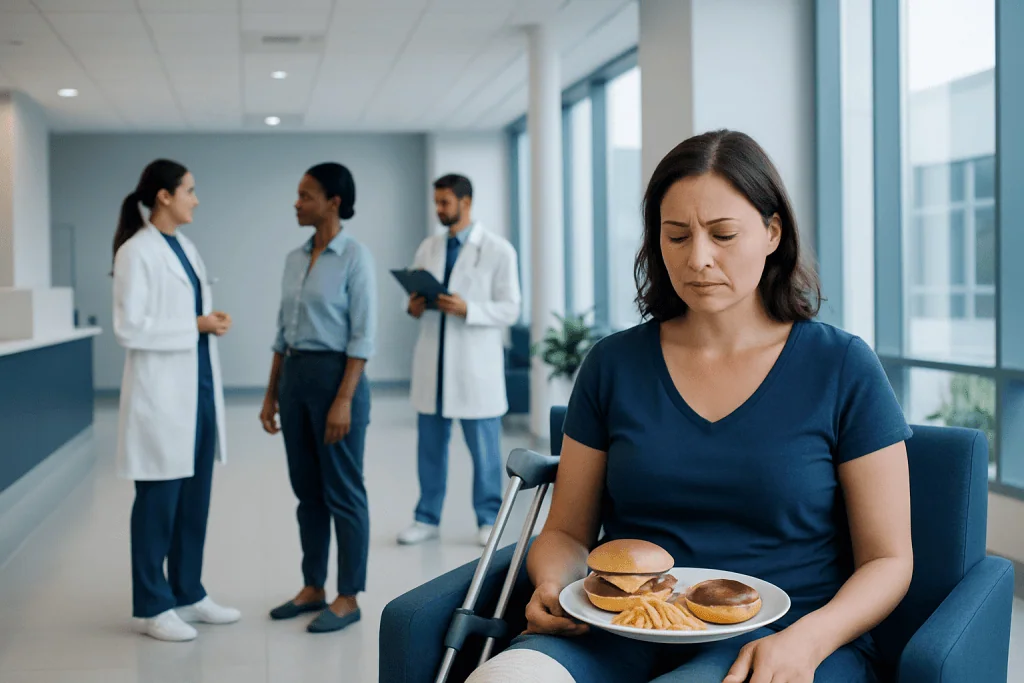
No single food causes a fracture to heal poorly, but dietary patterns can influence recovery. Alcohol, excess sodium, ultra-processed foods, and sugary drinks are commonly limited during bone healing.
Key Takeaways
- No single food causes a fracture to heal poorly, but dietary patterns can influence recovery.
- Alcohol, excess sodium, ultra-processed foods, and sugary drinks are commonly limited during bone healing.
- Adequate protein, calcium, vitamin D, and overall calorie intake are just as important as avoiding certain foods.
- People with fractures should not smoke and should discuss supplements or special diets with a clinician.
- Medical care is still essential because nutrition supports healing but does not set or stabilize a broken bone.
Foods to avoid with broken bones are mainly those that can work against healing, such as heavy alcohol use, highly processed salty foods, and sugary soft drinks. A fracture usually heals best when nutrition supports bone repair, inflammation control, and overall recovery rather than replacing medical treatment.
Overview: which foods are best limited during bone healing?
When someone has a fracture, the main foods to avoid with broken bones are those that may interfere with the body’s repair process or make it harder to meet nutrient needs. In practical terms, this usually means limiting alcohol, heavily processed salty foods, sugary drinks, and a diet built mostly around low-nutrient convenience foods.
Bone healing is an active biological process. The body needs enough energy, protein, vitamins, and minerals to reduce inflammation, build collagen, and lay down new bone tissue. If the diet is poor in quality, recovery may be less well supported, especially in older adults, people with low appetite, or those with underlying health conditions.
It is also important to keep this advice in perspective. A single meal or occasional treat does not usually determine healing. What matters more is the overall pattern over days and weeks while the fracture is recovering, along with proper orthopedic care, rest, and rehabilitation when advised.
How nutrition affects bone repair
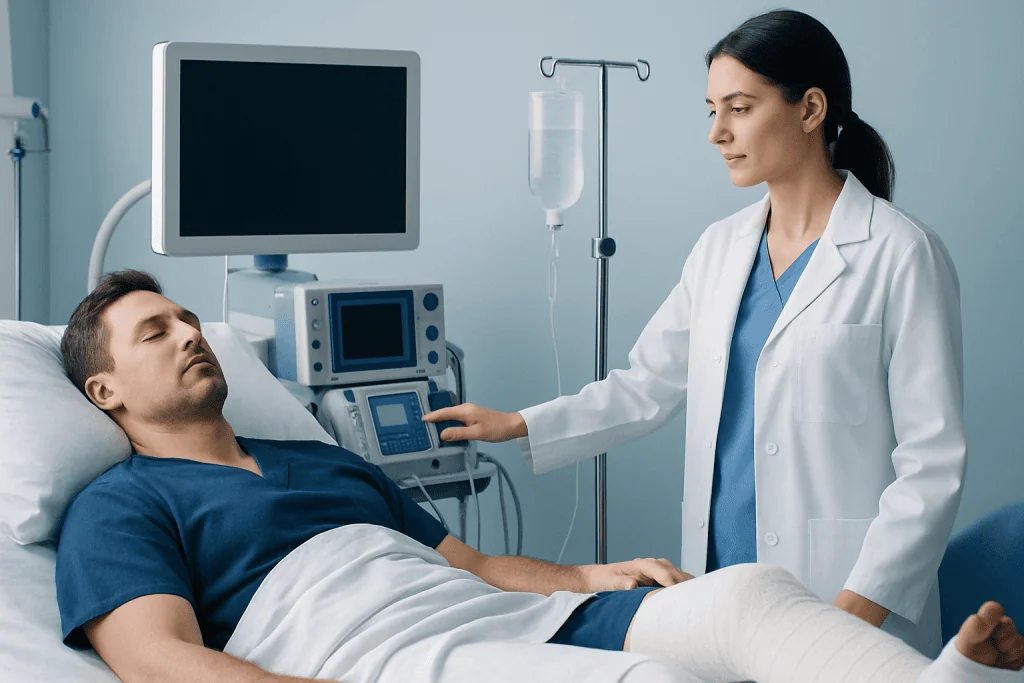
After a bone breaks, healing generally moves through several stages. First, the body forms a blood clot and begins an inflammatory response. Next, it builds a soft callus made partly of collagen, then replaces that with harder mineralized bone, and finally remodels the bone over time. Each stage depends on adequate nutrition.
Protein is needed to build collagen and support tissue repair. Calcium and vitamin D help with mineralization, while nutrients such as vitamin C, magnesium, zinc, and phosphorus also play supporting roles. If a person eats too little overall, the body may have fewer resources available for recovery.
This is why fracture nutrition is not only about what to avoid. It is equally about what to include consistently. A balanced eating pattern that contains protein-rich foods, dairy or fortified alternatives, vegetables, fruits, whole grains, legumes, nuts, and healthy fats can complement the medical management of a fracture. For injuries needing specialist care, a clinician may also evaluate for conditions such as bone fracture complications or related osteoporosis.
Foods and drinks often limited with broken bones
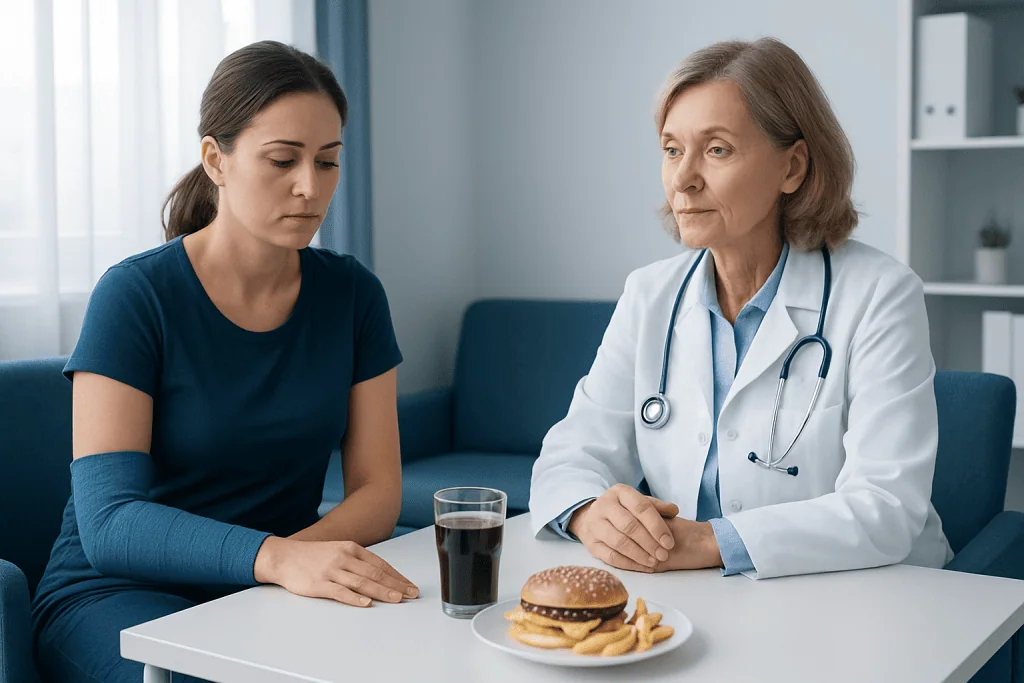
Alcohol is one of the most commonly discussed items to limit during fracture healing. Heavy alcohol use may impair bone formation, increase inflammation, raise the risk of falls, and make it harder to follow treatment instructions. For many patients, avoiding alcohol completely during the early recovery period is a sensible choice unless a doctor advises otherwise.
Highly processed foods that are very high in sodium may also be worth cutting back on. This includes some packaged snacks, fast food items, processed meats, and instant meals. Excess sodium does not directly break down bone overnight, but a very salty diet can work against a balanced eating pattern and may contribute to greater calcium loss in urine in some people.
Sugary soft drinks and similar beverages are often best reduced as well, especially if they replace milk, fortified alternatives, or other more nutritious choices. These drinks can add a lot of calories with little nutritional value and may crowd out nutrients needed for healing. Ultra-processed sweets, pastries, and snack foods can have a similar effect when they dominate the diet.
A useful way to think about this is not that these foods are forbidden, but that they should not displace more nourishing options. If appetite is low after injury or surgery, prioritizing nutrient-dense meals becomes even more important.
Foods that may matter in certain situations
Caffeine is often mentioned in discussions about bone health, but the evidence is more nuanced than many headlines suggest. Moderate caffeine intake, such as a reasonable amount of coffee or tea, is not usually a major problem for most adults if calcium intake is adequate. However, very high caffeine intake may be worth discussing with a clinician, particularly in people with low body weight, poor nutrition, or known bone loss.
Very restrictive diets can also be a concern. Diets that severely limit calories, carbohydrates, dairy or fortified alternatives, or multiple food groups may make it difficult to get enough protein, calcium, vitamin D, and total energy. During fracture recovery, intentional under-eating for weight loss may delay the body’s ability to repair tissue.
Some people ask about foods described online as ‘inflammatory,’ such as fried foods or heavily refined carbohydrates. While no single food determines inflammation on its own, a pattern centered on fried and ultra-processed foods is generally less helpful than one based on minimally processed ingredients. The key issue is the overall diet quality rather than one specific ingredient.
Patients recovering from surgery after a fracture may also receive individualized advice depending on appetite, nausea, diabetes, kidney disease, or other conditions. If surgery is part of care, nutrition support may be discussed alongside treatments such as orthopedic surgery or a tailored rehabilitation program.
What to eat instead: a practical clinical nutrition approach
Replacing less helpful foods is often more effective than simply trying to avoid them. Meals that support healing usually include a good protein source, a source of calcium, colorful produce, and enough total calories. Examples include yogurt with fruit and nuts, eggs with whole-grain toast, beans or lentils with vegetables, fish with potatoes and salad, or chicken with rice and cooked vegetables.
Protein deserves special attention because needs may be higher during healing. Spreading protein across the day can help, especially if appetite is reduced. Dairy foods, fortified plant drinks, eggs, fish, poultry, lean meats, soy foods, beans, and lentils can all contribute.
Calcium and vitamin D are also central to bone repair. Milk, yogurt, cheese, calcium-fortified alternatives, canned fish with bones, and some leafy greens can help with calcium intake. Vitamin D may come from sunlight exposure, fortified foods, and supplements when recommended by a clinician. Some patients with low bone density may need broader evaluation and management, including osteoporosis treatment.
Hydration matters too. Water, milk, fortified drinks, and soups can be useful, especially after surgery or if pain medicines cause constipation. If intake is poor, a doctor or dietitian may suggest strategies to increase calories and protein safely without relying on highly processed snack foods.
Common myths about foods to avoid with broken bones
One common myth is that sugar directly ‘stops’ a bone from healing. In reality, bone repair is more complex. The concern is not usually a small amount of sugar itself, but a diet in which sugary foods and drinks replace protein, vitamins, and minerals needed for recovery.
Another myth is that all caffeine must be eliminated. For most people, moderate intake does not require complete avoidance. The more important questions are whether the person is eating enough overall, getting enough calcium and vitamin D, and avoiding excess alcohol and smoking.
It is also sometimes claimed that supplements alone can fix poor healing. Supplements may be appropriate in certain cases, such as low vitamin D or low calcium intake, but they are not a substitute for fracture care, immobilization if needed, or treatment of the underlying injury. A balanced diet and proper medical follow-up remain the foundation.
Finally, no special ‘bone healing superfood’ has been proven to replace standard treatment. Good nutrition supports the body’s natural repair, but the bone still needs correct diagnosis, stabilization, and monitoring.
Prevention and self-care during recovery
Self-care with a broken bone usually includes following the treatment plan, resting the injured area as advised, and keeping follow-up appointments. Nutrition fits into this broader picture by helping the body meet the demands of healing. Eating regular meals, planning protein-rich snacks, and keeping easy healthy options available can be helpful if mobility is limited.
Smoking cessation is especially important. Smoking is strongly associated with poorer bone healing and delayed union in some patients. If someone smokes, getting support to stop may be one of the most meaningful lifestyle changes during recovery.
People should also be cautious about self-prescribing large doses of supplements. More is not always better, and excessive intake of certain nutrients can be harmful or interact with medications. A doctor or registered dietitian can help decide whether supplements are needed based on the diet, medical history, and lab results.
Near the end of recovery, some patients may benefit from specialist review to address strength, mobility, or bone health risks. Acibadem International’s multidisciplinary specialists and JCI-accredited hospitals diagnose and treat fractures and related bone health conditions for international patients.
When to seek medical care
A suspected broken bone always deserves medical assessment, especially if there is severe pain, swelling, deformity, inability to bear weight, numbness, skin color changes, or an open wound. Prompt evaluation helps confirm the injury and guide treatment such as imaging, immobilization, or referral for fracture treatment.
People should also contact a doctor during recovery if pain is getting worse instead of better, the cast or splint feels too tight, fever develops, the fingers or toes become cold or blue, or the injured area is not healing as expected. Persistent poor appetite, unintentional weight loss, or concerns about weak bones may also warrant review.
Nutrition can support healing, but it cannot correct a displaced fracture, infection, or circulation problem. Medical care should not be delayed in the hope that diet changes alone will solve the issue.
Frequently asked questions
What are the main foods to avoid with broken bones?
The main items usually limited are alcohol, sugary soft drinks, and heavily processed foods that are high in salt and low in nutrients. These foods do not automatically stop healing, but they may make it harder to maintain the protein, vitamins, and minerals needed for bone repair.
Is coffee bad for a broken bone?
Moderate coffee intake is not usually a major concern for most adults. The bigger issue is overall diet quality and whether calcium and vitamin D intake are adequate. Very high caffeine intake may be worth discussing with a doctor, especially in people at risk for poor bone health.
Can sugar slow fracture healing?
Sugar itself is not usually the whole problem. The concern is that a diet high in sugary drinks and sweets may replace more nourishing foods that provide protein, calcium, and other nutrients important for healing. Occasional sweets are different from a consistently poor-quality diet.
Should alcohol be avoided completely after a fracture?
Many clinicians advise avoiding alcohol, especially early in recovery. Alcohol may interfere with bone repair, increase fall risk, and complicate recovery if pain medicines or surgery are involved. A person should follow their treating clinician's advice based on their situation.
What helps bones heal faster besides avoiding certain foods?
Good fracture care, enough calories, adequate protein, calcium, vitamin D, hydration, and not smoking all help support healing. Following instructions about immobilization, weight-bearing, and rehabilitation is also important. Nutrition works best as part of a full treatment plan.
Do I need supplements for a broken bone?
Not everyone does. Some people may benefit from calcium, vitamin D, or other supplements if their intake is low or a deficiency is present, but this should be guided by a clinician. Supplements are most useful when they address a specific need rather than being taken automatically.
This article is for general information only and is not a substitute for professional medical advice. Please consult a qualified doctor about your individual situation.
Joint and spine care in Turkey — expert assessment & treatment
JCI-accredited · board-certified surgeons · reply within 24h
Add us as a Preferred Source to see more of our trusted health content across Google Search, AI Overviews and Discover.

More from the Health Library

Q10 Health Supplement: Benefits, Risks, and Safe Use

Rfk Jr Food Pyramid Review: Evidence-Based Benefits, Risks, and Practical Guidance

Vitamin D Food Interactions: What the Clinical Research Actually Says

Protein in Peanut Butter: Benefits, Risks, and Safe Use

Healthy Eating on a Budget: Nutritious Foods That Cost Less