Right side of stomach hurts: Common Causes, Warning Signs, and When to Worry

Right-sided stomach pain has many possible causes, from mild digestive issues to urgent medical conditions. The exact location matters: upper right, lower right, side, or pain that spreads can point to different organs.
Key Takeaways
- Right-sided stomach pain has many possible causes, from mild digestive issues to urgent medical conditions.
- The exact location matters: upper right, lower right, side, or pain that spreads can point to different organs.
- Red flags include sudden severe pain, fever, vomiting, fainting, blood in stool or urine, yellowing of the skin, or pain during pregnancy.
- Doctors use the history, physical exam, blood and urine tests, and sometimes ultrasound or CT scans to find the cause.
- Persistent, worsening, or unexplained pain should be assessed by a qualified clinician rather than self-treated for long periods.
When the right side of the stomach hurts, the cause may range from trapped gas or muscle strain to conditions affecting the appendix, gallbladder, liver, intestines, kidney, or reproductive organs. The pattern of pain, associated symptoms, and how quickly it starts can help guide when home care may be reasonable and when urgent medical evaluation is needed.
Overview: what it can mean when the right side of the stomach hurts
If the right side of the stomach hurts, the cause is not always the stomach itself. People often use the word “stomach” to describe the whole abdomen, and pain on the right can come from the gallbladder, liver, appendix, intestines, right kidney, abdominal muscles, or in some cases the ovaries or fallopian tubes.
Some causes are brief and self-limited, such as indigestion, constipation, or a muscle strain after exercise or coughing. Others need timely medical treatment, including appendicitis, gallbladder inflammation, kidney infection, or an intestinal blockage. The most useful clues are where the pain is felt, when it started, whether it is sharp or cramping, and what symptoms come with it.
Right-sided abdominal pain is often described as upper right, lower right, or along the flank. Upper right pain more often relates to the gallbladder, liver, or upper intestine; lower right pain raises concern for the appendix, bowel, or gynecologic causes; flank pain may be related to the kidney or ureter. A careful assessment helps narrow these possibilities.
How location and pain pattern help identify the cause
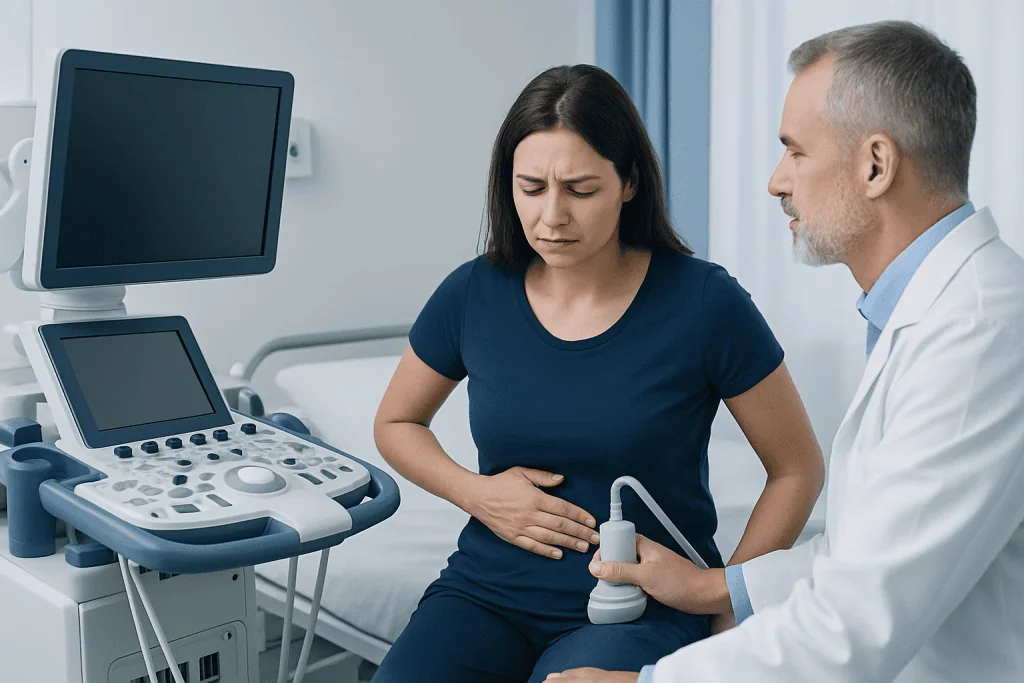
The abdomen contains many organs packed close together, so the exact location of pain can be very helpful. Pain under the right ribs may suggest the gallbladder or liver, especially if it comes after a fatty meal, radiates to the right shoulder, or occurs with nausea. Pain lower down, near the right pelvic area, may point to the appendix, bowel inflammation, an ovarian cyst, or another pelvic condition.
The character of the pain also matters. Cramping that comes and goes may occur with gas, constipation, or intestinal spasm. Steady, worsening pain is more concerning for inflammation or infection. Sharp waves of pain that spread from the back or side toward the groin can occur with kidney stones. Burning or aching in the abdominal wall may be musculoskeletal rather than internal.
Timing offers more clues. Pain that begins suddenly and becomes severe over hours deserves prompt attention. Pain that follows meals can suggest digestive or gallbladder causes. Pain triggered by movement, twisting, or pressing on a sore muscle can point to a strain. In women, pain that changes with the menstrual cycle may have a gynecologic explanation.
- Upper right abdomen: gallstones, gallbladder inflammation, liver problems, ulcer disease, sometimes pneumonia
- Lower right abdomen: appendicitis, constipation, bowel infection, ovarian conditions
- Right flank or side: kidney stone, kidney infection, muscle strain
- Diffuse pain with right-sided emphasis: gas, viral illness, inflammatory bowel conditions, less commonly bowel obstruction
Common causes of right-sided abdominal pain

Several common conditions can make the right side of the stomach hurt. Benign digestive causes include constipation, bloating, trapped gas, indigestion, and viral gastroenteritis. These often improve over time and may be linked with changes in bowel habits, belching, or mild nausea. A strained abdominal muscle can also cause localized tenderness, especially after lifting, exercise, or repeated coughing.
Gallbladder problems are a frequent cause of upper right abdominal pain. Gallstones may block the normal flow of bile and lead to episodes of pain after meals, while inflammation of the gallbladder can cause more persistent pain with nausea, fever, or vomiting. People who need specialist evaluation may be assessed for gallstones or treated with procedures such as gallbladder removal surgery when appropriate.
Lower right abdominal pain may occur with appendicitis, which often starts vaguely around the middle of the abdomen and then shifts to the right lower side as it worsens. It may also be caused by bowel inflammation, such as infection or less commonly Crohn’s disease. Sometimes doctors also consider appendicitis early, because delaying evaluation can increase the risk of complications.
Kidney and urinary causes include kidney stones, urinary tract infection, and kidney infection. These may cause side or back pain, fever, burning with urination, blood in the urine, or nausea. In women, ovarian cysts, ovulation pain, pelvic inflammatory disease, or ectopic pregnancy can also cause right-sided pain, so pregnancy status is an important part of evaluation.
Warning signs that should not be ignored
Some symptoms suggest that right-sided abdominal pain needs urgent or emergency assessment. These include sudden severe pain, pain that is rapidly worsening, a hard or swollen abdomen, inability to keep fluids down, repeated vomiting, or pain with high fever. Fainting, confusion, weakness, or signs of dehydration also need prompt care.
Blood in the stool, black tarry stools, blood in the urine, or vomiting blood are important warning signs. Jaundice, which is yellowing of the skin or eyes, can signal a problem with the liver or bile ducts. Chest pain, shortness of breath, or pain that seems to move to the shoulder or back may also need urgent evaluation because abdominal pain can sometimes be referred from other parts of the body.
Pregnant patients should not ignore significant abdominal pain, especially if it is one-sided, severe, or accompanied by dizziness or vaginal bleeding. Older adults, people with weakened immune systems, and those with chronic illnesses may have less typical symptoms, so a lower threshold for medical review is wise. It is safer to seek advice early if there is uncertainty.
How doctors diagnose the cause
Diagnosis starts with a detailed history and physical examination. A clinician asks where the pain is located, how it began, what makes it better or worse, whether it is related to meals or bowel movements, and what other symptoms are present. Temperature, pulse, blood pressure, and abdominal tenderness help guide the next steps.
Blood tests may check for signs of infection, inflammation, anemia, liver problems, or pancreatic involvement. A urine test can look for infection, blood, or kidney-related causes. A pregnancy test is often important in women of childbearing age because it can quickly change which diagnoses are most likely and which imaging tests are safest.
Imaging is used when the cause is not clear or a specific condition is suspected. Ultrasound is especially useful for gallbladder disease, bile ducts, kidneys, and pelvic organs. CT scans can be helpful for appendicitis, kidney stones, bowel problems, or more complex abdominal conditions. In selected cases, endoscopy or colonoscopy may be advised if symptoms suggest a gastrointestinal source.
Doctors aim to balance speed and safety. Not every episode of right-sided pain needs extensive testing, but pain that is persistent, severe, recurrent, or accompanied by warning signs should be evaluated rather than repeatedly treated at home without a diagnosis.
Treatment options and what care may involve
Treatment depends entirely on the cause. Mild pain from gas, indigestion, or constipation may improve with rest, hydration, simple dietary adjustments, and short-term symptom relief advised by a doctor or pharmacist. Muscle-related pain may respond to activity modification, gentle stretching, and time. Self-treatment should remain cautious, especially if symptoms are not clearly improving.
Infections may require antibiotics, while inflammatory conditions may need targeted medicines and follow-up. Gallbladder disease, appendicitis, kidney stones, or intestinal blockage can require hospital care and sometimes procedures or surgery. For example, appendicitis may be managed with urgent appendix surgery when indicated, while some kidney stones pass on their own and others need specialist treatment.
People with recurrent or unexplained pain may need a broader digestive evaluation. Depending on the suspected cause, specialists may assess the liver, gallbladder, bowel, urinary tract, or reproductive organs. Keeping track of pain episodes, meals, bowel changes, and associated symptoms can make that evaluation more accurate.
Near the end of the care pathway, some patients seek coordinated international evaluation. Acibadem International’s multidisciplinary specialists and JCI-accredited hospitals diagnose and treat abdominal conditions for international patients when more detailed assessment or treatment is needed.
Prevention and self-care for mild right-sided pain
Not all right-sided abdominal pain can be prevented, but some common triggers can be reduced. Regular meals, adequate fluid intake, a balanced high-fiber diet when appropriate, and staying physically active may help lower the chance of constipation and bloating. Eating slowly and limiting foods that repeatedly trigger discomfort may also help some people.
Good self-care also means knowing when not to rely on home remedies. It is generally best to avoid taking repeated pain medicines for undiagnosed abdominal pain without medical advice, because this can mask important symptoms. Strong laxatives, antibiotics left over from another illness, or very restrictive diets should not be used casually to manage unexplained pain.
If the pain seems mild and there are no red flags, short-term observation can be reasonable. Gentle hydration, light meals, and rest may help. However, if symptoms continue beyond a day or two, keep coming back, or begin to interfere with eating, sleeping, work, or normal activity, medical assessment is the safer next step.
When to seek medical care
Medical care should be sought urgently if the right side of the stomach hurts suddenly and severely, if pain is getting worse, or if it is accompanied by fever, repeated vomiting, fainting, chest symptoms, yellowing of the eyes or skin, blood in stool or urine, or a swollen rigid abdomen. Pain during pregnancy, after an injury, or with inability to pass stool or gas also deserves prompt attention.
A routine doctor’s appointment is appropriate for recurring discomfort, pain linked to meals, ongoing constipation, repeated bloating, urinary symptoms, or abdominal pain that lasts more than a short time without a clear explanation. Even when the cause turns out to be minor, an evaluation can help rule out conditions that are easier to treat when identified early.
In general, people should trust changes from their usual pattern. New, unusual, or persistent pain on the right side is worth discussing with a qualified clinician, especially if the symptoms do not behave like a simple stomach upset.
Frequently asked questions
Is right-sided stomach pain always appendicitis?
No. Appendicitis is one important cause of right lower abdominal pain, but many other conditions can cause pain in the same area. Constipation, gas, bowel infection, kidney stones, muscle strain, and ovarian problems are also possible, so the full pattern of symptoms matters.
What organs are on the right side of the abdomen?
The right side of the abdomen includes parts of the liver, gallbladder, small and large intestines, appendix, right kidney, and ureter. In women, the right ovary and fallopian tube may also contribute to pain in this area. Because several organs sit close together, location alone does not always give a complete answer.
When should someone worry if the right side of the stomach hurts?
Concern is higher when pain is sudden, severe, persistent, or getting worse. Fever, vomiting, jaundice, fainting, blood in the stool or urine, pregnancy, or a hard swollen abdomen are all reasons to seek prompt medical care. If symptoms feel unusual or alarming, early assessment is safer than waiting.
Can gas cause pain on the right side of the stomach?
Yes. Trapped gas and bloating can cause cramping or pressure on either side of the abdomen, including the right side. Gas pain often comes and goes and may improve after passing gas or having a bowel movement, but ongoing or severe pain should not be assumed to be gas without evaluation.
How do doctors tell whether right-sided pain is from the gallbladder or appendix?
The location and pattern of pain provide important clues. Gallbladder pain is more often in the upper right abdomen and may follow meals, while appendicitis usually affects the lower right abdomen and often worsens over several hours. Blood tests and imaging such as ultrasound or CT can help confirm the diagnosis.
Can right-sided abdominal pain go away on its own?
It can, especially when it is caused by indigestion, mild constipation, gas, or a muscle strain. However, pain that keeps returning, lasts longer than expected, or comes with warning signs should be checked by a doctor. Improvement does not always rule out an underlying problem if symptoms recur.
References
- National Institute of Diabetes and Digestive and Kidney Diseases
- American College of Gastroenterology
- MedlinePlus
- Mayo Clinic
- National Health Service
This article is for general information only and is not a substitute for professional medical advice. Please consult a qualified doctor about your individual situation.
Persistent digestive symptoms? Get evaluated in Turkey
JCI-accredited · board-certified surgeons · reply within 24h
Add us as a Preferred Source to see more of our trusted health content across Google Search, AI Overviews and Discover.
Check your numbers in seconds
BMI, calories, due date, blood pressure and 30+ more clinical calculators — free, instant, doctor-reviewed ranges.