Stage 4 small cell lung cancer life expectancy with treatment: A Complete Medical Guide for Patients

Stage 4 small cell lung cancer is also called extensive-stage disease because it has spread beyond one lung and nearby lymph nodes. Life expectancy with treatment varies widely and depends on overall health, how far the cancer has spread, response to therapy, and symptom burden.
Key Takeaways
- Stage 4 small cell lung cancer is also called extensive-stage disease because it has spread beyond one lung and nearby lymph nodes.
- Life expectancy with treatment varies widely and depends on overall health, how far the cancer has spread, response to therapy, and symptom burden.
- Treatment often includes chemotherapy, immunotherapy, radiation therapy, and supportive or palliative care.
- Even when cure is unlikely, treatment can reduce symptoms, improve daily functioning, and extend survival for some patients.
- Early symptom reporting and regular follow-up help doctors adjust treatment and manage side effects promptly.
Stage 4 small cell lung cancer life expectancy with treatment is different for each person. In general, treatment at this stage is aimed at controlling the cancer, relieving symptoms, preserving quality of life, and helping some patients live longer than they would without treatment.
Overview: What stage 4 small cell lung cancer means
Stage 4 small cell lung cancer life expectancy with treatment cannot be predicted with a single number for every patient. At this stage, the cancer has spread beyond its original area in the lung, often to the other lung, liver, bones, brain, or adrenal glands. Although stage 4 small cell lung cancer is usually not considered curable, treatment can still be very meaningful by shrinking tumors, easing symptoms, and helping some people live longer.
Small cell lung cancer, often shortened to SCLC, is an aggressive form of lung cancer that tends to grow and spread faster than many other lung cancers. Doctors commonly describe stage 4 disease as extensive-stage small cell lung cancer. This term reflects that the cancer is no longer limited to one area that can be safely treated within a single radiation field.
For patients and families, it can help to think about prognosis in practical terms rather than as a fixed deadline. Some people respond very well to first-line treatment and have months of improved symptoms and daily comfort. Others may need changes in therapy sooner. A treatment plan is usually personalized after reviewing scans, symptoms, general health, and patient goals.
Life expectancy with treatment: what affects prognosis
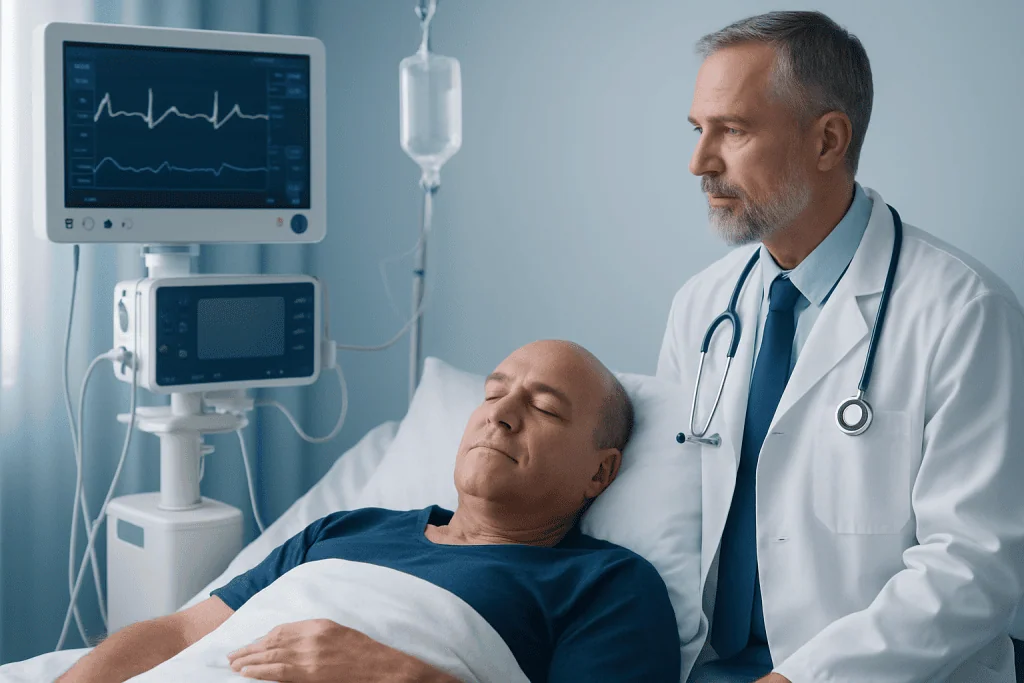
When people ask about life expectancy, they usually want to know what treatment can realistically do. The clearest answer is that treatment may help some patients live longer and feel better, but outcomes vary considerably. No doctor can estimate survival precisely for an individual person based only on the stage label.
Several factors influence prognosis. These include age, overall fitness, weight loss, smoking history, existing heart or lung disease, how many organs are involved, whether the brain or liver is affected, and how well the cancer responds to initial treatment. Blood test results and a person’s ability to carry out daily activities also matter.
Response to first-line therapy is especially important in small cell lung cancer. Some tumors shrink quickly with chemotherapy and immunotherapy, which can improve breathing, pain, and energy levels. However, SCLC often returns after an initial response, so regular monitoring is an important part of care.
Patients are often reassured to know that prognosis is discussed in ranges and patterns, not certainties. Many oncology teams focus on two goals at the same time: extending life where possible and protecting quality of life throughout treatment. This balanced approach is central to care for lung cancer.
Symptoms and how stage 4 disease may present
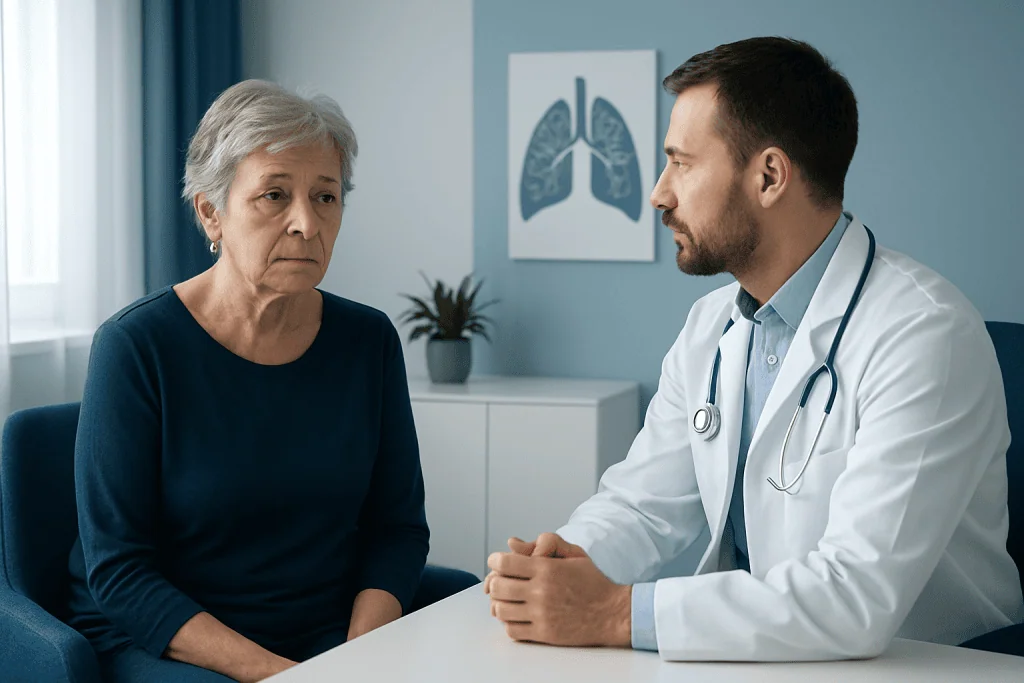
Symptoms of stage 4 small cell lung cancer can come from the tumor in the chest, from spread to other parts of the body, or from the body’s general response to cancer. Common chest-related symptoms include persistent cough, shortness of breath, wheezing, chest discomfort, coughing up blood, and frequent chest infections.
When the cancer spreads, symptoms depend on the affected area. Bone spread may cause pain or fractures. Brain involvement can lead to headaches, weakness, balance problems, confusion, or seizures. Liver spread may cause abdominal discomfort, reduced appetite, nausea, or jaundice. Some people also experience fatigue, unintended weight loss, or a general decline in stamina.
Small cell lung cancer can also cause paraneoplastic syndromes, which are body-wide effects related to hormone-like substances produced by the tumor. These may lead to low sodium levels, muscle weakness, or nerve-related symptoms. Because these problems can develop gradually, new symptoms should always be reported to the oncology team.
Not every patient has all of these symptoms, and some people are diagnosed after imaging done for another reason. Understanding the symptom pattern helps doctors choose the right tests and treatment strategy.
Causes, risk factors, and how diagnosis is confirmed
The strongest risk factor for small cell lung cancer is tobacco exposure, especially long-term cigarette smoking. Not everyone with a smoking history develops SCLC, but most cases are linked to it. Other possible contributors include secondhand smoke and certain environmental or occupational exposures, though these are less common causes.
To confirm the diagnosis, doctors use imaging and a tissue sample. A chest X-ray may be the first clue, but computed tomography and other imaging are more helpful for defining the extent of disease. A biopsy is needed to identify the cancer type under the microscope, because treatment decisions depend on knowing whether the cancer is small cell or another form such as non-small cell lung cancer.
Staging tests often include scans of the chest and abdomen, brain imaging, and sometimes PET imaging. Blood tests help assess organ function and determine whether treatment can be given safely. The final stage reflects both where the cancer started and where it has spread.
Because extensive-stage SCLC can progress quickly, diagnosis and treatment planning are usually done without unnecessary delay. At the same time, it is reasonable for patients to ask questions about the goals of treatment, expected benefits, and possible side effects before therapy begins.
Treatment options and what they can achieve
Treatment for stage 4 small cell lung cancer usually begins with systemic therapy, meaning treatment that reaches cancer cells throughout the body. This often includes chemotherapy and may also include immunotherapy as part of first-line treatment, depending on the patient’s clinical situation. These therapies are intended to slow disease growth, shrink tumors, relieve symptoms, and improve or maintain daily functioning.
Radiation therapy can also play an important role. It may be used to treat troublesome areas in the chest, reduce pain from bone metastases, or address brain metastases. In selected cases, radiation therapy is used alongside systemic treatment or after it, depending on symptoms, response, and the locations of spread.
If the cancer responds at first but later grows again, second-line treatment may be considered. The choice depends on how long the first response lasted, the patient’s current health, and treatment goals. For some patients, clinical trials may also be discussed as a way to access newer therapies being studied.
Supportive and palliative care are essential parts of treatment, not a last resort. They can help with pain, breathlessness, fatigue, sleep, mood, and appetite changes. In advanced cancer care, symptom control often improves quality of life enough to help patients stay active and continue cancer treatment more comfortably. In experienced centers, patients may be assessed by specialists in medical oncology and other disciplines to coordinate care effectively.
Living with stage 4 small cell lung cancer
Life with extensive-stage SCLC often involves periods of active treatment, monitoring, and symptom management. Patients may feel better once treatment starts and the tumor burden decreases, but fatigue and treatment side effects can still occur. Daily life is often easier when patients pace activities, conserve energy, and accept practical help from family or friends.
Nutrition, hydration, and physical activity should be approached gently and realistically. Small frequent meals may be easier than large meals if appetite is poor. Light movement, such as short walks or guided exercise approved by a doctor, can help maintain strength and reduce deconditioning in some patients.
Emotional wellbeing matters just as much as physical symptoms. Anxiety, sadness, uncertainty, and sleep problems are common and understandable. Counseling, support groups, palliative care teams, and open discussions with loved ones can help patients feel more supported and more prepared for decisions over time.
Near the end of the care pathway, some patients benefit from multidisciplinary evaluation at specialized centers. Acibadem International’s multidisciplinary specialists and JCI-accredited hospitals diagnose and treat cancer for international patients, while focusing on evidence-based treatment planning and supportive care.
When to seek medical care
Anyone with possible lung cancer symptoms such as a persistent cough, unexplained weight loss, chest pain, coughing up blood, or increasing shortness of breath should seek medical evaluation promptly. Earlier diagnosis may allow treatment to begin before symptoms become more severe.
For people already diagnosed with stage 4 small cell lung cancer, urgent medical advice is needed for sudden worsening breathlessness, new confusion, severe headache, weakness on one side of the body, seizures, uncontrolled pain, high fever, or significant bleeding. These symptoms may signal infection, blood clots, treatment complications, or spread of the cancer that needs immediate attention.
It is also important to contact the care team for ongoing problems such as severe nausea, poor fluid intake, worsening fatigue, constipation, or emotional distress. Many complications can be managed more effectively when they are addressed early, before they interfere with treatment or daily life.
Frequently asked questions
Can stage 4 small cell lung cancer be cured?
Stage 4 small cell lung cancer is usually not considered curable because it has already spread beyond the original area. Even so, treatment can still be very helpful by shrinking tumors, relieving symptoms, and extending life for some patients.
How long can someone live with stage 4 small cell lung cancer with treatment?
Life expectancy varies widely from person to person, so there is no single timeline that applies to everyone. Important factors include overall health, the sites of spread, response to treatment, and how well symptoms can be controlled.
What is the main treatment for extensive-stage small cell lung cancer?
The main treatment is usually systemic therapy, most often chemotherapy and sometimes immunotherapy. Radiation therapy may also be used for symptom relief or to treat specific areas such as the brain, chest, or bones.
Does treatment improve quality of life as well as survival?
Yes, in many patients treatment helps with breathing, pain, cough, and energy by reducing the size or activity of the cancer. Supportive and palliative care can further improve comfort, sleep, mood, and day-to-day functioning.
What happens if the cancer comes back after treatment?
Small cell lung cancer often responds at first and then returns later. If this happens, doctors may consider second-line treatment, symptom-directed radiation, clinical trials, or a stronger focus on supportive care depending on the patient’s condition and goals.
Should patients with stage 4 small cell lung cancer ask about palliative care early?
Yes. Early palliative care is recommended because it helps manage symptoms, supports emotional wellbeing, and can improve overall quality of life alongside cancer treatment.
References
- National Cancer Institute
- American Cancer Society
- National Comprehensive Cancer Network
- World Health Organization
- American Society of Clinical Oncology
This article is for general information only and is not a substitute for professional medical advice. Please consult a qualified doctor about your individual situation.
Lung Cancer in Turkey — costs, top hospitals & a free quote
JCI-accredited · board-certified surgeons · reply within 24h
Add us as a Preferred Source to see more of our trusted health content across Google Search, AI Overviews and Discover.

Medical Oncology Department
Medical treatment of cancer with chemotherapy, immunotherapy and targeted therapies under a multidisciplinary tumor board.
60 specialists in this unit