Pih pregnancy: A Complete Medical Guide for Patients

PIH pregnancy means high blood pressure that starts during pregnancy, often after 20 weeks. Some cases stay mild, but others can progress to preeclampsia and require close medical care.
Key Takeaways
- PIH pregnancy means high blood pressure that starts during pregnancy, often after 20 weeks.
- Some cases stay mild, but others can progress to preeclampsia and require close medical care.
- Warning signs can include headaches, vision changes, swelling, and pain under the ribs, but some people have no symptoms.
- Routine blood pressure checks, urine testing, and blood tests are important for diagnosis and follow-up.
- Treatment depends on severity, weeks of pregnancy, and the health of both mother and baby.
- Prompt medical attention is important if severe symptoms or reduced fetal movement occur.
PIH pregnancy refers to high blood pressure that begins during pregnancy, usually after 20 weeks, and can range from mild gestational hypertension to more serious conditions such as preeclampsia. Early diagnosis, regular prenatal care, and timely treatment help reduce risks for both the pregnant person and the baby.
Overview: What PIH pregnancy means
PIH pregnancy stands for pregnancy-induced hypertension, a term commonly used to describe high blood pressure that develops during pregnancy. In current medical practice, doctors often use more specific terms such as gestational hypertension or preeclampsia depending on whether there are other findings like protein in the urine or signs of organ involvement. In most cases, this rise in blood pressure appears after 20 weeks of pregnancy.
PIH does not always cause symptoms, which is why regular prenatal visits are so important. A person may feel well even when blood pressure is elevated. When identified early, many cases can be managed safely with monitoring, lifestyle guidance, and treatment when needed.
This condition matters because persistent high blood pressure can affect blood flow to the placenta and place extra strain on the mother’s organs, especially the kidneys, liver, brain, and cardiovascular system. The possible effects on the baby can include slower growth, lower amniotic fluid, or the need for earlier delivery if the pregnancy becomes unsafe to continue.
Not every person with PIH develops serious complications. However, careful follow-up helps the care team recognize whether blood pressure remains mild, whether medication is needed, or whether signs of progression are appearing. This careful distinction helps guide the safest plan for pregnancy and birth.
How PIH relates to gestational hypertension and preeclampsia
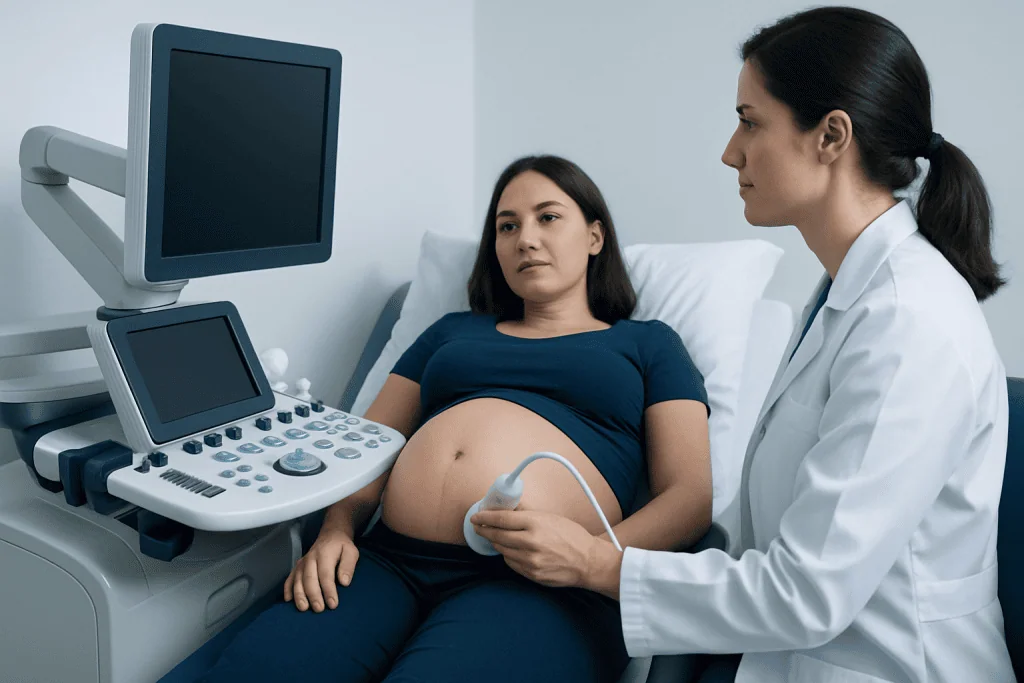
People often use the term PIH broadly, but there are important medical differences within this group of conditions. Gestational hypertension means high blood pressure that starts after 20 weeks of pregnancy without other clear signs of organ damage. It may remain mild and resolve after delivery, but it can also progress.
Preeclampsia is more serious. It involves high blood pressure plus evidence that other body systems are being affected, such as protein in the urine, low platelets, impaired liver function, kidney problems, fluid in the lungs, or neurological symptoms like severe headache or visual disturbances. Understanding this distinction helps explain why doctors may recommend additional blood and urine tests even when blood pressure changes seem modest.
Some patients may also hear about chronic hypertension in pregnancy, which is different because the high blood pressure existed before pregnancy or was found early in the first half of pregnancy. In contrast, PIH pregnancy generally begins later. A clinician may also assess for related complications such as gestational diabetes because multiple pregnancy conditions can affect overall maternal and fetal health.
The language can feel confusing, but the practical message is simple: any high blood pressure during pregnancy deserves medical attention. The goal is to determine exactly which type is present and how closely the pregnancy needs to be monitored.
Symptoms and warning signs
Many people with PIH pregnancy do not notice any symptoms at first. The condition is often discovered during a routine prenatal appointment when blood pressure is measured. This is one reason scheduled checkups are essential even when pregnancy seems to be going smoothly.
When symptoms do occur, they may include a persistent headache, blurred vision, seeing spots or flashing lights, sudden swelling of the face or hands, pain in the upper abdomen or under the right ribs, nausea or vomiting later in pregnancy, shortness of breath, or a general sense that something feels wrong. Some patients also notice rapid weight gain related to fluid retention, although weight changes alone are not enough to diagnose PIH.
Doctors also pay attention to the baby’s well-being. Reduced fetal movement or concerns about the baby’s growth may suggest that the placenta is being affected. If blood pressure rises significantly, complications can develop more quickly, which is why symptoms should never be ignored.
- High blood pressure found at a prenatal visit
- Severe or ongoing headache
- Vision changes
- Swelling that appears suddenly or worsens quickly
- Upper abdominal pain, especially on the right side
- Reduced fetal movement
Causes and risk factors
The exact cause of PIH pregnancy is not fully understood, but it is thought to involve changes in how blood vessels function and how the placenta develops. In some pregnancies, the body does not adapt normally to the increased demands on the cardiovascular system. This can lead to higher blood pressure and reduced blood flow in important tissues.
Several factors can increase risk. These include a first pregnancy, carrying more than one baby, a history of high blood pressure, kidney disease, diabetes, obesity, autoimmune disease, maternal age over 35, and a personal or family history of preeclampsia. Having PIH in a previous pregnancy can also raise the chance of it happening again.
Risk factors help doctors decide who may benefit from closer observation, but PIH can still occur in people without any clear risk factors. That is why all pregnant patients need regular prenatal care. Good monitoring is often more useful than trying to predict who will or will not develop the condition.
It is also important to understand that PIH is not caused by stress alone, emotional upset, or eating a single salty meal. Healthy lifestyle choices support pregnancy, but hypertension in pregnancy is a medical condition that needs professional assessment rather than self-blame.
How doctors diagnose and monitor PIH pregnancy
Diagnosis begins with repeated blood pressure measurements taken correctly over time. A single high reading may need to be confirmed, because blood pressure can briefly rise due to pain, anxiety, or activity. If elevated readings persist after 20 weeks of pregnancy, the clinician will look for signs that help distinguish gestational hypertension from preeclampsia or other causes.
Urine tests may be used to check for protein, and blood tests can evaluate kidney function, liver enzymes, platelet count, and other markers of maternal health. The baby’s condition is also part of the assessment. Ultrasound can help measure growth and amniotic fluid, while fetal monitoring may be used to check the baby’s heart rate and overall well-being.
Home blood pressure monitoring may be recommended in some cases, but it does not replace prenatal visits. The care team may ask the patient to record readings, note symptoms, and report changes promptly. If the pregnancy becomes more complex, referral to specialists in maternal-fetal medicine may be advised.
In some centers, additional assessments are arranged through coordinated maternity and internal medicine services. When imaging or fetal evaluation is needed, tests may be performed alongside broader pregnancy check-up and follow-up assessments to support timely decision-making.
Treatment options and delivery planning
Treatment for PIH pregnancy depends on how high the blood pressure is, whether preeclampsia features are present, how far along the pregnancy is, and how the baby is doing. Mild cases may be managed with close follow-up, rest strategies tailored by the clinician, home monitoring, and more frequent prenatal visits. Doctors may also recommend medication to lower blood pressure when it reaches a level that could increase risk.
If preeclampsia is suspected or confirmed, hospital assessment may be needed. The care team may monitor blood pressure closely, repeat blood and urine tests, and check fetal growth and heart rate. In more serious situations, treatment focuses on preventing complications such as seizures, stroke, placental problems, or worsening organ dysfunction.
The only definitive resolution for preeclampsia is delivery, but the timing must balance the mother’s safety with the baby’s maturity. If the pregnancy is near term, delivery may be recommended. If it is earlier, the team may try to continue the pregnancy safely under close observation for as long as possible. Delivery planning can sometimes involve vaginal birth care or cesarean section depending on obstetric factors and urgency.
After birth, blood pressure does not always return to normal immediately. Monitoring continues in the postpartum period because complications can still appear after delivery. The patient may need follow-up blood pressure checks and guidance on future cardiovascular health.
Prevention, self-care, and long-term outlook
There is no guaranteed way to prevent PIH pregnancy, but early prenatal care improves the chance of detecting it before complications develop. Patients should attend all scheduled visits, take prescribed medicines exactly as directed, and ask their doctor whether home blood pressure monitoring is appropriate. Any supplements or over-the-counter medications should also be discussed with the care team.
General self-care during pregnancy supports overall health. This includes eating a balanced diet, staying physically active within medical advice, drinking enough fluids, getting adequate sleep, and avoiding smoking and alcohol. Bed rest is not routinely advised for everyone with PIH, so activity recommendations should come from the treating clinician rather than informal advice.
After a pregnancy affected by PIH, future health still matters. A history of gestational hypertension or preeclampsia may be associated with a higher risk of high blood pressure and heart disease later in life. This does not mean illness is inevitable, but it does mean long-term blood pressure checks and heart-healthy habits are worthwhile.
For patients seeking coordinated care, Acibadem International’s multidisciplinary specialists and JCI-accredited hospitals diagnose and treat pregnancy-related conditions for international patients, with obstetric, internal medicine, and neonatal support when needed.
When to seek medical care
Anyone who thinks they may have PIH pregnancy should contact their obstetrician or maternity care team promptly. Early review is especially important if a home blood pressure monitor shows repeated high readings, if swelling increases suddenly, or if there is concern about reduced fetal movement.
Urgent medical care is needed for severe headache, vision loss or major visual changes, chest pain, shortness of breath, severe pain under the ribs, confusion, fainting, seizures, heavy vaginal bleeding, or a marked decrease in the baby’s movements. These symptoms do not always mean a dangerous complication is present, but they should be assessed without delay.
It is also sensible to seek care if blood pressure remains elevated after delivery, since postpartum hypertension and postpartum preeclampsia can occur. Patients should not wait for a routine appointment if symptoms are worsening or if they feel something is not right.
Prompt assessment helps doctors decide whether outpatient monitoring is enough or whether hospital evaluation is safer. Clear communication with the care team can make treatment more timely and reassuring.
Frequently asked questions
What does PIH pregnancy mean?
PIH pregnancy means pregnancy-induced hypertension, or high blood pressure that begins during pregnancy, usually after 20 weeks. Doctors may further classify it as gestational hypertension or preeclampsia depending on whether other organs are affected.
Is PIH pregnancy the same as preeclampsia?
Not exactly. PIH is a broad term often used for high blood pressure that starts in pregnancy, while preeclampsia is a more serious condition that includes high blood pressure plus other findings such as protein in the urine or abnormal blood tests. A doctor uses testing and monitoring to tell the difference.
Can PIH pregnancy harm the baby?
It can affect the baby if blood pressure reduces blood flow through the placenta or if early delivery becomes necessary. Possible concerns include slower growth, lower amniotic fluid, or fetal distress. Careful monitoring helps detect these problems early.
Does PIH always cause symptoms?
No. Many pregnant people with PIH feel completely well, especially in the early stages. That is why routine prenatal visits and blood pressure checks are essential even when there are no warning signs.
How is PIH pregnancy treated?
Treatment depends on severity, stage of pregnancy, and whether preeclampsia is present. It may include closer prenatal follow-up, blood pressure medication, fetal monitoring, and sometimes hospital care. In more serious cases, delivery may be the safest option.
Will high blood pressure go away after delivery?
Often it improves after birth, but not always immediately. Some patients need blood pressure monitoring and treatment in the days or weeks after delivery, because complications can still happen postpartum. Follow-up care is important.
Can PIH happen again in another pregnancy?
Yes, having PIH or preeclampsia in one pregnancy can increase the risk in a future pregnancy. However, many people go on to have healthy later pregnancies with good prenatal care and early monitoring. A pre-pregnancy consultation can help plan follow-up.
References
- World Health Organization
- American College of Obstetricians and Gynecologists
- National Institute for Health and Care Excellence
- Centers for Disease Control and Prevention
- Preeclampsia Foundation
This article is for general information only and is not a substitute for professional medical advice. Please consult a qualified doctor about your individual situation.
Heart care in Turkey — expert evaluation and treatment
JCI-accredited · board-certified surgeons · reply within 24h
Add us as a Preferred Source to see more of our trusted health content across Google Search, AI Overviews and Discover.
Check your numbers in seconds
BMI, calories, due date, blood pressure and 30+ more clinical calculators — free, instant, doctor-reviewed ranges.