1 Weeks Pregnant: Symptoms, Baby Development, and What to Expect

Week 1 of pregnancy is counted from the first day of the last menstrual period. At this stage, ovulation and fertilization have usually not happened yet.
Key Takeaways
- Week 1 of pregnancy is counted from the first day of the last menstrual period.
- At this stage, ovulation and fertilization have usually not happened yet.
- Most symptoms are related to menstruation and normal hormonal changes, not a growing embryo.
- This is a good time to start prenatal vitamins, review medications, and focus on healthy habits.
- Medical advice is important for severe pain, unusually heavy bleeding, or questions about fertility and pregnancy planning.
At 1 weeks pregnant, there is usually no embryo yet. In standard pregnancy dating, week 1 begins on the first day of the last menstrual period, so this week is mainly about cycle timing, early body changes, and preparing for conception.
Overview: what 1 weeks pregnant really means
At 1 weeks pregnant, a person is usually not pregnant in the biological sense yet. Doctors count pregnancy from the first day of the last menstrual period, even though conception typically happens about two weeks later in a regular cycle. This dating method helps clinicians estimate the due date and compare growth milestones consistently across pregnancy.
That means week 1 is often the menstrual week. The uterus is shedding its lining, hormone levels are shifting, and the body is beginning a new reproductive cycle. For someone trying to conceive, this week can still be very important because it sets the stage for ovulation, fertilization, and implantation in the coming weeks.
This early point in the timeline can feel confusing, especially because home pregnancy tests are not useful yet and there is no embryo developing at this stage. A clearer way to think about it is that week 1 is part of pregnancy dating, not early fetal growth. It is a planning week rather than a week of confirmed pregnancy changes.
Symptoms this week
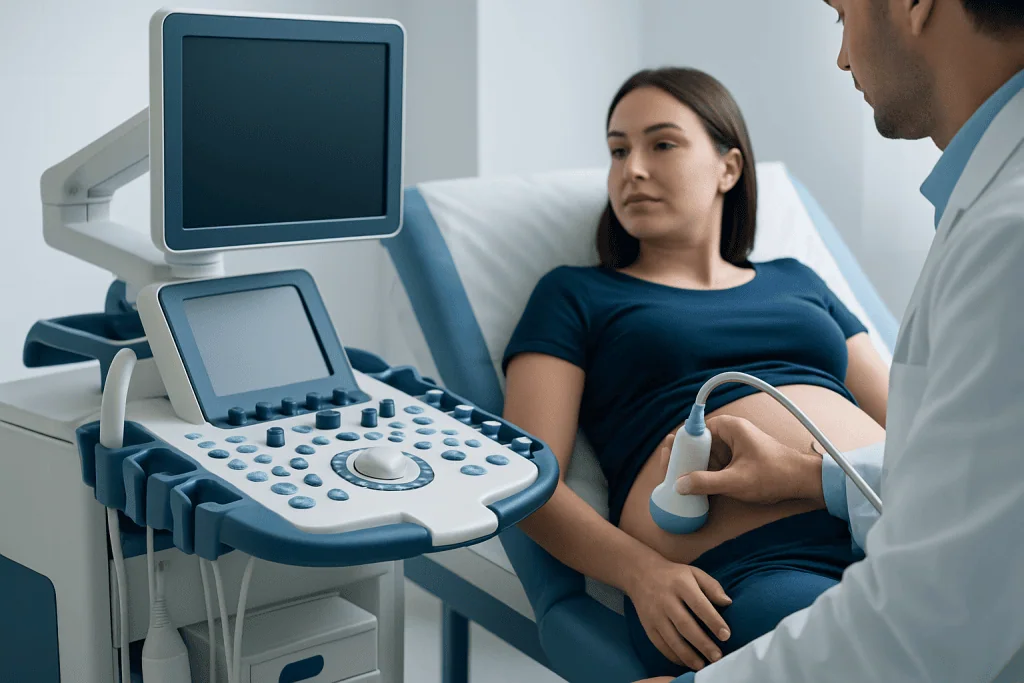
Most people at 1 weeks pregnant notice symptoms related to their period rather than pregnancy itself. Common experiences may include menstrual bleeding, mild cramping, bloating, low energy, breast tenderness, headaches, or mood changes. These are caused by normal hormone fluctuations as estrogen and progesterone levels change through the menstrual cycle.
Some people feel very little, while others have more noticeable period symptoms. Body awareness varies widely, and symptoms alone cannot confirm pregnancy this early. It is also normal not to notice any difference at all during week 1.
Symptoms commonly reported this week may include:
- Menstrual bleeding or spotting
- Mild lower abdominal or pelvic cramps
- Bloating or a heavy feeling in the abdomen
- Breast tenderness
- Fatigue
- Mood shifts or irritability
- Back discomfort
If symptoms are unusually intense, last longer than expected, or interfere with daily life, a medical review may help identify other causes such as cycle irregularities, hormone imbalance, or gynecologic conditions.
Baby development at 1 week
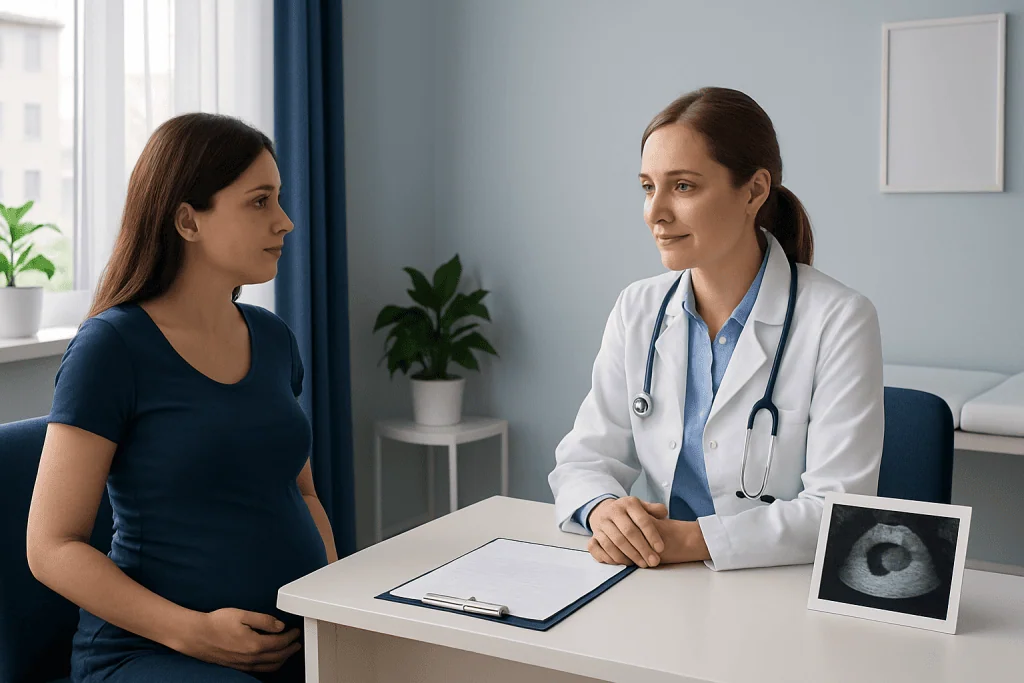
There is no baby developing yet at 1 weeks pregnant. Because pregnancy dating starts before ovulation, there is not yet a fertilized egg, embryo, or gestational sac in most cases. The ovaries are preparing follicles, and one egg will usually mature over the next several days before ovulation occurs.
For that reason, there is no meaningful size comparison this week for the baby. Instead of picturing fetal growth, it is more accurate to think of the body preparing the environment needed for a possible pregnancy. The uterine lining will begin rebuilding after the period, and the ovaries continue the process that may lead to the release of an egg.
Although this may seem like a technical detail, it is clinically important. It explains why pregnancy symptoms, ultrasound findings, and test results are not expected yet. True embryo development begins only after fertilization, which usually happens later in the cycle.
Body changes and what is happening inside
During week 1, the main changes are hormonal and uterine. The menstrual period marks the shedding of the previous cycle’s uterine lining. At the same time, the brain, pituitary gland, and ovaries begin coordinating the next cycle through hormones that help follicles grow and prepare for ovulation.
If pregnancy is being planned, this is a useful time to pay attention to cycle length and timing. In a typical 28-day cycle, ovulation often happens around day 14, but normal cycles vary. Understanding the cycle can help identify the fertile window in the days before ovulation.
Some people with irregular periods may find timing more difficult. In those cases, medical advice can be helpful, especially if conception has not happened after several months of trying. Conditions such as polycystic ovary syndrome or thyroid disorders can affect ovulation and cycle predictability.
This is also the stage when general health matters. Nutrition, sleep, stress levels, smoking, alcohol use, and chronic conditions can all influence reproductive health. Preparing early supports both conception and the earliest stages of pregnancy, often before someone knows they are pregnant.
Checklist: what to do at 1 week pregnant
Week 1 can be approached as a preparation week. Even though there is usually no embryo yet, healthy steps taken now can support the next stages of conception and early development. This is especially relevant because the earliest weeks of true pregnancy occur before many people realize they have conceived.
A simple checklist may include:
- Start a prenatal vitamin with folic acid if trying to conceive
- Review current medicines with a doctor or pharmacist
- Avoid smoking, recreational drugs, and excess alcohol
- Limit exposure to harmful chemicals when possible
- Eat balanced meals and stay well hydrated
- Track the menstrual cycle to estimate ovulation
- Manage long-term conditions such as diabetes, thyroid disease, or high blood pressure
For some people, preconception counseling is helpful before pregnancy begins. This visit may include advice on nutrition, vaccinations, genetic history, weight, and chronic disease management. If fertility questions are present, a specialist may discuss timing, ovulation tracking, or options such as IVF treatment when appropriate.
People who have pelvic pain, endometriosis, irregular cycles, or prior fertility concerns may also benefit from assessment before conception. In some cases, evaluation or fertility preservation options may be part of longer-term reproductive planning, depending on age, medical history, and personal goals.
How pregnancy is confirmed and when testing becomes useful
At 1 weeks pregnant, there is usually no way to confirm pregnancy because conception has not yet occurred. Home pregnancy tests detect human chorionic gonadotropin, a hormone made only after implantation. This means a test taken in week 1 will almost always be negative, even in people who may conceive later in the cycle.
Blood tests and ultrasound are also not useful at this stage for confirming pregnancy. Ultrasound cannot show a pregnancy this early, and hormone testing is generally reserved for later if there is uncertainty, unusual bleeding, or concern about early pregnancy complications.
If a period is missed later on, testing at that time is more reliable. People with irregular cycles may need individualized advice about timing. If a test becomes positive and there is pain or bleeding, clinicians may evaluate for early pregnancy conditions including ectopic pregnancy, although that would occur after conception rather than in week 1 itself.
When to seek medical care
Most symptoms during week 1 are part of a normal menstrual cycle and do not need urgent medical care. However, some symptoms should not be ignored. Medical advice is important if bleeding is much heavier than usual, if pain is severe or one-sided, or if there is fainting, fever, or unusual vaginal discharge.
It is also sensible to speak with a doctor before trying to conceive if there is a history of recurrent pregnancy loss, infertility, pelvic infection, endometriosis, thyroid disease, diabetes, or use of medications that may affect pregnancy. People who are unsure whether their symptoms are related to menstruation or another condition should seek assessment rather than self-diagnose.
Once pregnancy is confirmed in the weeks ahead, early prenatal care helps support maternal and fetal health. If specialist support is needed, Acibadem International’s multidisciplinary specialists and JCI-accredited hospitals evaluate pregnancy planning, fertility concerns, and related women’s health needs, including pregnancy follow-up and delivery care for international patients.
Frequently asked questions
Are you really pregnant at 1 week?
In medical dating, yes, pregnancy week 1 has begun. Biologically, however, conception has usually not happened yet, so there is typically no embryo at this stage.
Can there be symptoms at 1 weeks pregnant?
There can be symptoms, but they are usually menstrual symptoms rather than pregnancy symptoms. Cramping, bleeding, bloating, and breast tenderness are common because week 1 usually overlaps with the menstrual period.
What does the baby look like at 1 week pregnant?
There is usually no baby developing yet at week 1. Ovulation and fertilization generally happen later, so there is no embryo size or fetal appearance to describe at this point.
Can a pregnancy test be positive at 1 week?
No, not in most cases. Pregnancy tests work by detecting a hormone produced after implantation, which occurs well after week 1 of pregnancy dating.
What should someone do during week 1 if trying to conceive?
This is a good time to start a prenatal vitamin with folic acid, review medicines, and focus on healthy habits. Tracking the menstrual cycle and planning for the fertile window can also be helpful.
Is cramping normal at 1 weeks pregnant?
Mild cramping is often normal because week 1 usually matches the menstrual period. Severe pain, pain on one side, fever, or unusually heavy bleeding should be assessed by a doctor.
References
- American College of Obstetricians and Gynecologists
- National Health Service
- Mayo Clinic
- Centers for Disease Control and Prevention
- World Health Organization
This article is for general information only and is not a substitute for professional medical advice. Please consult a qualified doctor about your individual situation.
IVF & fertility treatment in Turkey — success rates and costs
JCI-accredited · board-certified surgeons · reply within 24h
Add us as a Preferred Source to see more of our trusted health content across Google Search, AI Overviews and Discover.
Check your numbers in seconds
BMI, calories, due date, blood pressure and 30+ more clinical calculators — free, instant, doctor-reviewed ranges.