17 Weeks Pregnant: Symptoms, Baby Development, and What to Expect

At 17 weeks pregnant, the baby is about the size of a pear and continues steady growth and movement. Common symptoms include round ligament pain, nasal congestion, appetite changes, breast growth, and occasional dizziness.
Key Takeaways
- At 17 weeks pregnant, the baby is about the size of a pear and continues steady growth and movement.
- Common symptoms include round ligament pain, nasal congestion, appetite changes, breast growth, and occasional dizziness.
- Body changes this week often include a more noticeable bump, shifting posture, and increased blood volume.
- Routine prenatal care, hydration, balanced nutrition, and light activity support a healthy pregnancy.
- Urgent symptoms such as bleeding, severe pain, fever, or fluid leakage should be assessed by a doctor promptly.
At 17 weeks pregnant, many people feel more energetic, notice a growing abdomen, and may begin to sense light fetal movement. This week is also a time of rapid baby development, with maturing organs, stronger muscles, and ongoing changes in the mother's body.
Overview: What 17 Weeks Pregnant Usually Feels Like
At 17 weeks pregnant, the second trimester is well underway, and many people find that pregnancy starts to feel more real and more physically noticeable. Energy levels may improve compared with the first trimester, although day-to-day symptoms can still vary. A growing uterus, hormonal changes, and increased blood flow can all influence how the body feels this week.
The baby is developing quickly, and the abdomen may begin to look more rounded. Some pregnant women also start to notice subtle fluttering sensations that may be early fetal movement, especially in a second or later pregnancy. Others may not feel movement yet, which can still be completely normal at this stage.
This week often brings a combination of reassurance and new questions. Physical changes, mild discomforts, and preparation for upcoming prenatal visits are all part of the experience. Regular checkups remain important to monitor both maternal health and the baby’s growth throughout the pregnancy.
Symptoms This Week
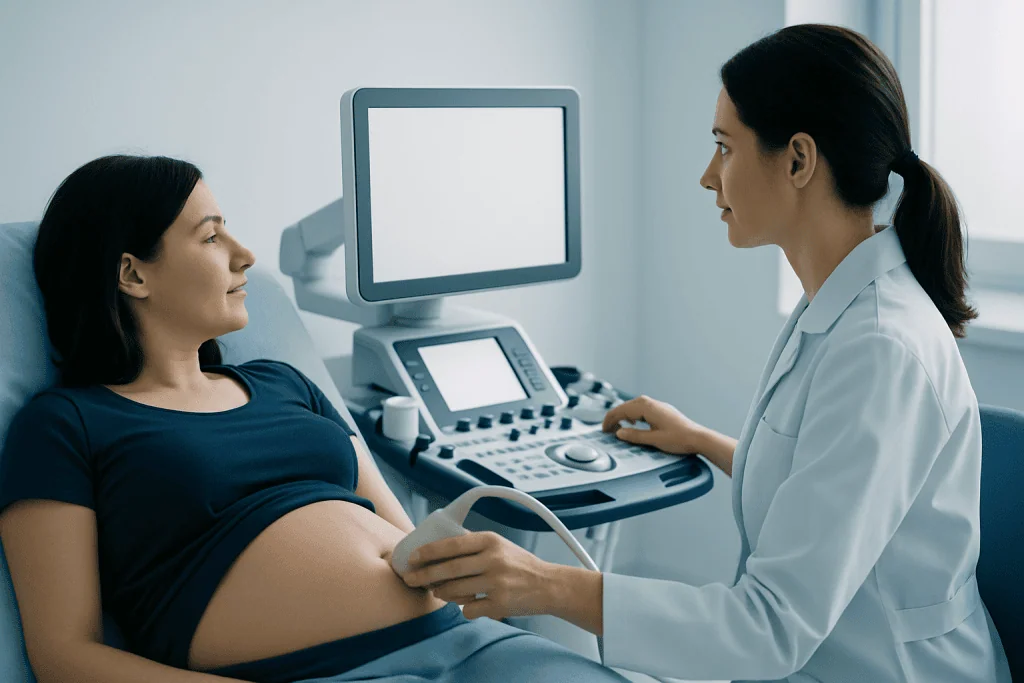
Common 17 weeks pregnant symptoms are usually related to normal growth and circulation changes. Many women notice a stronger appetite, a more visible bump, and less nausea than earlier in pregnancy. At the same time, new second-trimester discomforts can appear as the uterus expands and ligaments stretch.
Round ligament pain is one of the more typical symptoms at this stage. It may feel like a brief sharp pain or pulling sensation in the lower abdomen or groin, especially when standing up quickly, coughing, or changing position. Mild backache, bloating, constipation, and occasional heartburn can also occur.
Some people experience nasal congestion, headaches, or dizziness because pregnancy increases blood volume and affects blood vessels. Breast tenderness may continue, and the skin may start to show changes such as darkening of the areolas or a line down the abdomen called the linea nigra. Emotional changes are also common, ranging from excitement to periods of irritability or worry.
- Round ligament pain or lower abdominal pulling
- Mild back pain or posture-related discomfort
- Increased appetite
- Nasal stuffiness or occasional nosebleeds
- Dizziness when standing quickly
- Constipation, bloating, or heartburn
- Breast enlargement and skin changes
Baby Development at 17 Weeks

At 17 weeks pregnant, the baby is about the size of a pear. Exact measurements vary, but the baby is growing steadily in length and weight. The body is becoming more proportionate, and the limbs continue to strengthen as muscles and bones develop further.
This week, the baby can move joints more freely and may practice sucking and swallowing. Fat stores are beginning to form under the skin, which will become increasingly important later in pregnancy for temperature regulation and energy. The heartbeat continues to be strong and coordinated, and the placenta remains essential for delivering oxygen and nutrients.
Important internal systems are also maturing. The skeleton is hardening, and hearing structures are developing, although hearing remains limited at this point. The baby may make small movements, but these are not always felt yet. Many routine pregnancy ultrasounds later in the second trimester help assess anatomy, growth, and placental position as part of standard prenatal care, including pregnancy ultrasound evaluation when recommended by the obstetric team.
Body Changes at 17 Weeks Pregnant
The uterus is continuing to rise out of the pelvis, so the pregnancy bump often becomes easier to see at 17 weeks. Weight gain patterns differ from person to person, and body shape can be influenced by height, muscle tone, whether this is a first pregnancy, and whether there are multiple babies. A healthcare professional can give more individualized guidance at prenatal visits.
Circulation changes are especially noticeable during the second trimester. Blood volume increases to support the placenta and the growing baby, which can lead to feeling warmer, sweating more easily, or becoming lightheaded if meals are skipped or if a person stands too quickly. Veins may also look more prominent.
Posture may start to shift as the center of gravity changes. This can contribute to low back discomfort or a sense of tightness through the hips and pelvis. Comfortable shoes, good hydration, regular meals, and gentle movement can help support these normal body changes. If symptoms become severe or unusual, they should be discussed with a prenatal care provider.
Checklist: What to Do This Week
A practical checklist can help make week 17 feel more manageable. Continuing routine prenatal care is one of the most important steps. If a second-trimester anatomy scan has not yet been scheduled, this may be discussed soon, depending on the clinic’s timing and the overall pregnancy plan.
This is also a good time to review daily habits. Balanced meals with protein, fiber, calcium, iron, and healthy fats support both maternal and fetal health. Prenatal vitamins should be continued as advised, and water intake should remain steady, especially if constipation, dizziness, or headaches are present.
Light to moderate physical activity may be helpful if a doctor has said exercise is safe. Walking, stretching, and pregnancy-appropriate movement can support circulation, digestion, and comfort. Those with known pregnancy complications, symptoms such as bleeding, or a history of high-risk pregnancy may need more individualized advice and monitoring, including assessment for conditions such as high-risk pregnancy.
- Attend or schedule the next prenatal appointment
- Continue prenatal vitamins as prescribed
- Eat regular, balanced meals and healthy snacks
- Stay hydrated throughout the day
- Use slow position changes to reduce dizziness
- Choose gentle exercise if approved by a doctor
- Note any new symptoms to discuss at the next visit
How 17-Week Pregnancy Is Monitored
Most pregnancies at 17 weeks are monitored with routine prenatal visits rather than intensive testing. During appointments, clinicians generally review symptoms, blood pressure, weight trends, and the baby’s heartbeat. They may also ask about pain, bleeding, urinary symptoms, or emotional wellbeing.
Depending on timing and local practice, some patients may be offered blood tests or screening reviews in the second trimester. Ultrasound may be used to assess fetal anatomy, growth, and placental location. These checks are meant to support early recognition of issues while also reassuring families when development appears on track.
If there are concerns about contractions, bleeding, cervical changes, or previous pregnancy loss, the care team may recommend closer follow-up. In selected cases, further evaluation may help rule out problems linked with preterm labor or other pregnancy-related complications. Care plans are always individualized based on symptoms, medical history, and exam findings.
When to Seek Medical Care
Most symptoms at 17 weeks pregnant are not dangerous, but some signs should prompt medical advice without delay. Vaginal bleeding, leaking fluid, severe abdominal pain, fainting, fever, painful urination, or persistent vomiting deserve prompt assessment. A doctor should also be contacted for severe headache, vision changes, or sudden swelling, especially if these symptoms are new or worsening.
If cramping becomes regular, strong, or is associated with pressure in the pelvis or back, medical evaluation is important. Although Braxton Hicks contractions are more common later in pregnancy, persistent rhythmic tightening should not be ignored. Pregnant patients should also seek help if they simply feel that something is not right.
Supportive maternity care may involve obstetricians, maternal-fetal medicine specialists, imaging teams, and neonatal experts when needed. Acibadem International’s multidisciplinary specialists in JCI-accredited hospitals diagnose and treat pregnancy-related concerns for international patients, including follow-up, pregnancy follow-up and delivery, and specialist evaluation when symptoms require closer attention.
Frequently asked questions
Is it normal not to feel the baby move at 17 weeks?
Yes. Some women feel early fluttering at 17 weeks, while others do not notice movement until later in the second trimester. This can depend on whether it is a first pregnancy, the position of the placenta, and individual sensitivity to subtle movement.
How big is the baby at 17 weeks pregnant?
At 17 weeks pregnant, the baby is often compared to a pear. Exact size varies, but the baby is continuing steady growth in both length and weight as organs, bones, and muscles mature.
What pain is normal at 17 weeks pregnant?
Mild stretching discomfort, round ligament pain, and occasional low backache are common at this stage. However, severe abdominal pain, regular cramping, or pain with bleeding should be evaluated by a doctor promptly.
Can dizziness happen at 17 weeks pregnant?
Yes. Dizziness can happen because blood pressure and circulation shift during pregnancy, especially when standing up quickly or going too long without eating. Drinking enough fluids, eating regular meals, and rising slowly may help, but persistent or severe dizziness should be discussed with a clinician.
What should be on a 17 weeks pregnant checklist?
A practical checklist includes attending prenatal visits, taking prenatal vitamins, staying hydrated, eating balanced meals, and preparing for the anatomy scan if it is coming soon. It is also helpful to track symptoms and ask about any concerns related to exercise, travel, or work.
When should someone call a doctor at 17 weeks pregnant?
A doctor should be contacted for bleeding, fluid leakage, severe pain, fever, painful urination, strong cramping, or symptoms such as severe headache or vision changes. It is also appropriate to seek advice whenever symptoms feel unusual or worrying, even if they seem mild.
References
- American College of Obstetricians and Gynecologists
- National Health Service
- Mayo Clinic
- Centers for Disease Control and Prevention
This article is for general information only and is not a substitute for professional medical advice. Please consult a qualified doctor about your individual situation.
Explore treatments in Turkey — costs, top hospitals & a free quote
JCI-accredited · board-certified surgeons · reply within 24h
Add us as a Preferred Source to see more of our trusted health content across Google Search, AI Overviews and Discover.