What causes hiccups: Common Causes, Warning Signs, and When to Worry

Hiccups are involuntary diaphragm spasms followed by sudden closure of the vocal cords. Common triggers include overeating, carbonated drinks, alcohol, eating too quickly, stress, and sudden temperature changes.
Key Takeaways
- Hiccups are involuntary diaphragm spasms followed by sudden closure of the vocal cords.
- Common triggers include overeating, carbonated drinks, alcohol, eating too quickly, stress, and sudden temperature changes.
- Most hiccups go away on their own and are not a sign of serious illness.
- Hiccups lasting more than 48 hours are called persistent and may need medical assessment.
- Treatment depends on the cause and may include lifestyle changes, treating reflux, or addressing nerve, chest, or brain-related conditions.
- Medical care is important sooner if hiccups come with chest pain, trouble breathing, vomiting, weakness, or severe abdominal symptoms.
What causes hiccups? Most hiccups happen when the diaphragm is briefly irritated, often after eating too much, swallowing air, drinking carbonated beverages, or experiencing stress or sudden temperature changes. They are usually harmless and short-lived, but hiccups that last longer than 48 hours can sometimes point to an underlying medical problem and should be evaluated.
Overview: what causes hiccups?
Hiccups happen when the diaphragm, the main muscle used for breathing, contracts suddenly and involuntarily. This quick spasm is immediately followed by closure of the vocal cords, which creates the familiar “hic” sound. In most people, hiccups are temporary and harmless.
When people ask what causes hiccups, the answer is usually simple: something has briefly irritated the diaphragm or the nerves that help control it. Common examples include eating a large meal, swallowing air, drinking fizzy beverages, alcohol, emotional stress, or a sudden change in stomach temperature from hot and cold foods or drinks.
Less often, hiccups continue for longer than expected. Hiccups that last more than 48 hours are usually called persistent, and those that continue for a month or more are often described as intractable. Long-lasting hiccups can interfere with sleep, eating, hydration, and quality of life, so they deserve medical attention.
How hiccups happen in the body
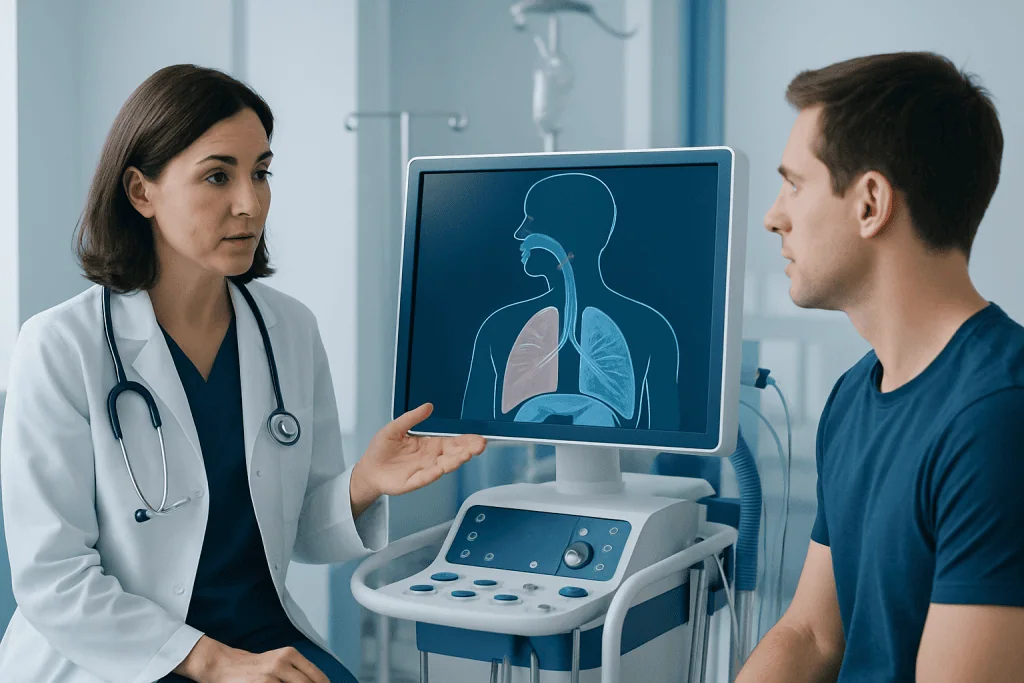
Although hiccups seem simple, they involve a reflex pathway between the diaphragm, the phrenic and vagus nerves, and areas of the brain that help regulate breathing. If any part of this pathway is irritated, the body may trigger the hiccup reflex.
The diaphragm sits beneath the lungs and separates the chest from the abdomen. During a hiccup, it jerks downward suddenly, causing a quick breath inward. The vocal cords then snap shut, briefly stopping airflow and producing the characteristic sound.
This is why hiccups can be linked not only to stomach-related triggers but also to problems in the chest, throat, nervous system, or even emotional state. In everyday cases, the trigger is usually temporary. In persistent cases, doctors may look more carefully at the digestive tract, chest, and nervous system.
Common everyday triggers

Most short episodes of hiccups are connected to routine habits or minor irritation in the stomach and upper digestive tract. The stomach can expand after a large meal, and this stretching may irritate the diaphragm. Eating too quickly can also lead to swallowed air, which can contribute to the same effect.
Common triggers include:
- Eating too much or too quickly
- Carbonated drinks
- Alcohol
- Very hot or very cold foods and beverages
- Spicy foods
- Swallowing air while talking, laughing, or chewing gum
- Sudden excitement, stress, or anxiety
Some people notice hiccups after bloating, indigestion, or acid reflux. Reflux can irritate the esophagus and nearby nerves, making hiccups more likely. If symptoms such as heartburn, sour taste, or frequent belching happen alongside hiccups, a digestive cause may be contributing, such as acid reflux.
Medical causes of persistent hiccups
When hiccups last beyond 48 hours, doctors think beyond common food and drink triggers. A number of medical conditions can irritate the diaphragm, affect the vagus or phrenic nerves, or involve the brain centers that regulate the hiccup reflex.
Digestive causes may include reflux, stomach inflammation, ulcers, liver enlargement, pancreatitis, or disorders of the esophagus. Chest-related causes can include pneumonia, pleurisy, recent surgery, or irritation near the diaphragm. In some cases, long-lasting hiccups may also happen after anesthesia or as a side effect of certain medications.
Neurological causes are less common but important to recognize. Stroke, brain injury, tumors, multiple sclerosis, or infections affecting the brain can sometimes disrupt the normal control of breathing and trigger persistent hiccups. Other possible contributors include kidney failure, uncontrolled diabetes, electrolyte imbalance, or severe infection. Depending on the overall picture, evaluation may involve digestive care such as endoscopy or imaging studies to look for a structural cause.
Warning signs and when hiccups may need attention
Most hiccups are brief and settle without treatment. However, certain features make medical assessment more important. The main warning sign is duration: hiccups lasting longer than 48 hours are not typical and should be discussed with a doctor.
Medical review is also important if hiccups are frequent enough to disturb sleep, prevent eating or drinking, cause vomiting, or lead to weight loss. Hiccups can be especially concerning when they occur with other symptoms that suggest a chest, abdominal, or neurological problem.
Seek urgent care if hiccups occur with symptoms such as chest pain, trouble breathing, new weakness, confusion, severe headache, difficulty speaking, black stools, persistent vomiting, or severe abdominal pain. These symptoms do not mean hiccups are dangerous by themselves, but they may point to another condition needing prompt evaluation, including stroke or serious digestive illness.
How doctors diagnose the cause
Diagnosis starts with a careful history. A doctor will ask how long the hiccups have lasted, how often they happen, what seems to trigger them, and whether there are related symptoms such as heartburn, cough, abdominal pain, fever, weight loss, or neurological changes. Medication review is also important because some drugs can contribute to hiccups.
The physical exam may focus on the abdomen, chest, throat, and nervous system. If hiccups are short-lived and clearly tied to a meal or fizzy drink, tests are usually not needed. Persistent hiccups, however, may require investigations based on the suspected cause.
These tests can include blood work, chest X-ray, abdominal ultrasound, CT or MRI scans, or evaluation of the digestive tract. If reflux or another upper digestive problem is suspected, doctors may recommend gastroenterology evaluation and sometimes MRI or other imaging when neurological or structural causes are possible.
Treatment options and self-care
Treatment depends on what is causing the hiccups. For brief episodes, simple measures may help the reflex settle on its own. Many people improve by resting, sipping water slowly, avoiding large meals, and pausing carbonated drinks or alcohol for a while.
If hiccups are linked to reflux or indigestion, managing the digestive trigger is often the most effective approach. This may include smaller meals, not lying down immediately after eating, and medical treatment recommended by a doctor for reflux or stomach irritation. If a medication is contributing, a clinician may review whether an alternative is appropriate.
Persistent hiccups may need prescription treatment aimed at calming the hiccup reflex, but the choice of medicine depends on the individual and should be guided by a qualified doctor. When an underlying condition is found, treatment focuses on that problem rather than the hiccups alone. Near the end of the care pathway, some patients may be referred to specialists in digestive, chest, or neurological medicine; Acibadem International’s multidisciplinary specialists and JCI-accredited hospitals also diagnose and treat persistent hiccups for international patients.
Prevention and when to seek medical care
It is not always possible to prevent hiccups, but some simple habits can lower the chance of common episodes. Eating more slowly, choosing smaller meals, limiting carbonated beverages and alcohol, and avoiding foods that clearly trigger bloating or reflux may help. Managing stress and pausing while eating instead of talking quickly can also reduce swallowed air.
People who have frequent hiccups after meals may benefit from paying attention to patterns. A symptom diary can be useful, especially if hiccups seem to happen with heartburn, certain foods, or times of emotional stress. This kind of pattern can help a doctor identify whether the issue is dietary, digestive, or something else.
A doctor should be consulted if hiccups last more than 48 hours, keep coming back without a clear reason, or interfere with normal eating, drinking, sleeping, or daily activities. Medical care should be sought sooner if hiccups appear together with chest symptoms, severe digestive symptoms, or new neurological signs. Early evaluation is reassuring in many cases and helps identify the small number of people who may need treatment for an underlying disorder.
Frequently asked questions
What causes hiccups most of the time?
Most hiccups are caused by temporary irritation of the diaphragm or the nerves connected to it. Common triggers include eating too quickly, overeating, carbonated drinks, alcohol, swallowing air, and sudden emotional stress.
Are hiccups dangerous?
Usually, no. Short episodes are very common and generally harmless. Hiccups become more concerning when they last more than 48 hours or come with symptoms such as breathing problems, chest pain, vomiting, or neurological changes.
Can acid reflux cause hiccups?
Yes, acid reflux can irritate the esophagus and nearby nerves, which may trigger hiccups in some people. If hiccups happen with heartburn, sour taste, or belching, reflux may be part of the cause.
How long should hiccups last before seeing a doctor?
A medical review is generally recommended if hiccups last longer than 48 hours. It is also sensible to seek care earlier if they prevent sleep, eating, or drinking, or if they keep coming back without a clear trigger.
Can stress or anxiety trigger hiccups?
Yes, stress, excitement, and anxiety can contribute to hiccups in some people. These emotional states may influence breathing patterns and the reflex pathways involved in hiccups.
What tests might be needed for persistent hiccups?
Testing depends on the symptoms and the suspected cause. A doctor may order blood tests, a chest X-ray, digestive evaluation, or imaging such as CT or MRI if there are signs pointing to chest, abdominal, or neurological problems.
References
- National Institute of Diabetes and Digestive and Kidney Diseases
- National Institute of Neurological Disorders and Stroke
- Merck Manual Consumer Version
- Mayo Clinic
- MedlinePlus
This article is for general information only and is not a substitute for professional medical advice. Please consult a qualified doctor about your individual situation.
Explore treatments in Turkey — costs, top hospitals & a free quote
JCI-accredited · board-certified surgeons · reply within 24h
Add us as a Preferred Source to see more of our trusted health content across Google Search, AI Overviews and Discover.

More from the Health Library



Related Specialists

Dr. Feyza Arslan
Physical Medicine & Rehabilitation
Prof. Dr. Ahmet Ayık
Emergency Service
Dr. Özgür Güler
Anesthesiology
Assoc. Prof. Dr. Murat Yıldar
Liver Transplant Center