Paraplegic: A Complete Medical Guide for Patients
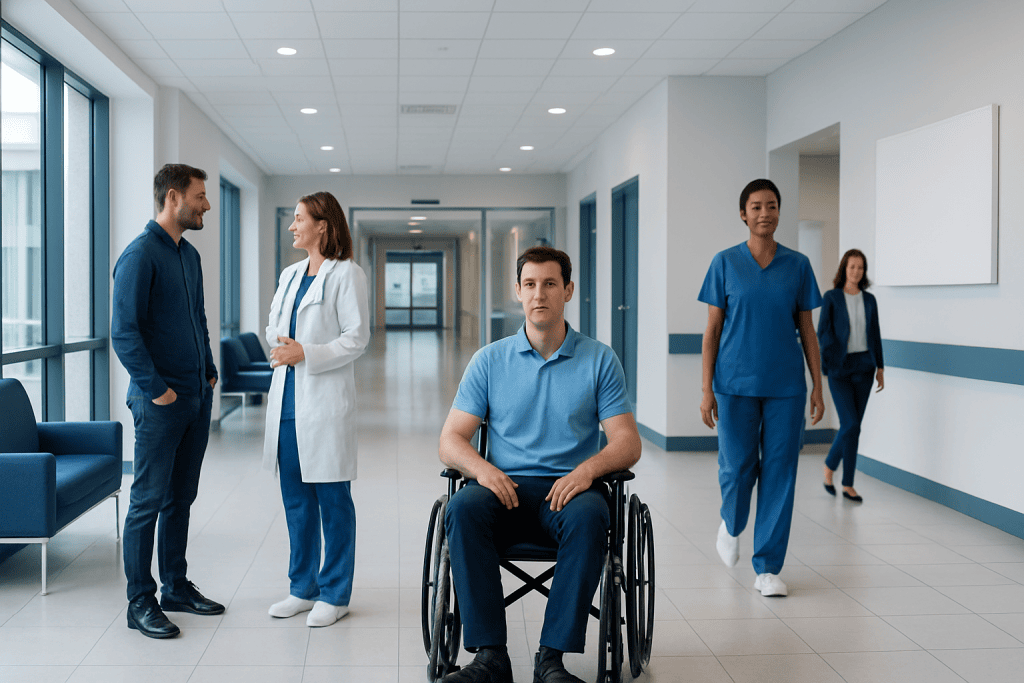
Paraplegia affects both legs and the lower part of the body because of damage to the spinal cord or certain nerve pathways. Symptoms can include weakness or paralysis, numbness, changes in bladder or bowel control, sexual dysfunction, and muscle spasms.
Key Takeaways
- Paraplegia affects both legs and the lower part of the body because of damage to the spinal cord or certain nerve pathways.
- Symptoms can include weakness or paralysis, numbness, changes in bladder or bowel control, sexual dysfunction, and muscle spasms.
- Common causes include trauma, tumors, infection, inflammation, stroke affecting the spinal cord, and neurological diseases.
- Early diagnosis and treatment may help limit complications and improve function, comfort, and independence.
- Rehabilitation, mobility aids, skin care, and bladder-bowel management are central parts of long-term care.
- Urgent medical attention is needed for sudden weakness, loss of bladder control, severe back pain, or symptoms after trauma.
Paraplegic most often refers to a person living with paraplegia, a condition that causes partial or complete loss of movement and often sensation in both legs and the lower body. It usually results from injury or disease affecting the spinal cord, and care focuses on diagnosis, treatment of the cause, rehabilitation, and long-term health support.
Overview: what “paraplegic” means
The word paraplegic is commonly used to describe a person who has paraplegia. Paraplegia means partial or complete paralysis affecting both legs and the lower part of the body. Depending on the level and severity of the damage, a person may also lose some sensation, bladder or bowel control, and sexual function.
Paraplegia is not a disease by itself. It is a result of damage to the spinal cord or, less commonly, conditions that interrupt the nerve signals controlling the lower body. Some people have complete loss of movement and feeling below the affected spinal level, while others have incomplete injury and retain some strength or sensation.
The experience of living with paraplegia can vary widely. Some people need a wheelchair full-time, while others can stand or walk short distances with braces or assistive devices. Care is usually individualized and may include emergency treatment, surgery in selected cases, rehabilitation, medications, and long-term support aimed at independence and quality of life.
Signs and symptoms of paraplegia
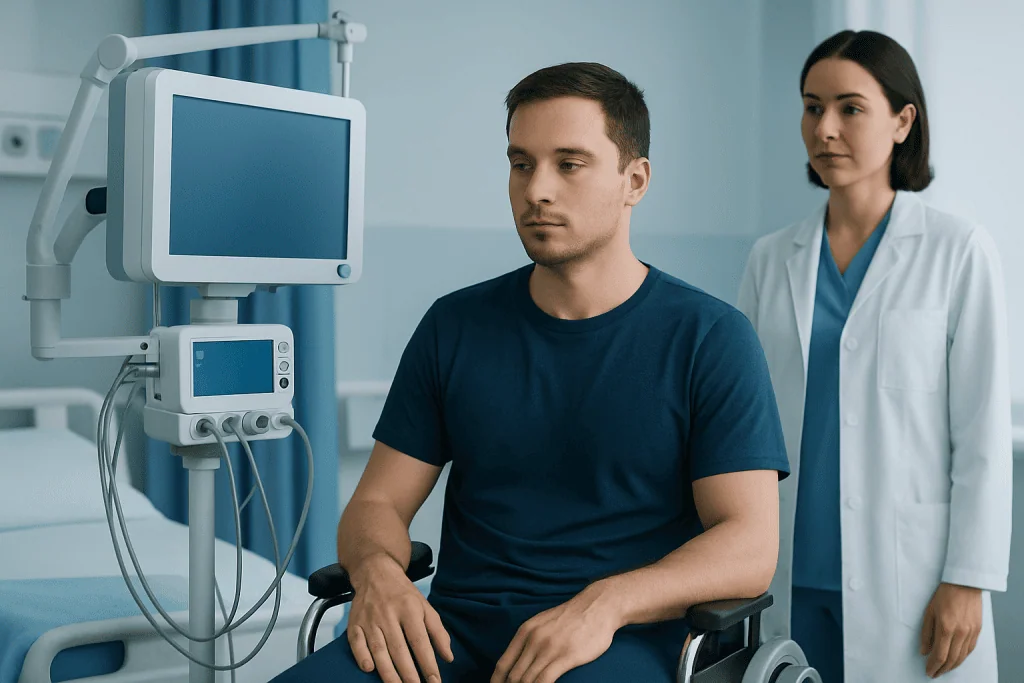
The main feature of paraplegia is weakness or paralysis in both legs. This may begin suddenly, such as after an accident or bleeding around the spinal cord, or develop gradually if caused by a tumor, infection, or inflammatory disease. Symptoms depend on where the spinal cord is affected and whether the injury is complete or incomplete.
Changes in sensation are also common. A person may notice numbness, tingling, reduced ability to feel temperature or pain, or a band-like sensation around the trunk. Some people have severe muscle stiffness or spasms, while others have flaccid weakness with very low muscle tone in the early stage.
Paraplegia often affects body functions below the level of injury. These can include:
- Loss of bladder control or difficulty emptying the bladder
- Bowel constipation or loss of bowel control
- Sexual dysfunction
- Reduced sweating or altered body temperature regulation
- Pain, including nerve pain or back pain
- Pressure sores from prolonged sitting or lying
Symptoms that start suddenly should always be treated as urgent. Rapid weakness, numbness spreading upward, severe back pain, or new bladder and bowel symptoms can signal a serious spinal cord problem that needs immediate medical assessment.
Causes and risk factors
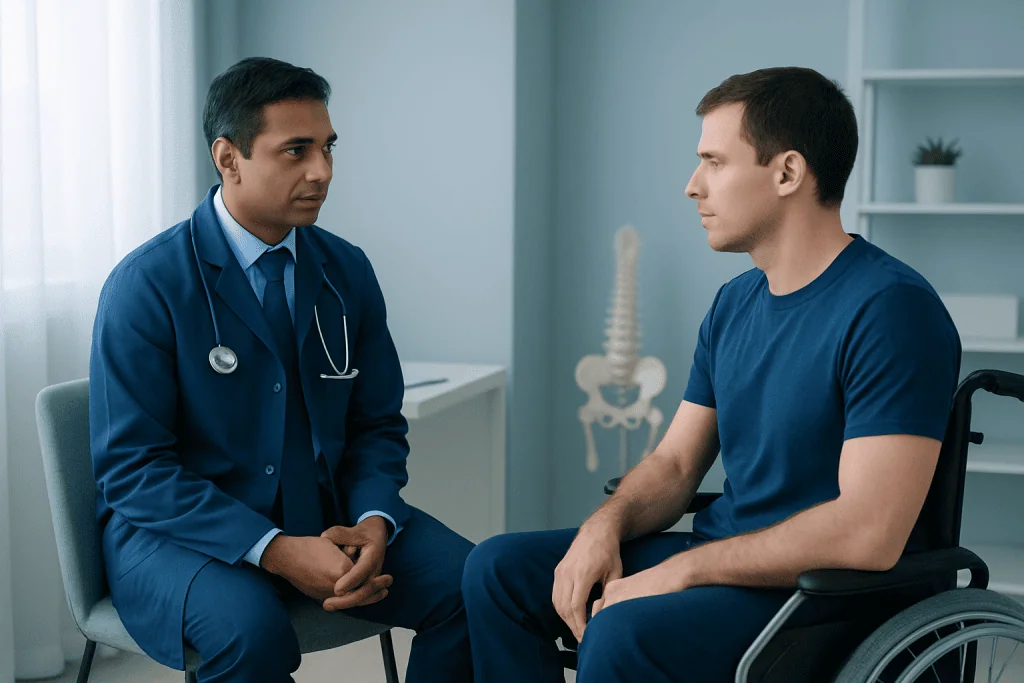
Trauma is one of the best-known causes of paraplegia. Motor vehicle collisions, falls, sports injuries, violence, and work-related accidents can damage the spinal cord directly or cause vertebral fractures that compress it. The thoracic or lumbar spinal regions are often involved when the legs are affected.
Non-traumatic causes are also important. These include spinal cord tumors, herniated discs causing severe compression, bleeding, abscesses, infections, inflammatory disorders, and reduced blood supply to the spinal cord. Certain neurological diseases, including multiple sclerosis, may also lead to weakness or paralysis of the legs over time.
Other conditions can sometimes mimic paraplegia or contribute to similar symptoms. Examples include severe peripheral nerve disorders, rare muscle diseases, or brain disorders affecting movement pathways. A careful medical evaluation helps identify the exact cause so treatment can be directed appropriately.
Risk factors depend on the underlying cause. They may include high-risk physical activities, osteoporosis or advanced age increasing fall risk, cancer spreading to the spine, vascular disease, infections, autoimmune disorders, and previous spinal disease. Not every case can be prevented, but understanding risk can help support earlier diagnosis and safer living habits.
How doctors diagnose paraplegia
Diagnosis begins with a detailed history and neurological examination. Doctors assess muscle strength, reflexes, sensation, muscle tone, balance, and the pattern of bladder or bowel symptoms. They also ask when symptoms started, whether they were sudden or gradual, and whether there was recent trauma, infection, fever, weight loss, or cancer history.
Imaging is often essential. Magnetic resonance imaging can show the spinal cord, discs, tumors, inflammation, bleeding, or compression. In some situations, computed tomography is used to assess fractures or bony injury, especially after trauma. A person with sudden symptoms may need urgent scanning to find a treatable cause quickly.
Additional tests depend on the clinical picture. Blood tests may look for infection, inflammation, nutritional problems, or autoimmune disease. In selected cases, doctors may use nerve conduction studies, lumbar puncture, or bladder function testing. If cancer is suspected, further imaging and tissue sampling may be needed.
The diagnosis is not only about confirming paraplegia but also defining its cause, level, and severity. This helps doctors estimate recovery potential, identify complications, and create an appropriate treatment and rehabilitation plan.
Treatment options and rehabilitation
Treatment depends on the cause of paraplegia and how quickly care begins. Emergency management may include spinal stabilization, preventing further injury, and treating compression or bleeding. If a structural problem is pressing on the spinal cord, surgery may be needed to relieve pressure or stabilize the spine, such as spine surgery. Infections may require antibiotics, while inflammatory causes may need immune-based treatment.
When paraplegia is related to a tumor, treatment may involve oncology, radiation therapy, or neurosurgery depending on the location and type of lesion. In people with disc disease or degenerative spinal conditions, selected procedures may help reduce compression and pain. The best approach is usually decided by a team that may include neurologists, spine surgeons, rehabilitation physicians, physical therapists, occupational therapists, and urologists.
Rehabilitation is a central part of care, even when the neurological injury is long-standing. Therapy focuses on safe transfers, sitting balance, wheelchair skills, muscle strengthening where possible, stretching, prevention of contractures, and training in daily activities such as dressing, bathing, and home mobility. Many patients benefit from structured physical therapy and rehabilitation to build independence and reduce complications.
Medicines may be used for pain, muscle spasms, bladder symptoms, constipation, or mood symptoms. Assistive devices can include wheelchairs, standing frames, orthoses, pressure-relieving cushions, and adaptive equipment for work and self-care. Recovery is different for each person, and care goals often include safety, comfort, participation in daily life, and the highest possible level of function.
Daily life, prevention of complications, and self-care
Long-term care for paraplegia goes beyond movement. Daily skin checks are important because reduced sensation increases the risk of pressure ulcers. Repositioning, pressure-relieving cushions, proper mattress support, and good hygiene can help protect the skin. Any redness that does not fade, open sore, or signs of infection should be reviewed by a clinician promptly.
Bladder and bowel management are also essential. Some people need timed toileting, pelvic health strategies, intermittent catheterization, medications, or specialist guidance. Preventing constipation, urinary retention, and urinary tract infections can improve comfort and reduce health risks.
Exercise and nutrition remain important. A rehabilitation team may suggest upper-body strengthening, range-of-motion exercises, breathing exercises, and weight management strategies. Emotional health matters too, since adjusting to paraplegia can affect mood, sleep, relationships, and confidence. Counseling, peer support, and family education may be helpful parts of care.
Some causes of paraplegia cannot be prevented, but certain steps may lower risk. These include wearing seat belts, using sports safety equipment, preventing falls at home, seeking early evaluation for severe back pain with weakness, and treating spinal infections or tumors without delay. For patients needing advanced evaluation, Acibadem International’s multidisciplinary specialists in JCI-accredited hospitals diagnose and treat spinal and neurological conditions for international patients.
When to seek medical care
Urgent medical care is needed if weakness or numbness in the legs appears suddenly, especially after trauma. The same is true for severe back or neck pain, inability to walk, new bladder or bowel incontinence, or numbness around the groin or buttocks. These symptoms can point to a spinal emergency.
Medical review is also important for gradual changes that persist or worsen. Increasing leg weakness, muscle spasms, repeated falls, new sexual dysfunction, unexplained weight loss, fever with back pain, or recurrent urinary infections should not be ignored. Early assessment may identify a treatable cause before more function is lost.
People already living with paraplegia should contact a healthcare professional if they develop pressure sores, sudden swelling in a leg, new shortness of breath, persistent constipation, fever, worsening pain, or changes in bladder output. Regular follow-up with rehabilitation and specialist teams helps monitor long-term health and supports independence.
Frequently asked questions
Is paraplegic the same as paraplegia?
Paraplegia is the medical condition, while paraplegic usually refers to a person living with that condition. In everyday use, people may use the terms interchangeably, but paraplegia is the more precise medical word.
Can a paraplegic person walk again?
Recovery depends on the cause, the level of spinal cord involvement, and whether the injury is complete or incomplete. Some people regain partial movement or walking ability with treatment and rehabilitation, while others continue to rely on a wheelchair or other mobility aids.
Does paraplegia only happen after an accident?
No. Trauma is a common cause, but paraplegia can also result from tumors, infections, inflammation, bleeding, reduced blood flow to the spinal cord, or neurological diseases. That is why medical evaluation is important even when there has been no injury.
What body functions can be affected besides the legs?
Paraplegia may also affect sensation, bladder control, bowel function, sexual function, and muscle tone below the level of the spinal cord problem. Some people experience nerve pain, spasms, or changes in sweating and temperature regulation.
How is paraplegia diagnosed?
Doctors diagnose paraplegia through a neurological examination and tests that identify the cause. MRI is commonly used to look at the spinal cord, and additional blood tests or other studies may be needed depending on the situation.
What complications should patients watch for?
Important complications include pressure ulcers, urinary tract infections, constipation, blood clots, muscle tightness, and chronic pain. Regular skin checks, movement routines, bladder and bowel care, and medical follow-up can help lower these risks.
References
- World Health Organization
- National Institute of Neurological Disorders and Stroke
- National Institute on Disability, Independent Living, and Rehabilitation Research
- American Association of Neurological Surgeons
- Mayo Clinic
This article is for general information only and is not a substitute for professional medical advice. Please consult a qualified doctor about your individual situation.
Persistent digestive symptoms? Get evaluated in Turkey
JCI-accredited · board-certified surgeons · reply within 24h
Add us as a Preferred Source to see more of our trusted health content across Google Search, AI Overviews and Discover.