Life after hemorrhoid surgery: A Complete Medical Guide for Patients

Most people improve gradually over days to weeks, though complete healing can take longer depending on the procedure. Pain with bowel movements is common early on, but hydration, fiber, and prescribed medicines can make recovery easier.
Key Takeaways
- Most people improve gradually over days to weeks, though complete healing can take longer depending on the procedure.
- Pain with bowel movements is common early on, but hydration, fiber, and prescribed medicines can make recovery easier.
- Mild bleeding, swelling, and discharge may occur at first, but heavy bleeding, fever, or worsening pain need medical review.
- Avoiding constipation and straining is one of the most important parts of recovery after hemorrhoid surgery.
- Follow-up care helps confirm healing and address lingering symptoms, skin tags, or bowel habit concerns.
Life after hemorrhoid surgery usually involves a short period of pain, swelling, and changes in bowel habits before symptoms steadily improve. With careful wound care, stool-softening strategies, and follow-up, most patients return to normal routines and experience meaningful relief from hemorrhoid symptoms.
Overview: what life after hemorrhoid surgery is usually like
Life after hemorrhoid surgery is often better than patients expect, although the first days can be uncomfortable. Most people notice that the symptoms that led to surgery—such as bleeding, prolapse, irritation, or persistent pain—begin to improve as healing progresses. Recovery depends on the type of procedure performed, the size and number of hemorrhoids treated, a person’s overall health, and how well bowel habits are managed after surgery.
In the early phase, it is normal to have soreness around the anus, mild swelling, and some spotting of blood, especially after bowel movements. Many patients also feel anxious about the first bowel movement, but this becomes easier with time and good aftercare. In general, healing is a gradual process rather than an overnight change.
Hemorrhoid surgery may include traditional hemorrhoidectomy, stapled procedures, or office-based treatments for selected cases. The experience after surgery is different for each approach, but the common goals are the same: control pain, prevent constipation, protect the surgical area, and support normal activity as healing continues. For patients who had surgery because of advanced or recurrent hemorrhoids, the long-term outlook is often favorable when lifestyle measures are maintained.
The first days and weeks of recovery
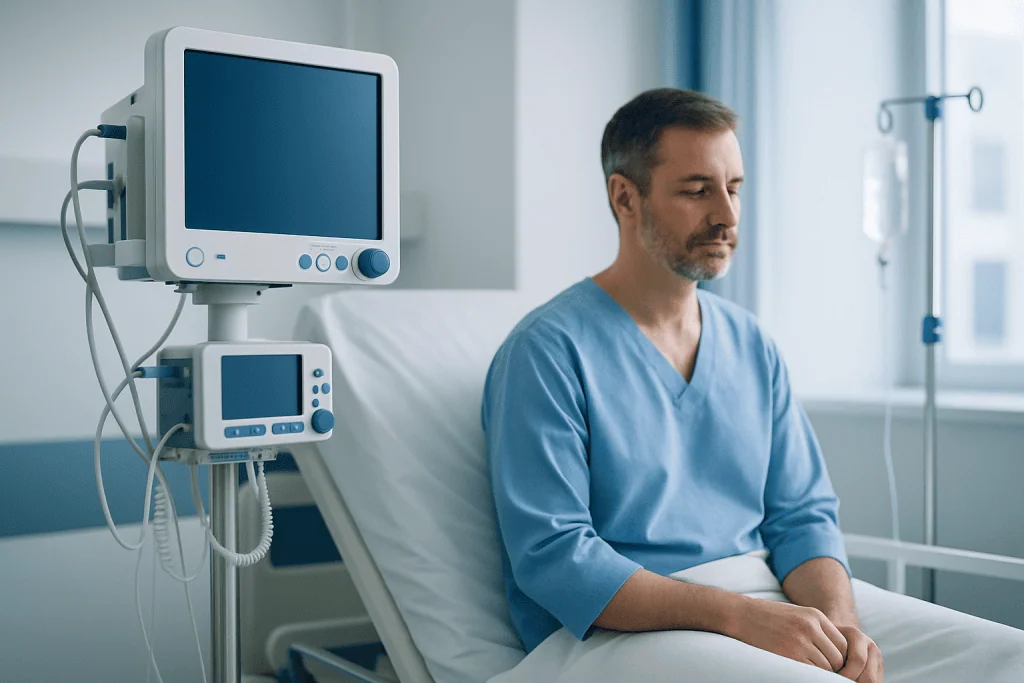
The first few days are usually the most uncomfortable. Pain may be more noticeable during sitting, walking, or passing stool, and a feeling of pressure or fullness in the rectal area is common. Some people have temporary difficulty urinating after surgery because of pain, swelling, or the effects of anesthesia; this should be reported promptly if it occurs.
During the first one to two weeks, patients often need to adjust daily routines. Rest is important, but complete bed rest is usually not recommended. Gentle walking can support circulation and bowel function, while heavy lifting and strenuous exercise are usually limited until the surgeon advises otherwise.
Recovery speed varies. Some people return to desk work within several days after less invasive treatment, while others need more time after a conventional hemorrhoidectomy. It is common for bowel movements to feel uncomfortable for a period, and mild drainage on underwear or dressings may continue while the area heals.
- Expected early symptoms: soreness, swelling, light bleeding, and fatigue
- Common temporary issues: constipation, fear of bowel movements, or mild mucus discharge
- Typical progress: gradual improvement rather than steady day-by-day comfort
Pain, bowel movements, and daily self-care

Pain control is a central part of life after hemorrhoid surgery. Doctors may recommend a combination of prescribed pain relief, warm sitz baths, and local care measures. Taking medicine exactly as directed and not waiting until pain becomes severe can make recovery smoother. Warm water baths several times a day, especially after bowel movements, may help relax the area and reduce discomfort.
Bowel management is equally important. Stool that is hard or difficult to pass can worsen pain and strain healing tissues. Patients are often advised to drink enough fluids, gradually increase dietary fiber, and use stool-softening measures if recommended by their clinician. The aim is to keep stools soft, formed, and easy to pass without straining.
Daily hygiene should be gentle. The area is usually cleaned with water or soft, unscented tissue rather than vigorous wiping. Tight clothing, prolonged sitting, and delaying the urge to have a bowel movement can all add discomfort. If symptoms of constipation persist, a doctor may discuss broader digestive support and, in some cases, referral for evaluation of underlying bowel problems such as constipation.
Diet, activity, and healing habits that support recovery
Food and routine play a major role in healing. A balanced diet that includes fruits, vegetables, legumes, and whole grains can help stools stay soft and regular. Some people tolerate a lighter diet for the first day or two after surgery, then gradually return to normal eating. Adequate hydration is especially important, since dehydration can contribute to hard stools and straining.
Activity should increase gradually. Short walks are usually helpful, but intense workouts, heavy lifting, cycling, and activities that increase abdominal pressure may need to wait until the surgeon confirms it is safe. Sitting on a soft cushion for long periods is not always enough to relieve pressure; changing positions frequently can be more comfortable.
Patients should also avoid habits that can slow recovery. These include smoking, prolonged toilet sitting, reading or using a phone on the toilet, and forceful straining. If pelvic floor tension or poor bowel mechanics are contributing factors, a doctor may recommend a broader recovery plan and, when needed, treatments offered through gastroenterology care to support long-term bowel health.
Possible side effects, complications, and what is not normal
Most symptoms after surgery are temporary, but it helps to know what is expected and what is not. Mild bleeding on toilet paper or in the toilet bowl can happen early in recovery. Swelling, tenderness, and a small amount of clear or yellowish drainage may also occur. These symptoms usually lessen over time rather than steadily worsen.
Less common complications can include significant bleeding, infection, urinary retention, delayed wound healing, narrowing of the anal canal, persistent skin tags, or ongoing pain. Some patients worry when they feel a small lump afterward; this may be swelling or a healing tissue fold, but it should be checked if it is painful, growing, or not improving.
In the long term, recurrence is possible, especially if constipation, chronic straining, or prolonged sitting on the toilet continue. Ongoing bleeding should not automatically be assumed to come from hemorrhoids alone. Depending on age, symptoms, and medical history, a doctor may recommend further assessment of the digestive tract, sometimes including colonoscopy or other evaluation to look for another source of rectal bleeding.
Follow-up, long-term outlook, and preventing recurrence
Follow-up appointments help the surgical team assess healing, answer questions about pain or bowel habits, and identify any problems early. Patients should bring up symptoms that feel embarrassing or minor, such as leakage, itching, lingering swelling, or fear of bowel movements. These concerns are common and often manageable with simple changes or additional treatment.
The long-term outlook after hemorrhoid surgery is usually good, especially when the original causes of pressure and straining are addressed. Many patients experience less bleeding, less prolapse, and better day-to-day comfort once recovery is complete. Even so, surgery does not remove the need for healthy bowel habits.
Preventing recurrence generally involves lifelong attention to stool consistency and toilet habits. This includes eating enough fiber, staying physically active, maintaining hydration, responding promptly to the urge to pass stool, and avoiding repeated strain. If symptoms return or if there is concern about another anorectal problem, clinicians may evaluate for related conditions and discuss whether support from general surgery or other specialists is appropriate.
When to seek medical care
Patients should contact their doctor if pain is worsening rather than slowly improving, if they cannot pass urine, or if constipation continues despite following advice. Medical review is also important for fever, chills, foul-smelling discharge, or redness that seems to spread, as these may suggest infection or another complication.
Urgent care is needed for heavy rectal bleeding, large blood clots, severe weakness, dizziness, fainting, chest pain, or shortness of breath. New or intense abdominal pain should also be assessed promptly. These symptoms are not considered a routine part of recovery.
For international patients or those seeking coordinated follow-up, Acibadem International’s multidisciplinary specialists in JCI-accredited hospitals diagnose and treat anorectal conditions and guide recovery after surgery. The most appropriate advice always comes from the treating surgeon, who knows the exact procedure performed and the patient’s medical history.
Frequently asked questions
How long does it take to recover from hemorrhoid surgery?
Recovery time depends on the type of procedure and the person’s overall health. Many people feel gradually better over one to three weeks, while complete healing after a hemorrhoidectomy may take several more weeks. A surgeon can give the most accurate timeline based on the specific operation.
Is it normal to have pain during bowel movements after hemorrhoid surgery?
Yes. Pain or burning during bowel movements is common in the early recovery period because the surgical area is sensitive and healing. Keeping stools soft, drinking enough fluids, and following the doctor’s pain-relief plan can help reduce discomfort.
How can constipation be prevented after hemorrhoid surgery?
Constipation is often prevented with good hydration, gradual fiber intake, regular light activity, and stool-softening measures if recommended by a doctor. Avoiding delayed bowel movements and straining is also important. If constipation continues, medical advice is needed rather than repeated self-treatment.
When can normal activities or work be resumed?
This varies widely. People who had less invasive treatment may return to routine activities sooner, while those who had more extensive surgery may need more time off from work and exercise. The safest plan is to resume activities gradually and follow the surgeon’s written instructions.
Is bleeding after hemorrhoid surgery normal?
A small amount of bleeding or spotting can be normal, especially with bowel movements in the first days or weeks. However, heavy bleeding, repeated passage of clots, or bleeding associated with weakness or dizziness should be assessed urgently. Any bleeding that seems to increase rather than improve should be reported.
Can hemorrhoids come back after surgery?
Yes, recurrence is possible, although many patients have long-lasting relief. The risk is lower when constipation, straining, prolonged toilet sitting, and poor bowel habits are addressed. Ongoing prevention is an important part of long-term results.
References
- American Society of Colon and Rectal Surgeons
- National Institute of Diabetes and Digestive and Kidney Diseases
- Mayo Clinic
- Cleveland Clinic
- National Health Service
This article is for general information only and is not a substitute for professional medical advice. Please consult a qualified doctor about your individual situation.
Persistent digestive symptoms? Get evaluated in Turkey
JCI-accredited · board-certified surgeons · reply within 24h
Add us as a Preferred Source to see more of our trusted health content across Google Search, AI Overviews and Discover.

More from the Health Library



Related Specialists

Dr. Funda Tekkeşin
Pediatric Hematology
Prof. Dr. Tansu Küçük
Gynecology & Obstetrics
Prof. Dr. Dilaver Özturan
Otorhinolaryngology
Dr. Mehmet Teomete
Medical Oncology