Extreme jealousy: A Complete Medical Guide for Patients

Extreme jealousy goes beyond normal relationship worry and can interfere with daily life, trust, and emotional well-being. It may be linked to anxiety, depression, trauma, substance use, obsessive thinking, or delusional beliefs.
Key Takeaways
- Extreme jealousy goes beyond normal relationship worry and can interfere with daily life, trust, and emotional well-being.
- It may be linked to anxiety, depression, trauma, substance use, obsessive thinking, or delusional beliefs.
- Assessment usually focuses on symptoms, relationship patterns, mental health history, and safety concerns.
- Treatment may include psychotherapy, treatment of underlying mental health conditions, and support for healthier communication.
- Urgent medical or psychiatric help is important if jealousy is accompanied by threats, stalking, self-harm thoughts, or loss of touch with reality.
Extreme jealousy is more than ordinary insecurity. It is intense, persistent jealousy that can overwhelm thoughts, strain relationships, and sometimes signal an underlying mental health condition that benefits from professional evaluation and treatment.
Overview: what extreme jealousy means
Extreme jealousy is a pattern of unusually intense fear, suspicion, or distress related to a partner, real or imagined rivals, or perceived threats to a relationship. Unlike common jealousy, which many people experience occasionally, extreme jealousy tends to be persistent, difficult to control, and disruptive. It may lead to repeated checking, accusations, reassurance-seeking, conflict, or constant mental preoccupation.
In clinical settings, extreme jealousy is not one single diagnosis. Instead, it is a symptom pattern that can appear in different mental health conditions, including anxiety disorders, depression, trauma-related conditions, obsessive thinking patterns, substance-related problems, personality-related difficulties, and in some cases delusional disorders. A careful assessment helps clarify whether the jealousy reflects stress, a relationship problem, or a treatable medical or psychiatric condition.
It is also important to separate feelings from actions. A person may experience distressing jealous thoughts without wanting to act on them, while others may begin behaviors that harm trust, privacy, or safety. Because of this, clinicians look at both the emotional experience and how it affects behavior, work, sleep, family life, and personal well-being.
How extreme jealousy may feel and behave
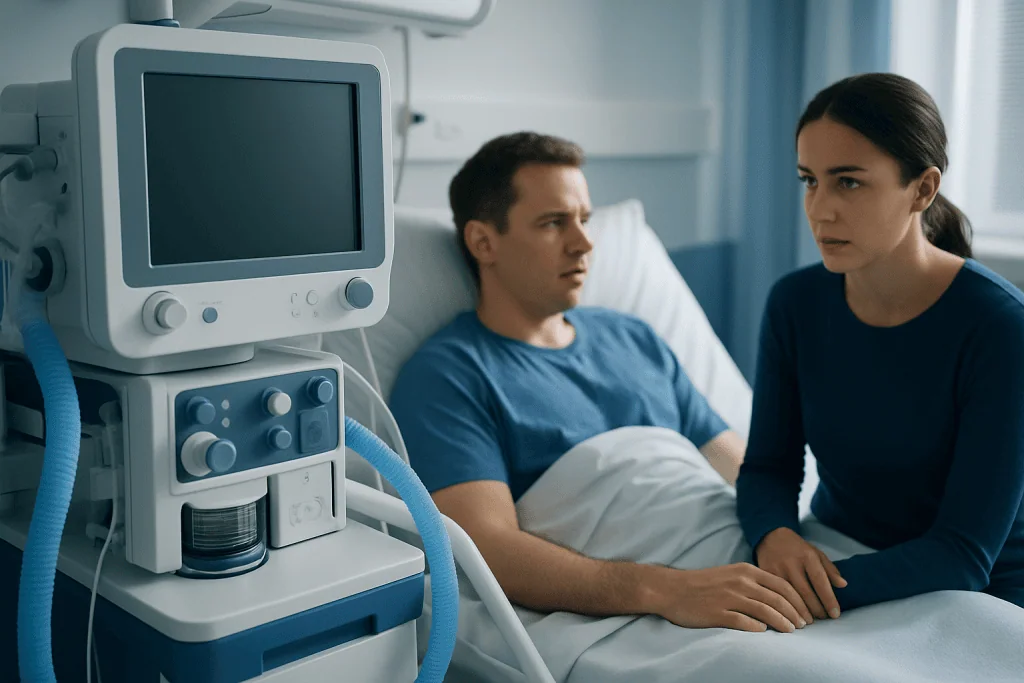
People with extreme jealousy often describe constant worry that a partner will leave, betray, or deceive them, even when there is little or no evidence. The thoughts may feel intrusive and hard to dismiss. Small events, such as a delayed reply, a work message, or a casual social interaction, may trigger intense distress or anger out of proportion to the situation.
Behavioral signs can include repeated questioning, checking phones or social media, monitoring whereabouts, comparing oneself with others, seeking frequent reassurance, or replaying conversations for hidden meaning. Some people become withdrawn and depressed, while others become argumentative or controlling. These behaviors may temporarily reduce anxiety but often worsen it over time by keeping the cycle of suspicion active.
Physical symptoms may also occur, especially when jealousy is tied to anxiety. These can include poor sleep, restlessness, muscle tension, racing thoughts, stomach discomfort, reduced concentration, and irritability. If jealousy becomes severe, it can affect work performance, parenting, intimacy, and the ability to feel emotionally safe.
- Persistent suspicion despite reassurance
- Frequent accusations or interrogating a partner
- Compulsive checking of messages, locations, or online activity
- Strong fear of abandonment or betrayal
- Anger, panic, sadness, or shame triggered by relationship situations
Common causes and risk factors

Extreme jealousy usually develops from a mix of emotional, psychological, relational, and sometimes biological factors. Personal history matters. People who have experienced betrayal, inconsistent caregiving, abandonment, bullying, or traumatic relationships may become especially sensitive to signs of rejection. Low self-esteem and a negative self-image can also make everyday uncertainty feel more threatening.
Mental health conditions may increase the risk. Anxiety can intensify worry and reassurance-seeking. Depression may magnify feelings of inadequacy and hopelessness. Obsessive thought patterns can make jealousy repetitive and difficult to interrupt. In some cases, a person may develop fixed false beliefs about infidelity that do not change even when evidence is lacking; this may need specialist psychiatric care. Problems such as depression can sometimes coexist with pathological jealousy and influence treatment needs.
Alcohol and drugs may worsen jealousy by lowering impulse control, increasing suspicion, or contributing to conflict. Sleep deprivation, major life stress, and relationship instability can also make symptoms more intense. Less commonly, neurological illness or cognitive changes may affect judgment, perception, or emotional regulation. That is one reason clinicians sometimes consider a broader medical evaluation when symptoms are new, severe, or unusual.
How doctors and mental health professionals diagnose it
There is no single lab test for extreme jealousy. Diagnosis begins with a detailed clinical conversation about the person’s thoughts, emotions, behavior, relationships, general health, and mental health history. A doctor, psychiatrist, or psychologist will usually ask when the jealousy began, what triggers it, how often it occurs, whether the beliefs feel doubtful or completely certain, and whether there have been arguments, controlling behavior, or safety concerns.
The evaluation often looks for related conditions such as anxiety, depression, trauma-related symptoms, obsessive-compulsive traits, substance use, personality-related patterns, or psychotic symptoms. Screening questionnaires may be used to understand severity, but the diagnosis relies mainly on a careful interview. When appropriate, doctors may also ask about medications, alcohol use, sleep, and medical conditions that could affect mood or thinking.
In some situations, a broader assessment is useful, especially if the person has confusion, memory changes, severe agitation, hallucinations, or a sudden change in personality. Depending on symptoms, clinicians may recommend psychiatric evaluation, counseling, or additional medical review. The goal is not to label a person for having strong emotions, but to identify treatable causes and reduce harm.
Treatment options and what recovery can involve
Treatment depends on the cause, severity, and impact of the jealousy. For many people, psychotherapy is the main treatment. Therapy can help identify triggers, challenge distorted assumptions, improve emotional regulation, build self-esteem, and develop healthier ways to manage uncertainty. Approaches such as cognitive behavioral therapy may help reduce checking, reassurance-seeking, and repetitive suspicious thinking.
If jealousy is part of another mental health condition, that condition is also treated. For example, care may focus on anxiety, trauma, depression, or psychotic symptoms when present. In some cases, a clinician may recommend medication to help with the underlying disorder, especially when symptoms are severe or persistent. Medication choices vary and should be individualized by a qualified doctor.
Couples therapy can be helpful when both partners feel safe and willing to participate. It may improve communication, boundaries, and conflict management, but it is not appropriate in every situation, particularly if there is intimidation, stalking, or abuse. Some people benefit from a combination of psychological therapy and relationship-focused support. If extreme jealousy occurs alongside more severe psychiatric symptoms, mental health care may involve a multidisciplinary team.
Recovery does not always mean never feeling jealous again. Instead, it usually means that jealousy becomes less intense, less believable, and less likely to control behavior. With appropriate care, many people learn to respond to insecurity in healthier ways and build more stable, respectful relationships.
Self-care, relationship habits, and prevention
Self-care can support treatment, though it does not replace professional help when symptoms are severe. Helpful steps include getting regular sleep, limiting alcohol and recreational drugs, maintaining routines, and noticing patterns that worsen suspicion, such as fatigue or prolonged conflict. Keeping a journal of triggers and emotional reactions may help a person recognize recurring themes and discuss them clearly in therapy.
Healthy relationship habits matter as well. Clear communication, agreed privacy boundaries, and respectful conflict resolution can reduce misunderstandings. It can help to pause before reacting, check assumptions, and ask whether there is solid evidence for a fear. Learning to tolerate some uncertainty is a major part of recovery, because constant checking rarely creates lasting reassurance.
Prevention focuses less on eliminating jealousy altogether and more on managing vulnerability early. People who notice repeated insecurity, controlling behavior, or escalating suspicion may benefit from support before problems become entrenched. For some, addressing related issues such as anxiety disorders or unresolved trauma can reduce the intensity of jealousy over time.
When to seek medical care
Professional care is appropriate when extreme jealousy is persistent, causes major distress, or interferes with work, sleep, family life, or relationships. It is especially important if the person feels unable to control suspicious thoughts, repeatedly checks or monitors a partner, or is becoming isolated, depressed, or highly anxious. Early assessment can help prevent the pattern from becoming more disruptive.
Urgent help is needed if jealousy is linked to threats, intimidation, stalking, violence, thoughts of self-harm, or beliefs that seem completely fixed despite clear evidence to the contrary. Emergency evaluation is also important if there are hallucinations, severe agitation, or confusion. In these situations, contacting emergency services or the nearest emergency department may be the safest option.
For patients seeking coordinated care, Acibadem International’s multidisciplinary specialists in JCI-accredited hospitals assess and treat mental health symptoms for international patients. A qualified clinician can decide whether support is best provided through outpatient therapy, psychiatric care, or a broader medical evaluation.
Frequently asked questions
Is extreme jealousy a mental illness?
Extreme jealousy itself is usually considered a symptom pattern rather than a single diagnosis. It can occur on its own as a relationship-related problem or as part of conditions such as anxiety, depression, trauma-related disorders, obsessive thinking patterns, or delusional disorders.
What is the difference between normal jealousy and extreme jealousy?
Normal jealousy is usually temporary, linked to a specific situation, and manageable without major disruption. Extreme jealousy is more persistent, intense, and difficult to control, and it may lead to repeated checking, accusations, conflict, or significant distress.
Can extreme jealousy be treated?
Yes. Many people improve with psychotherapy, treatment of any underlying mental health condition, and healthier communication strategies. The best plan depends on the cause, symptom severity, and whether safety concerns are present.
Can trauma or low self-esteem cause extreme jealousy?
They can contribute to it. Past betrayal, abandonment, insecure attachment, and poor self-image may increase sensitivity to perceived rejection and make uncertain situations feel more threatening.
When is jealousy considered dangerous?
Jealousy becomes dangerous when it leads to threats, stalking, coercion, violence, or thoughts of self-harm. It also needs urgent evaluation if a person has fixed false beliefs, hallucinations, severe agitation, or a sudden change in thinking or behavior.
Should couples therapy be used for extreme jealousy?
Sometimes, but not always. Couples therapy can help with communication and trust when both partners feel safe, but individual assessment is important first, especially if there is intimidation, abuse, or severe mental health symptoms.
References
- World Health Organization
- American Psychiatric Association
- National Institute of Mental Health
- National Health Service
- Mayo Clinic
This article is for general information only and is not a substitute for professional medical advice. Please consult a qualified doctor about your individual situation.
Explore treatments in Turkey — costs, top hospitals & a free quote
JCI-accredited · board-certified surgeons · reply within 24h
Add us as a Preferred Source to see more of our trusted health content across Google Search, AI Overviews and Discover.