Folliculitis: Causes, Types, and When Infected Follicles Need Treatment

Folliculitis causes small red bumps or pustules around hair follicles and can affect the scalp, beard area, body, or groin. Common triggers include shaving, sweat, tight clothing, friction, bacteria, yeast, and blocked follicles.
Key Takeaways
- Folliculitis causes small red bumps or pustules around hair follicles and can affect the scalp, beard area, body, or groin.
- Common triggers include shaving, sweat, tight clothing, friction, bacteria, yeast, and blocked follicles.
- Mild folliculitis may settle with hygiene measures and avoiding irritation, but deeper or recurrent cases often need medical treatment.
- Scalp folliculitis can sometimes be confused with other scalp conditions and should be assessed if it leads to pain, hair loss, or scarring.
- Medical care is important if the rash spreads, does not improve, returns often, or is associated with fever or significant tenderness.
Folliculitis is inflammation of one or more hair follicles, usually caused by irritation, friction, shaving, bacteria, or yeast. Many cases are mild and improve with gentle skin care, but persistent, painful, or spreading folliculitis may need medical evaluation and treatment.
Overview: What folliculitis is
Folliculitis is inflammation of the hair follicles, the tiny openings in the skin where hairs grow. It often looks like small red bumps, white-headed spots, or tender pustules centered around hairs. The condition can happen anywhere hair grows, including the scalp, beard area, chest, back, buttocks, arms, and legs.
In many people, folliculitis is mild and short-lived. It may develop after shaving, sweating, using occlusive products, or wearing tight clothing that causes friction. In other cases, bacteria, yeast, or less commonly other microorganisms trigger an infection in the follicle.
Although folliculitis is common, it is not a single disease with one cause. Doctors classify it by how deep it goes in the skin, what is causing it, and where it appears on the body. This matters because treatment for a simple irritated follicle is different from treatment for deeper or recurrent infected follicles.
Symptoms and how folliculitis can look
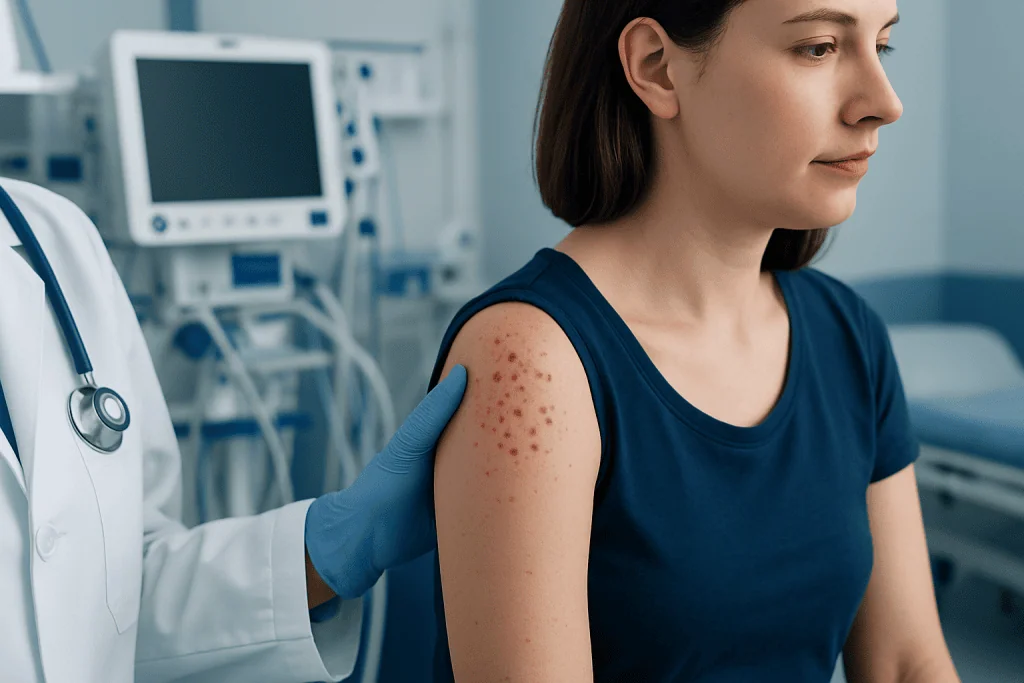
The most typical symptoms are clusters of small red bumps or pus-filled spots around hair follicles. The skin may itch, sting, burn, or feel tender. Some people notice a rough, bumpy rash, while others develop larger, more painful inflamed areas.
On the scalp, folliculitis may cause sore spots, crusting, or small pustules hidden among the hairs. In the beard area, it may appear after shaving and can overlap with ingrown hairs. On the body, it often shows up in areas exposed to sweat, heat, rubbing, or tight fabrics.
Folliculitis can vary from superficial to deep. Superficial folliculitis affects the upper part of the follicle and usually causes smaller bumps or pustules. Deeper folliculitis may produce larger painful nodules, swelling, and a greater risk of marks or scarring after healing.
- Red or pink bumps around hair follicles
- White or yellow pustules
- Itching, burning, or tenderness
- Crusting or oozing
- Painful deeper lumps in more severe cases
- Temporary hair shedding in the affected area
Causes, triggers, and common types

Folliculitis can be caused by infection, irritation, or blockage of the hair follicle. Bacteria, especially Staphylococcus aureus, are a common cause. Yeast such as Malassezia can also inflame follicles, particularly on the scalp, chest, and back. Shaving, waxing, friction from clothing, heavy sweating, and oily or occlusive skin products may contribute by irritating or blocking follicles.
Doctors also recognize different patterns of folliculitis. Hot tub folliculitis is linked to exposure to poorly maintained water and is often caused by Pseudomonas bacteria. Pseudofolliculitis, often seen in the beard area, is not a true infection but results from ingrown hairs after shaving. Scalp folliculitis may sometimes overlap with acne-like eruptions or inflammatory scalp disorders, and persistent cases can resemble seborrheic dermatitis or other scalp conditions.
Risk factors include diabetes, obesity, humid environments, frequent shaving, tight sportswear, and anything that weakens the skin barrier. People taking certain medications, using long courses of antibiotics, or living with reduced immunity may also be more prone to recurrent folliculitis. When inflammation damages the follicles over time, some forms can lead to patchy thinning or scarring, which is why persistent scalp symptoms deserve attention.
Because scalp and hair disorders can overlap, a specialist may also consider other causes of bumps, redness, or shedding, including acneiform eruptions, fungal infection, or inflammatory scalp disease. In people concerned about appearance or hair density, it is helpful to know that doctors may assess follicle health before planning restorative procedures such as hair transplant treatment.
How folliculitis is diagnosed
Folliculitis is often diagnosed by clinical examination. A doctor usually asks when the rash started, whether it itches or hurts, where it appears, and whether it is linked to shaving, sweating, products, medications, or hot tub exposure. Examining the pattern and location of the bumps often gives important clues.
If the condition is severe, recurrent, or not responding to treatment, further tests may be useful. A swab from a pustule can help identify whether bacteria are present and which antibiotics may work best. In some situations, a skin scraping or sample may be checked for yeast or fungal infection.
For scalp folliculitis, the doctor may use dermoscopy, a close-up examination tool, to look at the follicles and scalp surface. Rarely, if the diagnosis is uncertain or scarring is suspected, a small skin biopsy may be recommended. This helps distinguish folliculitis from other conditions such as hair loss disorders or inflammatory scalp diseases that need different treatment.
Treatment options for infected or inflamed follicles
Treatment depends on the cause, severity, and location. Mild folliculitis may improve with warm compresses, gentle cleansing, and avoiding shaving or friction until the skin settles. Doctors often advise stopping irritating products and choosing loose, breathable clothing if body areas are affected.
When infection is suspected, treatment may include antiseptic washes, topical antibiotics, or other prescription creams. Deeper or widespread bacterial folliculitis may need oral antibiotics. If yeast is contributing, antifungal shampoos or medications may be recommended, especially for scalp, chest, or back involvement.
For pseudofolliculitis related to shaving, changing hair-removal habits is central. This may include shaving less closely, using proper lubrication, or considering alternatives to frequent razor use. Some patients with recurrent shaving-related bumps discuss longer-term solutions such as laser hair removal with their doctor if appropriate for the affected area.
Persistent scalp inflammation sometimes requires a broader scalp-care plan to reduce irritation and preserve follicle health. If there is associated scaling or another scalp disorder, treatment may overlap with care used for scalp psoriasis or related inflammatory conditions. At the end of a patient pathway, multidisciplinary specialists at Acibadem International and its JCI-accredited hospitals can evaluate and treat folliculitis and related scalp concerns for international patients.
Prevention and self-care
Preventing folliculitis usually means reducing irritation and keeping the skin environment less favorable for infection. Gentle cleansing after sweating, showering soon after exercise, and changing out of damp clothes can help. It is also useful to avoid sharing razors, towels, or personal grooming items.
Shaving technique matters. Using a clean sharp razor, shaving in the direction of hair growth, and not stretching the skin too tightly may reduce razor-related folliculitis and ingrown hairs. Some people do better with electric trimmers rather than very close shaving.
Product choice can also make a difference. Heavy oils, greasy pomades, and occlusive body products may block follicles in some people. On the scalp, if buildup, dandruff, or excess oil is part of the problem, a doctor may advise medicated shampoos or targeted scalp treatments such as supportive scalp therapies when clinically appropriate.
- Keep the skin clean and dry, especially after sweating
- Avoid tight clothing that rubs the skin
- Use clean razors and do not share personal items
- Pause shaving over inflamed areas when possible
- Choose non-occlusive skin and hair products
- Follow a doctor’s advice if folliculitis keeps coming back
When to seek medical care
Medical advice is recommended if folliculitis is painful, spreading, or not improving after several days of self-care. Care is also important if the bumps keep returning, involve a large area, or affect the scalp with noticeable hair shedding, crusting, or possible scarring. These features can signal a deeper infection or a condition that needs prescription treatment.
Urgent assessment is sensible if there is fever, rapidly increasing redness, warmth, swelling, or significant drainage, as these may suggest a more extensive skin infection. People with diabetes, reduced immunity, or other chronic health conditions should seek care early because infections may be harder to control.
Children, older adults, and anyone unsure whether the rash is folliculitis should be evaluated by a qualified clinician. A clear diagnosis helps avoid unnecessary treatments and helps protect the hair follicles and skin from ongoing inflammation.
Frequently asked questions
Does folliculitis go away on its own?
Mild folliculitis often improves on its own, especially when the trigger is removed. Gentle skin care, avoiding friction, and pausing shaving can help it settle. If it persists, worsens, or keeps returning, a doctor should assess it.
Is folliculitis contagious?
Folliculitis itself is not always contagious, because some cases are caused by irritation or ingrown hairs rather than infection. However, if bacteria are involved, sharing razors, towels, or hot tubs can sometimes spread the responsible germs. Good hygiene and not sharing personal items help reduce risk.
What is the difference between folliculitis and acne?
Both can cause red bumps and pustules, but folliculitis is centered on hair follicles and may be linked to shaving, friction, or infection. Acne usually involves blackheads, whiteheads, and deeper oil-gland inflammation. The two can look similar, so persistent symptoms may need medical review.
Can scalp folliculitis cause hair loss?
It can cause temporary shedding when inflammation affects the follicles. If the inflammation is deep, chronic, or scarring, there is a greater risk of lasting hair loss in the affected areas. Early treatment is important when scalp symptoms are painful, recurrent, or leaving marks.
Should folliculitis be squeezed or popped?
It is best not to squeeze or pick at folliculitis bumps. This can worsen inflammation, spread infection, and increase the chance of marks or scarring. Warm compresses and medical treatment are safer approaches.
When are antibiotics needed for folliculitis?
Antibiotics may be needed when bacterial folliculitis is widespread, painful, deep, or not improving with simple care. A doctor decides whether topical or oral treatment is most appropriate based on the likely cause and severity. Not all folliculitis needs antibiotics, especially if yeast or irritation is the main trigger.
References
- American Academy of Dermatology
- National Health Service
- Merck Manual
- Mayo Clinic
- Cleveland Clinic
This article is for general information only and is not a substitute for professional medical advice. Please consult a qualified doctor about your individual situation.
Folliculitis in Turkey — costs, top hospitals & a free quote
JCI-accredited · board-certified surgeons · reply within 24h
Add us as a Preferred Source to see more of our trusted health content across Google Search, AI Overviews and Discover.

More from the Health Library



Related Specialists

Assoc. Prof. Dr. Ece Uysal
Neurosurgery
Dt. Mete Dalbeler
Oral & Dental Health
Dr. Ceyhun Başıoğlu
Physical Medicine & Rehabilitation
Prof. Dr. Kahraman Öztürk
Orthopedic Surgery & Traumatology