Sleeping After a Hair Transplant: Positions, Timeline, and Protecting Grafts

Most patients are advised to sleep on their back with the head elevated for the first few nights after a hair transplant. Avoid sleeping on the stomach or side early on, because rubbing or pressure can disturb fresh grafts.
Key Takeaways
- Most patients are advised to sleep on their back with the head elevated for the first few nights after a hair transplant.
- Avoid sleeping on the stomach or side early on, because rubbing or pressure can disturb fresh grafts.
- A travel pillow, extra pillows, or a recliner can help maintain a safe sleeping position and reduce swelling.
- The exact timeline for returning to normal sleep positions depends on the technique used and the surgeon’s instructions.
- New bleeding, increasing pain, pus, fever, or sudden graft loss should be assessed by a qualified doctor.
Sleeping after hair transplant is usually safest on the back with the head elevated, especially during the first several nights. This helps protect newly placed grafts, reduce swelling, and support a smoother recovery while the scalp begins to heal.
Overview: How to Sleep After a Hair Transplant
Sleeping after hair transplant is usually safest on the back with the head elevated, particularly during the first few nights. This position helps protect the transplanted grafts from friction, pressure, and accidental rubbing against a pillow. It can also reduce swelling around the scalp and forehead, which is a common short-term part of recovery.
The first days matter because the grafts are newly placed and not yet fully secure. During this period, even normal sleep movements can irritate the treated area if the head rests directly on it. For that reason, patients are commonly advised to avoid sleeping face down or on the side until their surgeon says it is safe to return to normal positions.
Comfort is still important. Many people sleep more easily by using a reclining chair, wedge pillow, or travel neck pillow to keep the head stable overnight. Following the post-procedure plan from the treating team is the most reliable way to balance comfort with graft protection after hair transplant treatment.
Why Sleeping Position Matters for New Grafts
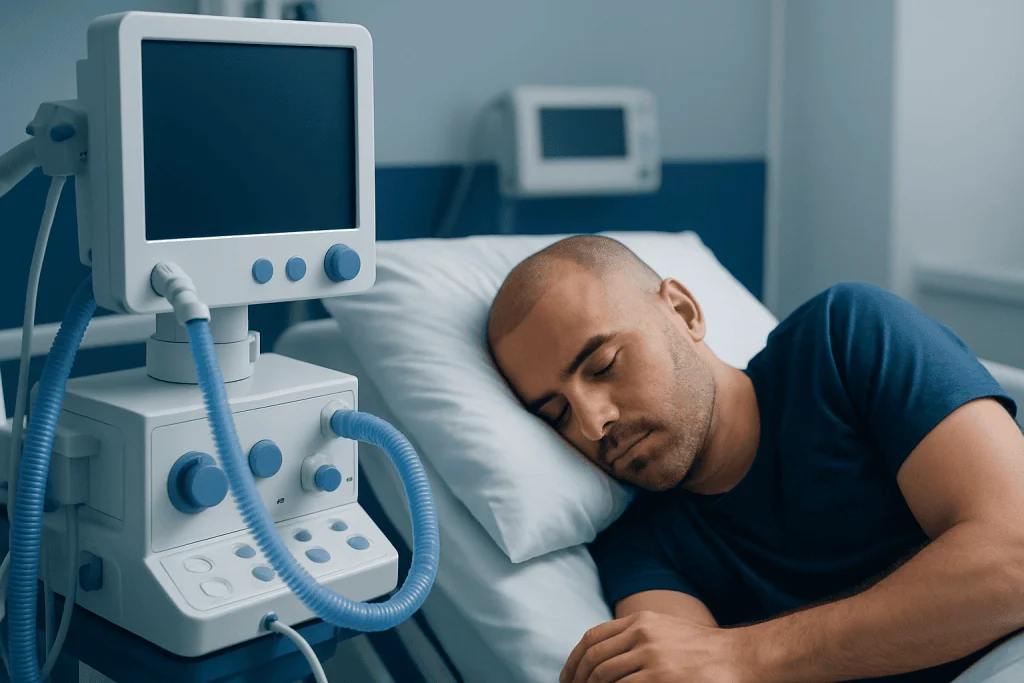
During a hair transplant, follicular grafts are carefully placed into tiny recipient sites in the scalp. In the early healing phase, these grafts need time to settle into place and establish a blood supply. Direct pressure, scratching, or repeated friction may increase irritation and could affect healing.
Sleep position also matters because swelling tends to move downward with gravity. If the head is kept flat, fluid may collect more easily around the forehead or eyes. Elevating the head can help limit this. While mild swelling is often temporary, reducing it can make recovery more comfortable and may make it easier to follow aftercare instructions.
Another reason to be careful is that patients may move unconsciously during sleep. A pillow touching the transplanted area, especially in the first few nights, may create rubbing without the person realizing it. This is one reason aftercare is an important part of the overall procedure and recovery process and why clear instructions from the surgeon should guide daily activities.
Best Sleeping Positions and What to Avoid
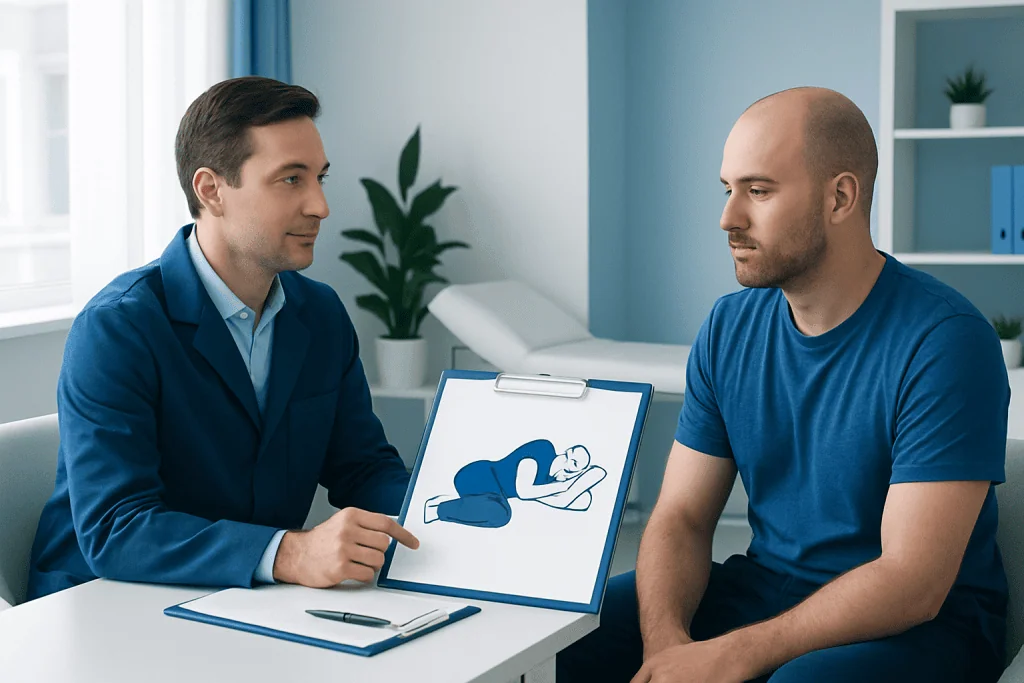
The preferred position after a hair transplant is usually lying on the back with the head elevated at roughly a gentle angle, often about 30 to 45 degrees unless the surgeon recommends otherwise. This can be done with two or more pillows, a wedge pillow, or by sleeping in a recliner. A travel pillow around the neck can help prevent the head from rolling to one side.
Patients are commonly told to avoid stomach sleeping in the early stage because the front of the scalp may press directly into the pillow. Side sleeping may also be restricted at first, especially if grafts were placed on the top, front, or crown. If donor hair was taken from the back of the scalp, some tenderness there can also make certain positions uncomfortable.
Helpful ways to protect the scalp at night may include:
- Using clean, soft pillow coverings and changing them regularly
- Wearing any protective head covering only if specifically recommended by the surgeon
- Keeping pets, children, and heavy blankets from contacting the scalp during sleep
- Avoiding alcohol or sedating substances if they make sleep movements harder to control
It is also best not to scratch the scalp, even if itching begins. Mild itching can be part of healing, but rubbing may disturb scabs and irritate the recipient area. If itching is troublesome, the care team can advise safe ways to manage it.
Timeline: When Normal Sleeping Can Usually Resume
The exact sleep timeline varies between patients and depends on the transplant technique, the number of grafts, and the surgeon’s protocol. In many cases, the most protective sleep setup is needed for the first several nights, and sometimes for about a week. This is generally the period when grafts are most vulnerable to direct mechanical irritation.
As the scalp starts to heal, crusting and tenderness gradually improve. Many people are able to resume more natural sleep positions after the first week or after they receive confirmation at follow-up. However, some may be told to continue avoiding pressure on the treated area for longer, particularly if healing is slower or the recipient zone is extensive.
It can help to think of recovery in stages rather than looking for a single universal day. The first stage focuses on protecting grafts, the next on gentle washing and reducing irritation, and later stages on normal shedding and regrowth. Readers looking at the broader course of healing may also find hair transplant recovery timeline helpful, along with related guidance on graft counts in hair transplant and Norwood stages when planning expectations.
If instructions from online sources differ, the treating surgeon’s advice should take priority. They know where the grafts were placed, how dense the session was, and whether there are any individual risk factors that affect healing.
Practical Tips to Protect Grafts Overnight
Preparing the sleep environment before bedtime can make recovery easier. A stable setup reduces the chance of rolling onto the scalp during the night. Many patients place pillows on either side of the body or use a recliner for the first nights to stay in position with less effort.
Scalp hygiene is also part of overnight protection. Patients should follow their surgeon’s washing instructions carefully and avoid applying products not specifically approved for early recovery. Heavy oils, styling products, or hats worn too tightly may increase irritation or trap heat and sweat.
Useful steps may include:
- Sleeping with the head elevated for the recommended number of nights
- Using a neck pillow to limit turning during sleep
- Taking prescribed or recommended medicines exactly as directed
- Avoiding strenuous exercise close to bedtime if it increases scalp heat or sweating
- Keeping fingernails short to reduce accidental scratching
Some patients notice a small amount of spotting on the pillow in the very early period, particularly if the donor area is sensitive. Light staining can occur, but active bleeding should not be ignored. If there is uncertainty about what is normal, it is safest to contact the treating clinic or a qualified doctor.
Common Symptoms at Night: Swelling, Itching, and Discomfort
Mild tightness, tenderness, or a pulling sensation can be common after a hair transplant. These feelings may be more noticeable at night when the surroundings are quiet and there are fewer distractions. Keeping the head elevated and taking medicines only as directed may help ease discomfort.
Itching often begins as the scalp heals. This does not necessarily mean there is a problem. However, scratching can damage healing skin or dislodge crusts too early. Patients should ask their care team about safe moisturizers, saline sprays, or other approved aftercare steps if itching becomes bothersome.
Swelling often appears in the first few days and may move from the scalp toward the forehead. This can look unusual but often improves on its own. Elevation during sleep and following the aftercare plan are usually the main supportive measures.
Although a degree of redness and crusting can be expected, symptoms that worsen instead of gradually improving deserve attention. Increasing warmth, foul-smelling drainage, severe pain, or spreading redness may suggest infection or another complication and should be assessed promptly. General information on scalp conditions can also be found in hair loss resources, though individual post-transplant instructions remain most important.
When to Seek Medical Care
Most people recover without serious problems, but some symptoms should not be ignored. Medical advice is important if there is persistent or heavy bleeding, fever, increasing rather than improving pain, marked swelling, pus, or a bad odor from the scalp. These signs may indicate infection, inflammation, or another issue that needs assessment.
Patients should also seek help if they accidentally hit or rub the grafted area and are concerned that grafts may have been dislodged. A few loose hairs may not always mean graft failure, but it can be difficult to judge at home. Early communication with the surgeon or another qualified doctor is the safest approach.
People with diabetes, immune system problems, bleeding disorders, or skin conditions may need closer follow-up during recovery. If sleep is extremely difficult because of discomfort, anxiety, or breathing issues while sleeping elevated, this should also be discussed with a clinician so the plan can be adjusted safely.
For international patients who need specialist evaluation, Acibadem International’s multidisciplinary teams in JCI-accredited hospitals diagnose and manage hair restoration recovery concerns and related scalp issues with individualized follow-up.
Frequently asked questions
How long should a person sleep on their back after a hair transplant?
Many patients are advised to sleep on their back with the head elevated for the first several nights, and sometimes for about one week. The exact timing depends on the transplant technique, the number of grafts, and the surgeon’s instructions.
Can side sleeping damage hair grafts?
Side sleeping may place pressure or friction on the treated scalp, especially in the first days after the procedure. Because of that, it is often restricted until the grafts are more secure and the surgeon confirms it is safe.
Is it normal to have swelling while sleeping after hair transplant?
Yes, mild swelling can happen in the first few days after a hair transplant. Sleeping with the head elevated often helps reduce fluid buildup and may make recovery more comfortable.
What is the best pillow to use after a hair transplant?
A wedge pillow, extra supportive pillows, or a recliner can help keep the head elevated. Many people also use a travel neck pillow to reduce turning during sleep and help avoid contact with the grafted area.
What happens if a person accidentally rolls onto the transplanted area?
A brief accidental turn does not always mean the grafts are lost, but repeated pressure or rubbing is best avoided. If there is bleeding, visible trauma, or concern that grafts were dislodged, the treating doctor should be contacted for advice.
When can a person sleep normally again after a hair transplant?
Many people gradually return to more normal sleeping positions after the first week, once tenderness and crusting improve. However, the treating surgeon’s guidance should come first, because healing time can vary from person to person.
References
- American Academy of Dermatology
- International Society of Hair Restoration Surgery
- National Health Service
- Mayo Clinic
- American Society of Plastic Surgeons
This article is for general information only and is not a substitute for professional medical advice. Please consult a qualified doctor about your individual situation.
Hair transplant in Turkey — costs, graft counts & a free assessment
JCI-accredited · board-certified surgeons · reply within 24h
Add us as a Preferred Source to see more of our trusted health content across Google Search, AI Overviews and Discover.

More from the Health Library



Related Specialists

Dr. Özge Özvural
Pediatric Rehabilitation
Prof. Dr. Tevfik Rifki Evrenkaya
Internal Medicine
Dr. Sevim Buzkan Ertuğrul
Acibadem Life Clinical Service
Dr. Candemir Güneş
Anesthesiology