Hibiscus flowers: Benefits, Side Effects, and What the Evidence Shows
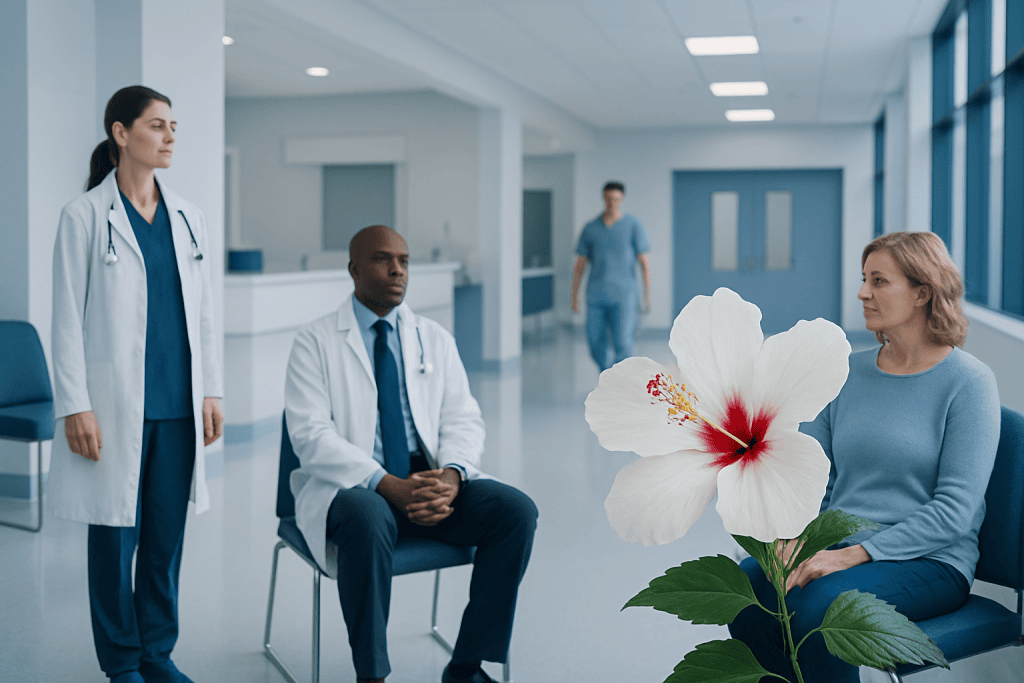
Hibiscus flowers are commonly consumed as tea or extract and contain plant compounds such as anthocyanins and organic acids. Clinical studies suggest hibiscus may modestly lower blood pressure in some adults, but it should not replace prescribed treatment.
Key Takeaways
- Hibiscus flowers are commonly consumed as tea or extract and contain plant compounds such as anthocyanins and organic acids.
- Clinical studies suggest hibiscus may modestly lower blood pressure in some adults, but it should not replace prescribed treatment.
- Evidence for weight loss, blood sugar control, liver support, or infection treatment is limited or inconsistent.
- Possible side effects include stomach upset, dizziness, and allergic reactions, and hibiscus may interact with some medicines.
- People who are pregnant, have low blood pressure, or take blood pressure, diabetes, or diuretic medicines should ask a doctor before using hibiscus regularly.
Hibiscus flowers are used in teas, extracts, and foods, and early research suggests they may offer modest health effects, especially for blood pressure. However, the evidence is mixed, benefits are not the same as medical treatment, and side effects, interactions, and safe use all matter.
Overview: What hibiscus flowers are and what evidence suggests
Hibiscus flowers are the bright, often deep red calyces of plants in the Hibiscus genus, especially Hibiscus sabdariffa. They are commonly used to make herbal tea, powders, extracts, and traditional beverages. Their tart flavor comes from natural fruit acids, and their color comes from plant pigments called anthocyanins.
From a medical perspective, hibiscus flowers are best understood as a food or herbal product with some promising but limited clinical evidence. The strongest research has looked at blood pressure, with some studies suggesting a modest reduction in adults with mildly elevated levels. There is also ongoing interest in possible effects on cholesterol, blood sugar, and body weight, but the findings are not consistent enough to treat hibiscus as a proven therapy.
This distinction matters. A natural product can have biologic effects, but that does not mean it is effective for every claim made online. The best way to view hibiscus flowers is as a beverage or supplement that may offer small health benefits for some people, while still carrying possible side effects, interactions, and limits to what the evidence actually shows.
Potential benefits: What clinical studies support most
The clearest area of study is blood pressure. Several clinical trials have found that hibiscus tea or standardized hibiscus extracts may help lower systolic and diastolic blood pressure by a modest amount in some adults, particularly those with prehypertension or mild hypertension. The effect is usually not dramatic, and results vary depending on the product, dose, and duration of use. People with diagnosed high blood pressure should not stop prescribed medicine in favor of hibiscus without medical guidance.
Researchers have also studied cholesterol and other heart-related markers. Some studies suggest modest improvements in total cholesterol, LDL cholesterol, or triglycerides, while others show little or no clear benefit. This means hibiscus cannot be considered a reliable stand-alone treatment for high cholesterol, though it may be part of a heart-healthy diet pattern.
Hibiscus flowers contain polyphenols and antioxidants, and laboratory studies suggest these compounds may reduce oxidative stress and inflammation. However, laboratory findings do not always translate into meaningful health outcomes in people. In patient care, doctors look for strong human evidence, and for hibiscus that evidence remains moderate at best for blood pressure and limited for most other outcomes.
Some people choose hibiscus as part of broader lifestyle changes such as reducing sodium, improving diet quality, and increasing physical activity. That approach is more realistic than expecting one tea or supplement to solve a complex health issue. If blood pressure remains elevated, clinicians may recommend formal evaluation and, when needed, cardiology care to assess overall cardiovascular risk.
What is less certain: claims that need caution
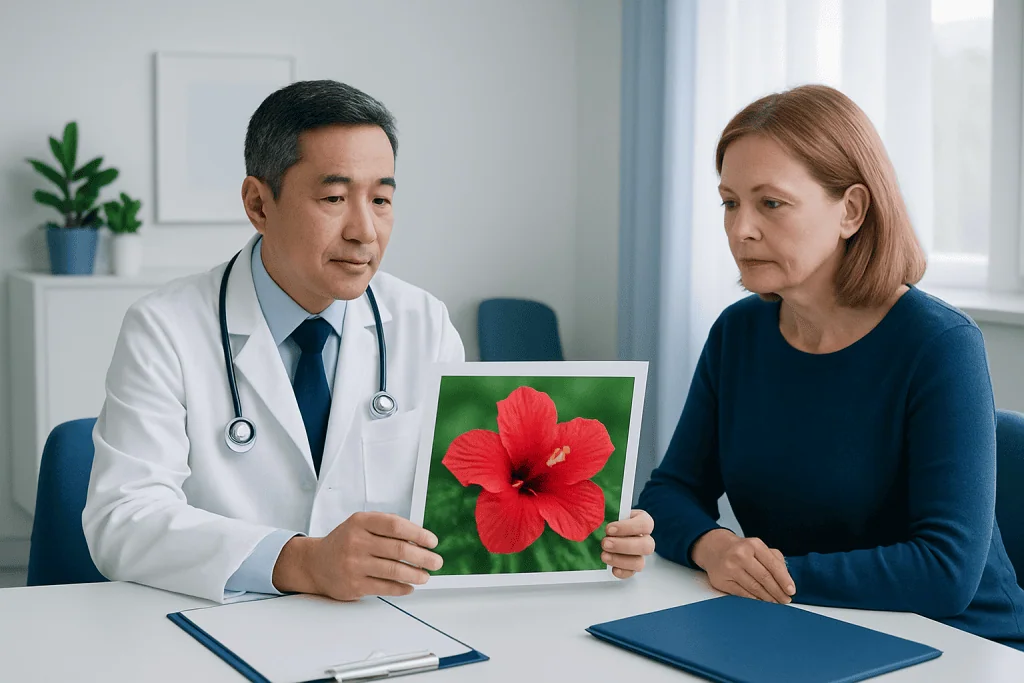
Hibiscus flowers are often promoted for weight loss, detox, liver cleansing, immunity, and blood sugar control. These claims are common online, but they are not all supported by strong clinical evidence. Some small studies suggest possible effects on body weight, waist size, or metabolic markers, yet the studies are often short, involve small numbers of participants, or use different preparations that are hard to compare.
For diabetes, the evidence is mixed. Hibiscus may have mild effects on glucose metabolism in some studies, but it should not be used as a replacement for structured treatment of diabetes. Blood sugar disorders require careful monitoring, and even a mild herbal effect could matter if someone already takes glucose-lowering medicines.
There is also no good evidence that hibiscus flowers can treat infections, cure liver disease, reverse kidney problems, or provide a general “detox.” The body already has systems for processing and removing waste, mainly through the liver and kidneys. In medicine, products advertised as detoxifying deserve careful scrutiny.
In short, the best-supported use of hibiscus remains its possible modest role in supporting blood pressure management within a wider lifestyle plan. For many other popular claims, the evidence is preliminary, inconsistent, or not strong enough to recommend routine use for treatment.
How hibiscus is consumed: tea, extracts, and dosage context
Hibiscus flowers are most often consumed as tea, though they are also sold in capsules, powders, syrups, and liquid extracts. Tea is the most familiar form, and it is typically made by steeping the dried calyces in hot water. Commercial products differ in strength, purity, and added ingredients such as sweeteners, caffeine blends, or other herbs.
One challenge in evaluating hibiscus is that there is no single standard dose across all products. Clinical studies have used different amounts, different extract strengths, and different treatment periods, making direct comparisons difficult. Because of this, there is no universal medically accepted dosage for all adults in all situations.
For patients, the safest practical approach is moderation and label awareness. A person who wants to try hibiscus tea occasionally as part of a balanced diet will generally approach it differently from someone planning daily concentrated supplements. Supplements can deliver much higher amounts of active compounds than tea, and quality control may vary between brands.
Anyone considering regular use for a health reason should discuss it with a doctor, especially if they already have a diagnosed condition or take prescription medicines. A clinician can help judge whether hibiscus is likely to be safe and whether symptoms or abnormal results need a proper workup rather than self-treatment.
Side effects, interactions, and who should avoid it
Hibiscus flowers are often well tolerated in food amounts, but side effects can happen. Reported problems may include stomach upset, nausea, abdominal discomfort, gas, headache, or dizziness. Because hibiscus may lower blood pressure in some people, dizziness or lightheadedness may be more likely in those who already have low blood pressure or who become dehydrated.
Drug interactions are important. Hibiscus may add to the effect of blood pressure medicines, increasing the chance of blood pressure dropping too low. It may also affect blood sugar control, which matters for people taking insulin or other diabetes medicines. There is also concern about interaction with diuretics and with medicines processed through the liver, although the clinical significance may vary. A person under treatment for hypertension or metabolic conditions should ask a clinician before using hibiscus regularly.
Pregnant or breastfeeding individuals should be cautious because safety data are limited, especially for concentrated supplements. People with very low blood pressure, known allergies to hibiscus or related plants, or those preparing for surgery should also ask for medical advice before use. Children, older adults with multiple medicines, and people with chronic kidney or liver disease may need extra caution as well.
If a person develops rash, swelling, trouble breathing, fainting, severe vomiting, or marked weakness after taking hibiscus, they should stop using it and seek prompt medical care. Natural products can still cause significant reactions in some individuals.
How doctors evaluate health concerns linked to hibiscus use
There is no special test to determine whether hibiscus is “working.” Instead, doctors evaluate the health issue itself. For example, if someone is using hibiscus for blood pressure, proper blood pressure measurement over time is what matters. If they are using it because of cholesterol, blood sugar, or symptoms such as fatigue or swelling, the clinician may recommend standard blood tests and a broader medical assessment.
This is important because symptoms can have many causes. Headache, dizziness, or fatigue might be related to low blood pressure, dehydration, medication effects, anemia, stress, or another condition entirely. Likewise, elevated home blood pressure readings should not be managed with tea alone when a formal evaluation may be needed.
Depending on the concern, a doctor may suggest tests such as blood pressure monitoring, glucose checks, kidney and liver function tests, or cardiovascular evaluation. Some patients may benefit from structured nutritional counseling or referral for endocrinology care or preventive health screening. These steps help separate general wellness habits from true medical treatment needs.
Practical self-care and safer use
For people who enjoy hibiscus flowers as a beverage, the most sensible approach is to use them as part of an overall healthy lifestyle rather than as a cure. Unsweetened hibiscus tea can fit into a balanced eating pattern, especially when it replaces sugary drinks. Attention to sleep, exercise, weight management, sodium intake, and regular medical follow-up usually has a greater impact on long-term health than any single herb.
Reading labels is helpful. Some packaged hibiscus products contain significant added sugar, caffeine, or multiple herbal ingredients, which can change both the health effects and the risk profile. Concentrated supplements should be approached more cautiously than tea because they may deliver higher amounts and are not all standardized in the same way.
It is wise to keep a simple record of new symptoms if hibiscus is being used regularly. Dizziness, unusual fatigue, changes in blood pressure or blood sugar readings, stomach upset, or allergic symptoms can all be relevant. If a person has an ongoing condition, they should let their healthcare team know about herbal products just as they would report vitamins or over-the-counter medicines.
For international patients who need coordinated evaluation for blood pressure, metabolic health, or medication review, Acibadem International’s multidisciplinary specialists in JCI-accredited hospitals diagnose and treat these conditions with individualized care.
When to seek medical care
Medical advice is appropriate if a person wants to use hibiscus flowers regularly for a health condition such as high blood pressure, diabetes, or high cholesterol. Professional guidance is especially important if they are already taking prescription medicines, are pregnant, are breastfeeding, or have chronic kidney, liver, or heart disease.
Prompt medical care is needed if symptoms suggest a reaction or a complication. Examples include fainting, severe dizziness, chest pain, shortness of breath, swelling of the lips or throat, severe vomiting, confusion, or very abnormal blood pressure or blood sugar readings. These symptoms should not be managed with home remedies alone.
Medical review is also important when home blood pressure remains high, when symptoms continue despite lifestyle efforts, or when someone is relying on supplements instead of recommended treatment. In these situations, a doctor can look for underlying causes and decide whether further evaluation or treatment is needed.
Frequently asked questions
What are hibiscus flowers used for?
Hibiscus flowers are most commonly used to make herbal tea, but they also appear in extracts, capsules, and foods. In research, they have mainly been studied for possible effects on blood pressure and some metabolic markers.
Do hibiscus flowers really lower blood pressure?
Some clinical studies suggest hibiscus may modestly lower blood pressure in certain adults, especially those with mildly elevated readings. However, the effect is usually limited, and hibiscus should not replace prescribed blood pressure treatment.
Are hibiscus flowers safe to drink every day?
Many people tolerate hibiscus tea well in moderate amounts, but daily use is not automatically right for everyone. Safety depends on the amount, the product used, a person's medical conditions, and whether they take medicines that could interact with it.
What side effects can hibiscus cause?
Possible side effects include stomach upset, nausea, headache, and dizziness. Because hibiscus may lower blood pressure, some people may feel lightheaded, especially if they already have low blood pressure or take blood pressure medicine.
Who should avoid hibiscus flowers or ask a doctor first?
People who are pregnant or breastfeeding, have low blood pressure, take blood pressure or diabetes medicines, or have significant kidney or liver disease should ask a doctor before using hibiscus regularly. Anyone with a known allergy to hibiscus or related plants should avoid it.
Can hibiscus flowers help with weight loss or diabetes?
The evidence for weight loss and blood sugar control is limited and inconsistent. Hibiscus may have mild effects in some studies, but it is not a proven treatment and should not replace medical care for diabetes or obesity.
This article is for general information only and is not a substitute for professional medical advice. Please consult a qualified doctor about your individual situation.
Explore treatments in Turkey — costs, top hospitals & a free quote
JCI-accredited · board-certified surgeons · reply within 24h
Add us as a Preferred Source to see more of our trusted health content across Google Search, AI Overviews and Discover.
Check your numbers in seconds
BMI, calories, due date, blood pressure and 30+ more clinical calculators — free, instant, doctor-reviewed ranges.

More from the Health Library
Foods That Burn Belly Fat: Benefits, Risks, and Safe Use

Benefits of 24-hour Fast Once a Week: Evidence-Based Benefits, Risks, and Practical Guidance

Best Time to Take Vitamin B12: Benefits, Risks, and Safe Use

Kiwi Vitamin C and Its Role in Everyday Nutrition

Food Impaction: What the Clinical Research Actually Says