Pneumonia: When a Chest Infection Needs Urgent Medical Care

Pneumonia is a lung infection caused by bacteria, viruses, fungi, or inhaled material. Common symptoms include cough, fever, shortness of breath, fatigue, and chest pain when breathing or coughing.
Key Takeaways
- Pneumonia is a lung infection caused by bacteria, viruses, fungi, or inhaled material.
- Common symptoms include cough, fever, shortness of breath, fatigue, and chest pain when breathing or coughing.
- Urgent medical attention is important if breathing becomes difficult, lips look blue, confusion develops, or symptoms rapidly worsen.
- Diagnosis may involve a physical exam, oxygen measurement, chest imaging, and laboratory tests.
- Treatment depends on the cause and severity and may include rest, fluids, medicines, oxygen, or hospital care.
- Vaccination, hand hygiene, and managing chronic conditions can help lower the risk of pneumonia.
Pneumonia is an infection of the lungs that can make breathing harder and cause fever, cough, and chest discomfort. Many people recover well with timely treatment, but some cases need urgent medical care, especially in infants, older adults, and people with chronic illness.
Overview
Pneumonia is an infection that inflames the air sacs in one or both lungs. These air sacs may fill with fluid or pus, which can lead to cough, fever, chills, and trouble breathing. The illness can be mild in some people and more severe in others, depending on the cause, the person’s age, and their overall health.
Pneumonia is not a single disease with one cause. It can be triggered by bacteria, viruses, fungi, or, less commonly, by breathing in food, liquid, or vomit into the lungs. Some cases begin after a cold or the flu, while others develop more suddenly.
Many healthy adults recover with appropriate treatment and rest. However, pneumonia can become serious when it affects oxygen levels or causes infection to spread more widely through the body. This is why recognizing symptoms early and knowing when to seek medical care is important.
Symptoms of Pneumonia
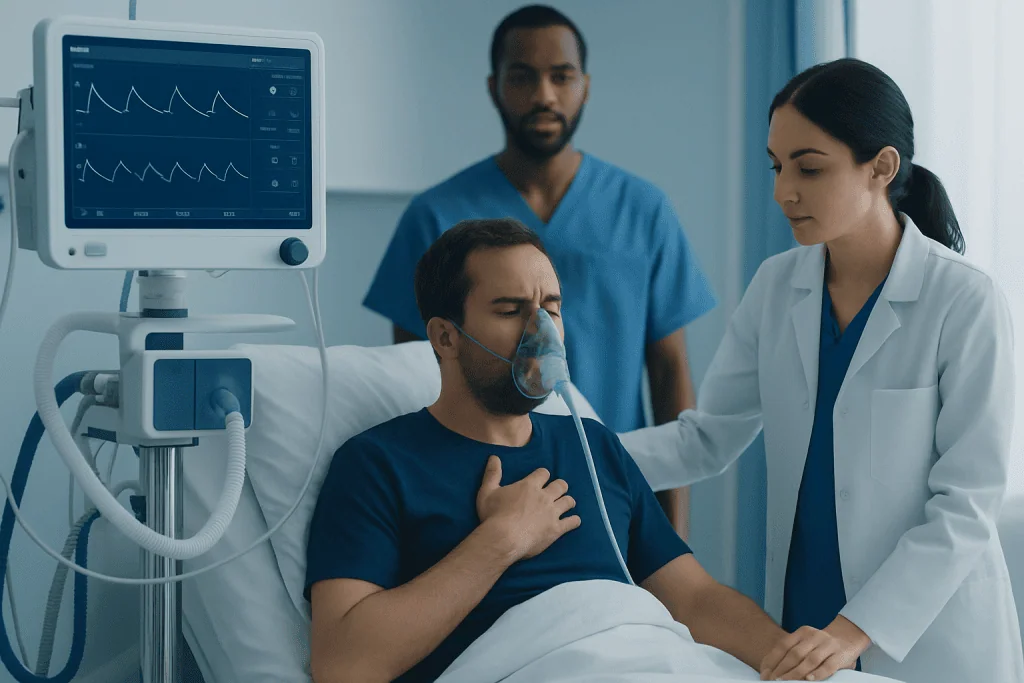
Pneumonia symptoms can vary from person to person. Some people develop symptoms over several days, while others feel much worse very quickly. Typical symptoms include cough, fever, chills, tiredness, and shortness of breath. The cough may be dry or may bring up mucus.
Many people also notice chest pain that gets worse with deep breathing or coughing. Some experience sweating, body aches, loss of appetite, nausea, or headache. In older adults, symptoms may be less typical and can include weakness, confusion, or a sudden decline in daily functioning rather than a high fever.
In babies and young children, signs may include fast breathing, grunting, feeding difficulties, unusual sleepiness, or irritability. Because the symptoms can overlap with other respiratory illnesses, a medical assessment may be needed to tell pneumonia apart from bronchitis, influenza, COVID-19, or asthma.
- Cough, with or without mucus
- Fever or chills
- Shortness of breath or rapid breathing
- Chest pain with breathing or coughing
- Fatigue and weakness
- Confusion, especially in older adults
Causes and Risk Factors

Pneumonia most often happens when germs reach the lungs and the immune system cannot clear them quickly. Bacterial pneumonia is a common cause in adults, while viruses are also frequent, especially in children and during seasonal outbreaks of respiratory illness. Fungal pneumonia is less common and tends to affect people with weakened immune systems or specific environmental exposures.
Another type, aspiration pneumonia, can happen when food, drink, saliva, or stomach contents enter the lungs. This is more likely in people who have swallowing problems, reduced consciousness, certain neurological conditions, or heavy alcohol use.
Several factors can increase risk. These include very young or older age, smoking, chronic lung disease, heart disease, diabetes, kidney disease, cancer treatment, organ transplantation, immune suppression, and recent viral infection. Hospitalization, especially when a person is on a ventilator, can also raise the chance of developing pneumonia.
People with chronic respiratory disease may be more vulnerable to complications. For example, an infection can worsen underlying COPD or trigger breathing difficulties in someone with pre-existing lung problems.
How Pneumonia Is Diagnosed
Doctors diagnose pneumonia by combining symptoms, a physical examination, and, when needed, tests. During the exam, they listen to the lungs for crackling sounds or reduced airflow and check breathing rate, temperature, pulse, and oxygen levels. They also consider how long symptoms have been present and whether the person has other medical conditions.
A chest X-ray is commonly used to help confirm pneumonia and show where in the lungs the infection is located. A pulse oximeter, clipped onto a finger, measures how much oxygen the blood is carrying. Depending on the situation, blood tests, sputum testing, or nasal and throat swabs may be used to look for the likely cause.
In people who are more severely ill, additional testing may be needed. This can include blood cultures, more detailed CT imaging, or evaluation in hospital to check for dehydration, low oxygen, or complications such as fluid around the lungs. A careful diagnosis also helps doctors distinguish pneumonia from other problems such as heart failure or a blood clot in the lung.
Treatment Options
Pneumonia treatment depends on the cause and on how severe the illness is. Bacterial pneumonia is commonly treated with antibiotics, while viral pneumonia may improve with supportive care such as fluids, rest, fever control, and close monitoring. In selected cases, antiviral or antifungal treatment may be appropriate. It is important for patients to take medicines exactly as prescribed and not stop early unless a doctor advises otherwise.
Supportive treatment can make recovery more comfortable and safer. This may include drinking enough fluids, getting adequate sleep, avoiding smoking, and using medicines recommended by a doctor to reduce fever or pain. Some patients with wheezing or underlying airway disease may also need airway evaluation or inhaled treatments as part of their care plan.
People with low oxygen levels, severe breathing difficulty, dehydration, confusion, or major underlying illness may need hospital treatment. Hospital care can include oxygen therapy, intravenous fluids, close monitoring, and treatment of complications. If pneumonia leads to respiratory failure, advanced support may be necessary in an intensive care setting.
Follow-up is also part of treatment. If symptoms are not improving as expected, the diagnosis may need to be reviewed and doctors may check for another condition, a resistant infection, or complications. In more complex respiratory cases, specialists in pulmonology care may guide ongoing evaluation and recovery.
Prevention and Self-care During Recovery
Not all cases of pneumonia can be prevented, but the risk can be reduced. Vaccination is one of the most effective ways to lower the chance of certain forms of pneumonia and related complications. Depending on age and health status, doctors may recommend vaccines against influenza, COVID-19, pneumococcal disease, and other infections.
Everyday habits also matter. Frequent handwashing, avoiding tobacco smoke, covering coughs, improving indoor air quality, and staying away from others when ill can help reduce spread. People with chronic medical conditions should keep those conditions well managed, because better overall health supports the immune system.
During recovery, rest is important, but so is paying attention to warning signs. Fatigue and cough can continue for some time even after the infection starts improving. Drinking fluids, eating nourishing meals, and gradually returning to normal activities can support healing. Patients should ask a doctor when it is safe to go back to work, school, exercise, or travel.
When to Seek Urgent Medical Care
Pneumonia needs urgent medical attention when breathing becomes difficult or oxygen levels may be low. Warning signs include severe shortness of breath, bluish lips or fingertips, chest pain that is intense or worsening, new confusion, fainting, or inability to stay awake. These symptoms can suggest a serious infection or a problem with oxygen delivery.
Prompt medical care is also important for people in higher-risk groups, even if symptoms seem only moderate at first. This includes infants, adults over 65, pregnant people, and those with lung disease, heart disease, diabetes, cancer, or weakened immunity. Dehydration, inability to keep down fluids, or symptoms that are clearly getting worse also deserve timely evaluation.
If pneumonia is suspected, it is safest not to rely only on home remedies. Early medical assessment can help decide whether the person can recover at home or needs tests and treatment in hospital. Near the end of the care journey, some patients may choose evaluation at centers such as Acibadem International, where multidisciplinary specialists in JCI-accredited hospitals diagnose and treat respiratory conditions for international patients.
Frequently asked questions
What is the difference between pneumonia and a common chest cold?
A chest cold usually affects the upper airways and often causes cough, congestion, and mild discomfort. Pneumonia affects the lungs themselves and is more likely to cause fever, shortness of breath, chest pain, and significant fatigue. A doctor may need to examine the person and sometimes order a chest X-ray to tell the difference.
Can pneumonia go away on its own?
Some mild viral cases may improve with rest and supportive care, but pneumonia should not be assumed to be harmless. Bacterial pneumonia often needs antibiotics, and even mild illness can worsen in some people. Medical advice is important, especially for children, older adults, or anyone with breathing problems.
How long does it take to recover from pneumonia?
Recovery time varies depending on the cause, age, and overall health of the person. Some people start feeling better within days of treatment, while fatigue and cough can last for several weeks. Full recovery may take longer in older adults or after severe pneumonia.
Is pneumonia contagious?
Some causes of pneumonia, especially viral and certain bacterial infections, can spread from person to person. The infection itself may be contagious, even though not everyone exposed will develop pneumonia. Good hand hygiene, covering coughs, and following medical advice about isolation can help reduce spread.
When should someone with pneumonia go to the hospital?
Hospital care may be needed if the person has trouble breathing, low oxygen, confusion, severe weakness, dehydration, or symptoms that are rapidly worsening. People at higher risk of complications should seek care earlier. If there is concern about severe illness, urgent evaluation is the safest choice.
Can vaccines help prevent pneumonia?
Yes. Vaccines can reduce the risk of some infections that commonly lead to pneumonia, including influenza, COVID-19, and pneumococcal disease. A doctor can advise which vaccines are appropriate based on age, medical history, and risk factors.
References
- World Health Organization
- Centers for Disease Control and Prevention
- National Heart, Lung, and Blood Institute
- American Lung Association
- NHS
This article is for general information only and is not a substitute for professional medical advice. Please consult a qualified doctor about your individual situation.
Pneumonia in Turkey — costs, top hospitals & a free quote
JCI-accredited · board-certified surgeons · reply within 24h
Add us as a Preferred Source to see more of our trusted health content across Google Search, AI Overviews and Discover.