Occipital Neuralgia vs Migraine: How Headache Specialists Tell the Difference

Occipital neuralgia usually causes sharp, shooting, or electric-like pain that begins in the upper neck or back of the head. Migraine often causes throbbing or pulsating pain and may come with nausea, light sensitivity, or sound sensitivity.
Key Takeaways
- Occipital neuralgia usually causes sharp, shooting, or electric-like pain that begins in the upper neck or back of the head.
- Migraine often causes throbbing or pulsating pain and may come with nausea, light sensitivity, or sound sensitivity.
- Some people have features of both conditions, so diagnosis may require a detailed history and examination.
- Tenderness over the occipital nerves and pain reproduced by pressing on them can suggest occipital neuralgia.
- Treatment depends on the cause and may include medicines, physical therapy, nerve blocks, and lifestyle measures.
Occipital neuralgia and migraine can both cause severe head pain, but they are not the same condition. Headache specialists distinguish them by looking closely at where the pain starts, how it feels, what triggers it, and whether the nerves at the back of the head are unusually tender.
Overview: Why These Two Conditions Are Often Confused
Occipital neuralgia and migraine are two different causes of head pain, yet they can feel similar enough that many people confuse them. Both may involve one side of the head, both can be intense, and both may interfere with sleep, concentration, work, and daily activities. In some cases, a person with migraine may also develop irritation of the occipital nerves, which makes the picture even less clear.
Occipital neuralgia is a nerve-related pain disorder. It involves the greater, lesser, or third occipital nerves, which travel from the upper neck into the scalp. When these nerves become irritated, inflamed, compressed, or injured, they may produce sudden stabbing pain, burning, or tingling in the back of the head and scalp.
Migraine is a neurological disorder with recurring attacks. It often causes moderate to severe head pain, commonly throbbing or pulsating, and may be associated with nausea, vomiting, sensitivity to light, sensitivity to sound, and worsening with routine activity. Some people also experience visual symptoms or other warning signs before an attack.
Headache specialists tell the difference by combining a careful symptom history with a physical examination. They look for patterns such as where the pain begins, whether the scalp is tender, whether neck movement affects symptoms, and whether typical migraine features are present. This process helps guide the most effective treatment plan.
Symptoms: How the Pain Usually Feels
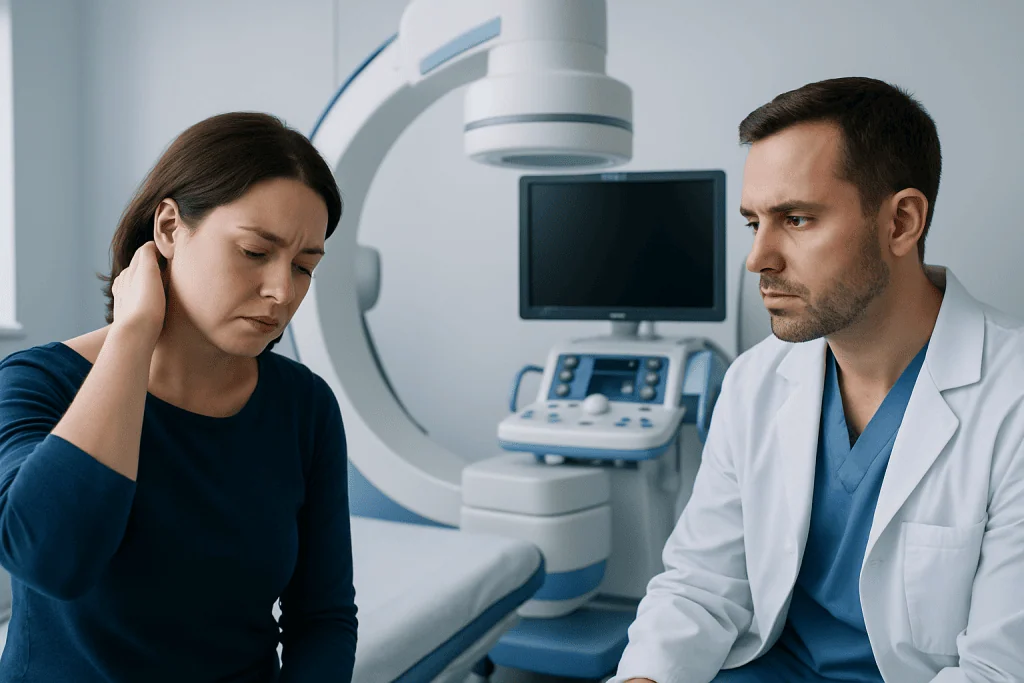
The pain of occipital neuralgia is often described as sharp, stabbing, shooting, or electric-shock-like. It usually starts near the base of the skull and can travel upward over the back of the head, sometimes reaching the top of the scalp, behind the ear, or behind the eye. The scalp may feel very tender, and ordinary activities such as brushing the hair or resting the head on a pillow may become uncomfortable.
Migraine pain is more often throbbing, pounding, or pulsating, though not everyone experiences it this way. It commonly affects one side of the head but can be on both sides. Migraine attacks may last for hours to days and often come with nausea, vomiting, sensitivity to light, sensitivity to sound, sensitivity to smells, and worsening with physical activity.
Another difference is the timing and rhythm of symptoms. Occipital neuralgia may cause brief bursts of intense pain with lingering aching between attacks. Migraine tends to build and persist as an attack, though it can fluctuate in intensity. Some people with migraine also report neck pain or pain at the back of the head, which is why symptoms alone do not always give a complete answer.
Features that can help distinguish the two include:
- Occipital neuralgia: stabbing or electric pain, scalp tenderness, pain starting in the upper neck or back of the head, tenderness over specific nerve points
- Migraine: throbbing head pain, nausea, light or sound sensitivity, visual aura in some cases, worsening with movement
- Possible overlap: one-sided pain, severe intensity, neck discomfort, pain radiating toward the eye
Causes and Risk Factors

Occipital neuralgia develops when the occipital nerves are irritated or compressed. This may happen because of tight neck muscles, poor posture, repetitive strain, arthritis in the upper cervical spine, degenerative changes, prior trauma such as whiplash, or less commonly a structural problem pressing on the nerve. In some people, no clear cause is found.
Migraine has a different underlying mechanism. It is considered a neurological condition influenced by brain signaling, pain pathways, genetics, and environmental triggers. Common triggers include stress, poor sleep, dehydration, missed meals, hormonal changes, certain foods or drinks in susceptible people, strong odors, and sensory overstimulation. It is not simply a “bad headache,” but a recurring brain-based disorder.
Neck pain can play a role in both conditions. Tight muscles and upper neck dysfunction may irritate the occipital nerves, but neck discomfort is also common during migraine attacks. This overlap can make self-diagnosis difficult. A specialist may also consider other causes of head pain, including migraine and cervicogenic headache, depending on the symptom pattern.
Risk factors that may raise suspicion for occipital neuralgia include recent neck injury, chronic muscle tension, prolonged desk work with poor posture, and pain triggered by neck movement or pressure on the back of the head. A family history of recurring headache may make migraine more likely, especially when typical associated symptoms are present.
How Headache Specialists Make the Diagnosis
Diagnosis starts with a detailed conversation. A headache specialist asks where the pain begins, how it spreads, what it feels like, how long it lasts, how often it occurs, and what makes it better or worse. They also ask about nausea, sensitivity to light or sound, visual symptoms, neck injury, fever, weight loss, new neurological symptoms, and current medications.
The physical examination is especially helpful when occipital neuralgia is suspected. The doctor may gently press along the course of the occipital nerves at the back of the head to see whether this reproduces the pain. They may also examine neck movement, muscle tightness, posture, scalp sensitivity, strength, reflexes, sensation, and coordination to look for clues pointing toward nerve irritation or another neurological condition.
Imaging is not needed for every person with headache, but it may be recommended when symptoms are new, unusual, progressive, or associated with warning signs. Depending on the situation, a specialist may request MRI or CT scan to evaluate the brain, upper neck, or surrounding structures. These tests do not diagnose migraine directly, but they can help rule out other causes of pain.
Sometimes a diagnostic occipital nerve block is used. In this procedure, a doctor injects local anesthetic around the affected nerve. If the characteristic pain improves significantly for a period of time, that finding supports occipital neuralgia. Even then, the doctor still considers the full history because some patients can have both occipital nerve pain and migraine features at the same time.
Treatment Options for Occipital Neuralgia and Migraine
Treatment depends on the diagnosis, the severity of symptoms, and whether there is overlap between conditions. For occipital neuralgia, care often focuses on reducing nerve irritation and calming pain. Options may include heat, gentle stretching, posture correction, physical therapy, medicines that target nerve pain, and occipital nerve blocks. When symptoms are persistent or complex, a patient may benefit from coordinated evaluation through neurology services.
For migraine, treatment usually includes two parts: relieving attacks when they happen and preventing them when attacks are frequent or disabling. Doctors may recommend acute migraine medicines, preventive medications, trigger management, sleep regulation, hydration, and attention to stress. The right plan depends on age, health history, attack frequency, and associated symptoms.
If neck muscle tension contributes to occipital nerve irritation, rehabilitation can be an important part of care. Guided strengthening, flexibility work, and ergonomic adjustments may reduce strain on the upper neck. In selected cases, specialist-led physical therapy and rehabilitation may help improve movement patterns and support long-term symptom control.
In people with severe or unusual symptoms, treatment should not begin with self-diagnosis alone. Because headache disorders can overlap, a person may need treatment for both migraine and occipital nerve pain. The goal is not only to reduce pain, but also to improve daily function and prevent unnecessary medication use or repeated ineffective treatments.
Self-care, Prevention, and Living With Recurring Head Pain
Daily habits can make a meaningful difference, especially when symptoms are triggered or worsened by muscle tension, sleep disruption, or dehydration. Helpful steps include maintaining regular sleep, eating meals on time, drinking enough fluids, limiting prolonged time in one position, and setting up a comfortable workstation that supports the neck and shoulders. Gentle movement during the day may reduce strain from desk work.
People who notice repeated headaches often benefit from keeping a symptom diary. Recording when pain starts, where it occurs, how it feels, how long it lasts, and what other symptoms appear can help a specialist identify patterns. Tracking sleep, menstrual cycles, stress, caffeine, and skipped meals may also reveal migraine triggers or factors that aggravate neck-related pain.
Self-care should be cautious and practical. Some people find temporary relief from a warm compress on the neck, relaxation exercises, or mindfulness-based stress reduction. Overuse of pain medicines can sometimes worsen recurring headache over time, so medicines should be used as directed by a doctor or pharmacist.
When symptoms continue despite home measures, it is reasonable to seek specialist assessment rather than repeatedly changing pillows, supplements, or over-the-counter remedies. A clear diagnosis often shortens the path to effective treatment and helps rule out less common but important causes of head pain.
When to See a Doctor
A person should seek medical advice if head pain is new, frequent, severe, or different from their usual pattern. Evaluation is also important if pain starts after a head or neck injury, if the scalp becomes very tender, or if ordinary movement of the neck or touching the back of the head clearly triggers sharp pain. Even when symptoms seem typical of migraine, a changing pattern deserves attention.
Urgent medical care is needed for headache with warning signs such as sudden “worst headache,” fever, confusion, fainting, seizures, weakness, numbness, difficulty speaking, new vision loss, or headache after significant trauma. These symptoms do not necessarily mean a dangerous cause, but they should be assessed promptly.
For ongoing or difficult-to-classify symptoms, a headache specialist or neurologist can help separate occipital neuralgia from migraine and other headache disorders. Near the end of the diagnostic process, some patients may also need imaging, rehabilitation input, or pain-focused procedures depending on the findings.
Acibadem International’s multidisciplinary specialists and JCI-accredited hospitals evaluate and treat headache conditions for international patients, including cases where occipital neuralgia and migraine features overlap. A structured assessment can help clarify the diagnosis and support a personalized treatment plan.
Frequently asked questions
Can occipital neuralgia be mistaken for migraine?
Yes. Both conditions can cause severe one-sided head pain and may radiate toward the eye. The difference is that occipital neuralgia more often causes sharp, shooting pain with scalp tenderness, while migraine more often causes throbbing pain with nausea or light sensitivity.
Where does occipital neuralgia pain usually start?
It usually starts in the upper neck or at the base of the skull. From there, the pain may spread upward across the back of the head and sometimes toward the side of the head or behind the eye.
Can a person have both migraine and occipital neuralgia?
Yes, this is possible. A person may have an underlying migraine disorder and also develop irritation of the occipital nerves, especially if there is neck strain or injury. This is one reason a specialist evaluation can be helpful.
Do imaging tests confirm migraine or occipital neuralgia?
Not usually. Migraine is mainly diagnosed from the pattern of symptoms, and occipital neuralgia is often diagnosed through history and examination. Imaging may be used to rule out other causes or to investigate unusual, progressive, or concerning symptoms.
What kind of doctor treats these conditions?
A neurologist or headache specialist often evaluates both migraine and occipital neuralgia. Depending on the cause, care may also involve pain specialists, rehabilitation physicians, or physical therapists.
Can poor posture trigger occipital neuralgia?
Poor posture can contribute to muscle tension and strain in the upper neck, which may irritate the occipital nerves in some people. It is not the only cause, but posture and ergonomics are often part of prevention and treatment.
References
- International Headache Society
- National Institute of Neurological Disorders and Stroke
- American Migraine Foundation
- National Institute for Health and Care Excellence
- Mayo Clinic
This article is for general information only and is not a substitute for professional medical advice. Please consult a qualified doctor about your individual situation.
Migraine in Turkey — costs, top hospitals & a free quote
JCI-accredited · board-certified surgeons · reply within 24h
Add us as a Preferred Source to see more of our trusted health content across Google Search, AI Overviews and Discover.