Brain Infections or Autoimmune Disease? When Neuroimmunology and Neuroinfectious Experts Work Together

Brain infections and autoimmune neurological diseases can cause overlapping symptoms such as confusion, seizures, weakness, and behavior changes. Early and accurate diagnosis matters because treatments for infection and autoimmune disease are different.
Key Takeaways
- Brain infections and autoimmune neurological diseases can cause overlapping symptoms such as confusion, seizures, weakness, and behavior changes.
- Early and accurate diagnosis matters because treatments for infection and autoimmune disease are different.
- Doctors often use brain imaging, spinal fluid testing, blood tests, and sometimes EEG to clarify the cause.
- Specialists may begin urgent treatment while test results are still pending if symptoms are severe.
- Team-based care helps balance infection control, immune treatment, and close monitoring for complications.
Some neurological illnesses can begin with similar symptoms but have very different causes. Distinguishing brain infections from autoimmune disease often requires neuroimmunology and neuroinfectious specialists working together to reach the right diagnosis and start the most appropriate treatment.
Overview
When a person develops sudden neurological symptoms, one of the first questions doctors ask is whether the problem is caused by an infection or by the immune system mistakenly attacking the brain, spinal cord, or nerves. Both possibilities can affect the nervous system in serious ways, and both may begin with symptoms that look very similar. This is why the evaluation can be complex, especially in the early stages.
Brain infections may be caused by viruses, bacteria, fungi, or other organisms. Autoimmune neurological diseases happen when the immune system targets healthy nervous system tissue. Examples include autoimmune encephalitis and other inflammatory disorders of the central nervous system. Because treatment for these conditions differs, finding the correct cause is essential.
Neuroimmunology specialists focus on immune-related diseases of the nervous system, while neuroinfectious experts focus on infections that affect the brain, spinal cord, and nerves. When these specialists work together, they can interpret symptoms, test results, and response to treatment in a more complete way. This team approach is especially valuable when a patient’s symptoms could fit more than one diagnosis.
Why These Conditions Can Be Hard to Tell Apart
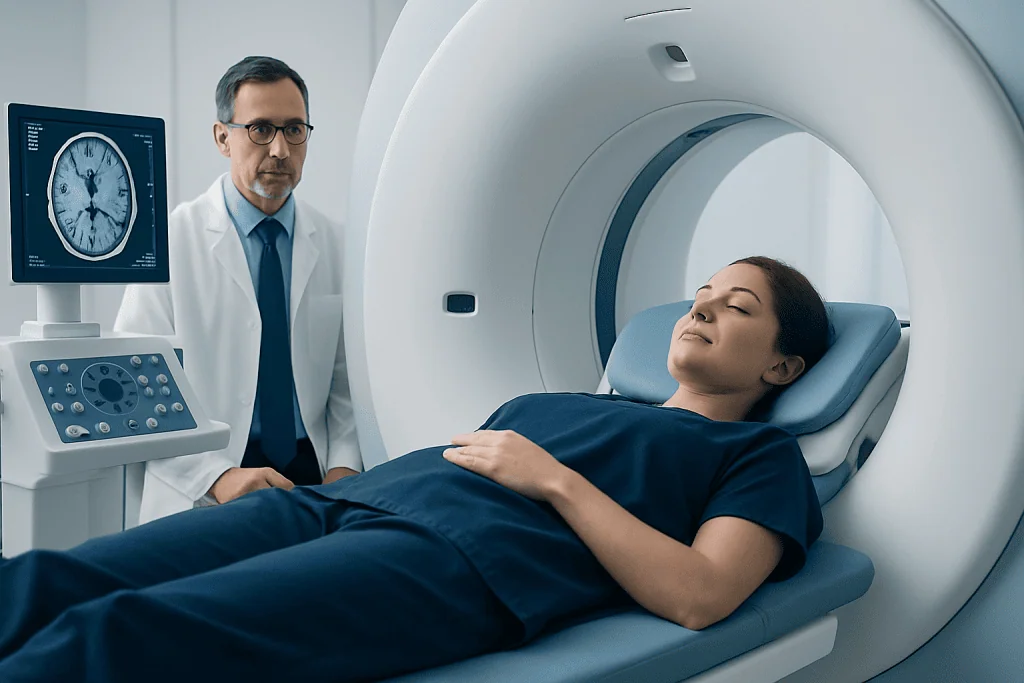
The nervous system has a limited number of ways to react to injury or inflammation. As a result, very different illnesses can produce similar signs. A patient with a viral brain infection and a patient with an autoimmune inflammatory disease may both develop headache, fever, confusion, personality changes, memory problems, seizures, or trouble speaking.
In some cases, a person has a recent infection that triggers an autoimmune response afterward. In others, an infection and an autoimmune process may both be considered at the same time until testing becomes clearer. Imaging findings on MRI, changes in the spinal fluid, and even some blood markers can overlap, particularly early in the illness.
Doctors also consider the timing of symptoms, age, immune status, travel history, medication use, cancer history, and exposure risks. A careful history and neurological examination often provide important clues, but they may not be enough on their own. That is why specialists usually combine clinical judgment with several forms of testing rather than relying on one result alone.
Symptoms That May Need Urgent Evaluation

Brain infections and autoimmune neurological diseases can affect thinking, movement, sensation, and behavior. Symptoms may appear suddenly over hours to days or develop more gradually over days to weeks. Any new, unexplained neurological change deserves medical attention, especially if it is worsening.
Common symptoms can include:
- Headache that is new, severe, or persistent
- Fever or recent illness
- Confusion, disorientation, or unusual sleepiness
- Memory problems or personality changes
- Seizures
- Difficulty speaking or understanding language
- Weakness, numbness, or trouble walking
- Vision changes
- Neck stiffness, sensitivity to light, or severe nausea and vomiting
Not every patient will have fever, and not every autoimmune condition causes gradual symptoms. Children, older adults, and people with weakened immune systems may show less typical signs. Because the pattern can vary, doctors look at the whole picture rather than one symptom in isolation.
When symptoms involve reduced consciousness, repeated seizures, severe confusion, or rapidly worsening weakness, urgent hospital assessment is usually needed. Early care can help stabilize the patient and reduce the risk of complications while the diagnostic workup is underway.
Causes and Risk Factors
Brain infections may result from common or less common germs reaching the nervous system. Viral causes are often considered first in encephalitis, but bacterial, fungal, parasitic, and opportunistic infections are also possible in the right setting. Risk can be influenced by age, recent infections, travel, insect bites, immune suppression, chronic illness, recent surgery, or exposure to certain environments.
Autoimmune neurological disease develops when the immune system reacts against parts of the brain, spinal cord, or nerves. Sometimes this occurs after an infection. In other cases, it may be associated with another autoimmune condition or, less commonly, with an underlying tumor that triggers an immune response. Examples of related conditions include multiple sclerosis and inflammatory disorders such as myelitis or autoimmune encephalitis.
Some medications that affect the immune system can increase susceptibility to infection while also changing how inflammation appears on tests. This makes specialist input especially useful. A person’s medical history, recent treatments, vaccination status, and family history of autoimmune disease may all contribute to the final interpretation.
Importantly, many patients who develop these conditions do not have obvious risk factors. The absence of a clear trigger does not rule out infection or autoimmune disease. Doctors therefore aim for a balanced evaluation that keeps both possibilities in mind until evidence points more clearly in one direction.
How Doctors Make the Diagnosis
Diagnosis usually begins with a detailed neurological examination and urgent testing. Doctors often order blood tests, brain MRI, and a lumbar puncture to analyze cerebrospinal fluid. The spinal fluid may show inflammation, infection-related changes, or antibodies that support an autoimmune diagnosis, although some results take time to return.
Additional tests may include EEG to look for seizure activity or patterns of brain irritation, as well as specialized infectious and autoimmune panels. In some situations, chest, abdomen, or pelvic imaging is used to search for an underlying condition that could be related to autoimmunity. The goal is not just to name the illness, but to understand its exact cause and severity.
Because delay can be harmful, treatment sometimes starts before every result is available. For example, a doctor may begin lumbar puncture-based evaluation and urgent supportive care while also ordering brain MRI and an EEG assessment if seizures or encephalopathy are suspected. This stepwise approach helps cover important possibilities without waiting too long.
Sometimes repeat testing is necessary. A first MRI may be normal early in the disease, antibody tests may take days, and spinal fluid findings can evolve. Collaboration between neuroimmunology, neuroinfectious diseases, neurology, neuroradiology, and critical care teams can improve diagnostic accuracy when the case is complex.
Treatment Options and Why Teamwork Matters
Treatment depends on the underlying cause. If a brain infection is suspected, doctors may start antimicrobial treatment promptly while awaiting confirmatory tests. Supportive care is equally important and may include seizure control, fluid management, breathing support when needed, and close monitoring in the hospital.
If an autoimmune disease is more likely, treatment may focus on calming the immune system. Depending on the situation, this can include corticosteroids, intravenous immunotherapy, plasma exchange, or other targeted treatments. The challenge is that immune-suppressing treatment can be risky if an untreated infection is actually present, which is one reason specialist collaboration is so important.
In real practice, doctors sometimes need to address both possibilities at once in the early phase, especially when a patient is very ill. The team regularly reviews test results, imaging changes, and clinical response to decide whether to continue, narrow, or change treatment. Patients with conditions such as encephalitis may also need rehabilitation after the acute illness if memory, speech, balance, or strength have been affected.
Near the end of treatment planning, multidisciplinary follow-up can help with recovery, medication monitoring, relapse prevention, and counseling for patients and families. Acibadem International’s multidisciplinary specialists and JCI-accredited hospitals diagnose and treat complex neurological conditions for international patients when coordinated expert care is needed.
Recovery, Prevention, and Self-care
Recovery can vary widely. Some people improve quickly once treatment begins, while others need weeks or months of rehabilitation. Fatigue, short-term memory problems, mood changes, sleep disturbance, or concentration difficulties can continue for some time after the acute phase, even when the underlying illness is improving.
Self-care after diagnosis often includes taking medicines exactly as prescribed, attending follow-up visits, and reporting any return of symptoms promptly. Therapies such as physical therapy, occupational therapy, speech therapy, and cognitive rehabilitation may support recovery. Family members can help by keeping track of appointments, medications, and day-to-day changes in thinking or behavior.
Prevention depends on the cause. General steps may include staying up to date with recommended vaccines, managing chronic conditions, using infection prevention measures during travel, and discussing immune-suppressing medications carefully with a doctor. For autoimmune diseases, long-term monitoring may help reduce relapse risk and detect treatment side effects early.
It is also helpful for patients to avoid driving, swimming alone, or returning to high-risk activities until a doctor confirms it is safe, especially after seizures or significant confusion. A gradual return to work, school, and exercise is often easier than trying to resume normal routines all at once.
When to See a Doctor
Any new neurological symptom that is unexplained, persistent, or worsening should be evaluated by a qualified doctor. This is especially true when symptoms include sudden confusion, severe headache, new seizures, weakness, trouble speaking, changes in personality, or reduced alertness. Early evaluation can make an important difference because some treatments work best when started quickly.
Emergency care is needed if a person becomes difficult to wake, has a prolonged seizure, develops trouble breathing, or rapidly loses function. Patients who have recently had an infection, started immune-affecting medication, or have a known autoimmune disease should be especially alert to new neurological symptoms.
For people with a previous diagnosis of autoimmune or infectious neurological disease, follow-up care remains important even after improvement. New symptoms do not always mean relapse, but they should be checked carefully. A specialist team can help determine whether the cause is recurrence, treatment side effects, a new infection, or another neurological condition.
Frequently asked questions
Can a brain infection look like an autoimmune disease?
Yes. Both can cause symptoms such as confusion, seizures, memory problems, weakness, and behavior changes. That is why doctors often need imaging, spinal fluid testing, and blood tests to tell them apart.
What is the difference between neuroimmunology and neuroinfectious diseases?
Neuroimmunology focuses on diseases in which the immune system affects the nervous system. Neuroinfectious diseases focuses on infections involving the brain, spinal cord, or nerves. These specialists often work together when the cause of neurological symptoms is unclear.
Why might treatment begin before all test results are back?
Some brain infections and inflammatory conditions can worsen quickly, so waiting for every result may not be safe. Doctors may start urgent treatment based on the most likely possibilities and then adjust the plan as more information becomes available.
Is fever always present with a brain infection?
No. Some patients with brain infections do not have fever, especially older adults or people with weakened immune systems. Likewise, fever can occasionally occur with inflammatory conditions, so it is not enough on its own to make the diagnosis.
What tests are commonly used in this situation?
Doctors commonly use brain MRI, blood tests, lumbar puncture for cerebrospinal fluid analysis, and EEG when seizures or altered awareness are a concern. The exact combination depends on the symptoms and the urgency of the situation.
Can people recover fully from these conditions?
Many people improve significantly, especially with early diagnosis and appropriate treatment. Recovery time varies, and some patients need rehabilitation for speech, memory, balance, or strength before returning to usual activities.
References
- World Health Organization
- Centers for Disease Control and Prevention
- National Institute of Neurological Disorders and Stroke
- American Academy of Neurology
- Encephalitis Society
This article is for general information only and is not a substitute for professional medical advice. Please consult a qualified doctor about your individual situation.
Neuroimmunology in Turkey — costs, top hospitals & a free quote
JCI-accredited · board-certified surgeons · reply within 24h
Add us as a Preferred Source to see more of our trusted health content across Google Search, AI Overviews and Discover.