CPM Machines: What Continuous Passive Motion Does After Knee Surgery
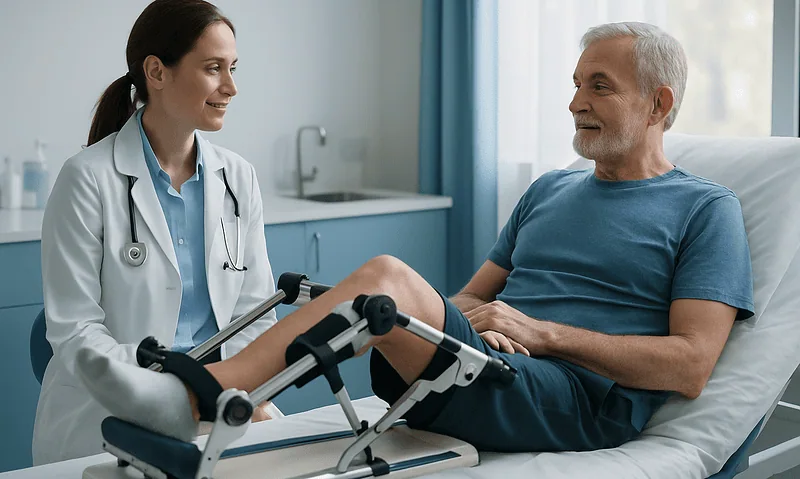
A CPM (continuous passive motion) machine slowly bends and straightens the knee on a motorized cradle, with no effort from the patient. Large reviews…
Read article

Articles on physiotherapy and rehabilitation: exercises, realistic timelines and milestones after surgery or injury, and how to get the most from work with your therapist. Follow your own programme; these pages explain the principles.
A CPM (continuous passive motion) machine slowly bends and straightens the knee on a motorized cradle, with no effort from the patient. Large reviews…
Stroke rehabilitation is a coordinated program that helps the brain and body relearn lost skills after a stroke. It usually combines physical therapy for…
A physical therapy evaluation is the first, longer appointment where a physical therapist interviews you about your problem, health history and goals, then examines…
Dry needling is a technique in which a trained clinician inserts thin filament needles into tight muscle bands to reduce pain and improve movement.…
Dry needling and acupuncture use the same thin, solid filiform needles, but the reasoning behind them differs. Dry needling targets myofascial trigger points, the…
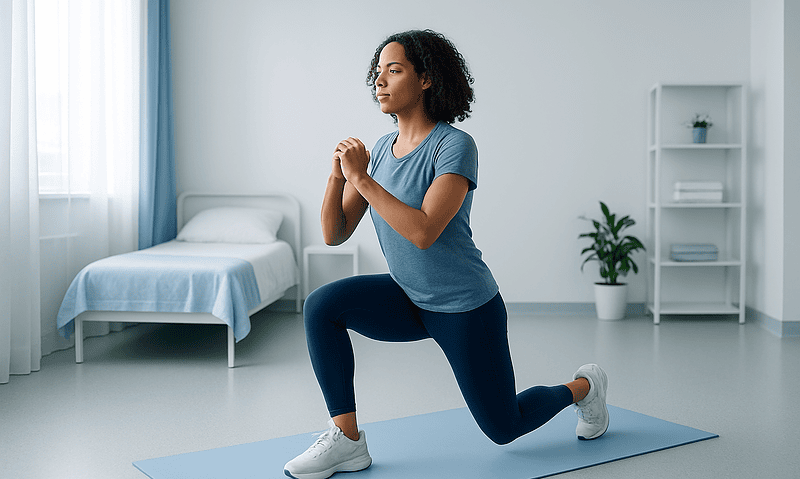
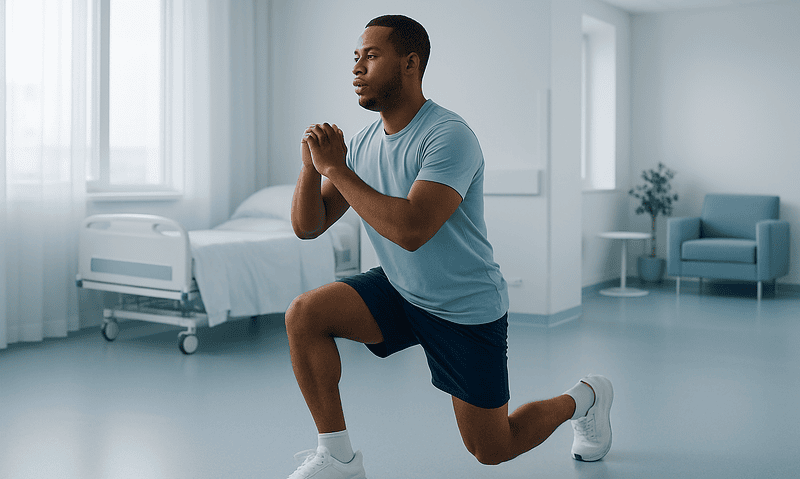
To strengthen knee joints, build the muscles that control the knee rather than the joint itself: the quadriceps, hamstrings, gluteals, and calves. Physiotherapists typically…
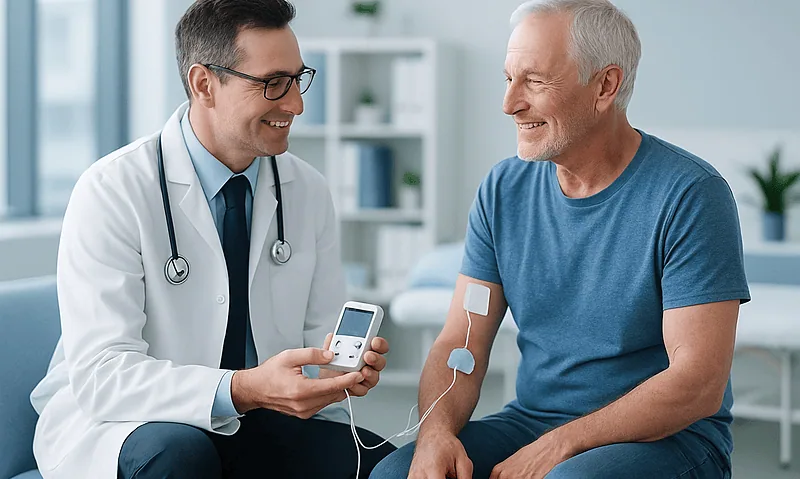
A TENS (transcutaneous electrical nerve stimulation) unit is a small, battery-powered device that delivers mild electrical pulses through adhesive skin pads to ease pain…
Vestibular rehabilitation exercises are a structured physical therapy program that uses repeated head, eye and balance movements to help the brain recalibrate after an…
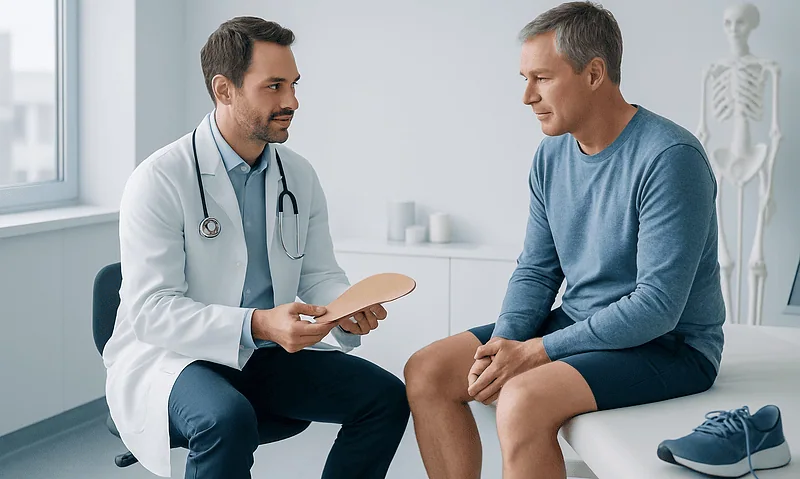
Orthotics are shoe inserts that redistribute pressure, cushion tender tissue and modestly alter how the foot loads. Evidence shows they can ease plantar heel…
Stroke recovery exercises are repetitive, task-focused movements guided by a rehabilitation team to help the brain rewire around damaged tissue. Most gains come in…
A private rehabilitation hospital is a facility, or a dedicated unit within a larger hospital, that provides intensive, coordinated therapy after a serious illness,…
Private stroke rehabilitation is structured therapy after a stroke that a person arranges and funds themselves or through private insurance, rather than relying only…
Private rehabilitation is a physical, occupational, speech or cardiac and pulmonary rehabilitation program that you arrange and pay for directly, or through private coverage,…
Stroke rehabilitation physical therapy exercises are structured, repeated movements that help the brain relearn control of weakened limbs after a stroke. They usually begin…
Stroke recovery follows a broad pattern rather than a fixed schedule. The fastest gains usually happen in the first three months, when the brain…
Ankle fracture rehabilitation time is the full period from injury to restored function, not just bone healing. The bone itself usually knits in about…
Private physiotherapy means seeing a licensed physiotherapist (called a physical therapist in the US) that you book and pay for directly or through insurance,…
Stroke recovery usually follows a pattern: the fastest gains come in the first days and weeks, most spontaneous improvement happens within about three months,…
Choose which cookies you allow. Essential cookies are always on because the site cannot work without them.