

Chickenpox Exposure in Pregnancy When You Have Already Had It
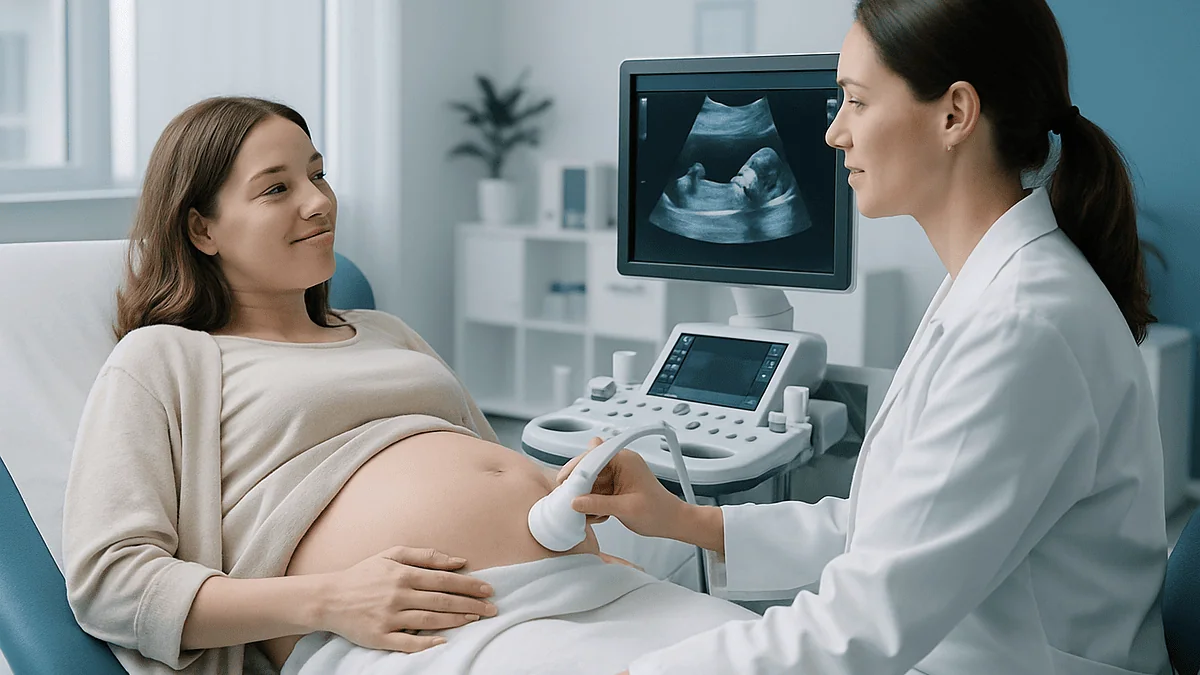
Key Takeaways
- A confirmed past chickenpox infection provides immunity that the CDC describes as generally lifelong, and pregnancy does not remove it.
- About 90% of US adults born before 1980 are immune to chickenpox, according to the CDC, even if they do not remember having it.
- Congenital varicella syndrome affects roughly 0.4% of babies when a non-immune mother is infected before 12 weeks and about 2% between 13 and 20 weeks, per the CDC.
- A person with chickenpox is contagious from one to two days before the rash appears until all blisters have crusted, usually about five days after the rash starts.
- Protective antibody treatment for non-immune pregnant women can be given up to 10 days after exposure, so a quick antibody blood test is the priority, not waiting for symptoms.
- Mainstream guidance from the NHS and CDC does not link chickenpox in pregnancy to miscarriage; the documented fetal risk is congenital varicella syndrome, not pregnancy loss.
Usually, no. If you have definitely had chickenpox before, you are almost certainly immune, and contact with an infected person during pregnancy poses very little risk to you or your baby. The real question is whether you truly had it, because childhood memories are unreliable; a quick antibody blood test can confirm. Only women who are not immune face the small but genuine risks that pregnancy adds.
The text arrives at 7:40 on a Tuesday morning: “Just so you know, Maya has chickenpox. Sorry!” Your daughter shared a play tent with Maya all Saturday afternoon. You are 19 weeks pregnant. Somewhere in the back of your mind is a story your mother tells about you at age four, covered in calamine lotion and miserable for a week. Or was that your brother?
That half-remembered week is suddenly the most important fact in your day, and it is exactly the kind of fact that people get wrong. Roughly nine in ten American adults born before 1980 carry immunity to chickenpox, according to the CDC, whether they remember the illness or not. Most exposed pregnant women, in other words, are already protected before they even start worrying.
The evidence here is unusually reassuring, but it comes with conditions, and the conditions matter. This piece walks through what immunity actually buys you, how to confirm it in a single blood draw, and which situations genuinely deserve a same-day call to your clinic.
Can you get chickenpox while pregnant if you've already had it?
Almost never. Chickenpox is caused by the varicella-zoster virus, and a natural infection leaves behind long-lasting antibodies plus memory immune cells that recognize the virus for decades. The CDC describes immunity after chickenpox as generally lifelong, and MedlinePlus notes that most people who have had the illness once do not get it again.
Pregnancy does not erase that protection. It is true that pregnancy shifts the immune system, dialing down certain responses so the body tolerates a fetus that is genetically half foreign. What it does not do is delete the antibodies you built as a child. Immune pregnant women exposed to chickenpox overwhelmingly stay well, and a well mother cannot pass a virus she is not infected with to her baby.
Second infections have been documented, which is why doctors avoid the word “impossible.” They tend to be mild, tend to occur in people whose first illness was very early or very light, and are rare enough that mainstream guidance from the CDC and NHS treats a confirmed history of chickenpox as adequate proof of immunity.
The catch sits in that word “confirmed.” A vague family story is not the same as a documented case. If you are certain, and ideally have a parent or medical record backing you up, you can treat the exposure as a non-event for your pregnancy. If you are guessing, the next section is for you.
How do you know whether you really had chickenpox?
Memory is a poor immunologist. Adults routinely misremember childhood rashes, and parents sometimes labeled every itchy outbreak “chickenpox” when it may have been hand, foot and mouth disease, hives or a viral rash with a different cause. The reverse also happens: a light case of 20 spots gets forgotten entirely, and the adult grows up believing she was never infected when she is, in fact, fully immune.
Fortunately, this is a solvable problem. A blood test measures IgG antibodies to varicella-zoster virus. A positive result means your immune system has met the virus before, whether through infection or childhood immunization, and you can stop worrying. Many prenatal clinics run this test at the first visit, so the answer may already be sitting in your chart; it is worth asking before anyone orders anything new.
Three clues make a positive history more trustworthy:
- You recall a specific episode with a blister-type rash that spread over several days and left a scar or two.
- A parent remembers it independently, ideally with siblings falling ill in sequence.
- You grew up in a household or country where nearly every child caught it, and you were never the exception.
Even so, when a pregnancy is on the line and the test is cheap and fast, clinicians often prefer the blood result over the anecdote. Results typically return within a day or two, which fits comfortably inside the window in which any protective treatment for a non-immune woman would still work. There is no downside to checking, and considerable peace of mind in knowing.
What actually happens when an immune pregnant woman is exposed
Picture the virus landing in your nose and throat after you hug your feverish daughter. In a non-immune person, varicella multiplies quietly for one to three weeks before the first spots appear, a period the NHS and Mayo Clinic put at roughly 10 to 21 days. In an immune person, the script changes on day one. Circulating antibodies bind the virus before it gains a foothold, and memory T cells destroy any cells that do become infected. The exposure ends before it becomes an infection.
This is why an immune mother does not need to isolate from her sick child, does not need any medication and does not need extra fetal scans. Nothing has happened to the pregnancy. Clinicians confirm immunity precisely so they can say this with confidence and send you home.
Some women wonder whether they might carry the virus on their skin or clothes to someone else. Chickenpox spreads mainly through airborne droplets and direct contact with fluid from blisters, according to the CDC; it does not travel meaningfully on healthy bystanders. Ordinary handwashing after tending to a sick child is sensible hygiene, not a special precaution.
One genuine consideration remains for immune women: other people in your orbit. A partner who never had chickenpox, a newborn in the household or an immunocompromised relative may be at risk from the same exposure that leaves you untouched. Being immune yourself is a reason to relax about your own pregnancy and a good moment to check on theirs.
What to do if you're pregnant and your child has chickenpox
Start with the phone, not the internet. Call your prenatal provider the same day, explain the exposure and tell them honestly how confident you are about your own history. The conversation usually goes one of two ways.
If your record already shows positive varicella antibodies, or your history is rock solid, you will be told to carry on as normal. Care for your child, manage the itch and fever the way your pediatrician advises, and keep an eye on the rest of the household.
If your status is uncertain, the clinic will typically arrange an antibody test quickly. Do not wait for symptoms to decide. The CDC notes that a protective antibody treatment for non-immune exposed people is most useful when given as soon as possible and can still be considered up to 10 days after exposure, so the clock is running but not sprinting.
Practical points for the household while your child is contagious:
- A child with chickenpox remains infectious until every blister has crusted over, usually about five days after the rash starts, per the NHS and CDC.
- Keep the child away from newborns, anyone who is pregnant and not sure of their immunity, and anyone with a weakened immune system.
- Trim fingernails and keep skin clean to lower the chance of bacterial infection in scratched spots, a common complication the Mayo Clinic flags.
- Watch the child for warning signs: trouble breathing, a stiff neck, unusual drowsiness, or spots that turn hot, red and painful.
You may feel torn between comforting a miserable kid and protecting a pregnancy. If you are immune, there is no conflict. If you are not, a short period of asking another adult to handle close care is reasonable while treatment is arranged.
At what stage of pregnancy is chickenpox dangerous?
This question only applies to women who actually develop chickenpox, which, again, means women who were not immune. For them, timing shapes the risk to the baby more than anything else.
| Stage of pregnancy | What the evidence shows | Source |
|---|---|---|
| Up to 12 weeks | Risk of congenital (fetal) varicella syndrome about 0.4% | CDC |
| 13 to 20 weeks | Risk rises to roughly 2%, the highest window | CDC |
| 20 to 28 weeks | Congenital syndrome very rare; NHS describes overall risk before 28 weeks as small | NHS, CDC |
| 28 to 36 weeks | Baby generally unharmed; may develop shingles in early childhood | NHS |
| Last week before birth to 2 days after | Newborn may develop severe chickenpox because mother’s antibodies have not yet crossed to the baby | CDC, NHS |
Congenital varicella syndrome is the outcome that drives the anxiety. It can involve skin scarring in a band-like pattern, underdeveloped limbs, eye abnormalities and effects on the developing brain. Those are serious, but hold the numbers in view: even in the riskiest window, about 98 in 100 babies whose non-immune mothers caught chickenpox were not affected, and immune mothers were never in the pool to begin with.
The second danger zone is the very end of pregnancy. A mother who develops the rash within about five days before delivery or two days after has not had time to make and transfer protective antibodies, so her newborn meets the virus undefended. The CDC and NHS treat this as a situation requiring prompt specialist care for the baby. Between those two windows, roughly weeks 20 to 36, the fetus is largely shielded, though the mother herself can still become quite ill.
Can chickenpox make you miscarry?
This is one of the most searched fears, and the evidence is more reassuring than the forums suggest. Mainstream guidance does not list chickenpox among infections that raise the miscarriage rate. The NHS, in its overview of infections that may affect a baby, describes the risk of chickenpox as being to the developing baby’s structure when infection occurs before 28 weeks, not as a cause of pregnancy loss. The CDC frames the fetal risk the same way, in terms of congenital varicella syndrome rather than miscarriage.
Why do people connect the two? Partly because any illness with high fever in early pregnancy feels dangerous, and partly because chickenpox sits alongside genuinely miscarriage-linked infections in listicles about “dangerous pregnancy infections.” Grouping is not evidence. Different viruses behave very differently in the placenta.
Where fever itself is concerned, doctors do encourage pregnant women to bring a high temperature down and stay hydrated, and that advice applies to chickenpox as it would to influenza. That is general prenatal care, not a signal that chickenpox specifically ends pregnancies.
For the immune woman reading this after an exposure, the miscarriage question is doubly moot: you are not going to develop chickenpox, so its effects on the fetus, whatever they are, do not reach you. If you are non-immune and have been infected, ask your obstetric team what monitoring they recommend rather than searching for loss statistics. A detailed anatomy ultrasound some weeks after infection is the usual approach, and it exists to look for the specific findings described above, not because loss is expected.
Why chickenpox hits adults harder than children
The version of chickenpox most of us remember is a week of itching, a fever and a lot of daytime television. That is the childhood version. In adults the same virus tends to produce more spots, higher fevers and a substantially greater chance of complications, according to the Mayo Clinic and CDC, with viral pneumonia the most feared.
The mechanism is not fully settled, but immunologists point to the way adults mount a more aggressive inflammatory response. More inflammation in the lungs means more fluid and more difficulty getting oxygen across. Pregnancy adds its own pressure: the growing uterus pushes the diaphragm upward, lung capacity shrinks, and oxygen demand rises to supply the fetus. A respiratory infection that an adult could shrug off at 25 can become a hospital admission at 32 weeks pregnant.
Smoking, chronic lung disease and being in the second half of pregnancy all appear to increase the chance that maternal chickenpox turns into pneumonia. Warning signs include a persistent cough, chest pain, breathlessness that worsens rather than eases, and a rash that keeps producing new blisters past day five or six.
None of this is meant to alarm immune women. Rather, it explains why clinicians take a non-immune pregnant woman’s exposure so seriously: the fetal risk is small and time-limited, but the maternal risk is present at every stage. It also explains why, when chickenpox does develop in pregnancy, doctors often prescribe an antiviral medicine within the first day of the rash. The medicine works by blocking the enzyme the virus needs to copy its genetic material, shortening the illness rather than curing it outright. Whether and when to use it is a decision for the prescribing clinician.
What counts as exposure, and how contagious is chickenpox really?
Chickenpox is one of the most transmissible infections in ordinary life. The CDC estimates that up to 90% of susceptible people who live with someone who has chickenpox will catch it. The virus travels in respiratory droplets and can linger briefly in the air of an enclosed room; it also spreads by touching fluid from an open blister. A brief pass in a supermarket aisle is a different order of risk from sharing a bedroom.
Guidelines generally treat these as meaningful exposures:
- Living in the same household as someone with chickenpox.
- Face-to-face contact indoors, such as a conversation, a hug or caring for a sick child.
- Sharing a small enclosed space, such as a classroom or waiting room, for a sustained period.
Timing matters as much as proximity. A person with chickenpox becomes infectious one to two days before the rash appears and stays infectious until all the blisters have crusted, typically about five days after the rash begins, according to the CDC and NHS. This is the uncomfortable truth behind classroom outbreaks: the child who exposed everyone looked perfectly well at the time.
For an immune pregnant woman, none of these definitions change anything; exposure without susceptibility is a non-event. For a woman whose immunity is unknown, they help the clinician judge urgency. A confirmed household exposure will move the antibody test to the top of the day’s list. A rumor that someone at a birthday party had spots last week may prompt the test but with less alarm.
One more distinction: the illness is only contagious while the person has it. Your friend’s child who had chickenpox last month and is fully recovered poses no risk to you today.
Does exposure to shingles count?
Shingles and chickenpox are the same virus at different points in its life story. After a childhood chickenpox infection, varicella-zoster retreats into nerve roots and sleeps there, sometimes for a lifetime. When it wakes, often decades later, it travels down a single nerve and produces the painful, one-sided band of blisters we call shingles.
Here is the asymmetry that confuses people. A person with shingles can give chickenpox to someone who has never had it, through direct contact with the blister fluid, according to the CDC. A person with shingles cannot give shingles to anyone; shingles only arises from a person’s own dormant virus. And nobody catches anything from a person whose shingles blisters have crusted over.
Shingles also spreads far less efficiently than chickenpox. It does not release the virus into the air the way a chickenpox cough does, so exposure requires actually touching the rash or its fluid. A grandparent with shingles on the torso, covered by clothing, poses little practical risk even to a non-immune visitor, though sensible advice is to avoid contact with the rash until it heals.
What about getting shingles yourself during pregnancy? It happens occasionally, since anyone who has had chickenpox carries the dormant virus. The good news, reflected in NHS guidance, is that shingles in a pregnant woman is not associated with harm to the baby: her body already has antibodies, and those antibodies cross the placenta. Shingles during pregnancy deserves a clinician’s attention for the mother’s comfort and to confirm the diagnosis, not because the fetus is in danger.
What if the blood test says you're not immune?
A negative antibody result after a real exposure moves you into a different lane, and it is worth knowing what that lane looks like so it feels less frightening. Two categories of treatment exist, and they work in completely different ways.
The first is a protective antibody preparation, sometimes called immune globulin. It is made from the pooled antibodies of people who are immune to varicella and is given by injection. Think of it as borrowing someone else’s immunity for a few weeks. The CDC recommends it for non-immune pregnant women after a significant exposure, ideally as soon as possible and up to 10 days afterward. It does not guarantee you will avoid chickenpox, but it can prevent infection or make it milder, and it buys protection during the incubation period.
The second category is antiviral medicine, used if chickenpox actually develops. Rather than preventing infection, these drugs interfere with the enzyme the virus relies on to replicate, slowing the spread from cell to cell. Evidence suggests they help most when started within about 24 hours of the rash appearing, which is why the NHS urges pregnant women to seek care the moment spots emerge rather than waiting to see how bad it gets. Whether to prescribe, and at what point in pregnancy, is a judgment your obstetric team and a specialist will make together.
Neither of these is a vaccine. The chickenpox vaccine is a live vaccine and is not given during pregnancy; a non-immune woman is usually offered it after delivery so future pregnancies start protected.
You will also likely be asked to watch for symptoms for about three weeks and to call at the first spot or fever. That vigilance period, roughly 10 to 21 days from exposure, reflects the virus’s incubation window.
Exposure in the third trimester and around the time of birth
Later pregnancy feels like it should be safer, and for the baby’s development it is. Past about 28 weeks, the NHS notes, chickenpox in the mother does not cause congenital varicella syndrome. What the third trimester adds is two other concerns: the mother’s own lungs, and the timing of delivery relative to the rash.
The maternal side we have covered. Reduced lung capacity plus a full-blown adult chickenpox infection is the combination doctors most want to avoid, which is why a non-immune woman exposed at 34 weeks is treated with as much urgency as one exposed at 14.
The delivery timing issue is more specific. Antibodies cross the placenta most heavily in the final weeks of pregnancy. If a mother develops chickenpox and gives birth within about five days, or develops it within two days after delivery, her baby is born before receiving those antibodies and is exposed to a large dose of virus at the most vulnerable moment of life. The CDC describes this window as carrying a high risk of severe neonatal chickenpox, and newborns in this situation are typically given the same borrowed-antibody treatment described above, along with close monitoring.
Obstetric teams sometimes aim to delay delivery by a few days when a mother develops the rash near term, precisely to let her antibodies build and cross over. That is a specialist decision made case by case.
For the woman who is immune, this entire section is academic. Her antibodies have been crossing the placenta all along, and her newborn arrives with a few months of passive protection, which is also why chickenpox is uncommon in the first weeks of life among babies of immune mothers.
Breastfeeding, newborns and the weeks after delivery
Questions about chickenpox rarely stop at the delivery room. A common scenario: you are two weeks postpartum, immune, and your toddler comes home with spots. Can you keep nursing? Should the baby be kept apart?
If you are immune, you cannot catch chickenpox from your toddler, and you cannot pass it through breast milk because you are not infected. Nursing continues as normal. Your newborn has received your antibodies across the placenta and continues to receive some in breast milk, which offers a degree of protection during the earliest weeks, though it is not absolute. Most guidance still advises keeping infectious siblings away from very young babies where practical, and watching the baby for fever or spots over the following three weeks.
If the mother herself is non-immune and develops chickenpox after delivery, the picture changes. The CDC advises that a mother with active chickenpox be separated from her newborn until her lesions crust, because the virus spreads by droplets and skin contact. Expressed milk can often still be given, since the virus is not thought to transmit through milk itself; the risk is the physical closeness of feeding. Those decisions belong to the pediatric and obstetric teams together.
One reassuring detail from the CDC: a baby born to a mother who had chickenpox well before delivery, or who is immune from childhood, does not need any special treatment after an exposure in the first months of life. The passive immunity does its job. That antibody handoff, invisible and automatic, is the quiet reason so many newborns sail through a sibling’s chickenpox untouched.
When to see a doctor after chickenpox exposure in pregnancy
Call your prenatal provider the same day for any meaningful exposure if you are not certain you are immune. “Not certain” includes any history that rests on a parent’s guess or a rash nobody diagnosed. Ask whether a varicella antibody result is already in your chart; if not, request the test. This is a phone call, not an emergency-room visit, but it should happen within a day or two, since protective treatment for non-immune women is time-sensitive.
Seek urgent, same-day care if you are pregnant and any of the following occur:
- A new rash of small fluid-filled blisters, especially if it spreads over a few days or comes with fever. Antiviral treatment works best within about 24 hours of the first spots.
- Shortness of breath, chest pain or a cough that worsens during a chickenpox illness. These can signal varicella pneumonia and warrant emergency assessment.
- Severe headache, stiff neck, confusion, unusual drowsiness or seizures.
- Bleeding into the skin or rash spots, or blisters that become hot, swollen and painful.
- Chickenpox symptoms in the last week before your due date or in the first days after delivery, when the newborn is at particular risk.
- Fever that will not come down, or inability to keep fluids in.
If you are immune and simply worried, a reassuring conversation with your midwife or obstetrician is entirely reasonable; you do not need to justify the call. If a newborn or non-immune household member has been exposed alongside you, mention them too, because their pathway may differ from yours. Clinicians handle this scenario constantly and would far rather hear from you early than late.
The bottom line: what matters most after an exposure
Strip away the forum threads and the worst-case lists, and this topic reduces to one question with a fast, objective answer: are you immune? Everything downstream depends on it. If you had chickenpox as a child, the honest evidence-based statement is that your pregnancy is not at risk from someone else’s infection, and a positive antibody test turns “almost certainly” into “yes.”
Where the evidence does raise real concern, it does so narrowly. Non-immune women infected before 20 weeks face a roughly 0.4% to 2% chance of congenital varicella syndrome. Non-immune women infected at any stage face a more serious adult illness, with pneumonia the main worry. And babies born within days of their mother’s rash need prompt specialist care. Those are the situations that deserve urgency, and they are exactly the situations that testing identifies.
My own view, having read the guidance from every direction: the most useful thing a pregnant woman can do about chickenpox is not to avoid every child with a rash but to know her antibody status early, ideally at the first prenatal visit. It costs one vial of blood and removes an entire category of panic from the next nine months. If you have not been tested and cannot find the result, ask at your next appointment, exposure or not.
And the text message about Maya? If your childhood chickenpox is real, reply with sympathy, stock up on oatmeal bath, and keep your daughter home until her spots crust. Your pregnancy was never part of the story.
Frequently asked questions
Can you get chickenpox while pregnant if you've already had it?
It is extremely unlikely. A genuine chickenpox infection produces long-lasting immunity that the CDC describes as generally lifelong, and pregnancy does not erase it. Second infections have been reported but are rare and usually mild. The practical uncertainty is whether you truly had chickenpox, since childhood rashes are often misremembered. A varicella antibody blood test settles the question, and many prenatal clinics already run it at the first visit.
What should I do if I'm pregnant and my child has chickenpox?
Call your prenatal provider the same day and tell them how sure you are about your own chickenpox history. If your record shows you are immune, no action is needed for your pregnancy. If your status is unknown, the clinic will usually arrange a quick antibody test, because protective treatment for non-immune women works best soon after exposure and can be considered up to 10 days later, according to the CDC.
At what stage of pregnancy is chickenpox most dangerous for the baby?
For a non-immune mother, the highest fetal risk is between 13 and 20 weeks, when the CDC estimates about a 2% chance of congenital varicella syndrome; before 12 weeks the figure is around 0.4%. After 20 weeks that syndrome is very rare. A second risky window is infection within about five days before birth or two days after, when the newborn can develop severe chickenpox. Immune mothers are not affected at any stage.
Can chickenpox cause a miscarriage?
Mainstream medical guidance does not identify chickenpox as a cause of miscarriage. The NHS and CDC describe the fetal risk from maternal chickenpox as congenital varicella syndrome, which involves skin, limb, eye and brain effects, rather than pregnancy loss. The fear likely comes from grouping chickenpox with other infections in general lists. A woman who is immune from a past infection will not develop chickenpox, so the question does not apply to her.
How do I find out if I'm immune to chickenpox?
Ask for a varicella IgG antibody blood test, or check whether one was done at your first prenatal visit. A positive result means your immune system recognizes the virus from a past infection or childhood immunization, and you can consider yourself protected. Results usually return within a day or two. A clear personal history confirmed by a parent or medical record is also accepted as evidence of immunity by the CDC and NHS.
How long is someone with chickenpox contagious?
From one to two days before the rash appears until every blister has dried and crusted, which is usually about five days after the rash starts, according to the CDC and NHS. The pre-rash period is why exposures often happen before anyone knows a child is ill. After all spots have crusted, the person is no longer infectious, and someone who recovered weeks ago poses no risk.
Can I catch chickenpox from someone with shingles while pregnant?
Only if you have never had chickenpox and you have direct contact with fluid from the shingles blisters. Shingles is the same virus reactivating in someone who had chickenpox earlier, and the CDC notes it spreads far less easily than chickenpox because it does not release virus into the air. If you are immune, exposure to shingles carries no risk to your pregnancy. Once the shingles rash crusts, it is no longer infectious to anyone.
Is it dangerous to get shingles while pregnant?
Shingles during pregnancy is not associated with harm to the baby, according to NHS guidance, because it occurs only in people who already have antibodies to the virus, and those antibodies cross the placenta. It can be painful for the mother and deserves medical review to confirm the diagnosis and manage discomfort. Treatment choices are made by the clinician based on how far along you are and how severe the rash is.
What happens if I'm not immune and get exposed to chickenpox during pregnancy?
You would typically be offered a protective antibody injection, ideally as soon as possible and up to 10 days after exposure per the CDC, to prevent or soften infection. You would then watch for symptoms for about three weeks, since the incubation period runs 10 to 21 days. If a rash develops, antiviral medicine is usually considered within the first 24 hours, with the decision made by your obstetric team and a specialist.
Can I breastfeed if my older child has chickenpox and I'm immune?
Yes. An immune mother cannot catch chickenpox from her child and therefore cannot pass it through breast milk. Your newborn also received your antibodies across the placenta and continues to get some through nursing, which offers partial protection in the early weeks. Most guidance still suggests keeping the infectious sibling away from a very young baby where practical and watching the newborn for fever or spots for about three weeks.
References
- CDC – Clinical Overview of Chickenpox (Varicella)
- NHS – Chickenpox
- NHS – Infections in pregnancy that may affect your baby
- MedlinePlus – Chickenpox
This article is for general information only and is not a substitute for professional medical advice. Please consult a qualified doctor about your individual situation.

More from the Blog
What Size of Ovarian Cyst Is Dangerous? Centimetres, Millimetres and What They Mean
There is no single size at which an ovarian cyst becomes dangerous. Most cysts are small, fluid-filled and disappear on their own within a…
Pelvic Ultrasound vs Hormone Tests in PCOS: Why Diagnosis Needs More Than One Finding
Neither a pelvic ultrasound nor a blood test can diagnose PCOS on its own. Clinicians use the Rotterdam approach, which requires at least two…
Endometriosis Treatment in Steps: Hormonal Medicine, Pain Care and When Surgery Is Added
Endometriosis treatment options are usually built in steps. Most people start with pain care, often anti-inflammatory medicines, and hormonal medicine that lowers estrogen's effect…

How Fast Ovarian Cysts Grow: Typical Timelines, Warning Signs and When to Treat
Most ovarian cysts are functional cysts that form during a normal menstrual cycle, reach roughly 2 to 5 centimeters, and shrink or disappear within…

What the Robot Actually Changes in a Robotic Hysterectomy: Precision, Incisions and Recovery
In a robotic hysterectomy the robot does not operate on its own. The surgeon sits at a console a few feet from the patient…

Cystectomy vs Oophorectomy: Removing the Cyst or the Ovary and How Surgeons Decide
A cystectomy removes only the cyst and leaves the ovary in place; an oophorectomy removes the whole ovary, sometimes with the fallopian tube. Surgeons…