

Does Endometriosis Go Away? What Happens Over Time, After Menopause and with Treatment
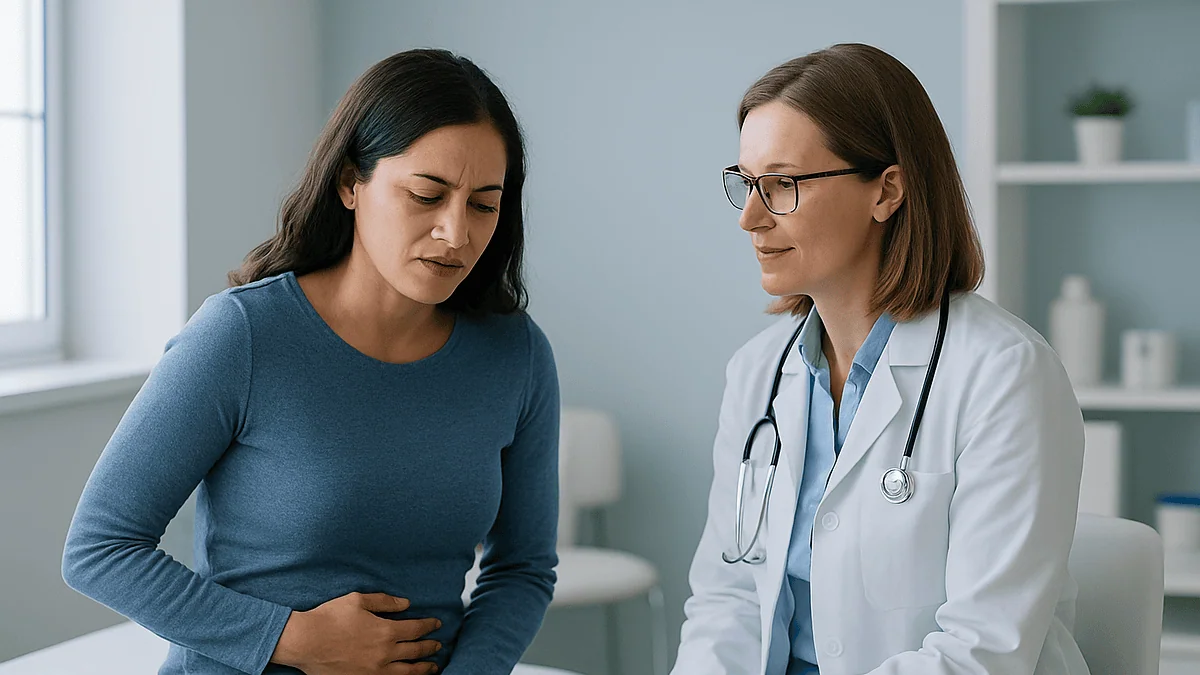
Key Takeaways
- The World Health Organization estimates endometriosis affects roughly 10% of women and girls of reproductive age worldwide, and classifies it as a chronic disease rather than one that resolves on its own.
- Endometriosis tissue carries estrogen receptors, which is why every effective treatment works by lowering estrogen or stopping ovulation, and why symptoms usually ease after menopause.
- Mayo Clinic notes that symptoms may disappear entirely after menopause unless estrogen is taken, so anyone with a history of endometriosis should raise it before starting menopausal hormone therapy.
- Improvement during pregnancy is real but temporary; symptoms commonly return once menstrual cycles resume, so pregnancy is not a treatment.
- Hysterectomy is not a guaranteed cure, because retained ovaries keep producing estrogen and deposits outside the uterus can remain active, according to the NHS.
- Pain severity does not track the amount of disease: minimal deposits can cause severe pain, and extensive disease can be silent until fertility investigations.
Endometriosis rarely goes away on its own. It is a long-term condition driven largely by estrogen, so symptoms often settle after menopause, when estrogen falls, and may quiet down during pregnancy or hormonal treatment. The tissue itself can persist, and pain can return after surgery. For most people the realistic aim is lasting control rather than disappearance, worked out with a clinician.
She was fifteen the first time a school nurse handed her a heat pack and told her that periods hurt. She was thirty-four, lying on a sofa with a hot-water bottle pressed to her lower back, when she finally typed the question into her phone at two in the morning: does endometriosis ever go away?
That gap of nineteen years is not unusual. Endometriosis affects roughly one in ten women and girls of reproductive age worldwide, according to the World Health Organization, and it is still routinely mistaken for a bad period, a sensitive stomach or stress. By the time the word is said out loud in a consulting room, most people have lived with it for years and want one thing above all: an honest sense of what comes next.
The honest answer has several parts. Endometriosis changes with hormones, with age, with pregnancy, with surgery and with time. Some of those changes bring real relief. None of them is a guarantee. This article walks through what the evidence actually shows at each stage, and where the uncertainty sits.
Can endometriosis go away on its own?
Not usually, and it helps to understand why. Endometriosis is tissue similar to the lining of the uterus that has settled outside it: on the ovaries, the ligaments behind the uterus, the bowel surface, the bladder, occasionally further afield. The World Health Organization describes it as a chronic disease, and the NHS describes it as a long-term condition. Neither phrase is chosen casually. This tissue does not have a natural expiry date the way a viral infection does.
What people often notice, and reasonably interpret as the condition disappearing, is fluctuation. Pain can be savage for six months and then unremarkable for a year. A cyst on an ovary can shrink. Bowel symptoms can fade after a change in routine. Those are real improvements, but they reflect the tissue responding to hormone levels and inflammation, not the tissue packing up and leaving.
There is a further wrinkle that makes the natural course hard to pin down: endometriosis is diagnosed by looking inside the pelvis, and no one repeats that procedure just to watch what happens. So the evidence on spontaneous regression is thin, drawn mostly from small groups of patients who had a second operation for other reasons. Some lesions in those studies looked the same, some had grown, and a few had shrunk. The fair summary is that the disease is variable, not that it goes away.
My view, grounded in what the major sources agree on: it is safer to treat endometriosis as a companion you manage over decades than as an illness you wait out. That mindset tends to lead to earlier help and better planning.
What triggers endometriosis to grow?
Estrogen is the central character. Endometrial-like tissue carries receptors for it, and each menstrual cycle bathes those deposits in the same hormonal signals that thicken the uterine lining. The tissue responds in kind: it grows, it can bleed, and because that blood has nowhere to go, it provokes inflammation and, over time, scar tissue and adhesions. Mayo Clinic notes that endometriosis typically develops several years after periods begin, which fits the picture of a condition fed cycle by cycle.
That is also why the treatments that work tend to work by lowering estrogen or stopping ovulation. Fewer cycles means fewer growth signals.
Why some people develop it and others never do is less settled. Leading explanations include:
- Retrograde menstruation, where menstrual blood flows backward through the fallopian tubes into the pelvis and cells implant there. It is probably part of the story but cannot be the whole one, because most people experience some backward flow without ever developing the disease.
- Cells in the pelvic lining changing into endometrial-like cells under hormonal or inflammatory influence.
- Immune differences that make the body less efficient at clearing stray cells.
- Genetics: the condition clusters in families, and Cleveland Clinic lists a close relative with endometriosis as a risk factor.
What does not trigger it, despite persistent internet lore: tampons, contraception, exercise or anything the patient did. There is no reliable evidence that a particular food causes endometriosis to appear. Inflammation influences how symptoms feel, which is a separate matter from what creates the disease, and we return to it later.
What is the peak age for endometriosis?
Symptoms most often begin in the teens or twenties. Diagnosis most often arrives in the thirties and forties. Those two facts, placed side by side, tell you something uncomfortable about how long people wait.
Cleveland Clinic and Johns Hopkins both describe the condition as most commonly diagnosed in people in their thirties and forties, while the WHO frames it plainly as a disease of reproductive age, from first period to menopause. The delay between the two is not because the disease is quiet in younger people. Period pain in adolescents is so widely normalized that severe pain is often waved through, and imaging can look entirely normal even when the pelvis is not.
Age matters in three practical ways:
- Teenagers can and do have endometriosis. Pain that keeps a young person off school or sport month after month deserves a proper conversation, not reassurance that it will pass with age.
- The thirties and forties are when fertility questions, pain and everyday life tend to collide, and when most treatment decisions get made.
- After menopause the condition usually becomes far less active, though not universally, as a later section explains.
There is no single “peak” year. Rather, there is a long plateau across the reproductive decades. The most useful reframing for anyone reading this in their twenties: your symptoms are not too early to count, and being taken seriously now is likely to matter for the next twenty years.
What are three signs of endometriosis, and which ones get missed?
If you asked clinicians for the three classic signs, most would name the same trio: period pain severe enough to disrupt daily life, pelvic pain outside of periods, and pain during or after sex. Those three appear consistently across NHS, Mayo Clinic and Cleveland Clinic descriptions.
The list does not stop there, and the fourth, fifth and sixth signs are where diagnoses get lost.
- Pain when passing urine or opening the bowels, especially around a period.
- Heavy or prolonged bleeding.
- Bloating, nausea or bowel changes that come and go with the cycle, often labelled irritable bowel.
- Difficulty becoming pregnant.
- Fatigue that does not match the effort of the day.
A detail worth underlining: the amount of pain does not reliably track the amount of disease. Someone with a few small deposits may be in agony; someone with extensive scarring may have found out only during fertility investigations. The NHS makes this point directly, and it matters because it cuts both ways. Mild symptoms do not rule the condition out, and severe symptoms do not automatically mean severe disease.
Symptoms that arrive on a monthly rhythm are the strongest clue. A useful exercise before an appointment is a simple two-cycle diary: pain scored out of ten each day, bleeding, bowel and bladder notes, sex if relevant. Two months of pattern on paper is more persuasive than a year of memory.
Does endometriosis get worse over time?
Sometimes, but not on a predictable slope, and this is one of the most misunderstood aspects of the condition. The staging system surgeons use runs from stage 1 (minimal) to stage 4 (severe), based on how much tissue is found and how deep it goes. Cleveland Clinic and Johns Hopkins both describe these stages. What the stages do not describe is trajectory. Stage 1 is not a waiting room for stage 4.
Some people remain with a small amount of disease for decades. Others develop deep deposits or ovarian cysts relatively quickly. The factors that separate the two are not well understood, which is exactly the sort of uncertainty a reader deserves to hear about rather than have smoothed over.
Two things do tend to accumulate: scar tissue and adhesions. Repeated cycles of bleeding and healing can bind organs to one another, an ovary to the pelvic wall, the bowel to the back of the uterus. Adhesions are a plausible reason some people report that pain became more constant and less cyclical as the years passed.
Symptoms, meanwhile, often follow their own path. Plenty of people describe their worst years as their late twenties or early thirties, followed by a gradual easing well before menopause. Others notice the reverse. Because pain is shaped by nerves, inflammation and the brain as much as by the lesions themselves, the experience of the disease can shift even when the tissue does not.
The practical takeaway is not alarm but attention. A condition that can change deserves periodic review, particularly if symptoms alter in character.
Does endometriosis go away after menopause?
For most people, menopause brings the biggest natural improvement they will experience. Once the ovaries stop producing significant estrogen, the tissue that depended on those signals loses its fuel. Mayo Clinic states that symptoms may go away completely with menopause, with an important caveat: unless you are taking estrogen.
That caveat is the whole story in miniature. The tissue does not vanish at menopause; it goes quiet. Give it estrogen again, through hormone therapy for menopausal symptoms, and it can reawaken. This is why anyone with a history of endometriosis who is considering menopausal hormone therapy should raise it explicitly with the prescribing clinician. There are ways to approach it, and the decision belongs with that clinician and the patient together.
A few points complicate the simple narrative:
- The years leading up to menopause can be turbulent. Hormone levels swing, cycles become irregular, and some people find symptoms flare before they settle.
- Scar tissue and adhesions formed earlier do not dissolve when estrogen falls. Pain from adhesions can persist even when the endometriosis itself is inactive.
- A small number of people continue to have active disease after menopause. The body makes small amounts of estrogen outside the ovaries, mainly in fat tissue, and rarely this seems enough to keep deposits going.
So the honest phrasing is this: menopause usually turns the volume down dramatically, sometimes to silence, but it is a hormonal pause rather than an eraser. New pelvic pain after menopause should never be assumed to be old endometriosis and should always be checked.
Does pregnancy make endometriosis go away?
Pregnancy has been recommended as a cure for endometriosis for the better part of a century, and it is one of the more persistent myths in women’s health. What the evidence supports is narrower and more interesting.
During pregnancy, ovulation stops and the hormonal environment shifts toward high, steady progesterone rather than the cyclical estrogen peaks that stimulate the tissue. Many people find their symptoms ease markedly. Mayo Clinic describes the improvement as temporary, and that word is doing important work. Once cycles return after birth or breastfeeding, the deposits that were dormant can become active again.
A minority of people find pregnancy makes little difference, or that certain kinds of pain, particularly from adhesions or deep disease, persist. Pregnancy is not a treatment and should never be pursued as one; deciding whether and when to have children is a life decision, not a clinical strategy.
Where the pregnancy conversation genuinely belongs is fertility. Endometriosis is one of the recognized causes of difficulty conceiving, and the WHO lists infertility among its consequences. The mechanisms are several: inflammation in the pelvis can affect eggs and sperm, adhesions can distort the fallopian tubes, and ovarian cysts can reduce egg reserve. Yet many people with the condition conceive without assistance, and many others do so with support. A diagnosis is a reason to plan and, if pregnancy is wanted, to seek advice earlier rather than a reason to assume the door is closed.
Endometriosis over time: what the evidence says at each stage
It helps to see the whole arc in one place. The table below separates two things that are easy to blur: what tends to happen to symptoms and what is known about the underlying tissue. The gap between those columns is where most disappointment, and most false hope, lives.
| Situation | What usually happens to symptoms | What the evidence says about the tissue |
|---|---|---|
| Left untreated, reproductive years | Fluctuates; may worsen, plateau or ease | Persists; can progress; scar tissue may accumulate |
| Pregnancy and breastfeeding | Often improves, sometimes markedly | Becomes less active; typically reactivates when cycles resume |
| Hormonal treatment | Improves for many while taken | Suppressed, not removed; symptoms commonly return after stopping |
| Surgery to remove deposits | Often significant relief | Visible tissue removed; new or missed deposits can develop, and symptoms can return |
| Hysterectomy with ovaries retained | Period-related symptoms end | Ovaries still make estrogen; deposits elsewhere can remain active |
| Natural menopause | Usually eases greatly, sometimes fully | Goes dormant; can be stimulated by hormone therapy; adhesions remain |
Two themes run down the right-hand column. Anything that reduces estrogen quiets the disease. Nothing short of removing every deposit, along with the hormonal supply that feeds them, removes it altogether, and even then adhesions from earlier years can go on causing pain.
Read that way, the question “does it go away?” starts to look like the wrong question. “How do I keep it quiet for as long as possible, with the fewest trade-offs?” is the one that leads somewhere useful.
What does hormonal treatment actually do to endometriosis?
Every hormonal approach to endometriosis works on the same principle: reduce the estrogen signal reaching the tissue, or stop the cycling that delivers it in monthly waves. Some options do this by preventing ovulation and thinning the lining. Others lower estrogen more profoundly, temporarily creating conditions similar to menopause. The NHS and Mayo Clinic both describe these families of treatment and are clear about what they can and cannot do.
What they can do is suppress. Growth slows, bleeding into the deposits reduces, inflammation calms, and for many people pain eases considerably. Some options are also contraceptives, which suits certain stages of life and not others.
What they cannot do is remove tissue that is already there. Stop the treatment, and the hormonal environment returns to normal, along with, in many cases, the symptoms. The NHS states plainly that symptoms can come back after treatment ends. This is not a failure of the medicine; it is a description of how suppression works.
Timelines are worth knowing. Relief from hormonal treatment often builds over the first few months rather than arriving overnight. Options that lower estrogen sharply bring menopause-like side effects such as hot flushes and, over longer periods, effects on bone density, which is why their duration is usually limited and monitored.
Which option, at what stage, for how long, and whether to combine it with surgery are decisions for the prescribing clinician, weighed against fertility plans, other health conditions and how the person feels on it. Patients tend to do best when they walk in knowing the goal is control and ask directly how success will be judged.
Can surgery make endometriosis go away?
Surgery is the closest thing to a direct answer to the disease, because it is the only approach that removes tissue rather than quieting it. Most operations are keyhole procedures in which the surgeon identifies deposits and either cuts them out or destroys them, frees adhesions, and removes ovarian cysts where present. The NHS and Mayo Clinic describe this as the main surgical route, and both note it is often the same procedure used to confirm the diagnosis.
Relief can be substantial and, for some, long-lasting. Three realities temper that:
- Deposits can be missed, particularly very small or deep ones, and new ones can form afterward, so symptoms can return over the following years. The NHS says explicitly that endometriosis can come back after surgery.
- Extensive disease may involve the bowel, bladder or ureters, making surgery more complex and the risk-benefit balance more delicate.
- Surgery to remove cysts from the ovaries can reduce egg reserve, an important consideration for anyone who may want children.
Hysterectomy, removal of the uterus, is sometimes discussed for severe symptoms when other approaches have failed and childbearing is complete. It is often assumed to be a cure. It is not, on its own. The NHS notes that hysterectomy is not a guaranteed way to get rid of endometriosis: if the ovaries are kept, they continue producing estrogen, and deposits outside the uterus can stay active. Removing the ovaries too triggers immediate menopause, with its own consequences for bone, heart and wellbeing, which is why that step is weighed carefully and increasingly reserved.
Every surgical decision sits with the treating team, who can see the individual picture. The reader’s job is to ask the right questions: what will be removed, what will remain, and what happens if pain returns.
Does endometriosis come back after treatment, and why?
Recurrence is the word patients dread and clinicians use carefully, because it covers several different things.
After hormonal treatment stops, return of symptoms is expected rather than surprising. The tissue was suppressed, not removed, and cycles resume their work. This is why some people stay on a hormonal option for years, with periodic review, rather than treating it as a short course.
After surgery, recurrence can mean deposits that were too small to see at the time have grown, new deposits have formed, or adhesions have reformed in the healing pelvis. It can also mean the pain itself has persisted for reasons beyond the lesions: pelvic floor muscles that have tightened protectively over years, or nerves that have become sensitized to pain signals. That last mechanism, central sensitization, is increasingly recognized in long-standing pelvic pain and is one reason removing tissue does not always remove pain.
Timelines vary widely. Some people are symptom-free for a decade after an operation; others notice familiar pain within a couple of years. No reliable way exists yet to predict who will be in which group, and any figure quoted for how often endometriosis returns should come with the specific study attached, because estimates differ enormously depending on how recurrence was defined and how long people were followed.
A useful consequence of understanding recurrence: it changes what a good treatment plan looks like. Many clinicians now think in terms of combining approaches, surgery followed by hormonal suppression, or long-term suppression punctuated by surgery when needed, rather than a single intervention meant to settle the matter forever.
Does diet, exercise or lifestyle make endometriosis go away?
No lifestyle change removes endometriosis, and any source claiming otherwise is selling something. That said, how the disease feels is not fixed by the tissue alone, and this is where everyday choices earn a modest, honest place.
Inflammation amplifies pain, and the things that dampen low-grade inflammation across the body, regular movement, adequate sleep, a diet built around vegetables, whole grains, fish and legumes, tend to be the same things people with chronic pain report as helpful. The evidence that any specific eating pattern reduces endometriosis pain is limited and mixed; the evidence that such patterns support general health is strong. That distinction should guide expectations.
Exercise merits a particular mention. It can feel counterintuitive to move when the pelvis hurts, yet gentle, regular activity is associated with better pain coping in many chronic conditions, and being confined to the sofa tends to make pelvic muscles tighter and mood lower. Heat, pacing activity on bad days, and pelvic-floor physiotherapy where muscles have become guarded are all reasonable, low-risk supports that clinicians commonly suggest.
Where lifestyle claims go wrong is in framing. Telling someone with a chronic disease that the right smoothie would have prevented it is both untrue and unkind. The condition has biological roots the person did not choose. Lifestyle is a lever for living better alongside it, not a substitute for diagnosis and treatment, and it should never be a reason to delay seeing a doctor.
When should you see a doctor about endometriosis?
Sooner than most people do. If period pain regularly keeps you from work, school or the things you would otherwise do, if pelvic pain occurs outside your period, if sex is painful, or if you have been trying to conceive without success, those are each reasons to book an appointment, not to wait another year. The NHS advice is straightforward: see a doctor if you have symptoms of endometriosis, particularly if they are having a big impact on your life.
Take a symptom diary. Say the word “endometriosis” out loud if you suspect it. Ask what the next step is if the first examination or scan comes back normal, because a normal ultrasound does not rule the condition out.
Some situations need urgent care rather than a routine appointment. Seek same-day help for:
- Sudden, severe pelvic or abdominal pain, especially with fainting, vomiting or a rapid pulse, which can signal a ruptured or twisted ovarian cyst.
- Heavy bleeding that soaks through protection every hour for several hours, or bleeding with dizziness or shortness of breath.
- Severe pain during pregnancy, or any pelvic pain with a positive pregnancy test and bleeding.
- Fever with pelvic pain, which suggests infection rather than endometriosis.
- Inability to pass urine, or blood in urine or stool that is new.
Anyone already diagnosed should also return if the character of their pain changes, if new symptoms appear after menopause, or if a treatment that had been working stops helping. Endometriosis rewards people who keep the conversation with their clinician open rather than enduring in silence.
What matters most: reframing the question
After weighing the evidence, one conclusion stands out more than any statistic. The question people type into their phones at two in the morning, does endometriosis go away, is quietly shaped by decades of being told that period pain is normal and that suffering through it is part of the deal. The unspoken hope is that if it goes away by itself, no one has to be bothered.
The medical facts push the other direction. Endometriosis is a common, long-term, estrogen-driven condition. It ebbs with pregnancy, quiets with hormonal treatment, can be surgically reduced, and usually settles after menopause. It does not, as a rule, resolve by being ignored, and years of unmanaged disease can leave scar tissue that outlasts the disease itself.
So the better question is not whether it will leave but how to keep it quiet for the longest stretch with the fewest costs, and that question has real answers. It is answered in a consulting room with a clinician who takes the symptoms seriously, with a diary rather than a memory, with treatment plans that expect the possibility of recurrence and plan for it, and with the understanding that pain from a chronic condition is a legitimate reason to ask for help every time it returns.
The woman on the sofa deserved that conversation at fifteen. Anyone reading this now, at any age, deserves it this month.
Frequently asked questions
Can endometriosis naturally go away?
It rarely disappears on its own. Endometriosis is described by the World Health Organization as a chronic disease, and the NHS calls it a long-term condition. Symptoms often fluctuate, which can feel like the disease has gone, but the tissue usually persists and responds to hormone levels over time. The most reliable natural easing comes with menopause, when estrogen falls, though even then scar tissue from earlier years can remain.
Does endometriosis go away after menopause?
Usually it becomes much quieter, and for many people symptoms stop altogether. Mayo Clinic notes symptoms may resolve completely with menopause unless estrogen is taken. The tissue goes dormant rather than vanishing, so menopausal hormone therapy can reactivate it, and adhesions from earlier years may still cause pain. New pelvic pain after menopause should always be checked rather than assumed to be old endometriosis.
What triggers endometriosis to grow?
Estrogen is the main driver. The misplaced tissue responds to the same monthly hormonal signals that thicken the uterine lining, so each cycle can stimulate growth, bleeding and inflammation. Why it develops in the first place is less certain; leading explanations include backward menstrual flow, cell changes in the pelvic lining, immune differences and inherited tendency. Nothing a patient did or ate caused it to appear.
What is the peak age for endometriosis?
Symptoms most often start in the teens and twenties, while diagnosis most commonly happens in the thirties and forties, according to Cleveland Clinic and Johns Hopkins. The World Health Organization describes it as a condition of reproductive age, from first period to menopause. There is no single peak year; the delay between symptom onset and diagnosis largely reflects how often severe period pain is dismissed as normal.
What are three signs of endometriosis?
The three classic signs are period pain severe enough to disrupt daily life, pelvic pain between periods, and pain during or after sex. Other common signs include pain when passing urine or stool around a period, heavy bleeding, cyclical bloating or bowel changes, fatigue and difficulty becoming pregnant. Symptoms that follow a monthly rhythm are the strongest clue, and pain intensity does not reliably reflect how much tissue is present.
Does endometriosis get worse with age?
Not in a predictable way. Some people stay with minimal disease for decades; others develop deeper deposits or ovarian cysts more quickly, and the reasons are poorly understood. Scar tissue and adhesions can accumulate with repeated cycles, which may make pain more constant over time. Many people find symptoms ease before menopause, and most experience significant relief after it, so age cuts in both directions.
Does pregnancy cure endometriosis?
No. Pregnancy often eases symptoms because ovulation stops and hormone levels shift, but Mayo Clinic describes the improvement as temporary. Once cycles resume after birth or breastfeeding, the tissue can become active again. Pregnancy should never be pursued as a treatment. Endometriosis can make conceiving harder for some people, so anyone wanting children may benefit from seeking advice earlier rather than later.
Can endometriosis come back after surgery?
Yes. The NHS states that endometriosis can return after surgery. Small or deep deposits may be missed, new ones can form, and adhesions can reform as the pelvis heals. Pain can also persist because pelvic muscles and nerves have become sensitized over years. Timelines vary widely between individuals, which is why many clinicians combine surgery with ongoing hormonal suppression and plan for periodic review rather than a one-off fix.
Does a hysterectomy get rid of endometriosis?
Not reliably. The NHS notes that hysterectomy is not a guaranteed cure. Removing the uterus ends period-related symptoms, but if the ovaries are kept they continue producing estrogen, and deposits on the bowel, bladder or pelvic lining can stay active. Removing the ovaries too brings on immediate menopause with its own health consequences, so the decision is weighed carefully by the treating team.
How long does it take to get an endometriosis diagnosis?
Often years. The World Health Organization notes that diagnosis can be delayed for a long time, partly because symptoms overlap with other conditions and severe period pain is frequently normalized. A normal ultrasound does not rule the condition out. Keeping a two-cycle symptom diary and asking directly about endometriosis at an appointment can shorten the path, and definitive diagnosis may still require a keyhole procedure.
References
- World Health Organization – Endometriosis fact sheet
- NHS – Endometriosis
- Cleveland Clinic – Endometriosis
- MedlinePlus – Endometriosis
This article is for general information only and is not a substitute for professional medical advice. Please consult a qualified doctor about your individual situation.

More from the Blog
What Size of Ovarian Cyst Is Dangerous? Centimetres, Millimetres and What They Mean
There is no single size at which an ovarian cyst becomes dangerous. Most cysts are small, fluid-filled and disappear on their own within a…
Pelvic Ultrasound vs Hormone Tests in PCOS: Why Diagnosis Needs More Than One Finding
Neither a pelvic ultrasound nor a blood test can diagnose PCOS on its own. Clinicians use the Rotterdam approach, which requires at least two…
Endometriosis Treatment in Steps: Hormonal Medicine, Pain Care and When Surgery Is Added
Endometriosis treatment options are usually built in steps. Most people start with pain care, often anti-inflammatory medicines, and hormonal medicine that lowers estrogen's effect…
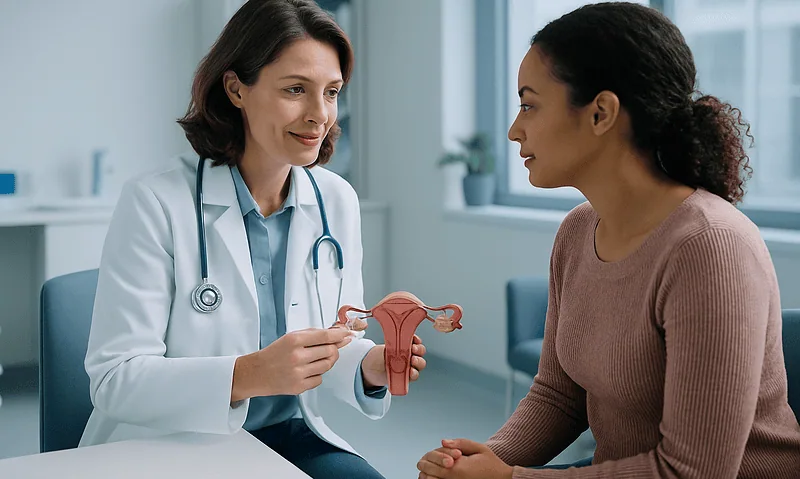
How Fast Ovarian Cysts Grow: Typical Timelines, Warning Signs and When to Treat
Most ovarian cysts are functional cysts that form during a normal menstrual cycle, reach roughly 2 to 5 centimeters, and shrink or disappear within…
What the Robot Actually Changes in a Robotic Hysterectomy: Precision, Incisions and Recovery
In a robotic hysterectomy the robot does not operate on its own. The surgeon sits at a console a few feet from the patient…

Cystectomy vs Oophorectomy: Removing the Cyst or the Ovary and How Surgeons Decide
A cystectomy removes only the cyst and leaves the ovary in place; an oophorectomy removes the whole ovary, sometimes with the fallopian tube. Surgeons…