

Endometriosis Myths: Does Pregnancy Treat It, and Is Hysterectomy the Only Answer?
Key Takeaways
- Endometriosis lesions grow outside the uterus, which is why neither pregnancy nor hysterectomy removes them.
- Symptom relief during pregnancy comes from suppressed cycles and typically fades once periods return, the same mechanism hormonal treatments imitate without a pregnancy.
- The NHS states that hysterectomy is not always effective for endometriosis and that symptoms can return if lesions are left behind.
- A normal ultrasound does not rule out endometriosis; superficial lesions are often invisible on imaging and laparoscopy remains the only definitive test.
- Extent of disease correlates poorly with pain, so mild-looking disease can cause severe symptoms and vice versa.
- The World Health Organization estimates about 10 percent of women and girls of reproductive age have endometriosis, roughly 190 million people.
Pregnancy does not treat endometriosis. Symptoms often ease while periods stop, but the tissue is not removed and pain commonly returns afterward. Hysterectomy is not the only answer either; it is one option among hormonal treatment, pain management, and surgery that removes or destroys endometriosis tissue while keeping the uterus. The right path depends on symptoms, age, fertility wishes, and a discussion with the treating team.
She is 31, sitting on the edge of an exam table with a heat pad still warm in her bag, and she has heard two pieces of advice more times than she can count. Have a baby, it will settle things down. Or, if that is not on the cards, take the whole uterus out and be done with it. Both come from people who love her. Both are wrong, or at least far less true than they sound.
Endometriosis myths have a peculiar staying power. Part of that is history: for decades, pain that women reported was filed under nerves or normal. Part of it is the disease itself, which hides inside the pelvis and only reveals itself under a camera. The result is a condition that affects roughly one in ten people of reproductive age worldwide and still gets explained at kitchen tables by folklore.
This explainer takes the two biggest claims in the title seriously, tests them against what the evidence actually shows, and then works through the questions that follow: how the disease is diagnosed, how treatments work, who is usually offered surgery, and what a realistic path forward looks like.
What endometriosis actually is, and why the myths start there
Endometriosis is a condition in which tissue similar to the lining of the uterus grows outside it, most often on the ovaries, the fallopian tubes, the ligaments that hold the uterus in place, and the thin membrane lining the pelvis. In less common cases it appears on the bowel, the bladder, or the diaphragm. That word similar matters. The tissue behaves like the uterine lining, thickening and bleeding with each hormonal cycle, but it has nowhere to go. Trapped blood irritates surrounding structures, triggers inflammation, and over time can form scar tissue and adhesions, bands of fibrous tissue that make organs stick together.
The World Health Organization estimates that endometriosis affects about 10 percent of women and girls of reproductive age globally, roughly 190 million people. That is not a rare disease. It is, in scale, comparable to diabetes.
Here is where the myths begin. Because the tissue responds to estrogen, many people assume the uterus is the engine and removing it or switching it off with pregnancy solves the problem. But endometriosis lesions sit outside the uterus. They have their own blood supply and, in many cases, their own local hormone production. Nobody knows for certain why the tissue ends up where it does. Leading explanations include menstrual blood flowing backward through the fallopian tubes, cells transforming in place, immune differences, and genetics, since the risk is higher when a close relative has the disease.
What is clear from Mayo Clinic and NHS summaries is that endometriosis is a chronic, estrogen-dependent, inflammatory condition. Each of those three words points to a treatment strategy, and none of them points to a single quick fix.
Why is endometriosis so poorly understood?
Ask a room of people with endometriosis how long they waited for a name for their pain and you will hear years, not months. The WHO fact sheet notes that diagnosis is often delayed, sometimes for a long time, because symptoms overlap with other conditions and because there is no simple blood test. Several forces stack up.
The first is normalization. Period pain is so widely expected that severe pain gets absorbed into the idea of a bad month. Teenagers in particular are told they will grow out of it. The second is invisibility. Standard pelvic exams often feel normal, and an ultrasound can miss superficial lesions entirely; it is better at picking up ovarian cysts filled with old blood, called endometriomas. The third is variety. One person has crushing pain with a few tiny lesions; another has extensive disease and hardly any pain. Severity of symptoms does not track neatly with how much tissue is present, which confuses patients and clinicians alike.
Research funding and training have also lagged. The Cleveland Clinic and Johns Hopkins both describe endometriosis as historically under-recognized, and many primary care visits are short. Pain that arrives cyclically, moves around the pelvis, and comes with bowel or bladder symptoms can easily be routed to a gastroenterologist or urologist first.
The honest summary: the disease is common, but the tools for finding it are imperfect, and cultural habits of dismissing period pain fill the gap with guesswork. That gap is exactly where endometriosis myths thrive.
Is severe period pain normal? Why it deserves a second look
Mild cramping during a period is common and usually harmless. Pain that stops you working, sends you to the floor, or requires days off every month is a different matter, and mainstream guidance from the NHS and Mayo Clinic is consistent on this point: pain that disrupts daily life warrants a medical conversation, not a coping strategy.
The distinction is not about toughness. It is about what the pain is doing. Typical period cramps come from the uterus contracting to shed its lining and ease within the first day or two. Endometriosis pain tends to behave differently. It may start before bleeding and carry on afterward, it may sit deep in the pelvis or radiate to the lower back and thighs, and it often comes with pain during or after sex, pain when passing urine or opening the bowels during a period, or heavy bleeding. Fatigue is frequent, and so are bloating and nausea.
None of this is a checklist for diagnosing yourself, and other conditions cause overlapping symptoms, including fibroids, pelvic inflammatory disease, irritable bowel syndrome, and adenomyosis, a related condition where lining tissue grows into the muscle wall of the uterus. The point is narrower and more useful: if pain is changing your plans month after month, the right response is to describe it to a clinician in detail and ask what could be causing it.
A practical step that clinicians value is a symptom diary. Note when pain starts relative to bleeding, how long it lasts, what it stops you doing, and any bowel, bladder, or sexual symptoms. Patterns that emerge over two or three cycles carry more weight in a short appointment than a single description of a bad day.
Does pregnancy help endometriosis? What the evidence shows
This is the oldest of the endometriosis myths and it contains a grain of biological truth, which is why it survives. During pregnancy, ovulation and menstruation stop, and the hormonal environment shifts heavily toward progesterone. Lesions that normally bleed each month go quiet. Many people report that pain improves during pregnancy, and Mayo Clinic notes that symptoms may ease temporarily while periods are absent.
Temporarily is the operative word. Pregnancy does not remove endometriosis tissue, dissolve adhesions, or reset the disease. Once cycles return, so, for most people, does the pain. Breastfeeding can extend the quiet period because it often delays the return of ovulation, but again this is suppression, not resolution. Some people experience no improvement at all during pregnancy, and a small number report worsening as the growing uterus stretches adhesions.
There is a second problem with the advice. Endometriosis is one of the more common contributors to difficulty conceiving, so telling someone to get pregnant as a treatment can be both painful and impractical. And pregnancy is a life decision, not a prescription. No clinical guideline recommends conceiving in order to manage a chronic condition.
What the evidence supports is more modest and more useful. The mechanism behind the pregnancy effect, sustained suppression of the menstrual cycle, is precisely what many hormonal treatments imitate without a pregnancy. Continuous combined hormonal contraception, progestogen-only options, and medicines that lower estrogen production all aim to keep lesions inactive. So the kernel of truth in the myth points toward legitimate options; it just does not point toward having a baby to feel better.
Is hysterectomy the only answer for endometriosis?
No, and treating it as the last word misunderstands the anatomy. A hysterectomy is surgery to remove the uterus. Endometriosis lesions, by definition, sit outside the uterus. Removing the organ takes away the monthly shedding of the lining and any coexisting adenomyosis, which can be a meaningful source of pain for some people, but it does not touch lesions on the pelvic wall, bowel, bladder, or ovaries unless the surgeon also removes or destroys them.
The NHS describes hysterectomy as a major operation that is usually considered only when other treatments have not worked and when the person does not wish to have children in the future. It also states plainly that hysterectomy is not always effective for endometriosis and that symptoms can return if endometriosis tissue is left behind. Mayo Clinic takes a similar line, noting that experts are moving away from hysterectomy as the default and toward careful removal of all endometriosis tissue.
Whether the ovaries are removed is a separate decision with its own consequences. Removing both ovaries induces menopause immediately, with hot flashes, bone density loss, and cardiovascular considerations arriving years earlier than they otherwise would. Keeping the ovaries preserves hormone production but leaves the estrogen that can keep any residual lesions active. Some people who have their ovaries removed are advised to take hormone replacement therapy, which itself needs careful discussion because it can in theory stimulate remaining tissue.
So hysterectomy is an option, sometimes an appropriate one, but it is one tool in a set. It works best when combined with excision of visible lesions, chosen by someone who has finished childbearing, and preceded by a frank conversation about what it can and cannot change.
How is endometriosis diagnosed?
Diagnosis begins with listening. A detailed history of pain patterns, bleeding, bowel and bladder symptoms, pain with sex, and any fertility difficulty is the foundation, and Mayo Clinic lists it first for good reason. A pelvic exam follows, where a clinician feels for tenderness, nodules behind the uterus, or a uterus that does not move freely.
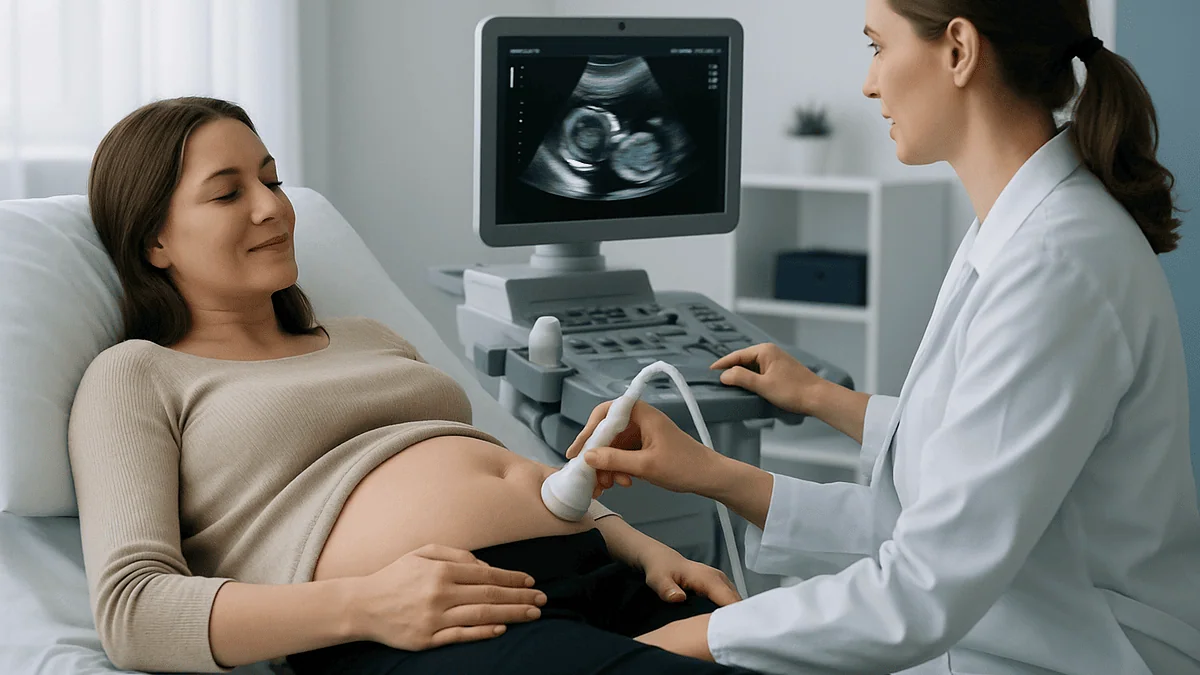
Imaging comes next. Transvaginal ultrasound is good at detecting endometriomas and, in skilled hands, deeper nodules on the bowel or the ligaments behind the uterus. Magnetic resonance imaging, or MRI, gives a wider map and is often used to plan surgery for deep disease. Both have a limitation that patients should understand: a normal scan does not rule endometriosis out. Superficial lesions, which are the most common type, are frequently invisible on imaging.
The definitive test is laparoscopy, a keyhole operation in which a thin camera is passed through a small cut near the navel to look directly at the pelvic organs. Suspicious tissue can be biopsied, meaning a small sample is removed and examined under a microscope, and often treated during the same procedure. The NHS and Mayo Clinic both describe laparoscopy as the only way to confirm the diagnosis with certainty.
Practice has shifted in recent years. Because surgery carries its own risks, many guidelines now support starting hormonal treatment on the basis of a strong clinical picture, without waiting for a laparoscopy, and reserving surgery for people whose symptoms persist, whose imaging shows significant disease, or who are trying to conceive. That approach shortens the road to relief, but it also means some people live with a working diagnosis rather than a confirmed one. Asking your clinician which of those you have is a fair question.
How hormonal treatment for endometriosis works
Every hormonal treatment for endometriosis rests on the same idea: lesions are fed by estrogen and flare with each cycle, so lowering estrogen exposure or stopping the cycle quiets them. The medicines differ in how they get there, in their side effects, and in how they fit with plans for pregnancy. None removes tissue, and Mayo Clinic notes that symptoms can return after treatment stops.
Combined hormonal contraception, containing estrogen and a progestogen, prevents ovulation and thins the lining. Taken continuously rather than with a monthly break, it can suppress periods altogether, which many people find reduces pain. Progestogen-only options, available as tablets, injections, implants, or a hormone-releasing intrauterine device, work by keeping the lining and the lesions in a thin, inactive state; some also stop ovulation.
A third group acts higher up the chain. Gonadotropin-releasing hormone, or GnRH, is the brain signal that tells the ovaries to make estrogen. GnRH agonists and antagonists interrupt that signal, producing a temporary, reversible menopause-like state. Because very low estrogen affects bone density and causes hot flashes, these are typically prescribed for limited periods and often paired with a small amount of add-back hormone to protect bone, a plan the prescribing clinician tailors individually.
Timelines are worth understanding. The NHS advises that it can take a few months to judge whether a hormonal treatment is helping, and that if one option does not suit, another can be tried. Anti-inflammatory pain relievers are often used alongside, particularly around periods. What hormonal therapy cannot do is help someone actively trying to conceive, since nearly all of it prevents pregnancy. That trade-off, more than any other, shapes which option a person and their clinician choose.
What actually happens during endometriosis surgery
Most endometriosis surgery is laparoscopic. Under general anesthesia, the abdomen is inflated with carbon dioxide gas to create working space, and a camera plus two or three slim instruments are passed through cuts roughly the width of a fingertip. The surgeon inspects the pelvis systematically, then deals with what is found.
Two techniques are used. Excision means cutting lesions out completely, along with a margin of surrounding tissue, so that they can be sent for microscopic confirmation. Ablation means destroying the surface of a lesion with heat or laser without removing it. Many surgeons favor excision, particularly for deeper disease, because ablation may leave tissue beneath the surface; the evidence on which approach produces better long-term pain relief is still debated, and honest clinicians will say so. Endometriomas are usually drained and their lining removed, a step that must be balanced against protecting the ovary’s egg supply.
Deep disease that involves the bowel, bladder, or ureters, the tubes carrying urine from the kidneys, requires more complex surgery and often a team including a colorectal or urological surgeon. This is planned in advance from MRI findings rather than discovered on the day.
Risks are those of any abdominal operation: bleeding, infection, injury to nearby organs, blood clots, and reactions to anesthesia, plus the specific possibility that endometriosis recurs. The NHS states that symptoms can come back after surgery and that further operations are sometimes needed. Many clinicians recommend hormonal treatment after surgery for people not trying to conceive, with the aim of delaying recurrence. Surgery is therefore best thought of as a powerful step within long-term management rather than a finish line.
Who is usually offered surgery, and who is usually asked to wait
Surgery is not the automatic next step after a diagnosis, and it is not withheld only from people whose disease is mild. The decision turns on a handful of practical questions that guidelines, including those summarized by the NHS and Mayo Clinic, weigh in broadly similar ways.
People commonly offered surgery include those whose pain persists despite an adequate trial of hormonal treatment, those who cannot take hormonal treatment for medical reasons, those with imaging showing an endometrioma or deep disease affecting the bowel or urinary tract, and those trying to conceive, since hormonal therapy is off the table for them and removing disease may improve the odds of natural conception in some situations.
People often asked to wait or to try medical options first include those who have not yet had a fair trial of hormonal treatment, those whose symptoms are well controlled, those close to menopause in whom symptoms may settle naturally, and those for whom the operative risks outweigh the likely benefit. Adolescents are usually managed medically first.
| Approach | What it does | Usually considered when | Main limitations |
|---|---|---|---|
| Pain relief and lifestyle measures | Reduces inflammation and symptom impact | First step, alongside other options | Does not affect the disease itself |
| Hormonal treatment | Suppresses cycles, keeps lesions inactive | Not currently trying to conceive | Symptoms may return on stopping; side effects |
| Laparoscopic excision or ablation | Removes or destroys visible lesions | Persistent pain, deep disease, fertility plans | Recurrence possible; surgical risks |
| Hysterectomy, with or without ovary removal | Removes uterus and stops periods | Childbearing complete, other options exhausted | Does not remove lesions outside uterus unless excised; menopause if ovaries removed |
The table is a map, not a menu. Where a person lands depends on their goals, and the decision sits with them and their treating team.
What the days and weeks after laparoscopy usually look like
For a diagnostic laparoscopy or removal of limited disease, most people go home the same day or the next morning, according to NHS guidance on the procedure. The first two or three days are the roughest. Expect soreness at the small incisions, a bloated feeling, and a distinctive ache in the shoulders and upper chest caused by leftover carbon dioxide gas irritating the diaphragm; walking and warmth tend to ease it. Light vaginal bleeding is common if instruments were used inside the uterus.
The NHS notes that recovery after a diagnostic laparoscopy often takes a few days, while operations that remove tissue can mean a couple of weeks or more before returning to normal activities. Deep excision involving the bowel or bladder is a different order of recovery, sometimes with a hospital stay of several days and a slower return to work. Your surgical team will give a timeline for your specific operation, and it is that timeline, not a general article, that counts.
A few principles hold across the board. Move early and often, even short walks around the house, because mobility lowers the risk of blood clots in the legs. Keep wounds clean and dry and watch them daily. Avoid heavy lifting and strenuous exercise until cleared. Pain relief works better taken as advised rather than chased once pain peaks.
Pain from the endometriosis itself does not always improve immediately. Inflammation from surgery can mask the picture for several weeks, and many surgeons ask patients to reserve judgment about the operation’s effect until the first two or three cycles have passed. If hormonal treatment is planned after surgery, it is often started soon after, and the follow-up appointment is the place to review how both are working together.
Endometriosis and fertility: what the evidence shows
Endometriosis is linked with difficulty conceiving, and Mayo Clinic describes infertility as one of its main complications. The reasons are several: adhesions can distort the fallopian tubes or ovaries, endometriomas can reduce the number of healthy eggs, and inflammation in the pelvis may affect egg quality, sperm function, or implantation. The uncomfortable truth is that the exact contribution of each remains under study.
The equally important truth is that many people with endometriosis conceive without any intervention, and mainstream sources including the NHS are careful to say that the condition does not mean infertility. The likelihood varies with how extensive the disease is and with age, which remains the strongest single influence on fertility for everyone.
For those who are struggling, options include laparoscopic surgery to remove disease and restore normal anatomy, which may improve chances of natural conception in some people, and assisted reproduction such as in vitro fertilization, or IVF, in which eggs are fertilized outside the body and an embryo is placed in the uterus. Which route comes first depends on age, the severity of disease, how long the couple has been trying, and any other fertility factors. Hormonal suppression is not a fertility treatment; it prevents pregnancy while in use.
Two points are worth carrying into a consultation. First, an endometrioma seen on scan does not automatically need surgery before fertility treatment; removing it can lower the egg reserve, so specialists weigh size, symptoms, and reserve carefully. Second, pregnancy itself, as covered earlier, is not a treatment. People who conceive should expect symptoms to return after delivery and can plan management for that phase in advance with their clinician.
How hard is it to live with endometriosis?
Harder than the word period suggests, and easier than the bleakest online forums imply. The honest answer is that endometriosis is a chronic condition, and living with it well usually means building a management plan rather than waiting for a single event to end it. WHO and Cleveland Clinic both describe wide-ranging effects on work, education, relationships, and mental health, largely driven by pain that is unpredictable and by the exhaustion of not being believed.
Fatigue deserves particular mention. It is one of the most common and least discussed symptoms, and it is not explained simply by blood loss or poor sleep, though both contribute. Chronic inflammation and the constant low-level effort of managing pain take their own toll. Naming it to a clinician matters, because iron deficiency, thyroid problems, and mood disorders can compound it and are treatable in their own right.
Day to day, several measures have reasonable evidence or strong clinical support. Regular physical activity reduces inflammation and improves pain tolerance over time. Heat applied to the lower abdomen relieves cramping for many. Pelvic floor physical therapy helps when muscles have tightened in response to years of pain. Psychological approaches such as cognitive behavioral therapy do not imply the pain is imagined; they target the way the nervous system amplifies persistent pain. Dietary changes are widely discussed, but Harvard Health and others note that the evidence for any specific diet is limited; an anti-inflammatory pattern rich in vegetables, fish, and whole grains is sensible for general health and may help some people, but it is not a treatment.
Support matters too. Being able to describe the condition clearly to employers, partners, and family lowers the isolation that many describe as the hardest part.
What people often get wrong: endometriosis facts and myths
Beyond pregnancy and hysterectomy, a handful of endometriosis myths circulate widely enough to deserve direct correction.
- Teenagers cannot have it. They can. Symptoms frequently begin with the first periods, and Mayo Clinic lists early onset of menstruation among the risk factors. Dismissing adolescent pain delays diagnosis by years.
- Menopause ends it. Symptoms usually improve as estrogen falls, and the NHS says as much, but not always. Adhesions do not disappear, and hormone replacement therapy can reactivate residual tissue in some people.
- The worse the pain, the worse the disease. Extent of disease and severity of pain correlate poorly. Small lesions near nerves can hurt more than extensive disease elsewhere.
- It always causes infertility. It raises the risk; it does not guarantee the outcome.
- Other countries have a secret treatment. People search for how Japan, or Europe, or anywhere else treats endometriosis. The principles are the same worldwide: pain relief, hormonal suppression, and surgery. Some progestogen medicines were adopted earlier in Japan and parts of Europe than elsewhere, which is a difference in timing, not in approach.
- The most mysterious symptom is imaginary. Pain in the shoulder tip or chest during periods is real and, rarely, reflects endometriosis on the diaphragm or lung lining. It is uncommon, but it is documented and worth reporting.
One more misconception does quiet harm: the idea that surgery fixes everything. It can bring substantial relief, and for some it is the turning point. But the NHS is direct that symptoms can return and further treatment may be needed. Expecting that in advance is not pessimism; it is the difference between a plan and a disappointment.
Questions to ask your care team
A good consultation about endometriosis is a two-way exchange, and clinicians generally welcome patients who arrive with specific questions. These are the ones that tend to change the conversation.
- Is this a confirmed diagnosis or a working one based on my symptoms, and what would confirm it?
- What did my ultrasound or MRI show, and what could it have missed?
- Which hormonal options fit my situation, how do they work, and how long should I try one before we judge whether it is helping?
- If surgery is on the table, will lesions be excised or ablated, and what happens if you find deep disease involving the bowel or bladder?
- How does each option affect my ability to conceive, now or later?
- If hysterectomy is being discussed, would my ovaries be removed, what would that mean for menopause, and would remaining lesions also be removed?
- What is the plan for managing symptoms if they return after treatment?
- Should I be assessed for related problems such as iron deficiency, pelvic floor dysfunction, or bladder and bowel involvement?
- Who do I contact between appointments if pain changes suddenly?
Bring your symptom diary. Bring a list of everything you take, including supplements. If a decision feels large, it is reasonable to ask for time to think or for a second clinical opinion, and mainstream guidance supports that. The treating team makes recommendations; the decision about your body remains yours, made together with them.
When to call your doctor
Most endometriosis pain is chronic and cyclical, and it is managed through scheduled care. Some situations, though, need same-day medical attention, and knowing them in advance removes the guesswork.
Seek urgent care for sudden, severe pelvic or abdominal pain that is different from your usual pattern, particularly with fainting, dizziness, or a racing heart. An ovarian cyst, including an endometrioma, can rupture or twist the ovary, and both need prompt assessment. Heavy bleeding that soaks through protection every hour for several hours, or bleeding with clots larger than a coin over a sustained period, also warrants a call. A fever above 100.4°F (38°C) with pelvic pain, foul-smelling discharge, or pain when passing urine may signal infection.
After surgery, contact the surgical team if a wound becomes red, swollen, hot, or leaks pus; if pain is worsening rather than easing after the first few days; if you cannot pass urine; if you have persistent vomiting; or if you notice calf pain, leg swelling, chest pain, or breathlessness, which can indicate a blood clot and are emergencies.
If you are pregnant or could be, and you have sharp one-sided pelvic pain or bleeding, seek care immediately, since ectopic pregnancy, where the embryo implants outside the uterus, is more common in people with endometriosis.
Finally, call sooner rather than later if pain is stopping you from working, eating, or sleeping, if your mood is deteriorating under the strain, or if a treatment’s side effects are unmanageable. None of these are trivial, and adjusting the plan is precisely what the treating team is there to do.
Frequently asked questions
Does pregnancy help endometriosis in the long term?
No. Pregnancy can ease symptoms temporarily because ovulation and periods stop and progesterone rises, but it does not remove endometriosis tissue or adhesions. Mayo Clinic notes symptoms may improve during pregnancy and return afterward. Breastfeeding may extend the quiet period by delaying ovulation. Pregnancy is a life decision, not a treatment, and no guideline recommends conceiving to manage the condition.
Is hysterectomy for endometriosis a permanent fix?
Not necessarily. Hysterectomy removes the uterus and stops periods, but endometriosis lesions sit outside the uterus and remain unless they are also excised. The NHS states hysterectomy is not always effective and symptoms can return if tissue is left behind. Whether the ovaries are removed, and whether hormone replacement follows, affects outcomes further. It is a major operation usually considered when other treatments have failed and childbearing is complete.
Is severe period pain normal, or could it be endometriosis?
Mild cramping is common, but pain that stops you working, studying, or functioning each month is not something to accept as normal. Endometriosis is one possible cause; others include fibroids, adenomyosis, and pelvic infection. Pain that begins before bleeding, lasts beyond it, or comes with pain during sex, bowel movements, or urination should be described to a clinician. A symptom diary over two or three cycles helps that conversation.
Why is endometriosis so poorly understood?
Several factors combine. Period pain is widely normalized, so severe pain is often dismissed. There is no blood test, and ultrasound can miss superficial lesions, leaving laparoscopy as the only definitive diagnosis. Symptoms vary enormously and overlap with bowel and bladder conditions. Historically, research funding and clinical training have lagged. The WHO notes diagnosis is often delayed for these reasons.
How hard is it to live with endometriosis?
It is a chronic condition, and its impact ranges from manageable to severe depending on symptoms, treatment response, and support. Pain, fatigue, and unpredictability affect work, relationships, and mental health, as WHO and Cleveland Clinic describe. Most people do best with a long-term plan combining pain management, hormonal or surgical treatment as appropriate, physical activity, pelvic floor therapy where needed, and psychological support, reviewed regularly with their care team.
How do the Japanese treat endometriosis differently?
The core approach is the same worldwide: pain relief, hormonal suppression to quiet lesions, and laparoscopic surgery when needed. Some progestogen-based medicines were adopted in Japan and parts of Europe earlier than in other regions, which is a difference in timing rather than a different philosophy. There is no country-specific treatment that outperforms guideline-based care, and traveling for endometriosis care is not something mainstream guidance recommends.
What is the most mysterious symptom of endometriosis?
Many patients point to pain far from the pelvis, such as shoulder tip or chest pain during periods. In rare cases this reflects endometriosis on the diaphragm or lung lining. Fatigue is another under-recognized symptom that is not fully explained by blood loss. Both are real, documented, and worth reporting to a clinician, even if they sound unrelated to a gynecological condition.
Can endometriosis come back after surgery?
Yes. The NHS states that symptoms can return after surgery and that further treatment or operations are sometimes needed. Recurrence depends on how completely tissue was removed, the type of disease, and whether hormonal treatment is used afterward. Many clinicians recommend hormonal suppression after surgery for people not trying to conceive to delay recurrence. Surgery is best seen as a step within long-term management.
Does endometriosis always cause infertility?
No. Endometriosis raises the risk of difficulty conceiving through adhesions, ovarian cysts, and inflammation, and Mayo Clinic lists infertility among its complications, but many people with the condition conceive naturally. Age remains the strongest influence on fertility for everyone. For those who struggle, options include surgery to remove disease and assisted reproduction such as IVF, chosen based on age, disease extent, and other factors.
Will endometriosis go away after menopause?
Symptoms usually improve as estrogen levels fall, and the NHS notes this, but not always. Adhesions and scar tissue remain, and hormone replacement therapy can reactivate residual lesions in some people. Anyone with a history of endometriosis considering hormone therapy at menopause should discuss the balance of benefits and risks with their clinician, who can tailor the choice to their history.
References
- NHS: Endometriosis
- World Health Organization: Endometriosis fact sheet
- Cleveland Clinic: Endometriosis
- NHS: Laparoscopy (keyhole surgery)
This article is for general information only and is not a substitute for professional medical advice. Please consult a qualified doctor about your individual situation.

More from the Blog

Completing Vaginal Infection Treatment: Irritants to Avoid and When Symptoms Settle
After vaginal infection treatment, most people notice itching, burning and discharge easing within a few days, with thrush symptoms typically settling within one to…
Can Prolapse Come Back After Surgery? Why Recurrence Happens and What Revision Involves
Yes, pelvic organ prolapse can come back after surgery, either at the repaired site or in a neighboring part of the vagina, sometimes years…
How Gynecologic Laparoscopy Is Performed: Small Incisions, Gas and the Camera Explained
A gynecologic laparoscopy procedure is keyhole surgery of the pelvis performed under general anesthesia. The surgeon makes a small incision near the navel, fills…
Preparing for Robotic Hysterectomy: Blood Thinners, Fasting and Bowel or Skin Preparation
Preparing for a robotic hysterectomy usually means a pre-operative assessment, a full review of every medicine and supplement you take, and written instructions from…
Excision vs Ablation for Endometriosis: How the Two Surgical Techniques Differ
Excision removes endometriosis tissue by cutting it out at its full depth so a pathologist can examine it, while ablation destroys the surface of…
Preparing for a PCOS Evaluation: Why Tracking Cycles, Weight Changes and Symptoms Helps
Preparing for a PCOS evaluation means bringing a dated record of your menstrual cycles (first day of each period, cycle length, skipped months), a…