

The Day Before Dental Implant Surgery: Eating Rules, Medication Questions and What to Bring
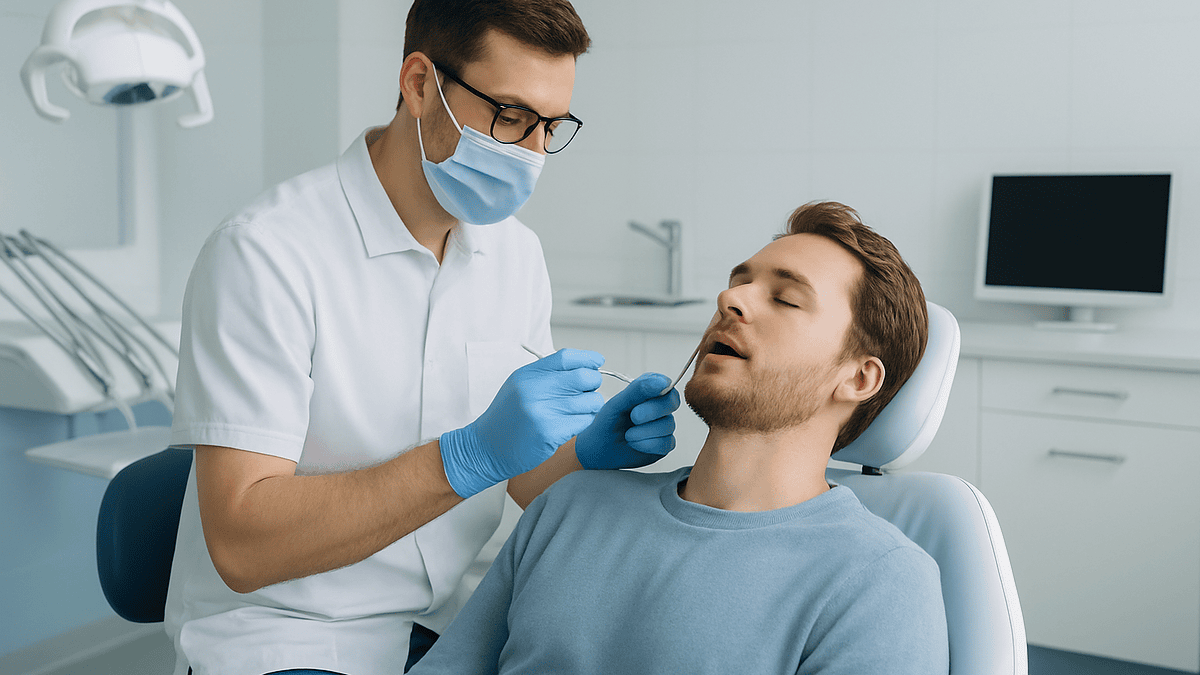
Key Takeaways
- For most people the day before dental implant surgery is a normal eating day; special fasting applies only when sedation or general anesthesia is planned, and the NHS describes a typical window of about six hours without food.
- Continue every prescribed medicine unless the prescriber or surgeon has specifically told you to pause it; current dental practice often continues blood thinners for routine implants and controls bleeding locally.
- The American Heart Association recommends preventive antibiotics before dental surgery only for a small high-risk group, such as people with prosthetic heart valves or previous endocarditis, not for most murmurs or stents.
- Any past or present antiresorptive bone medicine, especially intravenous forms used in cancer care, must be disclosed because of the rare risk of medication-related osteonecrosis of the jaw.
- Nicotine narrows blood vessels and the Mayo Clinic lists smoking among factors that contribute to implant failure, so any smoke-free period before surgery helps healing.
- Osseointegration, the bone fusing to the implant, typically takes around three to six months according to the Cleveland Clinic, so the final crown is usually months away from placement day.
The day before dental implant surgery is mostly about following the fasting and medication instructions your surgical team gave you, not inventing new ones. Eat normally unless told otherwise, confirm with the prescriber before pausing any blood thinner, diabetes or bone medicine, avoid alcohol and tobacco, arrange a ride home if sedation is planned, and pack your medication list, consent forms and a soft-food plan.
The appointment card is stuck to the fridge. Tomorrow at nine, a titanium post goes into the space where a molar used to be, and tonight the questions arrive in a rush: Can I have dinner? What about my morning tablet? Do I really need someone to drive me? The surgery itself was explained clearly weeks ago. The day before dental implant surgery, oddly, is the part nobody walked you through.
That gap matters. Most implant procedures run smoothly, and when they do not, the cause is often something small and preventable from the twenty-four hours beforehand: a breakfast eaten before sedation, a blood thinner stopped without asking, a ride that fell through.
This guide takes those hours in order, from the last ordinary meal to the bag by the door, and explains what the evidence supports rather than what the internet insists on. Where a decision depends on your medical history, it belongs to your surgeon and prescriber, and we say so plainly.
What actually happens during dental implant surgery?
Knowing what tomorrow involves makes tonight’s instructions feel less arbitrary. A dental implant is a small screw-shaped post, usually made of titanium, placed into the jawbone to act as an artificial tooth root. Once the bone has grown around it, a connector called an abutment and then a crown are attached on top, according to the Mayo Clinic’s overview of the procedure.
The placement visit itself follows a fairly consistent pattern. The surgeon numbs the area with local anesthetic, an injected medicine that blocks pain signals from a specific region while you stay awake. Some people also receive sedation, medicine that makes you drowsy and relaxed, and a smaller number have general anesthesia, which puts you fully to sleep. The gum is opened, a precise channel is drilled into the bone, the implant is placed, and the gum is closed with stitches. For a single implant this often takes under an hour; more complex cases with bone grafting take longer.
The reason your preparation instructions vary so much is that the anesthesia plan drives most of them. Local anesthetic alone rarely requires fasting. Sedation and general anesthesia do, because a stomach containing food raises the risk of vomiting and inhaling that material while your protective reflexes are dulled. That single mechanism explains almost every eating rule you will read tonight.
Bleeding is the second theme. The jaw is well supplied with blood, and the surgeon needs a predictable clotting response to control the site. Medicines that thin the blood, and habits like smoking that impair healing, are the reason so many pre-operative questions concentrate on the medication list.
The third theme is infection control: a clean mouth, no active dental infection, and, for a small group of patients with specific heart conditions, a preventive antibiotic taken beforehand. Everything below sits under one of those three headings.
Who is usually scheduled, and who is usually asked to wait?
Implants are typically offered to adults whose jaw growth has finished, who have enough bone to hold the post or are willing to have a graft, and whose gums are free of active disease, as the Cleveland Clinic and Mayo Clinic both describe. Good general health and a commitment to daily cleaning and follow-up visits round out the usual picture.

Being asked to wait is not a rejection; it is usually a timing decision. Common reasons a surgeon defers the day before, or earlier, include:
- An active infection in the mouth, a chest infection or a fever, because operating into inflamed tissue raises the chance of the implant failing to integrate.
- Uncontrolled diabetes or very high blood pressure on the day, both of which affect healing and safety under sedation.
- A recent heart attack, stroke or new heart stent, where the cardiology team may want a set interval to pass before elective dental surgery.
- Current or recent intravenous bone-strengthening medicines, or radiotherapy to the jaw, where the risk of poor bone healing needs specialist assessment first.
- Pregnancy, when elective procedures are commonly postponed unless there is a pressing reason.
- Heavy smoking that the person is actively working to reduce, since the Mayo Clinic notes smoking contributes to implant complications and failure.
If any of these applies to you and it has not come up, the day before is exactly the moment to call. A short conversation now spares an awkward same-day cancellation, or worse, a procedure that goes ahead when the odds were stacked against it.
Children and adolescents are almost always asked to wait, since an implant placed into a still-growing jaw can end up sitting in the wrong position as the bone around it continues to develop.
What to eat before dental implant surgery: the day-before plan
Here is the unglamorous truth: for most people the day before dental implant surgery is a normal eating day. There is no special implant diet, no cleanse, no need to load up on protein or vitamin C. A balanced dinner at your usual time does the job.
The practical goal is to arrive tomorrow neither ravenous nor overfull, with your last meal timed to match the anesthesia plan you were given. If you are having local anesthetic only, most surgeons suggest eating a light meal an hour or two beforehand so you are not lightheaded and your blood sugar is steady. If sedation or general anesthesia is planned, the fasting window described in the next section applies, and tonight’s dinner becomes your last substantial meal.
A few sensible choices for that dinner:
- Choose something you know agrees with you. Nervous stomachs and unfamiliar spicy food are a poor pairing before an early appointment.
- Keep portions ordinary. A very large or fatty meal empties more slowly from the stomach, which matters if you will be sedated in the morning.
- Drink water through the evening. Mild dehydration makes veins harder to find if a cannula is needed and can add to post-operative headache.
- Skip alcohol entirely, for reasons covered later.
This is also the moment to think ahead to after surgery. Your mouth will be numb and then sore, so stock the fridge tonight with soft, cool foods: yogurt, smooth soups, mashed potato, scrambled eggs, ripe bananas, smoothies you can eat with a spoon. Avoid buying anything that needs a straw; suction can dislodge the protective clot over the surgical site.
One question comes up constantly: should I brush more aggressively tonight? No. Brush and floss normally and gently. Traumatized gums bleed more tomorrow, and a healthy, undisturbed mouth is the aim.
Fasting rules: local anesthesia versus sedation versus general anesthesia
The eating rule that trips people up is the one that changes with the type of anesthesia. The mechanism is aspiration: under sedation or general anesthesia the reflexes that normally keep stomach contents out of your airway are suppressed, so an empty stomach is a safety measure rather than a formality.

The NHS guidance on general anesthesia describes a typical pattern of not eating for about six hours beforehand, with clear fluids such as water usually allowed until nearer the time, and asks patients to follow the exact instructions their own hospital gives. Many dental sedation services use similar windows. Your team’s written instructions always override anything here.
| Anesthesia type | What it does | Typical eating and drinking approach | Ride home needed? |
|---|---|---|---|
| Local anesthetic only | Numbs the surgical area; you are awake | Usually a light meal beforehand is encouraged; no formal fast | Usually not, unless your surgeon says otherwise |
| Local plus oral or IV sedation | You are drowsy and relaxed but breathing on your own | Fasting from solid food for a set window, commonly around six hours per NHS-style guidance; clear fluids until the time you were told | Yes, a responsible adult |
| General anesthesia | You are fully asleep and monitored by an anesthetist | Strict fasting from food; clear fluids only until the stated cutoff | Yes, plus someone at home afterward |
Two clarifications save a lot of anxious texting. First, “clear fluids” means liquids you can see through: water, and sometimes diluted juice without pulp or black tea or coffee without milk, depending on your service’s rules. Milk counts as food. Chewing gum and sweets also count. Second, if you are asked to take a regular medicine on the morning of surgery, a small sip of water to swallow it is normally allowed even inside the fasting window, but confirm this when you call.
If you accidentally eat inside the window, say so. The team may postpone by a few hours or reschedule, which is inconvenient but far safer than proceeding.
Can I take medication before a dental implant? The general principle
The most frequently searched medication question has a short answer that is also the safest one: continue every prescribed medicine as usual unless the person who prescribed it, or your surgeon after speaking with them, has told you specifically to pause or adjust it. Stopping a medicine on your own initiative the night before is one of the more common and more avoidable causes of pre-operative harm.
The reason is that the risks run in both directions. A medicine that increases bleeding at the surgical site may be protecting you from a stroke or a clot in a heart stent. A blood pressure medicine that could interact with sedation may be the thing keeping your readings safe enough to operate. Only a clinician who can see the whole picture should make that trade, and it should be decided well before the day before.
What you can do tonight is make sure the surgeon has a complete and accurate list. Write down, or photograph, every prescription medicine, every over-the-counter product, every supplement and herbal remedy, with the reason you take it. The gaps that matter most in dental surgery are usually the ones people forget to mention:
- Over-the-counter pain relievers taken regularly, some of which affect platelets.
- Supplements such as fish oil, high-dose vitamin E, ginkgo or garlic extracts, which have been associated with increased bleeding tendency.
- Inhaled steroids, hormone treatments and injectable medicines that do not feel like “tablets”.
- Medicines for bone density, current or past, including infusions given years ago.
Bring the list tomorrow. If you have a chronic condition managed by a specialist, and the surgeon has not confirmed the plan with them, the day before is your last realistic chance to ask. A ten-minute phone call now can prevent the surgery being cancelled at the chair.
The sections that follow explain why particular medicine groups attract so many questions, so that the conversation with your team is an informed one rather than a worried one.
Blood thinners, aspirin and the bleeding question
Anticoagulants and antiplatelet medicines sit at the top of every pre-surgical checklist, and the jaw is a place where their effect is visible. Anticoagulants slow the chemical cascade that forms a clot; antiplatelets stop the small cell fragments called platelets from sticking together. Either can make a surgical site ooze for longer.
What surprises many patients is that for routine dental procedures, including single implants, the modern trend in guideline-level practice is often to continue these medicines rather than stop them, using local measures such as pressure, stitches and clot-promoting dressings to control bleeding. The logic is straightforward: a few extra minutes of oozing is manageable in the chair, while a stroke or a clot forming in a stent because a medicine was paused is not. The decision, though, depends on the specific medicine, the reason you take it, how extensive the surgery is and your kidney function, which is why it must sit with the prescriber and surgeon together.
If you take a warfarin-type medicine, your team may want a recent blood test measuring how long your blood takes to clot, typically taken within a few days of surgery. If that has not been arranged, ask tonight.
If you take a low-dose aspirin that you started yourself rather than on prescription, mention it. Do not simply stop it; some people take aspirin for a cardiac reason that a previous doctor recommended, and the team will want to know.
Practical steps for tonight if you are on any of these medicines:
- Confirm in writing what you were told: continue as normal, or pause, and from when.
- Pack gauze or clean, damp tea bags for the ride home; firm biting pressure is the first-line treatment for oozing.
- Plan a quiet evening after surgery, with your head slightly raised and no strenuous activity, which lowers blood pressure at the site.
Expect some pink saliva for a day or so. Steady bright-red bleeding that soaks gauze is a different matter and is covered in the red-flag section.
Diabetes medicines, blood sugar and a fasting morning
Diabetes and fasting pull in opposite directions, and this is the area where the most careful pre-operative planning tends to happen. Well-controlled blood glucose supports wound healing and lowers infection risk; a hypoglycemic episode in the dental chair, brought on by taking a glucose-lowering medicine and then not eating, is a genuine safety problem.
Several groups of diabetes medicines behave differently around surgery, and this is where a prescriber’s individual instruction matters far more than any general article:
- Insulin and medicines that stimulate the pancreas to release insulin can cause low blood sugar if food is skipped, so the morning plan often needs adjusting when a fast is required.
- A newer class that works through the kidneys is commonly held for a period around procedures involving fasting because of a rare but serious acid build-up in the blood.
- Injectable medicines that slow stomach emptying are increasingly discussed with anesthesia teams because a slower-emptying stomach affects aspiration risk under sedation; some services ask for a longer fast or a pause in the medicine.
- Metformin-type medicines are often continued for minor procedures but may be paused around others, depending on kidney function and whether contrast dye is involved.
None of these adjustments is something to work out at home from a search result. What you can do the day before is confirm that a plan exists, know your own glucose target for the morning, charge your meter or sensor, and pack fast-acting glucose in case you feel shaky while waiting.
Ask, too, whether the team wants you scheduled first thing. Many surgeons deliberately put patients with diabetes at the start of the day so the fasting window is as short as possible and normal eating resumes early.
Poorly controlled diabetes is a common reason to defer implant placement, since high glucose impairs the white blood cells that fight infection and slows the bone response the implant depends on. If your recent readings have been running high, tell the team rather than hoping it will not come up.
Bone medicines, steroids and the heart: the antibiotic question
Three further medicine conversations belong on the day before, and each is about a specific mechanism rather than general caution.
Antiresorptive bone medicines. Medicines used for osteoporosis and some cancers work by slowing the cells that break down old bone. Because implant integration depends on bone remodeling, these medicines are associated with a rare complication called medication-related osteonecrosis of the jaw, in which an area of jawbone fails to heal and becomes exposed. The risk is far higher with intravenous forms used in cancer care than with oral tablets for osteoporosis, and it does not disappear when the medicine is stopped, because it stays in bone for years. Your surgeon needs to know about any such medicine, past or present, and may liaise with the prescriber about timing.
Corticosteroids. Long-term steroid tablets suppress the body’s own stress hormone response and slow healing. Some people need a temporary adjustment around surgery so the body can cope with the physical stress; that is a prescriber decision, never a self-made one, and never a reason to skip a dose.
Heart conditions and preventive antibiotics. This is the question most shaped by outdated advice. The American Heart Association now recommends antibiotic prophylaxis before dental procedures only for a small group at highest risk of infective endocarditis, an infection of the heart’s inner lining: people with prosthetic heart valves or valve repair material, a previous episode of endocarditis, certain congenital heart conditions, and heart transplant recipients with valve disease. Most people with murmurs, mitral valve prolapse, stents or bypass grafts are not in that group. If you have a heart history and no one has raised this, ask tonight; if you have been prescribed a preventive antibiotic, the timing is usually shortly before the procedure, and the surgeon will tell you exactly when.
Joint replacements are another common source of confusion. Routine antibiotics before dental work are no longer generally recommended for most people with artificial joints, though individual orthopedic advice varies, so check with the team that fitted the joint if unsure.
Alcohol, smoking and nicotine the day before dental implant surgery
If there is one lifestyle instruction worth taking seriously tonight, it is this one, because it affects the biology of healing rather than just tomorrow’s comfort.
Alcohol. An evening drink interacts with sedative medicines in unpredictable ways, dilates blood vessels, and can prolong bleeding. Heavy drinking also depletes fluid and can leave you dehydrated on a morning when you may already be fasting. Most services ask for no alcohol for at least twenty-four hours before sedation or general anesthesia and for a similar period afterward while pain relief is being taken. Water, herbal tea or a warm milk drink before bed are better companions to a nervous night.
Smoking and vaping. Nicotine narrows blood vessels, cutting the oxygen supply that healing gum and bone need, and the heat and chemicals in smoke irritate the surgical site. The Mayo Clinic lists smoking as a factor that contributes to implant complications and failure, and MedlinePlus notes that people who smoke are more likely to have breathing problems under anesthesia and slower wound healing. Any smoke-free period before surgery helps, and the longer it continues afterward, the better the environment for the implant to fuse with bone. Nicotine replacement products still deliver nicotine and its vessel-narrowing effect, so if you use them, tell the surgeon; they may still be preferable to smoking, but the team should know.
The day before is a natural moment to ask about support for stopping if you have been considering it. Many people find that the concrete goal of protecting an implant they have waited months for is a stronger motivator than general health warnings ever were.
Caffeine. There is no medical need to stop coffee, but a sudden switch from several cups to none can trigger a withdrawal headache on a day when you will already be uncomfortable. If you are fasting and clear fluids are permitted, black coffee is often acceptable; check your service’s rules.
Cannabis. Used in the days before, it can interact with sedatives and affect heart rate. Mention it to the anesthesia team; they have heard it before.
Dental implant surgery checklist: what to bring and what to leave at home
Packing the night before removes one whole category of morning stress. A small bag by the door with the following tends to cover almost every situation:
- Your complete medication and supplement list, with doses as written on the labels, or the containers themselves.
- Photo identification and any consent or registration paperwork you were given.
- Details of any allergy, especially to antibiotics, latex or local anesthetics, in writing.
- Your usual inhaler, glucose meter or emergency medicine, if you carry one.
- Glasses rather than contact lenses, since lenses are usually removed for sedation.
- A phone charger and the number of the person collecting you.
- Lip balm; your lips will be stretched and dry afterward.
- A scarf or high-collared top for the ride home, when the numb side of your face may feel exposed.
- Any night guard or removable denture the surgeon asked you to bring for fitting or adjustment.
Leave jewelry, especially facial piercings, at home; they are removed before surgery and easily lost. Wear loose, comfortable clothes with short or easily rolled sleeves so a blood pressure cuff or cannula can be placed. Skip makeup, heavy perfume and nail polish on at least one finger, because a pulse oximeter, the clip that measures oxygen in your blood, reads through the nail.
Arrange your transport tonight, not tomorrow. If any sedation is planned, you will not be permitted to drive, cycle, or travel home alone by public transport, and most services will not begin sedation without confirming who is collecting you. That person should ideally stay with you for the rest of the day.
Finally, set two alarms and write your last permitted eating and drinking times on a note where you will see them on waking. Sleepy autopilot is how breakfasts get eaten inside the fasting window.
Getting home and the first 24 hours after implant placement
Planning tonight for tomorrow evening pays off. The pattern after a straightforward single implant is fairly predictable, as the Cleveland Clinic and Mayo Clinic describe: numbness for a few hours, then a dull ache that peaks over the first day or two, some swelling and bruising, and minor oozing that settles with pressure.
Your team will give specific written aftercare, which takes precedence. The common threads look like this:
- Bite gently on the gauze provided for the period they suggest, then replace it only if oozing continues. Pink saliva is normal; a mouth filling with blood is not.
- Eat only once the numbness has faded enough to avoid biting your cheek or tongue. Start with cool, soft foods and avoid the surgical side.
- Do not rinse vigorously, spit forcefully, use a straw or smoke for at least the first day. All of these can dislodge the clot that protects the site.
- Sleep with your head raised on an extra pillow, which reduces swelling and throbbing.
- Apply a cold pack wrapped in a cloth to the cheek in short intervals during the first day to limit swelling.
- Take pain relief exactly as your team prescribed or recommended, starting before the local anesthetic wears off completely if they advised that. Never add over-the-counter products on top without checking, since some affect bleeding and some overlap with prescribed ingredients.
If you had sedation, the medicines can linger in your system for the rest of the day. Do not drive, operate machinery, sign legal documents, drink alcohol or look after young children alone until the next day, or longer if you still feel foggy.
Fever is not expected after routine implant placement. A raised temperature, especially with increasing swelling or a bad taste, is a reason to call the team rather than wait for the review appointment.
What the following days and weeks usually look like
The implant journey is measured in months, and the day before surgery is a good moment to reset expectations about pace. According to the Mayo Clinic, the entire process from placement to final crown commonly spans several months, most of it spent waiting for bone to grow around the post. The Cleveland Clinic describes this bone-fusing phase, called osseointegration, as typically taking around three to six months, though individual timelines vary with bone quality, location in the jaw and general health.
A rough picture of the road ahead:
| Phase | Typical timing | What is usually happening |
|---|---|---|
| First 2–3 days | Immediately after placement | Swelling and discomfort peak then begin to ease; soft diet; gentle salt-water rinses often begin from the day after surgery if advised |
| First 1–2 weeks | Early healing | Gum closes over or around the site; stitches dissolve or are removed; most people return to normal work within a few days |
| Following 3–6 months | Osseointegration | Bone cells attach to the implant surface; a temporary tooth or gap-filler may be worn; regular checks |
| After integration | Restoration | Abutment placed, impressions or scans taken, final crown fitted |
These are typical ranges drawn from the sources cited, not promises. Some people receive a temporary crown on the day of placement; others wait for the full integration period before anything is fitted, and the choice depends on bone quality and bite forces rather than preference.
During the waiting months, the job is straightforward: keep the site clean as instructed, attend reviews, avoid chewing hard foods directly on the area, and keep smoking to zero if at all possible. This is also the period when a healing problem is most likely to show itself, so any new pain, looseness or discharge weeks after surgery deserves a prompt call rather than a wait until the next scheduled visit.
What people often get wrong the day before dental implant surgery
A few persistent myths do real harm. Correcting them is the most useful thing this article can do.
“I should stop my blood thinner so I don’t bleed.” Guideline-level dental practice increasingly favors continuing these medicines for routine implant work and controlling bleeding locally, because the risk of a clot-related event when they are paused is often greater than the bleeding they cause. The decision belongs to your prescriber, and stopping on your own can be dangerous.
“Fasting means nothing to eat or drink from midnight.” Prolonged dry fasting is outdated for most procedures. Current NHS-style guidance typically allows clear fluids until a set time closer to surgery, which keeps you hydrated and more comfortable. Follow the times you were given, not a folk rule.
“Everyone with a heart condition needs antibiotics before dental work.” The American Heart Association narrowed this recommendation years ago to a small group at highest risk of endocarditis. Most murmurs, stents and bypasses do not qualify. Unnecessary antibiotics carry their own risks.
“A drink will calm my nerves.” Alcohol interacts with sedatives, thins the blood and dehydrates. If anxiety is the issue, tell the team; pre-medication or a sedation plan is the safe route.
“I’ll quit smoking right after the surgery.” Nicotine impairs blood flow to the site from the first hours. Any smoke-free period beforehand helps, and the morning of surgery is far too late to start.
“Brushing hard tonight will get my mouth extra clean.” Traumatized gums bleed and swell more. Clean thoroughly but gently.
“I don’t need a ride; it’s only a dental appointment.” With any sedation, you will not be allowed to drive, and services routinely cancel if no escort is confirmed.
“Implants are guaranteed.” They have a strong track record in the published literature, but healing depends on bone quality, health conditions and habits. Anyone promising an outcome is selling something.
Questions to ask your care team before tomorrow
A short call or message the day before is normal and welcomed; teams would far rather answer a question tonight than cancel tomorrow. If you are not sure what to ask, these cover the ground:
- Exactly what type of anesthesia am I having, and what are my last times for food and for clear fluids?
- Which of my medicines do I take tomorrow morning as usual, which do I pause, and from when? Has this been agreed with the doctor who prescribes them?
- Do I fall into the group that needs a preventive antibiotic before dental surgery, and if so, when do I take it?
- Have I told you about every bone medicine, steroid or injectable I have ever taken, and does any of it change the plan?
- Is a recent blood test needed, for clotting or glucose, and has it been done?
- Will I have a temporary tooth on the day, or a gap, and for how long?
- What pain relief will I be given or advised, and what should I avoid adding to it?
- Who do I call tonight or tomorrow if I develop a cold, fever or cold sore?
- What is the out-of-hours number if something worries me after surgery?
- How long should I plan to be off work, driving or exercise?
- When is the first review appointment, and what would make you want to see me sooner?
Write the answers down. Sedation affects memory of the hours around it, and the person collecting you may end up being the one who needs the information.
If anything in the answers conflicts with what you were told previously, say so and ask for clarification. Two sets of instructions that do not match are a common source of pre-operative error, and it is entirely reasonable to insist on one clear written plan.
When to call your doctor
Two moments matter here: tonight, and the days after surgery.
Call before the procedure, even the evening before, if: you develop a fever, a productive cough, a sore throat or a cold sore near the mouth; you accidentally ate or drank inside the fasting window; you took, or forgot, a medicine you were given specific instructions about; your transport has fallen through; or you have realized there is a medicine, supplement or medical condition you never mentioned. None of these is embarrassing, and all of them are safer discussed in advance.
After surgery, contact your surgical team the same day if you notice:
- Bleeding that soaks through gauze and does not slow after firm, continuous pressure for the period they advised.
- Swelling that keeps increasing after the second or third day, or spreads toward the eye or neck.
- Pain that worsens rather than eases after the first few days, or is not controlled by the pain relief you were given.
- A fever, chills, a bad taste or pus from the site, which can signal infection.
- Numbness of the lip, chin or tongue that persists long after the anesthetic should have worn off, since nerve irritation needs early assessment.
- The implant or any temporary tooth feeling loose or moving.
Seek emergency care immediately if: swelling makes it difficult to swallow, breathe or open your mouth; you have chest pain, sudden breathlessness, weakness on one side or trouble speaking, which need urgent assessment regardless of the dental surgery; or bleeding is heavy and continuous and cannot be controlled.
Every decision about whether to proceed, pause or adjust a medicine, or return to be seen, rests with your treating team. They know your history, your scan and your plan; this article is context for that conversation, never a substitute for it.
Frequently asked questions
What should I eat the day before dental implant surgery?
Eat a normal, balanced dinner at your usual time unless your team gave different instructions. Choose foods that agree with you, keep portions ordinary, drink plenty of water and avoid alcohol. If sedation or general anesthesia is planned, this dinner is your last substantial meal before the fasting window begins, so note your cutoff times. Stock soft, cool foods for the days afterward while you are shopping.
Can I take my medication before a dental implant?
Usually yes, and you should continue all prescribed medicines unless the prescriber or surgeon has specifically told you to pause or adjust one. Stopping a blood thinner, blood pressure or diabetes medicine on your own can be dangerous. If a fast is required, a small sip of water to swallow a morning tablet is normally permitted, but confirm this with your team the day before.
How long do I need to fast before dental implant surgery with sedation?
Follow the exact times your service gave you. The NHS describes a typical pattern for general anesthesia of not eating for about six hours beforehand, with clear fluids such as water often allowed until nearer the time, and many dental sedation services use similar windows. Local anesthetic alone usually requires no fast; a light meal beforehand is often encouraged instead.
Should I stop blood thinners before a dental implant?
Not without instruction from the doctor who prescribes them. Guideline-level dental practice increasingly favors continuing anticoagulants and antiplatelets for routine implant placement and managing bleeding with pressure, stitches and dressings, because pausing them can raise the risk of stroke or clotting. Your surgeon and prescriber will decide together based on your medicine, your condition and the extent of surgery.
Do I need antibiotics before dental implant surgery if I have a heart condition?
Only if you fall into the small high-risk group the American Heart Association identifies: prosthetic heart valves or valve repair material, a previous episode of infective endocarditis, certain congenital heart conditions, or a heart transplant with valve disease. Most people with murmurs, mitral valve prolapse, stents or bypass grafts do not need it. Ask your surgeon or cardiologist if you are unsure.
Can I drink alcohol the night before a dental implant?
It is best avoided. Alcohol interacts with sedative medicines, widens blood vessels, can prolong bleeding and leaves you dehydrated on a morning when you may be fasting. Most services ask for no alcohol for at least twenty-four hours before sedation or general anesthesia and while you are taking pain relief afterward. If nerves are the issue, tell your team rather than self-medicating.
How should I prepare for dental implant surgery if I have diabetes?
Confirm with your prescriber exactly how to manage insulin or tablets on a fasting morning, since some diabetes medicines cause low blood sugar without food and others are commonly held around procedures. Check your glucose on waking, bring your meter and fast-acting glucose, and ask to be scheduled early so the fast is short. High recent readings are worth mentioning, as poor control can delay healing.
What is on a dental implant surgery checklist for what to bring?
Bring your full medication and supplement list, identification and consent paperwork, written allergy details, any inhaler or emergency medicine you carry, glasses instead of contact lenses, a phone charger, lip balm and the contact details of your escort. Wear loose clothes with easy sleeves, skip jewelry and nail polish on one finger, and confirm your ride home the night before.
Do I need someone to drive me home after dental implant surgery?
If you are having any sedation or general anesthesia, yes, and services routinely will not proceed without a confirmed responsible adult to collect you. The medicines impair judgment and reaction time for the rest of the day, so you should not drive, cycle, operate machinery or sign legal documents until at least the next day. With local anesthetic alone, most people can travel home independently.
Can I smoke the day before dental implant surgery?
Any smoke-free time before surgery helps. Nicotine narrows blood vessels and reduces oxygen delivery to healing gum and bone, and the Mayo Clinic lists smoking among factors that contribute to implant complications and failure. Vaping and nicotine replacement still deliver nicotine, so tell your surgeon if you use them. The weeks after placement, while bone fuses to the implant, are the most important period to stay smoke-free.
References
This article is for general information only and is not a substitute for professional medical advice. Please consult a qualified doctor about your individual situation.

More from the Blog
How to Prepare for a Teledentistry Appointment: Photos, X-Rays and Your Dental History
To prepare for a teledentistry appointment, write down the one question you most want answered, then gather clear phone photos of the area (front,…
Who Needs a Dental Bone Graft Before Implants? Ridge Width, Height and Timing After Extraction
A dental bone graft is usually suggested before implants when the jaw ridge is too thin, too short, or has shrunk after tooth loss,…

Reading a Dental Prosthetics Plan: Materials, Sequence of Visits and Questions Worth Asking
A dental prosthetics treatment plan sets out which teeth are being replaced, the type of prosthesis proposed (crown, bridge, denture or an implant-supported restoration),…

Non-Surgical vs Surgical Peri-Implantitis Treatment: How Dentists Decide Which You Need
Dentists usually try non-surgical peri-implantitis treatment first: cleaning the implant surface below the gum with instruments designed for titanium, followed by re-evaluation. Surgery is…

Maxillofacial Prosthetics After Radiotherapy: Dry Mouth, Tissue Changes and Timing the Fitting
Maxillofacial prosthetics after radiotherapy are custom devices, such as palatal obturators, facial prostheses and implant-retained dentures, that replace parts of the mouth or face…
Zygomatic Implant Surgery Step by Step: Cheekbone Anchoring, Sinus Path and Same-Day Teeth
Zygomatic implant surgery replaces upper teeth when the jawbone is too thin for standard implants. A surgeon plans the route on 3D scans, then…