

Who Is a Candidate for Endometriosis Surgery? Pain, Fertility Plans and Imaging Findings

Key Takeaways
- Endometriosis affects roughly one in ten women and girls of reproductive age worldwide, yet most of them will never need an operation.
- Surgery is usually considered when three things line up: pain unresponsive to a fair trial of hormonal treatment, fertility plans affected by the disease, and imaging that shows an endometrioma or deep lesions.
- The four-stage grading describes how extensive the disease is, not how much it hurts; stage I can be agonizing and stage IV can be silent.
- Mayo Clinic estimates that one-third to one-half of women with endometriosis have difficulty conceiving, which means the majority either do not or overcome it.
- Removing an endometrioma can reduce ovarian egg reserve, so anyone planning IVF should see a fertility specialist before, not after, agreeing to surgery.
- The NHS notes that endometriosis can return after surgery and that hysterectomy does not guarantee relief, because the disease lives outside the womb.
Endometriosis surgery is usually considered for people whose pelvic pain has not eased with hormonal or anti-inflammatory treatment, who are trying to conceive and have disease that may be affecting their fertility, or whose scans show an ovarian endometrioma or deep disease involving the bowel, bladder or ureters. Mild, well-controlled symptoms rarely need surgery. The decision always rests with the treating team.
The ultrasound report sits on the kitchen table, folded twice. One line has been read more times than the rest: a 4 cm cyst on the left ovary, “consistent with endometrioma.” Next to it is a calendar with the gynecology appointment circled and a question nobody has quite said out loud. Is it time to operate, or is that jumping the gun?
That question lands on thousands of kitchen tables. Endometriosis, the condition in which tissue similar to the lining of the womb grows outside it, affects roughly one in ten women and girls of reproductive age worldwide, according to the World Health Organization. Many of them will never need an operation. Some will benefit from one enormously. Knowing who needs endometriosis surgery, and who is better served by waiting, is less about a single test result than about three things lined up together.
Those three things are pain that has outlasted sensible first steps, plans for pregnancy, and what the pictures actually show. Each deserves its own honest look.
Who needs endometriosis surgery? The short, honest answer
Nobody is a surgical candidate simply because endometriosis is present. That point surprises people, because the word “endometriosis” sounds like something that ought to be removed. In practice, guidelines from the NHS and the major gynecology bodies frame surgery as one option on a menu, chosen when the expected benefit outweighs the risk for a specific person at a specific moment.
Three situations tend to push surgery toward the top of that menu. The first is pain that persists despite a reasonable trial of medical management, meaning anti-inflammatory pain relief and hormonal treatment that suppresses the menstrual cycle. The second is difficulty conceiving, particularly when imaging suggests the disease is distorting the pelvic anatomy or when fertility treatment is being planned. The third is a scan finding that changes the picture on its own: an ovarian endometrioma (a cyst filled with old blood, sometimes called a chocolate cyst), or deep endometriosis that has grown into the wall of the bowel, bladder or the tubes draining the kidneys.
There is a fourth, less common trigger. When the diagnosis itself is uncertain and symptoms are severe, a keyhole look inside the pelvis can confirm or rule out endometriosis, although Mayo Clinic notes that many clinicians now start treatment on the basis of symptoms and imaging without a confirming operation.
What does not usually qualify someone? Mild cramps that respond to over-the-counter pain relief. Symptoms that settled on hormonal treatment and have stayed settled. A small endometrioma that is stable, painless and not in the way of any fertility plan. None of these are reasons to feel dismissed; they are reasons the operating theater can wait, and sometimes wait indefinitely.
The rest of this article unpacks each of those situations so that the conversation with your gynecologist starts from solid ground rather than from a forum thread.
What laparoscopy for endometriosis actually involves
Almost all endometriosis surgery is done by laparoscopy, a keyhole technique in which a thin camera and slender instruments pass through two to four small cuts in the abdomen. The belly is gently inflated with carbon dioxide gas to create working space, and the surgeon views the pelvis on a screen at a magnification the naked eye cannot match. The procedure takes place under general anesthesia.
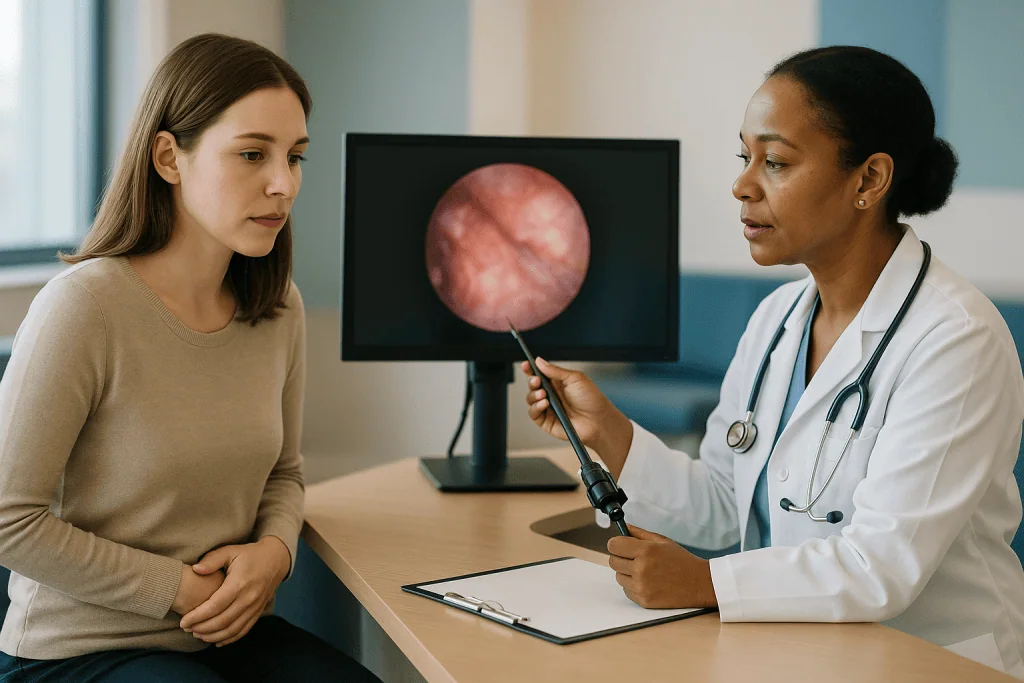
Once inside, the surgeon maps where the disease sits. Endometriosis can look like dark powder-burn spots, clear blisters, red flame-like patches or white scar tissue. It can sit on the lining of the pelvis, the ovaries, the ligaments holding the womb, the surface of the bowel or bladder, and occasionally far from the pelvis. The surgeon also looks for adhesions, which are bands of scar tissue that glue organs together and are a frequent source of pain.
Two broad methods remove the lesions. Excision cuts the abnormal tissue out, including its root beneath the surface. Ablation destroys it in place using heat, laser or electrical energy. For an endometrioma, the cyst wall is usually peeled away from the ovary rather than simply drained, because drainage alone tends to be followed by refilling. Where deep disease involves the bowel or bladder, a colorectal or urology surgeon may join the team to shave or remove the affected segment.
For most people the operation is a day case or a single overnight stay, according to NHS guidance on laparoscopy. You wake with a sore abdomen, a bloated feeling and often an ache in the shoulders, which is referred pain from the gas irritating the diaphragm rather than a sign of anything wrong.
Surgery can also be diagnostic. Seeing and sampling the tissue remains the only way to confirm endometriosis with certainty, although as later sections explain, imaging has narrowed that gap considerably.
Signs you need endometriosis surgery for pain: what "treatment failure" really means
Pain is the most common reason people end up discussing an operation, and it is also the reason most prone to misunderstanding. Guidelines generally describe surgery for pain as appropriate when symptoms are significantly affecting daily life and medical management has either not worked, has stopped working, or cannot be tolerated.
“Medical management” usually means two layers. The first is pain relief, typically anti-inflammatory medicines taken around the period. The second is hormonal treatment that quiets the menstrual cycle so lesions are stimulated less often. This includes combined hormonal contraception, progestogen-only options, hormonal intrauterine devices and, for persistent cases, GnRH analogues, which temporarily switch off the ovaries’ hormone production. Mayo Clinic explains that these treatments manage symptoms rather than remove disease, and that pain often returns once they stop. Which option fits, and for how long, is a decision for the prescribing clinician.
So what counts as failure? Clinicians look for a pattern rather than a single bad month: pain that still forces time off work or school, pain during sex or bowel movements that continues through the cycle, or a steady escalation in the pain relief needed to get through the day. Side effects that make hormonal treatment unbearable count too. Someone who cannot tolerate any suitable hormonal option has, in effect, exhausted that layer.
Time matters here, and so does honesty. Hormonal treatments often need around 3 months before their full effect is clear, so an operation booked after a few weeks of a new tablet may be premature. Conversely, years of cycling through options with no relief is not patience; it is delay. Both the NHS and WHO note that long diagnostic and treatment delays are common in endometriosis, and part of the surgeon’s job is to recognize when the medical road has genuinely run out.
Pain severity alone, without that context, is not the whole story. Pain plus failed treatment plus a finding on imaging is a much stronger case.
Endometriosis surgery and fertility: when an operation helps conception
Does endometriosis mean infertility? No. Mayo Clinic estimates that roughly one-third to one-half of women with endometriosis have difficulty getting pregnant, which means that half or more conceive without specific help. The condition raises the odds of trouble; it does not seal the outcome.
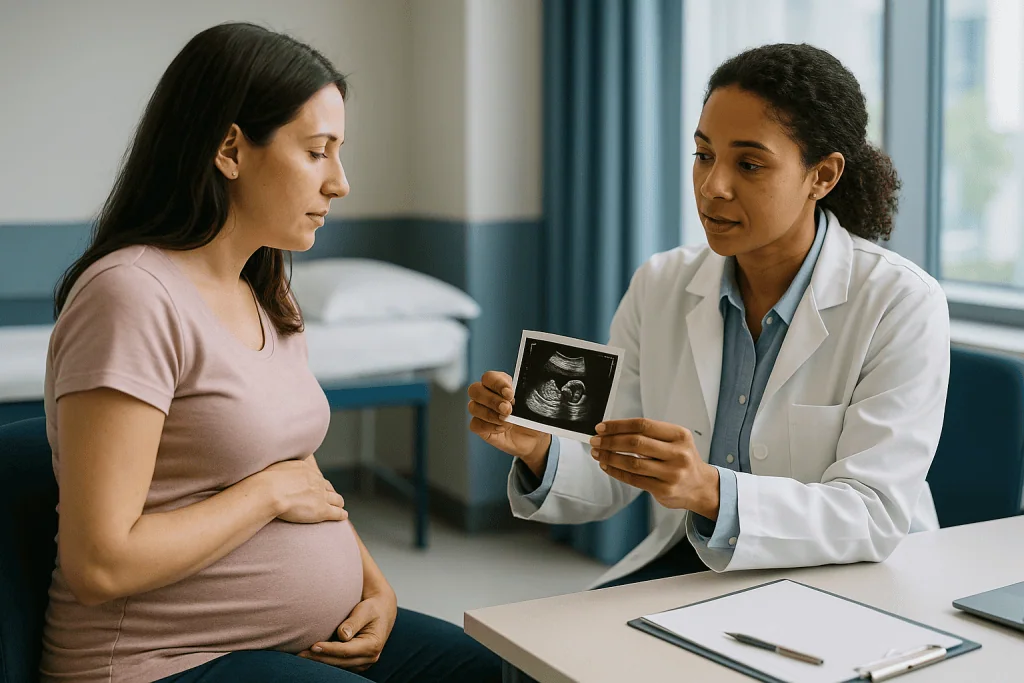
The mechanisms are several. Adhesions can kink or block the fallopian tubes. Endometriomas can crowd out healthy ovarian tissue. Inflammation in the pelvis appears to affect egg quality, sperm function and the early embryo’s ability to implant. Deep disease can make intercourse painful enough that timing conception becomes difficult in its own right.
Where does surgery fit? For people with mild to moderate disease who are trying naturally, removing visible lesions and freeing adhesions may improve the chance of conception in the months that follow. Mayo Clinic lists restoring fertility as one recognized goal of laparoscopic surgery. For those about to start IVF, the picture is more nuanced. Operating on an endometrioma can reduce the ovary’s reserve of eggs, so fertility specialists often weigh whether a cyst needs removal before stimulation or whether it is safer to leave it alone and proceed.
Age and ovarian reserve shape that decision heavily. A person in their late thirties with a modest endometrioma and a low egg count may be advised to go straight to fertility treatment, because the operation could cost eggs they cannot spare. Someone in their twenties with blocked tubes and severe pain may be advised to operate first. Neither answer is universally right.
One practical point: surgery is rarely repeated purely for fertility. If a first operation has not been followed by pregnancy within a reasonable window, guidelines tend to favor assisted reproduction over a second operation. Fertility conversations therefore belong at the planning stage, before the first incision, not after.
Which imaging findings change the conversation
A good pelvic ultrasound, ideally transvaginal and performed by someone experienced in endometriosis, has become the most important single test in deciding who needs endometriosis surgery. MRI adds detail when deep disease is suspected. Neither can see everything, and knowing their blind spots is as useful as knowing their strengths.
Findings that tend to move surgery up the list:
- An ovarian endometrioma, particularly one that is enlarging, painful, or sitting where it would obstruct egg retrieval.
- Deep infiltrating nodules in the ligaments behind the womb or the space between the womb and rectum.
- Thickening or nodules in the bowel wall, especially with cyclical bowel symptoms or bleeding.
- Bladder wall lesions with cyclical urinary pain or blood in the urine.
- Dilatation of a ureter or kidney on scan, which signals that a lesion may be narrowing the tube that drains the kidney. This finding is treated as urgent because kidney function is at stake.
- A “frozen pelvis,” where the ovaries, womb and bowel appear fixed together by adhesions.
Findings that usually do not, by themselves, call for surgery: a small, stable endometrioma in someone with controlled symptoms and no fertility timeline, or a normal scan in someone whose pain is mild and responding to treatment.
The blind spot is important. Superficial endometriosis, the flat lesions scattered across the pelvic lining, is frequently invisible on both ultrasound and MRI. The NHS is explicit that scans cannot rule the condition out. A normal scan with severe, treatment-resistant pain can therefore still lead to a diagnostic laparoscopy, because the camera sees what the probe cannot.
Imaging also guides the team’s composition. A bowel nodule on MRI means a colorectal surgeon should be in the room; a ureteric finding means urology should be. Surprises discovered mid-operation are far harder to manage than findings planned for in advance, which is one reason a careful scan before any decision is worth insisting on.
Does the stage matter? What stage 4 endometriosis looks like
Endometriosis is commonly graded on a four-stage scale developed by the American Society for Reproductive Medicine. Cleveland Clinic summarizes it as stage I (minimal), stage II (mild), stage III (moderate) and stage IV (severe), with points awarded for the number, depth and location of lesions and for the extent of adhesions. The staging can only be completed at surgery, because it depends on seeing the whole pelvis.
Stage 4 endometriosis typically features several of the following: deep implants rather than surface spots, large endometriomas on one or both ovaries, dense adhesions binding the ovaries to the pelvic wall or the bowel to the back of the womb, and involvement of structures beyond the reproductive organs. In its most extensive form the pelvis is “frozen,” with organs fixed in place by scar tissue.
Here is the counterintuitive part, and the reason stage should never be read as a pain score. The stage describes anatomy, not suffering. Someone with stage I disease can have debilitating pain; someone with stage IV can be nearly symptom-free and discover the extent of their disease only during fertility investigations. Cleveland Clinic and Johns Hopkins both make this point. Stage correlates reasonably well with fertility difficulty, since adhesions and endometriomas physically interfere with conception, but it correlates poorly with pain.
Does a high stage mean surgery is automatic? Not quite. It means the case for surgery is stronger when there are symptoms or fertility goals to address, and it means the operation will be more complex and should be done by a team equipped for bowel, bladder and ureteric work. A stage IV finding in someone who is comfortable and not planning pregnancy might still be monitored rather than operated on, with the ureters and kidneys checked periodically.
Stage, in other words, tells the surgeon how hard the job will be. Pain, fertility plans and the specific organs involved tell everyone whether the job needs doing.
Who is usually asked to wait, and why waiting is not neglect
Being told to hold off on surgery can feel like being told the pain is not real. It is worth hearing the clinical reasoning, because “wait” usually means “the balance of harm is not in surgery’s favor right now,” not “we do not believe you.”
People commonly asked to wait include:
- Those who have not yet had a proper trial of hormonal treatment, since the NHS and Mayo Clinic both describe medical management as the usual first step and operations as the step after.
- Those whose symptoms are controlled, whatever the scan shows. Removing asymptomatic lesions does not reliably prevent future problems, and every operation adds a little scar tissue of its own.
- Teenagers with suspected disease, where guidelines generally prefer medical management first because recurrence after early surgery is common and repeated operations carry cumulative risk.
- Those approaching menopause with manageable symptoms, since lesions typically quiet as estrogen falls.
- Those with low ovarian reserve and an endometrioma who are about to pursue fertility treatment, where operating could reduce egg numbers further.
- Those who have had several previous operations with short-lived relief, where the problem may be centrally sensitized pain rather than active lesions, and where pain-management approaches may help more than another excision.
Waiting is active, not passive. A sensible waiting plan includes a defined review date, a clear threshold for what would prompt surgery, and repeat imaging if an endometrioma or deep lesion is being monitored. Anyone with a ureteric finding should not be in a waiting group at all; that needs prompt specialist input.
Where waiting becomes neglect is when it has no end point. If you have been told to wait, ask what you are waiting for and when the decision will be revisited. A good team will have an answer.
Excision, ablation or hysterectomy: how the options compare
The word “surgery” covers very different operations, and part of knowing who needs endometriosis surgery is knowing which one is being proposed. The table below summarizes the main approaches in neutral terms. It is a starting point for discussion, not a recommendation.
| Approach | What is done | Usually considered when | Points to weigh |
|---|---|---|---|
| Excision (laparoscopic) | Lesions and their roots are cut out; adhesions divided; endometrioma cyst wall removed | Pain unresponsive to medical treatment; deep disease; fertility goals | Allows tissue diagnosis; more complete for deep lesions; requires surgical skill; longer operating time |
| Ablation (laparoscopic) | Surface lesions destroyed with heat, laser or electrical energy | Superficial disease found at diagnostic laparoscopy | Quicker; may not reach the base of deeper lesions; no tissue sample from treated spots |
| Bowel, bladder or ureteric surgery | Shaving, disc excision or segment removal of affected organ, often with a second specialty | Imaging or symptoms show organ involvement; ureteric obstruction | Higher complexity; additional specific risks; usually planned in advance from imaging |
| Hysterectomy, with or without ovary removal | Womb removed; ovaries sometimes removed as well | Severe symptoms, family complete, other options exhausted | Ends fertility; removing ovaries induces menopause; disease left outside the womb can still cause pain |
A few points the table cannot capture. Excision is generally preferred over ablation for deep lesions and endometriomas, because ablation treats the surface and may leave disease beneath. For scattered superficial spots the two approaches are often used side by side in the same operation.
Hysterectomy deserves its own caution. The NHS is clear that removing the womb does not guarantee relief, because endometriosis by definition lives outside it. Whether the ovaries are removed, and whether hormone replacement follows, are separate decisions with long-term consequences for bone and heart health that should be worked through with the treating team.
Is it worth having surgery for endometriosis? Weighing the realistic benefits
“Is it worth it” has a different answer for every person, but the components of the answer are the same. On the benefit side sit pain relief, improved fertility odds, protection of organs such as the kidney, and the clarity of a confirmed diagnosis. On the cost side sit operative risk, recovery time, the possibility of recurrence and, for ovarian surgery, a potential effect on egg reserve.
What does the evidence say about pain? Reviews summarized by the NHS and Mayo Clinic indicate that surgery to remove endometriosis reduces pain for many people, that relief is not universal, and that symptoms can return over time. Mayo Clinic describes the condition as chronic and notes that repeat surgery is sometimes needed. No reputable source offers a single percentage that applies to everyone, and anyone quoting one should be asked where it comes from. Recurrence is more likely when disease is extensive, when hormonal suppression is not used afterward, and when lesions are incompletely removed.
What about fertility? The benefit appears clearest in mild to moderate disease where adhesions are divided and tubes freed, and least clear for endometrioma removal before IVF, where the trade-off with ovarian reserve dominates.
Honest framing matters. Surgery is often worth it when pain is wrecking daily life after a fair medical trial, when a fertility window is narrowing and anatomy is the obstacle, or when an organ is threatened. It is often not worth it when symptoms are controlled, when the main problem is widespread pain sensitization rather than active lesions, or when a previous operation brought only brief relief.
The most useful question to ask a surgeon is not “will this work” but “what specifically are you aiming to remove, what do you expect it to change, and what would you do if it does not.” An answer that is concrete about anatomy and cautious about outcomes is a good sign.
Risks and alternatives in plain language
Every operation carries risk, and laparoscopic endometriosis surgery ranges from low-risk to genuinely complex depending on what is found. The NHS lists the general risks of laparoscopy as infection, bleeding, bruising around the cuts, and a small chance of injury to nearby organs such as the bowel, bladder or blood vessels. Blood clots in the leg or lung are a recognized risk of any surgery under general anesthesia, which is why early walking and, where indicated, clot-preventing measures are standard.
Risks specific to endometriosis surgery include:
- Reduced ovarian reserve after endometrioma removal, because some healthy ovarian tissue inevitably comes away with the cyst wall.
- New adhesions forming as the body heals, which can themselves cause pain or affect fertility.
- Bowel or bladder injury when deep lesions are removed, occasionally requiring a temporary stoma in extensive bowel surgery; this should be discussed beforehand whenever bowel involvement is suspected.
- Incomplete removal, particularly of deep disease or lesions in difficult locations.
- Recurrence of lesions or symptoms over subsequent years.
- Conversion to open surgery through a larger incision if keyhole access proves unsafe.
The alternatives are not merely “do nothing.” Hormonal treatment can control symptoms for years and is often continued after surgery to reduce recurrence. Pain-management clinics can address the nervous system changes that long-standing pelvic pain produces. Pelvic floor physical therapy helps when muscle tension has become part of the pain cycle. For fertility, assisted reproduction may bypass the problem rather than fixing it. For those near menopause, time itself is an alternative, as lesion activity generally subsides when estrogen declines.
A thorough consent discussion covers the specific risks for your anatomy, the surgeon’s plan if unexpected disease is found, and what the realistic alternatives are. Signing a form is not consent; understanding those points is.
Endometriosis surgery recovery time: what the days and weeks after usually look like
Recovery depends more on what was done inside than on the size of the cuts. NHS guidance on laparoscopy gives a useful anchor: after a diagnostic or minor procedure, most people can return to normal activities within about 5 days, while more extensive operations take longer, often 2–3 weeks or more before feeling back to normal. Bowel or bladder surgery extends that further, and your team will give a plan specific to you.
The first 48 hours are usually about soreness at the incisions, bloating from the gas, and that odd shoulder-tip ache as the remaining gas is absorbed. Walking to the bathroom and around the house helps the gas disperse and reduces clot risk. Pain relief is prescribed by the hospital team and should be taken as directed rather than toughed out; good early pain control makes moving easier, and moving speeds everything else.
Days 3 to 7 typically bring steady improvement. Fatigue is common and often underestimated; general anesthesia and the body’s healing response are tiring in a way that does not show on the outside. Light bleeding or spotting from the vagina is normal if the womb was manipulated during surgery. Bowel habits can take several days to settle, especially after anything was done near the rectum.
Weeks 2 to 6 are when most people return to work, driving once they can brake sharply without pain, and gradually to exercise. Heavy lifting and vigorous workouts usually wait until the team gives the go-ahead. Sexual activity generally resumes when it feels comfortable and any vaginal work has healed, which the team will specify.
One expectation to set early: pain relief from the surgery itself may not be immediate. Surgical soreness and residual inflammation can mask the benefit for several weeks, and some people only appreciate the change after their first or second period. A follow-up appointment, often around 6–8 weeks, is where the result and any ongoing hormonal plan are reviewed.
What people often get wrong about endometriosis surgery
Myths cluster around this operation, partly because the condition has been poorly explained for so long. Here are the ones that cause the most harm.
“Surgery removes it for good.” The NHS states plainly that endometriosis can come back after surgery. Lesions can regrow, new ones can form, and pain can return even when the pelvis looks clear. Surgery is best thought of as a treatment within a long-term plan, not a one-time fix.
“A hysterectomy is the definitive answer.” Removing the womb removes the womb. Endometriosis lives outside it, so disease on the bowel, bladder or pelvic wall can still cause symptoms afterward. Hysterectomy helps most when adenomyosis (endometrial tissue within the muscle of the womb itself) or heavy bleeding are part of the picture, and when other options have been exhausted.
“Pregnancy will fix it.” Symptoms often ease during pregnancy because ovulation stops, but they commonly return afterward. Pregnancy is not a treatment and should never be recommended as one.
“If the scan is normal, you do not have it.” Superficial disease is frequently invisible on imaging. A normal ultrasound lowers the chance of an endometrioma or deep nodule; it says little about surface lesions.
“Stage 4 means the worst pain.” Stage describes extent, not symptoms. Minimal disease can hurt terribly; extensive disease can be silent.
“More surgeries mean better control.” Each operation adds scar tissue and risk. When relief from previous surgery was brief, the problem may be pain sensitization, and another excision may not be the right tool.
“Hormonal treatment is just a way of fobbing people off.” Hormonal suppression is a legitimate, guideline-backed treatment that controls symptoms for many people and reduces recurrence after surgery. It is not a substitute for being heard, but it is not a brush-off either.
Can you live a full life with endometriosis, with or without surgery?
Yes, and that answer is not a platitude; it is what the evidence and the lived experience of millions of people show. Endometriosis is a chronic condition, in the same category as asthma or migraine, that can be managed over decades. The World Health Organization describes it as a long-term condition requiring lifelong management rather than a problem that is solved once.
What a full life looks like varies. For some it means a hormonal treatment that keeps periods light and pain low, reviewed yearly. For others it means one well-planned operation followed by years of stability. For others still it means a combination of medical treatment, pelvic floor physical therapy, a pain-management plan, dietary adjustments that ease bowel symptoms, and workplace arrangements for the harder days. None of these paths is lesser than another.
Fertility deserves a direct word. Most people with endometriosis who want children have them, some without any intervention, some with surgery, some with assisted reproduction. Mayo Clinic’s figure that one-third to one-half experience difficulty is a reminder that the majority either do not, or overcome it. Early conversations with a fertility specialist, before any operation, keep the most options open.
Mental health is part of the picture. Chronic pain, delayed diagnosis and the uncertainty of fertility take a toll, and depression and anxiety are more common in people with endometriosis than in the general population. Asking for psychological support is not a sign that the pain is “in your head”; it is recognition that pain and mood share wiring.
Menopause, whether natural or medically induced, usually quiets the disease, although deep lesions and scar tissue can continue to cause symptoms in some people. Surgery is one chapter in a longer story. The story itself is yours, and for most people it is a full one.
Questions to ask your care team before deciding
A surgical consultation goes better when you arrive with questions rather than hoping the right information will be volunteered. These are the ones that tend to matter most in deciding who needs endometriosis surgery and who does not.
- Based on my symptoms and imaging, what specifically do you expect to find and remove?
- Have I had a fair trial of medical treatment, and if not, which option would you suggest first and for how long?
- Do my scans show an endometrioma, deep disease, or any involvement of the bowel, bladder or ureters? If so, who else will be in the operating room?
- Would you excise or ablate the lesions, and why that choice for my case?
- How might this operation affect my ovarian reserve, and should I see a fertility specialist first?
- If I am planning IVF, is it safer to operate first or to proceed to treatment and leave the cyst?
- What is your plan if you find more extensive disease than expected?
- What are the realistic chances of pain relief for someone with my picture, and what does the evidence actually show rather than the best case?
- How likely is recurrence, and what would you recommend afterward to reduce it?
- What would recovery look like for the operation you are proposing, and when would I return to work and exercise?
- What happens if we wait? Is there a review date and a clear threshold that would prompt surgery later?
- Are there non-surgical approaches, such as pain management or pelvic physical therapy, that should run alongside whatever we decide?
Write the answers down or bring someone who will. Consultations move quickly, and the details that seem clear in the room blur by the time you reach the car park. If any answer is vague, especially on what will be removed and why, it is reasonable to ask for a second opinion before proceeding.
When to call your doctor
Most endometriosis symptoms are chronic and can be discussed at a planned appointment. Some situations should not wait, whether or not you have had surgery.
Seek urgent care if you experience sudden, severe pelvic or abdominal pain that is different from your usual pattern, particularly with nausea, vomiting, fainting or a rigid abdomen. This can signal a ruptured or twisted endometrioma, an ectopic pregnancy, or another emergency unrelated to endometriosis. Call emergency services if you have chest pain, breathlessness, or a swollen, painful calf, which can indicate a blood clot.
After surgery, contact the team the same day for a fever, increasing rather than improving pain, redness or discharge from the incisions, heavy vaginal bleeding soaking a pad an hour, persistent vomiting, inability to pass urine, or no bowel movement with a swollen, painful belly. Shoulder-tip pain that fades over a few days is expected; shoulder pain that worsens, or pain accompanied by fever, is not.
Arrange a prompt but non-emergency review if you notice blood in the urine or stool that follows your cycle, pain in the flank or lower back on one side that recurs with periods, a sudden change in the pattern or intensity of your pain, or if hormonal treatment that used to control symptoms has stopped doing so. Difficulty conceiving after 12 months of trying, or 6 months if you are over 35, is also a reason to book an appointment.
Finally, talk to someone if the pain is affecting your mood to the point of hopelessness. That is a medical matter too, and it deserves the same seriousness as any physical symptom. Whatever the situation, the decisions about investigation and treatment sit with your treating team, who know your history and your scans.
Frequently asked questions
Who needs endometriosis surgery and who can safely wait?
Surgery is usually considered for people with pain that has not responded to hormonal and anti-inflammatory treatment, those with fertility difficulties linked to the disease, and those whose scans show an endometrioma or deep lesions affecting the bowel, bladder or ureters. People with controlled symptoms, those who have not yet tried medical treatment, and teenagers are often asked to wait with a clear review plan. The treating team makes the final call.
Is it worth having surgery for endometriosis?
It often is when pain is wrecking daily life after a fair medical trial, when anatomy is blocking a narrowing fertility window, or when an organ such as a kidney is threatened. It often is not when symptoms are controlled, when previous operations gave only brief relief, or when the main problem is pain sensitization. Surgery can reduce pain for many people but relief is not universal and recurrence is possible.
Does endometriosis mean I am infertile?
No. Mayo Clinic estimates that one-third to one-half of women with endometriosis have difficulty getting pregnant, so most either conceive without help or overcome the difficulty with treatment. Adhesions, endometriomas and pelvic inflammation can lower the odds, and surgery or assisted reproduction can address them. Early discussion with a fertility specialist, before any operation, keeps the widest range of options open.
What are the characteristics of stage 4 endometriosis?
Stage 4, the severe grade on the four-stage scale, typically involves deep implants, large endometriomas on one or both ovaries, dense adhesions fixing organs together, and disease on structures beyond the reproductive organs such as the bowel. The stage reflects the extent of disease seen at surgery, not pain severity. It correlates with fertility difficulty but a person with stage 4 can have few symptoms.
Can you live a full life with endometriosis?
Yes. Endometriosis is a chronic condition that can be managed over decades with hormonal treatment, surgery when indicated, pain management, physical therapy and support for mental health. Most people who want children have them, with or without assistance. Symptoms usually ease after menopause. Surgery is one chapter of long-term management rather than the whole story.
What is the typical endometriosis surgery recovery time?
It depends on what was done. The NHS notes that most people return to normal activities within about 5 days after a diagnostic or minor laparoscopy, while more extensive operations take roughly 2–3 weeks or longer, and bowel or bladder surgery longer still. Fatigue, bloating and shoulder-tip pain are common early on. Pain relief from the surgery itself may only become clear after a few weeks or the first period.
How does laparoscopy for endometriosis work?
A camera and slender instruments pass through small abdominal cuts under general anesthesia, with gas inflating the abdomen to create space. The surgeon maps the lesions and adhesions, then either excises them, meaning cuts them out at the root, or ablates them with heat or energy. Endometrioma cyst walls are usually removed rather than drained. Most people go home the same day or after one night.
Can a normal ultrasound rule out the need for surgery?
No. Ultrasound and MRI are good at detecting endometriomas and deep nodules but frequently miss superficial lesions on the pelvic lining. The NHS states that scans cannot rule endometriosis out. Someone with severe, treatment-resistant pain and a normal scan may still be offered a diagnostic laparoscopy, while a normal scan in someone with controlled symptoms supports continuing medical treatment.
Will a hysterectomy end endometriosis pain for good?
Not necessarily. Endometriosis by definition grows outside the womb, so removing the womb does not remove disease on the bowel, bladder or pelvic wall, and the NHS is clear that symptoms can persist. Hysterectomy is generally reserved for severe symptoms when the family is complete and other options are exhausted. Whether the ovaries are also removed has long-term health implications that need separate discussion.
What are the signs you need endometriosis surgery urgently rather than after a planned review?
Imaging that shows a dilated ureter or kidney, which suggests a lesion is obstructing urine drainage, is treated as urgent because kidney function is at risk. Sudden severe pelvic pain with vomiting or fainting may indicate a ruptured or twisted cyst and needs emergency assessment. Most other decisions about surgery can be made at a planned appointment with the treating team.
References
- World Health Organization: Endometriosis fact sheet
- NHS: Endometriosis, treatment
- NHS: Laparoscopy (keyhole surgery)
- Cleveland Clinic: Endometriosis
This article is for general information only and is not a substitute for professional medical advice. Please consult a qualified doctor about your individual situation.

More from the Blog

Endometriosis After Surgery: Why Lesions Can Return and How Repeat Treatment Is Planned
Endometriosis can return after surgery because the operation removes visible lesions but not the hormonal environment that drives them. Pooled studies report symptoms or…
When to Start Mammograms and How Often to Have Them
Most women at average risk can begin screening mammograms at age 40 and repeat them every one to two years, depending on the guideline…

After Robotic Hysterectomy: Redness, Discharge or Fever and When to Contact Your Surgeon
After a robotic hysterectomy, mild pinkness at the small incisions, light brown or pink vaginal discharge for up to six weeks, and low-grade warmth…

What to Expect From PCOS Treatment: How Cycles, Skin and Weight Respond Over Months
PCOS treatment results arrive on different clocks. Hormonal treatments usually make bleeding predictable within one to three cycles, while skin and unwanted hair often…
Vaginal Infections During Pregnancy: Why Treatment Is Chosen Carefully and Follow-Up Matters
A vaginal infection during pregnancy is common and usually manageable, but clinicians choose treatment carefully because some medicines are preferred over others while a…

After Fibroid Surgery: Heavy Bleeding, Fever or Rising Pain and When to Call Your Team
After fibroid surgery, call your surgical team the same day if you soak through a sanitary pad every hour for two hours or more,…