

Celebrity Health Health News
Adele’s Weight Loss: What Healthy Weight Loss Can Involve
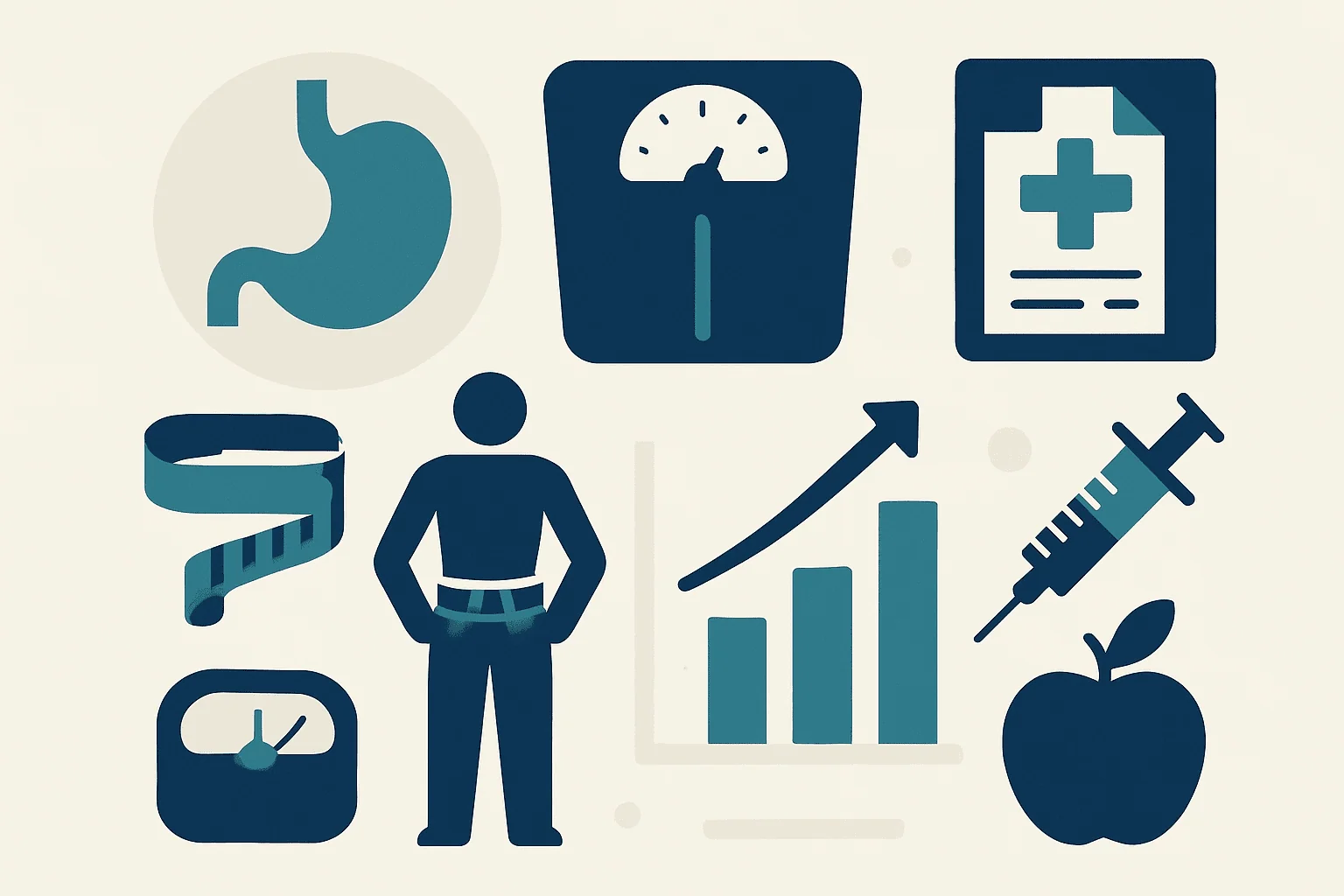
- Healthy weight loss is usually gradual and linked to better overall health.
- Obesity is a complex chronic disease, not simply a willpower issue.
- Treatment may include lifestyle care, medication, devices, or surgery.
- Even modest weight loss can improve blood sugar, sleep, and joint pain.
- Long-term maintenance often requires ongoing follow-up and support.
Recent headlines highlighting celebrity weight loss stories, including reports about Adele, often spark curiosity about how weight loss happens and what “healthy” progress really looks like. But beyond before-and-after conversations, the more useful question is medical: what does safe, sustainable weight loss involve, and when should it be treated as a health issue rather than a cosmetic goal?
Weight loss can happen through nutrition changes, physical activity, sleep improvement, behavioral support, medications, or bariatric procedures. For some people, it is a gradual lifestyle journey. For others, especially those living with obesity or weight-related conditions such as type 2 diabetes, sleep apnea, joint pain, or fatty liver disease, it may be part of a broader medical treatment plan. Understanding the difference matters.
What weight loss means in medical terms
Weight loss simply means a reduction in body weight, but in healthcare it is important to distinguish between intentional and unintentional weight loss. Intentional weight loss usually reflects efforts to improve health, function, or quality of life. Unintentional weight loss can sometimes signal an underlying illness and should be evaluated.
When clinicians assess excess weight, they do not focus only on the number on the scale. They also consider body mass index, waist size, body composition, medical history, metabolic health, mobility, eating patterns, medications, sleep, mental health, and family history. Two people with the same weight can have very different health risks and treatment needs.
Obesity is a chronic, complex disease influenced by biology, environment, genetics, hormones, stress, sleep, medications, and social factors. That is one reason long-term weight management can be difficult. It is not simply a matter of willpower. The body often defends its previous weight by increasing hunger signals and lowering energy expenditure after weight loss, which can make regain common without ongoing support.
Healthy weight loss is usually gradual and tied to broader goals such as:
- better blood sugar control
- lower blood pressure or cholesterol
- reduced strain on joints
- improved sleep and energy
- better fertility or hormone balance
- lower risk of future complications
When weight becomes a health concern
Many people seek help because their weight is affecting daily life long before serious disease appears. Shortness of breath with activity, worsening knee or back pain, loud snoring, fatigue, reflux, or difficulty keeping blood sugar in range can all be clues that excess weight is influencing health.
Doctors may recommend evaluation when weight is linked with conditions such as:
- Type 2 diabetes
- High blood pressure
- Abnormal cholesterol
- Obstructive sleep apnea
- Fatty liver disease
- Polycystic ovary syndrome
- Osteoarthritis or chronic joint pain
- Heart disease risk factors
Weight loss itself can also occasionally be a symptom rather than a goal. If a person is losing weight without trying, especially with poor appetite, fever, digestive symptoms, or weakness, clinicians usually look for causes such as thyroid disease, infection, gastrointestinal conditions, depression, medication side effects, or cancer. That is why context matters: not all weight loss is automatically healthy.
Another important point is that health is not judged by appearance alone. Dramatic transformations in the public eye can create pressure or unrealistic expectations. In clinical care, the aim is not to match a trend or a celebrity narrative. It is to improve measurable health outcomes in a way that is safe and maintainable.
How doctors evaluate weight loss and obesity
A proper evaluation goes well beyond the scale. Clinicians usually begin with a detailed conversation about weight history: when changes began, previous attempts at weight loss, eating patterns, physical activity, sleep habits, stress, medications, and any symptoms suggesting hormonal or metabolic problems.
The physical assessment may include weight, height, waist circumference, blood pressure, and examination for obesity-related complications. Lab testing can help identify conditions that may contribute to weight gain or affect treatment planning.
Common parts of the evaluation include:
- blood glucose or A1C to check for diabetes or prediabetes
- cholesterol and triglyceride levels
- liver function tests for fatty liver disease
- thyroid testing when indicated
- kidney function and other routine blood work
- sleep apnea screening if symptoms are present
Some people also benefit from assessment for emotional eating, binge eating disorder, depression, anxiety, trauma history, or chronic stress. These are not side issues; they can strongly affect appetite, sleep, motivation, and the ability to maintain long-term changes.
After evaluation, treatment goals are usually individualized. For one person, reducing blood sugar may be the priority. For another, the main goal may be to improve mobility, prepare for pregnancy, or lower cardiovascular risk. Even modest weight loss can produce meaningful health benefits, especially when it reduces visceral fat and improves metabolic markers.
Major treatment options for healthy weight loss
There is no single best method for everyone. Effective treatment depends on overall health, weight-related complications, previous attempts, preferences, and whether obesity is being treated as a chronic disease. In many cases, the best results come from combining approaches rather than relying on one tool alone.
Lifestyle and nutrition support
Structured lifestyle treatment remains the foundation of care. This usually includes a nutrition plan that creates a sustainable calorie deficit while preserving nutritional quality, protein intake, and satiety. It may involve portion awareness, meal structure, reducing ultra-processed foods, improving fiber intake, and identifying patterns such as late-night eating or stress-driven snacking.
Physical activity supports weight loss but is also valuable even when the scale moves slowly. It helps preserve muscle mass, improves insulin sensitivity, supports mood, and reduces cardiovascular risk. Resistance training and aerobic exercise are often paired, with plans adjusted for injuries, pain, or fitness level.
Behavioral strategies are a major part of success. These may include:
- self-monitoring of meals or activity
- sleep improvement
- stress management
- goal setting and regular follow-up
- problem-solving around setbacks
- support from dietitians, psychologists, or group programs
Prescription medications
For some adults, weight-loss medications can be considered when lifestyle measures alone are not enough or when obesity-related health conditions are present. These medicines work in different ways, such as reducing appetite, increasing fullness, or affecting metabolism and blood sugar pathways.
Medication is not a shortcut or a substitute for healthy habits. It is better understood as one treatment tool within long-term obesity care. People usually need medical follow-up to monitor benefits, side effects, and whether the treatment still fits their goals.
Endoscopic and device-based options
Some patients may be candidates for less invasive interventions such as a gastric balloon, which temporarily takes up space in the stomach to promote fullness. These options can help selected patients, especially when paired with nutrition and behavioral care, though they are not suitable for everyone and results vary.
Bariatric and metabolic surgery
For people with severe obesity or obesity complicated by conditions like type 2 diabetes, bariatric and metabolic surgery may offer the most effective and durable weight loss. These procedures are not cosmetic operations. They are evidence-based treatments that change the digestive system in ways that affect appetite hormones, fullness, and metabolism.
Common procedures include sleeve gastrectomy and gastric bypass. In general terms, a sleeve gastrectomy reduces stomach size, while gastric bypass both reduces stomach capacity and alters the path of food through the digestive tract. The best option depends on medical history, reflux symptoms, diabetes control, previous surgeries, and nutritional considerations.
Surgery can lead to major improvements in diabetes, blood pressure, sleep apnea, and quality of life, but it also requires careful screening, lifelong follow-up, and commitment to nutrition, supplements, and monitoring.
What recovery and long-term maintenance look like
One of the biggest misconceptions about weight loss is that reaching a target number means the process is over. In reality, maintenance is often the hardest phase. The body adapts to weight loss, and hunger signals may become stronger over time. That is why ongoing follow-up is so important.
After lifestyle-based weight loss, patients often need continued coaching, regular activity, meal planning, and relapse prevention strategies. Small regains are common and do not mean failure. They are usually treated as a signal to reassess routines, stress, sleep, medications, or support systems.
After bariatric surgery, recovery includes staged eating progression, hydration focus, physical activity as tolerated, and regular review of vitamin and mineral status. Patients are usually monitored long term for nutritional deficiencies, gastrointestinal symptoms, and weight trends. Emotional adjustment also matters, because rapid body changes can affect identity, relationships, and mental well-being.
Long-term success is often measured by more than body weight. Helpful markers include:
- improved blood sugar, cholesterol, or blood pressure
- reduced medication burden
- better sleep quality
- less joint pain
- greater stamina and mobility
- improved confidence and daily functioning
These gains can be substantial even if a person does not reach an “ideal” weight.
Outlook and when specialist care may help
The outlook for weight loss is highly individual, but the overall message is encouraging: meaningful health improvement is possible through several pathways, and treatment has become more sophisticated than simple diet advice alone. The best plan is one that is realistic, medically appropriate, and built for long-term support.
Specialist care may be helpful when a person has severe obesity, repeated cycles of weight loss and regain, possible hormonal or metabolic contributors, significant emotional eating, or obesity-related diseases such as diabetes or sleep apnea. In those situations, a multidisciplinary team can assess whether nutrition therapy, medication, endoscopic treatment, or bariatric surgery may be appropriate.
Public conversations about celebrity transformations can sometimes make weight loss seem mysterious, dramatic, or purely aesthetic. In medicine, it is better understood as a health issue with many causes and many evidence-based treatments. The most important question is not how quickly weight changes, but whether the approach protects nutrition, supports mental and physical health, and can be sustained over time.
Explore Bariatric & Metabolic Surgery at Acibadem →
Who is Adele?
Adele is an English singer-songwriter known for her powerful vocals and chart-topping albums. She is one of the best-selling music artists in the world and has won multiple major music awards, including Grammys and an Academy Award.
Frequently asked questions
What is considered healthy weight loss?
Healthy weight loss usually means intentional, medically appropriate weight reduction achieved through sustainable changes in eating, activity, sleep, and behavior, sometimes with medications or procedures when indicated.
When is weight loss treated as a medical issue?
Weight loss becomes a medical treatment focus when excess weight contributes to conditions such as type 2 diabetes, high blood pressure, sleep apnea, fatty liver disease, or significant limitations in daily life.
Can someone be healthy without dramatic weight loss?
Yes. Even modest weight loss can improve blood sugar, blood pressure, cholesterol, sleep, and mobility. Health progress is not defined only by large changes on the scale.
What are the main treatment options for obesity?
Major options include structured lifestyle treatment, nutrition counseling, physical activity, behavioral therapy, prescription medications, endoscopic tools such as gastric balloons, and bariatric or metabolic surgery.
Who may be a candidate for bariatric surgery?
Bariatric surgery may be considered for people with severe obesity or obesity-related medical conditions when other approaches have not been enough. Suitability depends on overall health, risks, and specialist evaluation.
Why is keeping weight off so difficult?
After weight loss, the body may increase hunger signals and reduce energy expenditure. That biological response can make regain common, which is why long-term support and follow-up are important.
✔ Reviewed by the Acibadem medical team
This article is general health information inspired by publicly reported news. It is not a statement about any individual’s private medical care, nor medical advice. Always consult a qualified clinician.