

Celebrity Health Health News
Rick Hoffman’s Weight Loss: Healthy Weight Change Explained
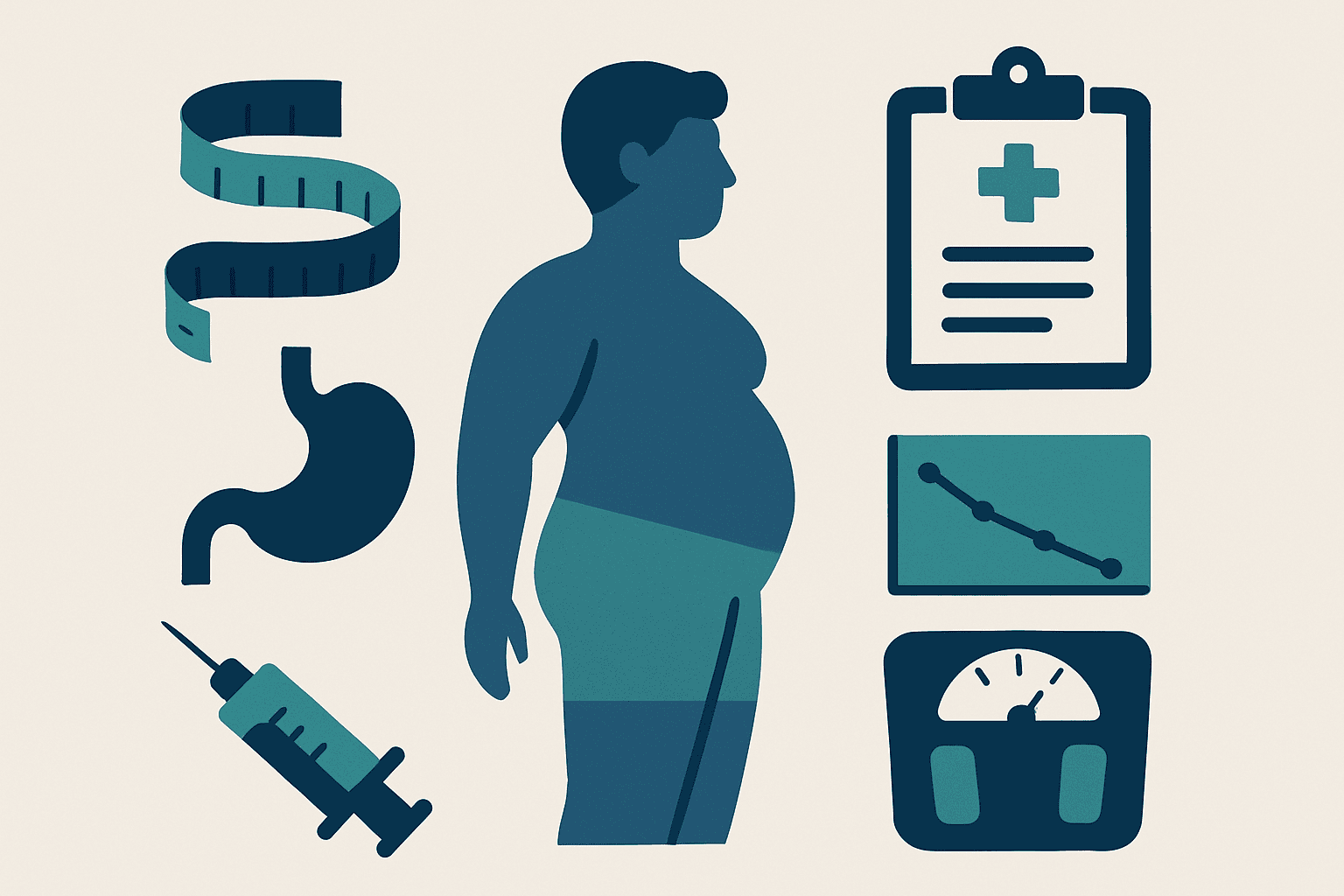
- Weight loss may be intentional, unintentional, healthy, or a sign of illness.
- The scale alone cannot show whether weight lost came from fat, water, or muscle.
- Evaluation may include history, exam, lab tests, and screening for related conditions.
- Treatment ranges from lifestyle support to medication and bariatric surgery.
- Rapid or unexplained weight loss should be medically assessed.
When a familiar face appears in recent headlines because of a visible body change, many people start asking the same questions: What counts as healthy weight loss? When is it intentional, and when could it signal something else? News that recently circulated about Rick Hoffman reportedly discussing an intense approach to dieting has renewed public interest in weight loss, but the more useful conversation is the broader medical one.
Weight loss is not a single event. It can be a goal, a symptom, a side effect, or part of treatment for a health condition. For some people, losing weight gradually can improve blood sugar, blood pressure, sleep, joint pain, and overall mobility. For others, unexpected weight loss may be the body’s way of flagging a medical or mental health issue that deserves attention. Understanding the difference matters.
Below is a practical look at what weight loss means medically, how clinicians evaluate it, and the range of evidence-based options used to support healthier, safer weight change.
What weight loss means in medical terms
Weight loss simply means a reduction in total body weight over time. That sounds straightforward, but medically it can happen for very different reasons. Some weight change reflects a drop in body fat. Some comes from loss of water, muscle, or even bone density. That is why the number on a scale tells only part of the story.
Doctors often distinguish between intentional and unintentional weight loss.
- Intentional weight loss happens when someone changes eating habits, physical activity, sleep, or medical treatment in order to lower weight.
- Unintentional weight loss happens without trying. This can be linked to digestive disorders, hormone problems, infections, medication effects, depression, cancer, or other illnesses.
Weight loss may also be described by pace. Slow, steady change is usually easier for the body to tolerate and often easier to maintain than dramatic swings. Rapid loss can occur with highly restrictive diets, dehydration, acute illness, or after certain medical procedures. In some situations, quick change is expected and supervised. In others, it may raise concern.
Another key point: health is not defined by appearance alone. A person may look thinner but still be undernourished, dehydrated, losing muscle, or struggling with an unsustainable routine. A healthier approach focuses on body composition, metabolic health, strength, energy, and long-term habits rather than image alone.
Common reasons people lose weight
Many factors can drive weight loss, and they are not all related to dieting. That is one reason clinicians take a careful history before making assumptions.
Intentional causes
These are often linked to lifestyle or treatment changes:
- Reduced calorie intake or major diet changes
- Higher physical activity levels
- Structured weight-management programs
- Prescription anti-obesity medications
- Bariatric or metabolic procedures
- Reduced alcohol intake
- Improved sleep and stress management, which can affect appetite and hormones
Unintentional causes
Unexpected weight loss can stem from many conditions, including:
- Endocrine disorders such as overactive thyroid disease or poorly controlled diabetes
- Digestive problems including inflammatory bowel disease, celiac disease, chronic diarrhea, ulcers, or swallowing difficulties
- Infections that raise metabolic demand or reduce appetite
- Cancer, which can alter metabolism and appetite
- Mental health conditions such as depression, anxiety, grief, or eating disorders
- Medication side effects causing nausea, taste changes, low appetite, or digestive upset
- Neurologic or dental issues that make chewing or eating difficult
Age also matters. In older adults, weight loss may reflect muscle loss, reduced appetite, isolation, medication burden, or underlying disease. In younger adults, it may be related to intense training, body image pressures, or a new illness. The same symptom can mean very different things depending on the person’s overall context.
How weight loss is evaluated and diagnosed
When weight change becomes noticeable, a medical evaluation usually starts with basic but important questions. Was the weight loss planned? How much weight was lost, and over what period of time? Have eating habits, exercise, medications, stress, bowel habits, sleep, or mood changed?
A clinician may also ask about appetite, fatigue, pain, fever, night sweats, heart palpitations, thirst, nausea, swallowing, and family history. These details help separate a weight-management story from a possible medical warning sign.
What the assessment may include
- Weight and body mass index trends over time
- Waist circumference, which can reflect abdominal fat and metabolic risk
- Body composition when available, to estimate fat mass versus muscle mass
- Vital signs such as blood pressure and heart rate
- Physical examination for thyroid changes, swelling, signs of dehydration, or nutritional deficiencies
Laboratory testing may be used to look for common contributors. Depending on symptoms and medical history, clinicians might check blood sugar, thyroid function, blood counts, kidney and liver function, markers of inflammation, vitamin levels, or other targeted tests. If digestive symptoms, persistent pain, bleeding, or other concerning features are present, imaging or endoscopic studies may be considered.
For people seeking help with intentional weight reduction, evaluation often goes beyond the scale. Doctors may screen for obesity-related conditions such as type 2 diabetes, high blood pressure, fatty liver disease, sleep apnea, reflux, joint disease, and cardiovascular risk. They may also assess emotional eating, binge eating, stress, and past experiences with dieting, because long-term success depends on more than willpower.
Treatment options: from lifestyle support to medical and surgical care
There is no single best weight-loss treatment for everyone. The right plan depends on current weight, medical conditions, prior attempts, personal goals, and how safe and sustainable an approach is likely to be.
Lifestyle-based treatment
For many people, the foundation is a structured lifestyle plan. This usually includes changes in nutrition, movement, sleep, and behavior. Rather than relying on extreme rules, effective programs tend to focus on patterns that can be maintained.
- Nutrition support may include meal structure, portion awareness, protein and fiber intake, and reducing ultra-processed foods or sugary drinks.
- Physical activity can help preserve muscle mass, support heart health, and improve insulin sensitivity.
- Behavioral strategies may include self-monitoring, identifying triggers, planning meals, and building routines.
- Sleep and stress care matter because poor sleep and chronic stress can affect hunger hormones and food choices.
This approach is especially important because weight lost too quickly without enough protein or resistance exercise can include muscle, not just fat.
Medical treatment
Some people benefit from prescription medication as part of a broader weight-management plan. These medicines may work by reducing appetite, increasing fullness, or affecting how the body regulates blood sugar and energy balance. They are usually considered when excess weight is contributing to health risks or when lifestyle steps alone have not been enough.
Medication is not a shortcut or a stand-alone fix. It works best alongside nutrition, activity, and follow-up care. Clinicians weigh benefits, side effects, and a person’s medical history before recommending it.
Bariatric and metabolic procedures
For people with severe obesity or significant obesity-related conditions, bariatric and metabolic procedures can be the most effective evidence-based treatment. These interventions are designed not only to support weight reduction but also to improve diseases linked to excess weight, especially type 2 diabetes.
Major options include:
- Gastric sleeve, which reduces stomach size and influences hormones involved in hunger and fullness
- Gastric bypass, which changes stomach size and reroutes part of the digestive tract
- Gastric balloon, a temporary device placed in the stomach in selected cases
These treatments are not cosmetic procedures. They are medical interventions with clear indications, benefits, and risks. Careful screening, nutritional counseling, and long-term follow-up are essential.
Treating unintentional weight loss
When weight loss is a symptom rather than a goal, treatment focuses on the cause. That may mean managing thyroid disease, adjusting medications, treating infection, addressing digestive disorders, supporting mental health, or investigating more serious illnesses. Nutritional rehabilitation may be needed if the person has lost muscle or developed deficiencies.
What recovery and maintenance look like
Whether weight loss is intentional or linked to illness, the period after the initial change is important. This is when the body adapts, habits are tested, and hidden problems can become clearer.
For intentional weight loss, maintenance can be harder than losing the weight in the first place. The body often responds to weight reduction by increasing hunger signals and lowering energy expenditure. That biological pushback is one reason relapse is common and should not be seen as a personal failure.
Helpful maintenance strategies may include:
- Regular follow-up with a clinician or structured program
- Monitoring weight trends without becoming obsessive
- Protecting muscle mass through adequate nutrition and strength-building activity
- Reviewing medications and health markers over time
- Addressing emotional eating, burnout, or unrealistic expectations
After bariatric or metabolic treatment, recovery involves more than healing from a procedure. Patients typically need staged nutrition plans, vitamin monitoring, and long-term assessment of hydration, protein intake, and metabolic health. Many also notice improvements in blood sugar, sleep apnea, blood pressure, and mobility as weight comes down.
For unintentional weight loss, recovery often means regaining strength and restoring nutritional balance while the underlying cause is treated. In older adults especially, rebuilding muscle and function can be just as important as regaining pounds.
When weight loss may be a warning sign, and the outlook ahead
Weight loss can be beneficial, neutral, or concerning depending on the setting. It may deserve prompt medical attention if it is unexplained, rapid, or accompanied by other symptoms.
Potential warning signs include:
- Weight loss without trying
- Persistent fatigue or weakness
- Loss of appetite
- Trouble swallowing
- Ongoing diarrhea, vomiting, or abdominal pain
- Fever, night sweats, or new pain
- Palpitations, tremor, or heat intolerance
- Low mood, severe anxiety, or signs of an eating disorder
The outlook varies widely. When excess weight is treated with a realistic, medically grounded plan, many people can improve metabolic health even before dramatic changes appear on the scale. Modest weight reduction may help lower blood pressure, improve blood sugar, reduce liver fat, and ease joint strain. For those with severe obesity, bariatric and metabolic surgery can lead to substantial health gains when paired with follow-up care.
On the other hand, unexplained weight loss can sometimes be the first clue to a medical condition that should not be ignored. That is why context matters more than headlines. A visible change may spark curiosity, but from a health perspective, the key questions are whether the weight loss was intended, whether it is sustainable, and whether the rest of the body is getting healthier along the way.
Explore Bariatric & Metabolic Surgery at Acibadem →
Who is Rick Hoffman?
Rick Hoffman is an American actor best known for playing Louis Litt on the legal drama Suits. He has also appeared in film and television roles across comedy and drama projects.
Frequently asked questions
What is considered unexplained weight loss?
Unexplained weight loss means losing weight without trying through diet, exercise, or a planned treatment. It can be a clue to an underlying medical or mental health condition.
Is fast weight loss always unhealthy?
Not always, but rapid weight loss deserves context. It may occur with acute illness, very restrictive diets, dehydration, or supervised medical treatment, and it can sometimes involve muscle loss rather than fat loss.
How do doctors evaluate weight loss?
They usually review weight trends, appetite, symptoms, medications, activity, stress, and medical history, then may perform an exam and order targeted tests such as blood work or imaging when needed.
What are the main treatments for obesity-related weight loss?
Evidence-based options include structured lifestyle treatment, prescription anti-obesity medications, and bariatric or metabolic procedures such as gastric sleeve or gastric bypass in selected patients.
Can weight loss improve other health problems?
Yes. In many people, weight reduction can improve blood sugar, blood pressure, sleep apnea, joint strain, and fatty liver disease, especially when the approach is medically supervised and sustainable.
When should someone seek specialist care for weight loss?
Specialist evaluation may be appropriate when weight loss is unexplained, very rapid, linked to other symptoms, or when obesity is contributing to serious conditions such as diabetes, sleep apnea, or cardiovascular risk.
✔ Reviewed by the Acibadem medical team
This article is general health information inspired by publicly reported news. It is not a statement about any individual’s private medical care, nor medical advice. Always consult a qualified clinician.