Cardiac Sarcoidosis
Learn what cardiac sarcoidosis is, its common symptoms, possible causes, how doctors diagnose it, and the treatment options that may be considered.
Quick answer
Cardiac sarcoidosis is a form of sarcoidosis in which clusters of immune cells called granulomas form in the heart muscle or its electrical system. It can cause heart block, abnormal rhythms, or a weakened heart, though many people have no early symptoms. Diagnosis combines ECG, echocardiogram, cardiac MRI or PET imaging, and sometimes biopsy; treatment often includes steroids, immune-suppressing drugs, and…
What is cardiac sarcoidosis?
Sarcoidosis is an inflammatory condition in which the immune system forms small clumps of cells called granulomas (tiny clusters of immune cells that gather in response to something the body perceives as a threat). These granulomas can appear in almost any organ. When they form in the heart muscle or in the tissue that carries the heart’s electrical signals, the condition is called cardiac sarcoidosis.
Cardiac sarcoidosis most often occurs in people who already have sarcoidosis in other organs, especially the lungs, lymph nodes, skin, or eyes. Less commonly, the heart appears to be the only organ affected; this is sometimes called isolated cardiac sarcoidosis. Because the heart is involved in only a portion of people with sarcoidosis, and because heart involvement is often silent at first, cardiac sarcoidosis can go unrecognized for a long time.
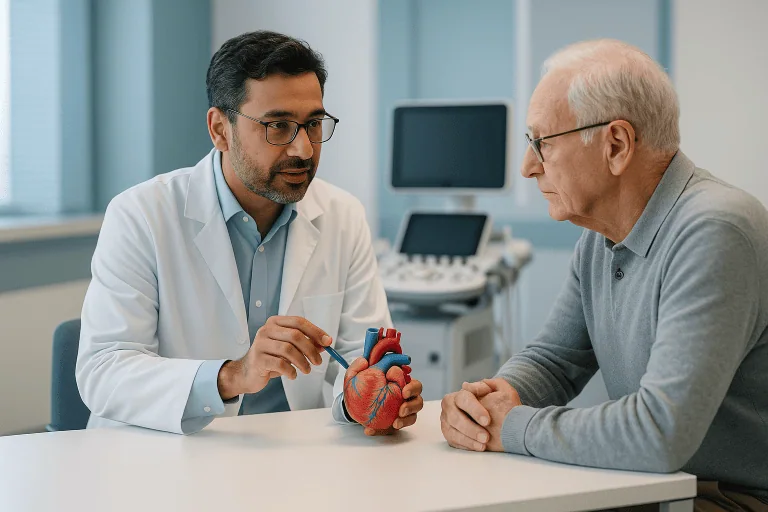
The condition is usually diagnosed in adults between young adulthood and late middle age, although it can occur at other ages. It affects both men and women. Sarcoidosis in general is seen somewhat more often in certain populations, including people of African and Northern European ancestry, and cardiac involvement has been reported more frequently in some Asian populations, particularly in Japan. Within a hospital group such as Acibadem, cardiac sarcoidosis is usually managed by the Cardiology Department, often in collaboration with lung specialists and rheumatologists.
Cardiac sarcoidosis matters because the granulomas and the scar tissue they leave behind can interfere with the heart in three main ways: they can disrupt the electrical wiring that keeps the heartbeat regular, they can trigger dangerous heart rhythms, and they can weaken the pumping strength of the heart muscle.
Cardiac sarcoidosis symptoms
Cardiac sarcoidosis symptoms vary widely. Some people have no symptoms at all and the condition is found only when a scan or heart tracing done for another reason shows an abnormality. Others develop symptoms that appear suddenly. Common cardiac sarcoidosis symptoms include:
- Palpitations (an awareness of a fast, pounding, fluttering, or irregular heartbeat)
- Lightheadedness or dizziness
- Fainting (syncope) or near-fainting spells
- Shortness of breath, especially with activity or when lying flat
- Unusual tiredness or reduced ability to exercise
- Chest discomfort or pressure
- Swelling of the ankles, legs, or abdomen
- An unusually slow pulse
- Sudden collapse or cardiac arrest, which is rare but can be the first sign
The pattern of symptoms often depends on which part of the heart is affected. When granulomas involve the conduction system (the specialized tissue that carries electrical signals from the upper to the lower chambers of the heart), the signal can be delayed or blocked. This is called heart block, and it may cause a slow pulse, fatigue, dizziness, or fainting. Heart block appearing in a relatively young adult with no other obvious explanation is one of the classic clues that may prompt doctors to consider cardiac sarcoidosis.
When inflammation or scarring irritates the lower chambers of the heart (the ventricles), it can cause fast, abnormal rhythms called ventricular arrhythmias. These may cause palpitations or fainting and, in some cases, can be life-threatening. When a large area of heart muscle is involved, the heart may become weaker and less able to pump blood efficiently. This is known as cardiomyopathy, and it can lead to heart failure, a condition in which the heart cannot meet the body’s needs, causing breathlessness, fatigue, and fluid buildup.
Symptoms may also differ by stage. In the active inflammatory stage, granulomas are forming and tissue is swollen; symptoms may fluctuate. In later stages, inflammation may quiet down but leave permanent scar tissue, which can continue to cause rhythm problems even when the disease itself is no longer active.
Cardiac sarcoidosis causes and risk factors
The exact cardiac sarcoidosis causes are not known. The leading explanation is that sarcoidosis results from an exaggerated immune response in people who are genetically susceptible. Something in the environment, possibly an infection, dust, chemical, or other particle, appears to trigger the immune system, which then keeps reacting and forms granulomas even after the original trigger is gone. Researchers have studied many possible triggers, but no single cause has been confirmed.
Sarcoidosis is not contagious, it is not a form of cancer, and it is not caused by diet, stress, or lifestyle choices. Why the heart becomes involved in some people and not others is also unclear.
Factors that may increase the likelihood of cardiac sarcoidosis include:
- Existing sarcoidosis in other organs. Most people with cardiac involvement also have, or have had, sarcoidosis affecting the lungs, lymph nodes, skin, or eyes.
- Age. The condition is most often diagnosed in adults between roughly their twenties and sixties.
- Family history. Having a close relative with sarcoidosis modestly raises the chance of developing it, which points to a genetic component.
- Ancestry. Sarcoidosis overall is more common in some populations, and cardiac involvement appears more frequently in certain groups.
- Environmental and occupational exposures. Certain exposures to dusts, molds, or chemicals have been associated with sarcoidosis in studies, although a direct cause-and-effect relationship has not been proven.
Cardiac sarcoidosis diagnosis
Cardiac sarcoidosis diagnosis can be difficult. Granulomas are scattered in patches rather than spread evenly through the heart, so a single test may miss them. Doctors therefore rely on a combination of the medical history, a physical examination, several types of tests, and expert consensus criteria published by professional heart rhythm and cardiology societies. Tests that are commonly used include:
- Electrocardiogram (ECG or EKG). A recording of the heart’s electrical activity. It may show heart block, abnormal rhythms, or other changes.
- Ambulatory heart monitoring. A portable device (such as a Holter monitor) worn for one or more days to catch rhythm problems that come and go.
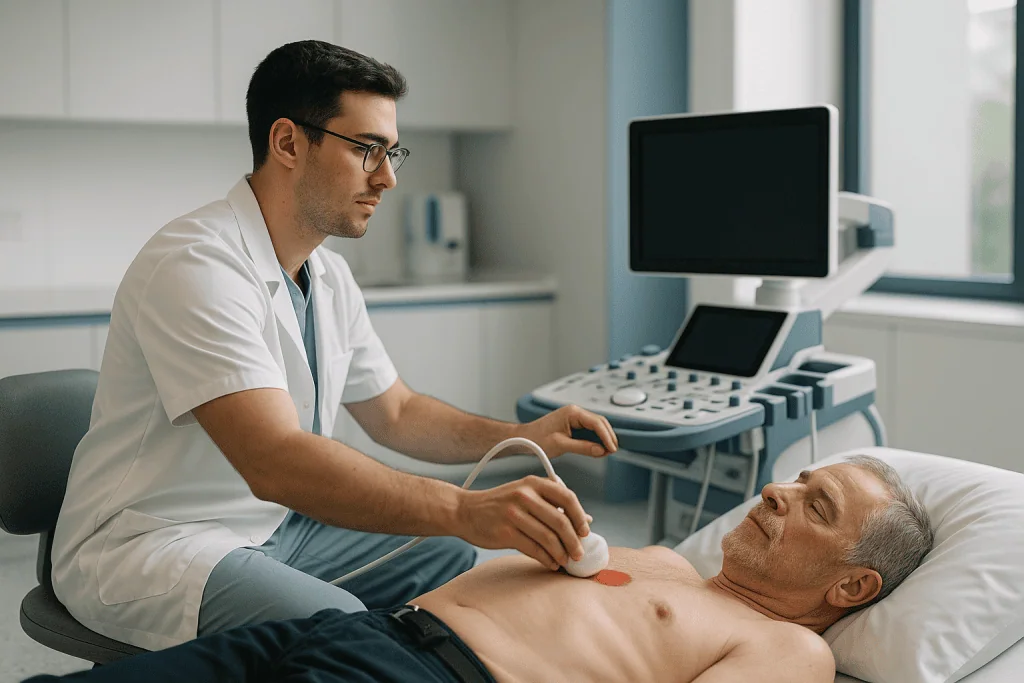
- Echocardiogram. An ultrasound of the heart that shows its size, pumping strength, and wall movement.
- Cardiac magnetic resonance imaging (MRI). A detailed scan that uses a contrast dye to reveal areas of scarring or inflammation in the heart muscle. This is one of the most useful tests for cardiac sarcoidosis.
- FDG-PET scan. A nuclear imaging test that shows areas of active inflammation by tracking how the heart takes up a sugar-based tracer. It usually requires a special low-carbohydrate diet beforehand so the heart muscle does not take up the tracer normally.
- Blood tests. These may include markers of inflammation, calcium levels, and an enzyme called angiotensin-converting enzyme (ACE), which can be raised in sarcoidosis. None of these blood tests can confirm the diagnosis on their own.
- Tissue biopsy. Removing a small sample of tissue to look for granulomas under a microscope. Because heart biopsy has a low chance of hitting an affected patch, doctors often prefer to biopsy an easier-to-reach organ, such as a lymph node or lung, when sarcoidosis is suspected there.
- Electrophysiology study. In some cases, a specialist threads thin wires into the heart to map its electrical activity and test how prone it is to abnormal rhythms.
In practice, doctors often reach a diagnosis of cardiac sarcoidosis when a person has proven sarcoidosis elsewhere in the body plus typical heart findings, such as unexplained heart block, ventricular arrhythmias, reduced pumping function, or characteristic patterns on MRI or PET, after other causes have been ruled out. Screening the heart is also recommended in many people newly diagnosed with sarcoidosis in another organ, even if they have no heart symptoms, because early detection may allow earlier treatment.
Cardiac sarcoidosis treatment options
Cardiac sarcoidosis treatment options are tailored to how active the inflammation is, which parts of the heart are affected, and how much the heart’s function and rhythm have been disturbed. Treatment usually has several goals at once: calming the inflammation, protecting the heart’s electrical system, controlling dangerous rhythms, supporting the heart’s pumping ability, and reducing the risk of sudden cardiac death. Care is typically coordinated by a cardiologist together with other specialists.
Observation and monitoring. When imaging shows only small or inactive changes and the heart is working normally, your doctor may recommend careful monitoring with repeat tests rather than immediate treatment.
Anti-inflammatory medication. Corticosteroids (steroid medicines such as prednisone that suppress inflammation) are usually the first treatment when active inflammation is found. They are often started at a higher dose and gradually reduced over months. Because long-term steroids can cause side effects such as weight gain, high blood sugar, bone thinning, and mood changes, doctors often add or switch to other immune-suppressing medicines, sometimes called steroid-sparing agents, such as methotrexate, azathioprine, or mycophenolate. For inflammation that does not respond to these, biologic medicines that block specific immune signals may be considered.
Heart rhythm and heart failure medication. Antiarrhythmic drugs may be used to reduce abnormal rhythms. If the heart’s pumping strength is reduced, standard heart failure medicines, including those that lower blood pressure, remove excess fluid, or slow the heart, are commonly prescribed.
Implanted devices. A pacemaker (a small device placed under the skin that sends electrical pulses to keep the heart beating at a steady rate) is often needed for significant heart block. An implantable cardioverter-defibrillator, or ICD, can detect life-threatening rhythms and deliver a shock to restore a normal beat. Many people with cardiac sarcoidosis who need a pacemaker receive a device that also has defibrillator capability, because the risk of dangerous rhythms can remain even after inflammation is treated.
Catheter ablation. If abnormal rhythms persist despite medication, a specialist may use thin tubes guided into the heart to identify and destroy the small areas of tissue causing the rhythm problem. Results in cardiac sarcoidosis can be less predictable than in some other heart conditions because scarring may be widespread.
Surgery and advanced therapies. In a small number of people whose heart failure becomes severe and does not respond to other treatment, a mechanical pump to assist the heart or a heart transplant may be discussed.
Rehabilitation and supportive care. Cardiac rehabilitation programs that combine supervised exercise, education, and lifestyle support can help many people regain confidence and fitness. Supportive care also includes managing medication side effects, for example checking bone density, blood sugar, and infection risk during immune-suppressing treatment.
Living with cardiac sarcoidosis and outlook
The outlook for cardiac sarcoidosis varies considerably from person to person. Many people whose condition is detected early and treated remain stable for years, with inflammation controlled and heart rhythm protected by medication or a device. Others, particularly those with extensive scarring or significantly reduced pumping function at diagnosis, face a higher risk of complications such as heart failure and serious arrhythmias. Doctors generally regard the heart’s pumping strength and the presence of dangerous rhythms as important factors in assessing risk, but no test can predict the course for an individual with certainty.
Long-term follow-up is a central part of living with cardiac sarcoidosis. Because inflammation can flare after treatment is reduced, your care team may recommend repeat imaging, such as PET or MRI, and regular rhythm monitoring. If you have a pacemaker or ICD, the device itself is usually checked periodically and can provide information about rhythm events.
Everyday life often continues with adjustments. Your doctor may give guidance on the level of physical activity that is appropriate for you, particularly if you have had arrhythmias. People taking immune-suppressing medication are typically advised to stay up to date with recommended vaccinations and to report signs of infection promptly. A balanced diet, limiting salt if you have heart failure, avoiding tobacco, and moderating alcohol are commonly recommended for general heart health. Sarcoidosis is a chronic condition, and it is common to feel anxious or low at times; discussing these feelings with your care team or a mental health professional can be helpful. Women considering pregnancy are generally advised to plan ahead with their cardiologist and obstetrician, since some medications may need to be adjusted.
Frequently asked questions
What is cardiac sarcoidosis in simple terms?
Cardiac sarcoidosis is a condition in which clusters of immune cells, called granulomas, form inside the heart muscle or its electrical wiring. These clusters and the scar tissue they leave behind can disturb the heart’s rhythm or weaken its pumping. It is one form of sarcoidosis, an inflammatory disease that can affect many organs, and it is usually treated by heart specialists.
What are the most common cardiac sarcoidosis symptoms?
The most common symptoms are palpitations, dizziness, fainting, shortness of breath, tiredness, and swelling in the legs. Some people have an unusually slow heartbeat because of heart block. Many people, however, have no symptoms at all, and the condition is discovered during heart tests done for another reason or during screening after sarcoidosis is found in the lungs or elsewhere.
What causes cardiac sarcoidosis?
The cause is not fully understood. Most experts believe it develops when an unknown environmental trigger sets off an overactive immune response in a person who is genetically susceptible. It is not contagious, is not caused by lifestyle, and is not a form of cancer. Why the heart becomes involved in some people with sarcoidosis and not in others is still being studied.
How is cardiac sarcoidosis diagnosed?
Doctors usually combine several tests, because no single test is reliable on its own. These typically include an electrocardiogram, heart monitoring over one or more days, an echocardiogram, and advanced imaging such as cardiac MRI or FDG-PET scanning. A biopsy from an affected organ, often outside the heart, may be used to confirm sarcoidosis. The diagnosis is then made using published expert consensus criteria.
What are the main cardiac sarcoidosis treatment options?
Treatment commonly begins with corticosteroids to reduce inflammation, often followed by other immune-suppressing medicines to limit steroid side effects. A pacemaker may be needed for heart block, and an implantable defibrillator may be recommended to protect against dangerous rhythms. Heart failure medicines, antiarrhythmic drugs, and catheter ablation are used when needed. In severe, advanced cases, a heart transplant may be considered.
Can cardiac sarcoidosis be cured?
There is currently no cure for sarcoidosis, but in many cases treatment can bring the inflammation under control and prevent or reduce complications. Some people experience long periods of remission in which the disease is inactive. Scar tissue that has already formed generally does not disappear, which is why ongoing rhythm protection and follow-up are often needed even after inflammation settles.
Is cardiac sarcoidosis life-threatening?
It can be, mainly because of the risk of serious heart rhythm problems and heart failure. This is why early recognition, appropriate medication, and protective devices such as defibrillators are emphasized. With treatment and regular follow-up, many people live for many years with a good quality of life, but the course varies, and your doctor is best placed to discuss your individual situation.
When to see a doctor
If you have been diagnosed with sarcoidosis in any organ and notice new heart-related symptoms, such as palpitations, breathlessness, or unexplained tiredness, it is reasonable to raise them with your doctor, who may arrange heart screening. Anyone with an unexplained slow heartbeat, fainting, or rhythm abnormalities at a relatively young age should also be evaluated, since these can be early signs of cardiac sarcoidosis. If you are already being treated, report new or worsening symptoms and any side effects of medication at your follow-up visits.
Seek emergency medical care immediately if you or someone near you experiences any of the following red-flag warning signs:
- Fainting or collapse, especially during exertion or without warning
- A very fast, pounding, or chaotic heartbeat that does not settle within minutes or is accompanied by dizziness
- A very slow pulse with lightheadedness, confusion, or near-fainting
- Sudden or severe shortness of breath, or waking at night gasping for air
- Chest pain or pressure that is new, severe, or spreading to the arm, jaw, or back
- Rapid swelling of the legs or abdomen together with breathlessness
- A shock delivered by an implanted defibrillator, or repeated shocks
- Signs of a serious infection while taking immune-suppressing medication, such as high fever, shaking chills, or difficulty breathing
Cardiac sarcoidosis can be serious, but it is also treatable in many cases, and timely evaluation of warning signs gives doctors the best chance to protect the heart.
Medically reviewed by the Acıbadem International Medical Board September 9, 2026
See our medical review board →
Update history
- PublishedSeptember 9, 2026
- Medical review approvedSeptember 9, 2026
- Last content updateSeptember 9, 2026