Ebola Virus Disease
Ebola Virus Disease Turkey care focuses on rapid isolation, testing and intensive supportive treatment. Contact Acibadem for guidance.
Quick answer
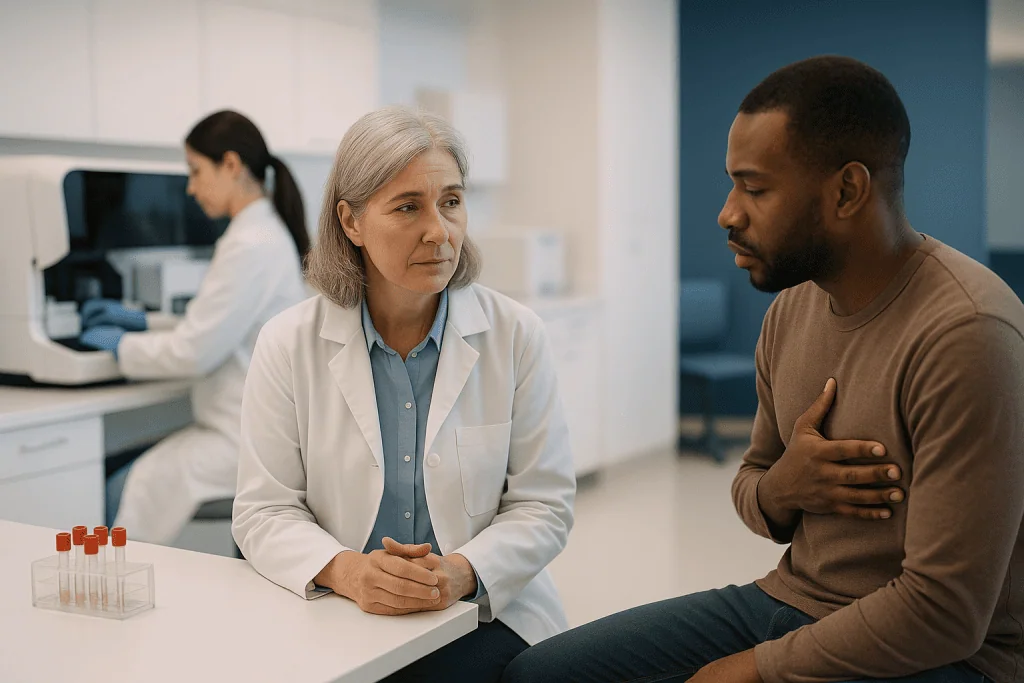
Ebola virus disease is a severe viral infection that requires urgent isolation, supportive treatment, and close monitoring to reduce the risk of life-threatening complications. At Acibadem in Turkey, care focuses on rapid assessment, infection-control precautions, fluid and electrolyte replacement, symptom management, and intensive support by infectious disease and critical care teams.
Ebola Virus Disease: What It Is and Why It Is Managed as an Emergency
Ebola virus disease is a severe, often life-threatening infection caused by the Ebola virus. It spreads through direct contact with the blood or body fluids of a person who is ill, and it can move from a flu-like beginning to profound dehydration, bleeding complications, shock and organ failure within days. Treatment is not a single drug or procedure. It is a structured emergency pathway built on strict isolation, laboratory confirmation, intensive supportive care and, for certain virus species, specific antibody therapies given as early as possible.
Because the illness can begin like influenza or malaria, Ebola is easy to mistake for something ordinary in its first days. What separates it from common infections is the exposure history, recent travel to an outbreak region, contact with a sick person or their body fluids, participation in traditional burial practices, or work in a healthcare or laboratory setting where the virus may have been present. Symptoms alone never confirm Ebola. The combination of compatible symptoms and a plausible exposure is what triggers the emergency pathway.
This page explains what the Ebola virus is, how it spreads and does not spread, what the illness looks like, how doctors confirm the diagnosis, and what treatment actually involves, from the first hour of isolation through intensive care to the months of follow-up that survivors may need. Care for suspected or confirmed Ebola always sits within national public health frameworks: hospitals, laboratories and health authorities work together from the earliest stage, and this coordination is part of the treatment itself, not an administrative afterthought.
What is Ebola?
What is Ebola, exactly? Ebola is the common name for both a group of viruses and the disease they cause in humans. The viruses belong to the filovirus family, first identified in 1976 during outbreaks in what are now the Democratic Republic of the Congo and South Sudan; the name comes from the Ebola River, near one of the first recognised outbreak sites. Several distinct species exist. Zaire ebolavirus has caused the largest and most lethal human outbreaks, including the West African epidemic of 2014 to 2016. Sudan ebolavirus, Bundibugyo ebolavirus and Taï Forest ebolavirus also cause human disease, while Reston ebolavirus has affected animals but has not caused illness in people. The species matters clinically, because the antibody therapies developed so far target Zaire ebolavirus specifically, and the licensed vaccine used in outbreak response is likewise species-specific. The family of viral haemorrhagic diseases Ebola belongs to also includes Marburg virus disease, which is caused by a related filovirus and behaves in a broadly similar way. Ebola remains rare outside outbreak settings, but its severity and its capacity to spread within households and healthcare facilities are why it is treated as a high-consequence infection everywhere in the world.
What disease is caused by the Ebola virus?
The Ebola virus causes Ebola virus disease, formerly known as Ebola haemorrhagic fever. The older name was dropped because visible bleeding, although possible, is not present in every patient and is not usually the main cause of deterioration. In most severe cases, the dominant problems are massive fluid loss from vomiting and diarrhoea, a collapsing circulation, injury to the kidneys and liver, disturbed blood clotting and an intense, dysregulated inflammatory response that affects multiple organs at once. The virus infects immune cells, blood vessel linings and liver cells, which explains why the illness damages so many systems simultaneously. Understanding this shift in terminology matters for patients reading older material: haemorrhage is one possible feature of the disease, not its definition, and modern treatment is aimed above all at supporting circulation and organ function while the immune system responds.
What is the cause of Ebola virus disease?
Ebola virus disease is caused by infection with an Ebola virus, and outbreaks almost always begin with spillover from an animal. Fruit bats are considered the most likely natural reservoir, and the first human case in an outbreak typically follows contact with an infected wild animal, a bat, or a primate or forest antelope that was itself infected, often through hunting, butchering or handling of animal tissues. From that first case, the virus spreads from person to person through direct contact with blood or other body fluids of someone who is symptomatic, or with surfaces, bedding, clothing or medical equipment freshly contaminated by those fluids. Three settings have historically driven transmission: household care of sick relatives, traditional burial practices that involve touching the body of someone who died of Ebola, and healthcare delivered without adequate protective equipment. The deceased remain highly infectious, which is why safe burial procedures are central to outbreak control. People are not contagious during the incubation period; infectiousness begins with symptoms and rises as the illness worsens, because the amount of virus in body fluids increases. This answers the common question of what caused Ebola in any given outbreak: an animal-to-human spillover event, amplified by close human contact afterwards.
Is Ebola virus an airborne disease?
No. Ebola is not an airborne disease in the way measles, chickenpox or tuberculosis are. It does not drift through the air across rooms or spread through ventilation systems, and casual proximity, sharing a bus, an aircraft cabin or an office with someone who is well, does not transmit it. The virus requires direct contact: infected blood, vomit, diarrhoea, urine, sweat, saliva, breast milk, semen or other body fluids reaching broken skin or the mucous membranes of the eyes, nose or mouth. Large droplets produced at very close range during coughing or vomiting can carry the virus, which is one reason healthcare workers use full protective equipment including eye protection, but this is close-contact droplet exposure, not true airborne spread. Two further points deserve emphasis. First, a person incubating the virus but without symptoms does not transmit it, which is why symptom monitoring rather than blanket quarantine is used for many contacts. Second, the virus can persist after recovery in certain protected body sites, most importantly semen, so counselling about precautions continues after discharge. Understanding the real transmission route helps families avoid both dangerous complacency and unnecessary fear.
What Are Ebola Symptoms?
Ebola symptoms begin after an incubation period that typically ranges from two days to three weeks after exposure, most often within the first ten days or so. The illness usually opens with what clinicians call the dry phase: sudden fever, chills, severe fatigue, headache, muscle and joint pain and sore throat. At this stage nothing distinguishes Ebola reliably from malaria, typhoid, influenza, COVID-19 or many other infections, which is precisely why the exposure history carries so much diagnostic weight.
Within a few days the illness commonly moves into the wet phase: nausea, repeated vomiting, profuse watery diarrhoea and abdominal pain. Fluid losses in this phase can be enormous, and dehydration, electrolyte disturbance and falling blood pressure become the immediate threats to life. Other features may include a rash, red eyes, hiccups, chest discomfort, difficulty swallowing and confusion or agitation as the illness affects the brain. Kidney and liver function often deteriorate, and blood tests show falling clotting capacity.
Bleeding, when it occurs, tends to appear later and in the sicker patients: oozing from the gums or from needle puncture sites, blood in vomit or stool, or unexplained bruising. Many patients never bleed visibly at all. In the final stage of severe disease, patients may develop shock, multi-organ failure and profound metabolic disturbance. Conversely, patients who survive the second week of illness typically begin a slow improvement, with fever settling and fluid losses easing before strength gradually returns.
What happens if you get Ebola?
If you become infected with Ebola, nothing happens immediately: the incubation period is silent and non-infectious. Once symptoms start, the illness tends to escalate quickly, and the course over the following days determines everything. The central battle is between fluid loss and fluid replacement, patients can lose litres of fluid through vomiting and diarrhoea, and without aggressive replacement the circulation fails, the kidneys shut down and shock develops. This is why the illness is so much more dangerous where intensive care is unavailable, and why the same infection managed with early, meticulous supportive care gives the body a far better opportunity to fight the virus. Patients who reach care early, before severe dehydration or organ dysfunction sets in, are in a fundamentally different clinical position from those who arrive collapsed. The immune system usually clears the virus from the bloodstream in survivors within two to three weeks of symptom onset, though convalescence takes considerably longer.
Who Needs Urgent Evaluation for Possible Ebola
Urgent evaluation is warranted when compatible symptoms meet a relevant exposure history. The people most likely to need assessment include those who have recently been in an area with an active Ebola outbreak; those who cared for, lived with or had physical contact with a person suspected or confirmed to have Ebola; those who attended a funeral or burial involving contact with the deceased in an affected region; healthcare workers, laboratory staff, humanitarian workers, researchers and journalists who worked in outbreak settings; and anyone who handled potentially infected animals or animal tissues in an endemic area. The level of risk varies enormously with the type of contact: a needlestick injury from a confirmed patient is a very different exposure from having walked through the same town, and public health teams grade exposures precisely for this reason.
Evaluation begins with a careful, structured history taken in a way that protects staff and other patients: when symptoms began, where the person travelled and when, what contact occurred with sick people or funerals, whether protective equipment was used, and which other infections are plausible. It is worth stating plainly that most fevers after travel are not Ebola. Malaria, dengue, typhoid fever, influenza, COVID-19 and bacterial sepsis are all far more common in returning travellers, and several of them are rapidly dangerous in their own right. A structured evaluation protects everyone twice over: it isolates a possible Ebola case safely, and it makes sure a treatable alternative diagnosis is not missed while the question is being answered.
People who have had a recognised exposure but feel entirely well are handled differently. Public health guidance determines how such contacts are monitored, usually daily symptom and temperature checks for a period covering the maximum incubation time, and whether any movement restrictions or post-exposure vaccination apply, depending on the virus species and the exposure risk. Monitoring is not treatment; it exists so that if illness does begin, isolation and care start on day one rather than day four.
How Ebola Virus Disease Is Diagnosed
Diagnosis of Ebola virus disease combines exposure assessment, clinical examination and laboratory confirmation, all conducted under biosafety procedures that protect staff and other patients. Standard practice worldwide is for the receiving facility to be notified before a person with possible Ebola arrives, so that a dedicated isolation route can be prepared and the patient does not pass through a general waiting area. This advance coordination, usually arranged between clinicians, emergency services and public health authorities, is a defining feature of how high-consequence infections are managed.
Laboratory confirmation relies on molecular testing, most commonly reverse-transcription polymerase chain reaction (RT-PCR), which detects the genetic material of the virus in blood. Timing matters: very early in the illness the amount of virus in the blood may be below the detection threshold, so a negative test taken in the first days of symptoms does not exclude the diagnosis, and repeat testing is performed if clinical suspicion remains. Specimens are collected, transported and processed under strict biosafety protocols, typically in designated reference laboratories working with the national public health system.
In parallel, clinicians pursue the alternatives with equal urgency. In a returning traveller, malaria testing is an immediate priority, because untreated falciparum malaria can kill quickly and mimics early Ebola closely. Depending on the travel history, tests for dengue, typhoid, viral hepatitis, respiratory viruses and bacterial bloodstream infection may all run at the same time. Supportive blood tests, electrolytes, kidney and liver function, blood counts, clotting studies, glucose, lactate and blood gases, are repeated throughout the admission, because they guide the fluid and organ support that forms the core of treatment. Bedside imaging with portable ultrasound or portable chest X-ray is used selectively, so that the patient does not need to move through the hospital. This is the working territory of a specialist infectious diseases department operating alongside critical care, laboratory medicine and infection prevention teams.
How Ebola Virus Disease Treatment Is Performed
Treatment follows a recognisable sequence, even though every case is individual. In outline, the pathway runs as follows:
- Advance notification and preparation of an isolation route before the patient enters the clinical area.
- Direct transfer to a designated isolation room, with staff in full personal protective equipment.
- Immediate stabilisation, assessment of temperature, blood pressure, heart rate, oxygen levels, mental state, hydration and any bleeding, with life-supporting care starting before test results return.
- Diagnostic testing for Ebola and for the dangerous alternatives, coordinated with reference laboratories and public health authorities.
- Continuous supportive care: fluids, electrolytes, organ support and symptom control, adjusted hour by hour.
- Species-specific antibody therapy where the diagnosis, timing and availability support it.
- Recovery, discharge according to clinical and infection control criteria, and structured survivor follow-up.
Isolation and Safe Arrival
The first clinical act in suspected Ebola is containment, and it begins before the patient crosses the threshold. The patient is guided straight to a designated isolation area rather than a shared waiting room. Staff wear protective clothing, gloves, fluid-resistant masks or respirators and eye protection, and, critically, follow supervised procedures for putting on and, above all, removing this equipment, because removal is where contamination most often occurs. Access to the room is controlled, waste is managed through dedicated channels, and an infection prevention team oversees the whole process. None of this delays treatment: initial assessment and resuscitation happen inside the isolation room, and the sicker the patient, the faster supportive care begins. Isolation protects the household the patient came from, the staff delivering care and every other patient in the building, and it is what allows intensive treatment to be delivered safely rather than hesitantly.
Supportive Care and Intensive Monitoring
Supportive care is the foundation of Ebola treatment, and its quality has a direct bearing on how patients fare. The central task is fluid and electrolyte management. Intravenous fluids are titrated carefully, enough to restore circulation and protect the kidneys, but not so much that fluid overloads the lungs or heart. Potassium, sodium, calcium and magnesium are measured repeatedly and corrected, because the losses from vomiting and diarrhoea derange them quickly and dangerously. Blood glucose is watched closely, particularly in children, pregnant patients and the critically ill.
When blood pressure cannot be maintained with fluids alone, vasoactive medications support the circulation in an intensive care setting. Oxygen therapy, non-invasive breathing support or mechanical ventilation are used if respiratory failure develops. Acute kidney injury may call for meticulous fluid balancing and, in severe cases, renal replacement therapy where it is available and clinically appropriate. Bleeding and clotting abnormalities are managed with blood products guided by laboratory results. Alongside all of this, symptoms are treated proactively: prescribed medication for fever, pain, nausea, vomiting, diarrhoea and agitation, chosen with the patient’s organ function in mind; early nutritional support, by specialised routes if eating is unsafe; skin care and pressure injury prevention; and sustained nursing attention. Isolation is psychologically hard, and deliberate communication, through intercoms, video links, interpreters and regular family updates, is a genuine component of care, not a courtesy.
Disease-Specific Antibody Therapies
For Ebola caused by Zaire ebolavirus, monoclonal antibody therapies exist and are used where the diagnosis, timing, availability and regulatory framework allow. These treatments are laboratory-engineered antibodies that bind the virus and help the body bring the infection under control, and they work best when given early in the illness, before viral levels peak and organ damage accumulates. Two important limits deserve honesty. First, these therapies target Zaire ebolavirus specifically; they are not established treatments for Sudan ebolavirus or the other species, for which supportive care remains the mainstay while research continues. Second, antibody therapy does not replace intensive supportive care, patients who receive it still need the same fluid management, monitoring and organ support as everyone else. A licensed vaccine against Zaire ebolavirus is also used in outbreak response, including ring vaccination of contacts, but vaccination is prevention rather than treatment for someone who is already ill. Any investigational approaches beyond these are considered only within proper ethical, regulatory and clinical frameworks, with decisions shared among infectious disease physicians, intensivists, pharmacists and public health authorities.
Technology Used During Isolation Care
Technology in Ebola care serves three purposes: safety, speed and precision. Isolation rooms use controlled access and environmental safeguards. Continuous monitoring systems track vital signs so that deterioration is caught in minutes rather than hours. Infusion pumps deliver fluids and medications with exactness that matters when the margin between under- and over-resuscitation is narrow. Laboratory platforms support both the molecular diagnosis and the repeated organ-function testing that steers treatment. Portable imaging reduces the need to move the patient through the hospital. Electronic communication tools let the wider multidisciplinary team review the case without entering the room, cut unnecessary exposure, and keep families informed when visiting is restricted, often one of the most valued parts of the whole arrangement for patients and relatives alike.
How Long Treatment Lasts
Duration varies widely with the clinical picture. Some patients spend a few days in isolation while testing excludes Ebola and identifies the real diagnosis. Confirmed cases usually need admission through the acute phase of the illness, and severe cases with shock, kidney injury, bleeding or respiratory compromise may need prolonged intensive care. Discharge is not a purely clinical decision: it depends on recovery of the patient, laboratory evidence that the virus has cleared from the blood, infection control criteria and public health guidance. Even after discharge, the episode is not fully over, survivor follow-up, described below, continues for months.
Why Acting Early Matters
Early action changes the shape of this illness. The nonspecific opening, fever, fatigue, aching, gives way quickly to vomiting and diarrhoea, and severe dehydration can develop within a day or two of the wet phase beginning. Once blood pressure falls and organs start to fail, every element of treatment becomes harder and riskier. Patients whose fluid replacement begins early rarely reach that point in the same condition as those who present collapsed.
Early isolation matters just as much as early treatment. Transmission occurs through contact with the body fluids of a symptomatic person, so the window between first symptoms and proper isolation is when household members and healthcare workers are most exposed. Advance notification before arrival at a facility, a standard element of the care pathway, closes that window and lets assessment start safely and immediately.
Early evaluation also protects against a quieter danger: the missed alternative diagnosis. Malaria, bacterial sepsis, meningitis and severe dengue all need urgent therapy of their own, and a structured pathway treats the patient for the most dangerous possibilities while the Ebola question is being resolved, rather than waiting for a single answer. For contacts who have been exposed but remain well, early involvement of public health teams establishes the right monitoring plan and clarifies whether vaccination, work adjustments or travel limitations apply to their specific exposure.
Can You Recover from Ebola?
Yes, you can recover from Ebola. Recovery is well documented across every major outbreak, and the likelihood of surviving depends heavily on the virus species, how much virus the patient carries, how early care begins and the quality of supportive treatment received. Survivors typically clear the virus from their bloodstream within weeks of symptom onset and develop antibodies that are believed to provide long-lasting protection against the same species. Convalescence, however, is slow: profound fatigue and weakness commonly persist for weeks or months after discharge, and returning to previous work and activity is a gradual process rather than a single moment.
Can a human survive Ebola?
A human can survive Ebola, and many thousands of people have. Survival is most likely when the illness is recognised early, fluid and electrolyte replacement starts before shock develops, complications are caught by continuous monitoring, and, for Zaire ebolavirus, antibody therapy is given early where available. Survivors, though, may face a recognised set of after-effects known as post-Ebola syndrome: persistent fatigue, joint and muscle pain, headaches, hearing changes, memory and concentration difficulties, mood disturbance and, importantly, eye inflammation (uveitis) that can threaten vision if not assessed promptly. Neurological symptoms after severe infection sometimes need dedicated assessment of the kind provided in the management of neuroinfectious diseases. The virus can also persist after recovery in immune-privileged sites, semen above all, and occasionally the eye or central nervous system, which is why survivors receive counselling about sexual transmission precautions, and why pregnancy and breastfeeding questions are handled individually with specialist input. Structured follow-up involving infectious disease specialists, ophthalmology, neurology, rehabilitation and mental health support helps survivors rebuild health and reduces avoidable risks to the people around them.
Benefits of Structured Ebola Care
The value of a structured pathway comes from combining rapid isolation, expert supportive care and continuous monitoring from the earliest possible stage. Each element addresses a specific way this illness harms patients and communities.
| Benefit | What It Means for You |
|---|---|
| Rapid isolation and infection control | Reduces the risk of transmitting the virus to family members, healthcare workers and other patients while allowing care to begin safely. |
| Early fluid and electrolyte replacement | Helps prevent or treat dehydration, low blood pressure and complications caused by vomiting, diarrhoea and fever. |
| Continuous organ monitoring | Allows physicians to detect changes in kidney, liver, respiratory, circulatory or clotting function before complications become more severe. |
| Access to specialist decision-making | Supports accurate diagnosis, appropriate use of disease-specific therapies when indicated and coordinated management of complex illness. |
| Parallel testing for dangerous alternatives | Ensures that malaria, sepsis and other treatable emergencies are identified and treated while Ebola testing is under way. |
| Structured follow-up after recovery | Helps identify post-Ebola symptoms, provides counselling about transmission precautions and supports physical and emotional rehabilitation. |
Recovery Timeline
What recovery looks like depends on whether Ebola is confirmed, how severe the illness becomes and what public health guidance requires. The outline below describes a typical shape rather than a promise for any individual patient.
| Time Period | What Patients Can Expect |
|---|---|
| Day 1 | Immediate isolation, clinical assessment, protective precautions, diagnostic testing and rapid treatment for dehydration, fever, pain, nausea or shock if present. |
| First Week | Repeated laboratory monitoring, fluid and electrolyte adjustment, evaluation for complications and consideration of disease-specific therapy when appropriate. This is usually the most intensive phase of the illness. |
| First Month | Hospital care may continue for severe cases. Patients who improve move towards discharge once clinical, laboratory and infection control criteria are met. Fatigue and weakness commonly persist after leaving hospital. |
| Longer Term | Follow-up addresses fatigue, vision or neurological symptoms, joint pain, hearing, mental health, reproductive counselling and a gradual, supported return to daily life and work. |
What Influences Outcomes
Outcomes in Ebola virus disease vary widely, and no honest page will tell you otherwise. The virus species is the first factor: infections caused by different ebolaviruses behave differently, and only Zaire ebolavirus currently has established antibody therapies. The amount of virus in the body at presentation matters, as do the patient’s age, pregnancy status, immune response, nutritional state and whether complications had already developed before care began. Patients who receive timely supportive care before severe shock or organ failure are in a fundamentally better clinical position than those who present late.
The quality of fluid management is arguably the single most important modifiable factor. Too little fluid deepens shock and kidney injury; too much creates problems in patients whose lungs or heart are under strain. Experienced critical care teams navigate this narrow channel using vital signs, urine output, laboratory trends and repeated bedside examination, and adjust course hour by hour rather than day by day.
Laboratory capacity shapes outcomes in a quieter way. Rapid, reliable molecular testing confirms or excludes Ebola and identifies the treatable alternatives. Repeated monitoring lets clinicians respond to electrolyte disturbance, anaemia, clotting abnormalities, liver injury and kidney dysfunction as trends, not surprises, and in complex cases, the trend often matters more than any single result. Access to species-appropriate antibody therapy, given early, can be important for Zaire ebolavirus infections, but it is never a substitute for meticulous supportive care, and decisions about its use belong with specialists who know the current evidence, availability and public health guidance.
Two further factors deserve mention. Well-organised infection control lets staff deliver genuinely intensive care rather than cautious, minimal contact, protecting the team is what makes aggressive treatment of the patient possible. And communication influences recovery more than most people expect: isolation breeds fear and confusion, and patients who receive repeated explanations, interpretation in their own language and consistent emotional support engage better with treatment and with the long follow-up that comes afterwards. Once home, adherence to follow-up guidance, attending eye checks, reporting neurological symptoms promptly, following counselling about transmission precautions, is what turns survival into a durable return to ordinary life.
How Acibadem Approaches High-Consequence Infections
A suspected high-consequence infection such as Ebola is not an elective medical journey, and it is never planned the way a scheduled operation is. Care for suspected or confirmed cases sits within national public health frameworks: health authorities coordinate testing, safe transport and isolation, and hospitals work inside that system rather than around it. That is the honest starting point for any patient or family reading this page.
Within that framework, what a hospital group contributes is disciplined execution: infectious disease physicians, intensive care specialists, emergency physicians, laboratory medicine teams, infection prevention professionals and pharmacists working as one team, with established protocols for isolation, protective equipment, specimen handling and waste management. At Acibadem, complex infection cases are managed through this kind of multidisciplinary collaboration, with the Infectious Diseases Department coordinating diagnosis and treatment and drawing in other specialties, nephrology, neurology, ophthalmology, rehabilitation, mental health, as the individual case requires. Difficult decisions are reviewed in multidisciplinary discussion rather than made in isolation.
The practical layer of care matters too: interpretation where needed, coordination between departments and structured, regular communication with family members. In an isolation setting, these services operate within infection control and public health rules, but clear communication in a language the patient understands remains an essential part of safe care. And because Ebola care does not end at discharge, the same coordination supports survivor follow-up, eye assessments, neurological review, rehabilitation and counselling, planned around the patient’s actual findings rather than a generic template. Ebola virus disease demands urgency, precision and calm coordination in equal measure; a care system built to deliver all three is what gives patients with this serious infection the attention it demands.
Frequently Asked Questions
What is Ebola virus disease?
Ebola virus disease is a severe, often life-threatening infection caused by viruses of the filovirus family, first identified in 1976 in Central Africa. It can progress from a flu-like beginning to profound dehydration, bleeding complications, shock and organ failure within days. Several species exist; Zaire ebolavirus has caused the largest outbreaks and is the target of current antibody therapies and the licensed vaccine. It remains rare outside outbreak settings but is treated as a high-consequence infection everywhere.
How is Ebola transmitted?
Ebola spreads through direct contact with the blood or body fluids of a person who is ill or has died from the disease, through contaminated objects such as needles, and through contact with infected animals such as bats or non-human primates. It is not spread through the air, water or food in general, and people are not contagious before symptoms begin. Healthcare workers, family caregivers and those participating in traditional burial practices are at highest risk.
What are the symptoms of Ebola?
Symptoms appear two to twenty-one days after exposure, most often around eight to ten days, beginning with sudden fever, fatigue, muscle pain, headache and sore throat. Vomiting, diarrhoea, rash, and impaired kidney and liver function follow, and in some patients internal and external bleeding. Because the early illness resembles influenza or malaria, the combination of compatible symptoms with a plausible exposure history, such as recent travel to an outbreak area or contact with a sick person, is what triggers the emergency pathway.
How is Ebola diagnosed?
Suspected cases are isolated immediately while blood samples are tested in specialised laboratories using PCR to detect the virus's genetic material, usually alongside tests for malaria and other infections that can cause similar symptoms. Early in illness the virus may not yet be detectable, so repeat testing after 72 hours of symptoms is sometimes needed. Diagnosis and management are coordinated with national public health authorities from the earliest stage.
How is Ebola treated?
Treatment is a structured emergency pathway built on strict isolation, laboratory confirmation and intensive supportive care, including fluid and electrolyte replacement, treatment of low blood pressure and organ support in critical care. For infection with Zaire ebolavirus, specific monoclonal antibody therapies given as early as possible improve survival substantially. A licensed vaccine is used in outbreak response and for contacts. Survivors may need months of follow-up for eye, joint and other complications.
Medically reviewed by the Acıbadem International Medical Board September 13, 2026
See our medical review board →
Update history
- PublishedJune 8, 2026
- Medical review approvedSeptember 13, 2026
- Last content updateSeptember 12, 2026
References3
- Ebola Disease cdc.gov
- Ebola virus disease who.int
- Ebola medlineplus.gov
Treatments for This Condition
Care at Acibadem
Doctors Who Treat This Condition



Infectious Diseases & Clinical Microbiology
Prof. Cihadiye Elif Öztürk, MD

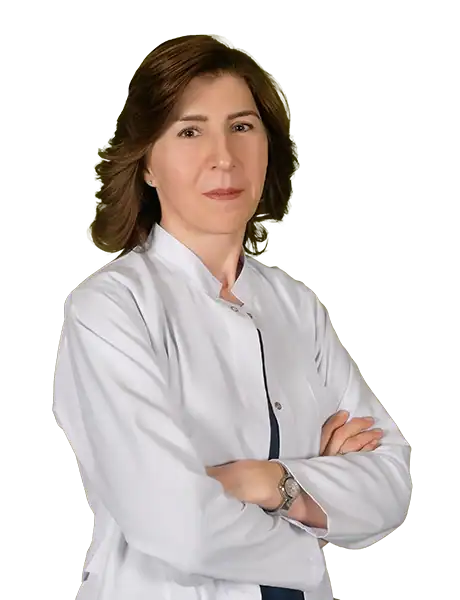



Infectious Diseases & Clinical Microbiology
Assoc. Prof. Aslıhan Demirel, MD

Infectious Diseases & Clinical Microbiology