Pulmonary Fibrosis
Pulmonary Fibrosis causes lung scarring that can make breathing harder. Learn symptoms, diagnosis, treatment options and when to seek care.
Quick answer
Pulmonary fibrosis is a chronic lung disease in which scar tissue builds up in the lungs, making breathing harder and reducing oxygen transfer. Treatment focuses on slowing progression, relieving symptoms, and managing the cause when identified, using evaluation by chest specialists, imaging and lung function tests, medications, pulmonary rehabilitation, oxygen support, and follow-up care.
What is pulmonary fibrosis?
Pulmonary fibrosis is a lung condition in which the tissue deep inside the lungs becomes scarred and thickened. The word “pulmonary” refers to the lungs, and “fibrosis” means scarring. This scarring affects the tiny air sacs, called alveoli, where oxygen normally passes from the air you breathe into your bloodstream. When the walls of these air sacs become stiff and thick with scar tissue, the lungs cannot expand as easily and oxygen has a harder time reaching the blood. Over time, this makes breathing more difficult, especially during physical activity.
For readers wondering what is pulmonary fibrosis in simple terms: it is permanent scarring of the lungs that makes them stiffer and less efficient. The scarring itself generally cannot be reversed, which is why early recognition and ongoing medical care are important.
Pulmonary fibrosis belongs to a larger group of conditions called interstitial lung diseases, which affect the tissue and space around the air sacs. The most common form is idiopathic pulmonary fibrosis, often shortened to IPF. “Idiopathic” means the cause is unknown. Idiopathic pulmonary fibrosis most often affects adults over the age of 50 and is somewhat more common in men, in people who have smoked, and in people with a family history of lung scarring. Other forms of pulmonary fibrosis can occur at younger ages, particularly when the scarring is linked to autoimmune disease, medications, or long-term exposure to harmful dusts.
Symptoms of pulmonary fibrosis
Pulmonary fibrosis symptoms usually develop gradually, often over months or years. Because the early signs can be mild, many people initially attribute them to aging, being out of shape, or a lingering cold. Common symptoms include:
- Shortness of breath, especially during exertion such as climbing stairs or walking uphill
- A dry, persistent cough that does not produce mucus and does not improve with usual cough remedies
- Fatigue and reduced ability to exercise or carry out daily activities
- Unintended weight loss in some people
- Aching muscles and joints, particularly when fibrosis is linked to an autoimmune condition
- Clubbing of the fingers or toes, a widening and rounding of the fingertips and nails that can develop in longer-standing disease
Symptoms often vary depending on the stage and type of the disease. In early pulmonary fibrosis, a person may only notice breathlessness during strenuous activity, or a mild cough. As scarring progresses, shortness of breath can occur with light activity, such as getting dressed, and eventually even at rest. In advanced disease, low oxygen levels may cause a bluish tint to the lips or fingertips, and some people develop strain on the right side of the heart, a condition called pulmonary hypertension (high blood pressure in the lung arteries), which can cause leg swelling and worsening fatigue.
The pace of change also differs from person to person. Some people remain relatively stable for years, while others decline more quickly. Certain people experience sudden episodes of rapid worsening, known as acute exacerbations, in which breathlessness increases sharply over days to weeks. These episodes are serious and require urgent medical attention.
Causes and risk factors
Pulmonary fibrosis causes vary, and in many cases no clear cause is ever found. When doctors cannot identify a cause, the condition is called idiopathic pulmonary fibrosis. When a cause or strong association is identified, it often falls into one of the following groups:
- Occupational and environmental exposures: Long-term inhalation of certain dusts and fibers can scar the lungs. Examples include silica dust, asbestos fibers, coal dust, and some metal dusts. Repeated exposure to organic materials such as moldy hay, bird droppings, or feathers can trigger an immune reaction called hypersensitivity pneumonitis, which may lead to fibrosis over time.
- Autoimmune and connective tissue diseases: Conditions in which the immune system attacks the body’s own tissues, such as rheumatoid arthritis, scleroderma (systemic sclerosis), and certain muscle inflammation disorders, can involve the lungs and cause scarring.
- Medications: Some drugs are known to injure the lungs in a small number of people. Examples include certain chemotherapy agents, some heart rhythm medications, and a few antibiotics. Your doctor can review your medication history if lung scarring is suspected.
- Radiation therapy: Radiation treatment to the chest, for example for breast or lung cancer, can sometimes lead to fibrosis in the treated area months or years later.
- Genetics: Pulmonary fibrosis sometimes runs in families. Having a close relative with the condition modestly increases risk, and researchers have identified several genes associated with familial forms.
Several factors raise the likelihood of developing the disease even when they are not direct causes. These risk factors include older age, male sex, current or past cigarette smoking, and gastroesophageal reflux disease (chronic acid reflux), which some studies have linked to lung injury, although the relationship is not fully understood. Certain viral infections have also been investigated as possible contributors, but no single infection has been proven to cause pulmonary fibrosis.
Diagnosis
Pulmonary fibrosis diagnosis usually involves several steps, because breathlessness and cough have many possible causes, including heart disease, asthma, and chronic obstructive pulmonary disease. Doctors work to confirm that scarring is present, determine its pattern, and identify any underlying cause. The evaluation typically includes:
- Medical history and physical examination: Your doctor will ask about your symptoms, smoking history, occupations, hobbies, exposures at home, medications, and family history. Listening to the lungs with a stethoscope often reveals fine crackling sounds, sometimes described as “Velcro-like” crackles, which are characteristic of lung scarring.
- High-resolution CT scan (HRCT): This detailed X-ray-based scan of the chest is the most important imaging test. It shows the pattern and distribution of scarring. Certain patterns, such as one called usual interstitial pneumonia, strongly suggest idiopathic pulmonary fibrosis and may allow diagnosis without a biopsy.
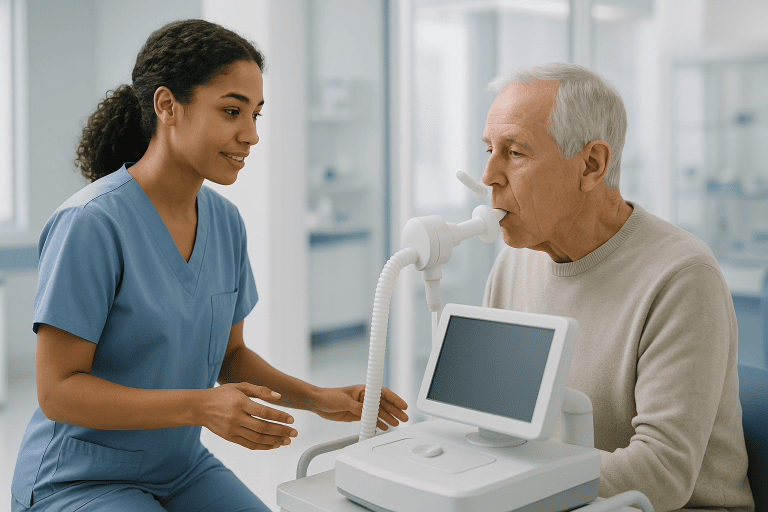
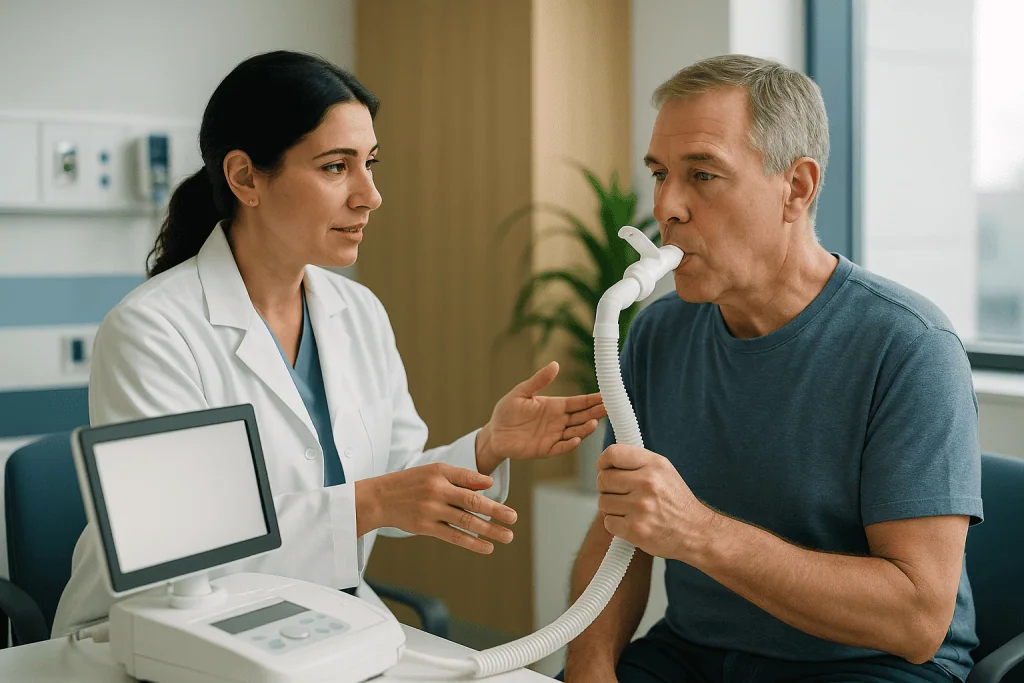
- Pulmonary function tests: These breathing tests measure how much air your lungs can hold, how quickly you can move air in and out, and how well oxygen passes from the lungs into the blood. In pulmonary fibrosis, lung volumes and the ability to transfer oxygen are typically reduced.
- Blood tests: These help look for autoimmune diseases and rule out other conditions. There is no single blood test that confirms pulmonary fibrosis.
- Oxygen measurements: A small clip on the finger, called a pulse oximeter, measures oxygen levels at rest and during a walking test, often a six-minute walk, to see how the lungs perform with activity.
- Bronchoscopy: In some cases, doctors pass a thin, flexible tube through the nose or mouth into the airways to collect fluid or small tissue samples. This can help exclude infection or identify other lung conditions.
- Surgical lung biopsy: When imaging and other tests do not give a clear answer, a surgeon may remove small pieces of lung tissue for examination under a microscope. This is usually done through small incisions with a camera, a technique called video-assisted thoracoscopic surgery. A biopsy is not needed for everyone.
Because interpreting these findings can be complex, many centers use a multidisciplinary approach, in which lung specialists, radiologists, and pathologists review the case together to agree on a diagnosis. At hospital groups such as Acibadem, this evaluation is typically coordinated by the pulmonology department, which specializes in lung diseases.
Treatment options
Pulmonary fibrosis treatment focuses on slowing the progression of scarring, relieving symptoms, treating any underlying cause, and maintaining quality of life. Existing scar tissue generally cannot be removed or reversed, so the goals of treatment are realistic management rather than cure. Care is usually directed by a lung specialist, called a pulmonologist; you can read more about this specialty on the pulmonology department page.
Monitoring and watchful waiting
In some people with very mild disease or uncertain findings, doctors may recommend careful monitoring before starting medication. This usually involves repeat breathing tests and scans at regular intervals to see whether the condition is stable or progressing. Monitoring continues throughout treatment as well, so that the plan can be adjusted if the disease changes.
Medications
Two antifibrotic medications, pirfenidone and nintedanib, are approved for idiopathic pulmonary fibrosis and, in some situations, for other progressive fibrosing lung diseases. These drugs do not repair existing scarring, but in many patients they can slow the rate at which lung function declines. They can cause side effects such as nausea, diarrhea, loss of appetite, liver enzyme changes, and, with pirfenidone, sensitivity to sunlight, so regular follow-up and blood tests are needed. When pulmonary fibrosis is caused by an autoimmune disease or by hypersensitivity pneumonitis, doctors may instead use medications that calm the immune system, such as corticosteroids or other immunosuppressants. Treating acid reflux and managing cough may also be part of the plan for some patients.
Oxygen therapy
As the disease advances, blood oxygen levels may fall, first during activity and later at rest. Supplemental oxygen, delivered through a small tube under the nose from a portable or home device, can reduce breathlessness, protect the heart from strain, and help people stay active. Oxygen does not stop the scarring, but it is an important supportive treatment.
Pulmonary rehabilitation
Pulmonary rehabilitation is a structured program of supervised exercise, breathing techniques, education, and nutritional advice designed for people with chronic lung disease. In many cases it improves stamina, reduces the sensation of breathlessness, and supports emotional well-being, even though it does not change the scarring itself.
Lung transplantation
For selected patients with advanced disease who are otherwise in reasonably good health, lung transplantation may be an option. Transplantation can substantially improve breathing and survival for suitable candidates, but it is major surgery with significant risks, requires lifelong medication to prevent rejection, and is limited by donor organ availability. Doctors typically discuss referral for transplant evaluation early in the course of progressive disease, because the assessment process takes time.
Vaccinations and general health measures
Because respiratory infections can be especially dangerous for people with scarred lungs, doctors usually recommend staying up to date with influenza, pneumococcal, and COVID-19 vaccinations. Stopping smoking is essential for anyone who smokes, and avoiding further exposure to harmful dusts or triggers is important when an environmental cause is suspected.
Palliative and supportive care
Palliative care focuses on relieving symptoms such as breathlessness, cough, and anxiety, and on supporting patients and families. It can be provided alongside all other treatments at any stage of the disease, not only at the end of life.
Living with pulmonary fibrosis and outlook
Pulmonary fibrosis is a serious, usually progressive condition, and it is natural to have questions about the future. The outlook varies widely. Some people live for many years with slowly changing disease, while others experience faster decline. Factors that influence prognosis include the type and cause of fibrosis, how advanced it is at diagnosis, the rate of change over time, age, other health conditions, and response to treatment. Idiopathic pulmonary fibrosis has historically had a more difficult outlook than some other forms, but antifibrotic medications, oxygen therapy, rehabilitation, and transplantation have improved what care can offer. No doctor can predict an individual’s course with certainty, and published averages do not necessarily apply to any single person.
Day to day, many people find that pacing activities, using oxygen as prescribed, staying as physically active as their condition allows, eating well, and attending regular follow-up appointments help them maintain independence for longer. Emotional support matters too: anxiety and low mood are common with chronic breathlessness, and counseling or patient support groups can be genuinely helpful. Keeping a written record of symptoms, oxygen readings, and questions can make medical visits more productive.
Frequently asked questions
What is pulmonary fibrosis in simple terms?
Pulmonary fibrosis is scarring of the lung tissue. Healthy lungs are soft and elastic, which lets them expand easily and pass oxygen into the blood. In pulmonary fibrosis, scar tissue makes the lungs stiff and thickens the walls of the air sacs, so breathing becomes harder and oxygen levels can fall, especially during activity.
Can pulmonary fibrosis be cured or can the lungs heal?
At present there is no cure for pulmonary fibrosis, and scar tissue that has already formed generally cannot heal or be reversed. However, treatment can often slow further scarring, ease symptoms, and help people stay active. In carefully selected patients with advanced disease, lung transplantation can replace the scarred lungs, although it carries its own significant risks and requirements.
How serious is pulmonary fibrosis?
Pulmonary fibrosis is a serious condition because the scarring tends to progress and reduces the lungs’ ability to supply oxygen to the body. How quickly it progresses varies greatly between individuals, and some forms behave differently from others. Regular monitoring allows doctors to track changes and adjust treatment, which is why ongoing specialist follow-up is strongly recommended.
What are the first pulmonary fibrosis symptoms people usually notice?
The most common early symptoms are breathlessness during exertion and a persistent dry cough. Because these signs develop gradually and can resemble normal aging or being out of shape, diagnosis is often delayed. Anyone with breathlessness or a dry cough that persists for more than a few weeks should discuss it with a doctor.
What causes pulmonary fibrosis?
In many cases, no cause is found, and the condition is labeled idiopathic. Known pulmonary fibrosis causes and associations include long-term exposure to certain dusts and fibers, autoimmune diseases such as rheumatoid arthritis and scleroderma, some medications, radiation therapy to the chest, and inherited genetic factors. Smoking and older age increase the risk.
Is pulmonary fibrosis the same as COPD or lung cancer?
No. Chronic obstructive pulmonary disease (COPD) mainly involves narrowed airways and damaged air sacs that make it hard to breathe air out, while pulmonary fibrosis involves stiff, scarred lung tissue that limits how the lungs expand and transfer oxygen. Pulmonary fibrosis is not cancer, although people with lung scarring may have a somewhat higher risk of lung cancer and are usually monitored with periodic imaging.
Can I exercise with pulmonary fibrosis?
In many cases, yes, and gentle regular activity is often encouraged. Supervised programs such as pulmonary rehabilitation are designed to help people with lung disease exercise safely, sometimes with supplemental oxygen. Your doctor can advise what level of activity is appropriate for your situation and whether your oxygen levels should be checked during exertion.
When to see a doctor
Make an appointment with a doctor if you have breathlessness during activities that used to feel easy, a dry cough lasting more than a few weeks, unexplained fatigue, or changes in the shape of your fingertips or nails. Early evaluation matters, because starting treatment sooner may help preserve lung function.
Seek urgent medical care, or emergency services if necessary, if you or someone with pulmonary fibrosis experiences any of the following red-flag warning signs:
- Sudden or rapidly worsening shortness of breath over hours or days, which may signal an acute exacerbation, infection, or a blood clot in the lungs
- Chest pain or pressure, particularly if it is new, severe, or accompanied by breathlessness
- Blue or gray discoloration of the lips, face, or fingertips, which can indicate dangerously low oxygen levels
- Coughing up blood, even in small amounts
- High fever with worsening cough or breathlessness, which may indicate a lung infection
- Confusion, extreme drowsiness, or fainting, which can occur when the body is not getting enough oxygen
- A significant drop in home oxygen readings despite using oxygen as prescribed
People already diagnosed with pulmonary fibrosis should follow the monitoring schedule their care team recommends and report any noticeable change in breathing, cough, or oxygen needs between visits. Prompt attention to worsening symptoms gives doctors the best chance to identify treatable complications early.
Medically reviewed by the Acıbadem International Medical Board September 2, 2026
See our medical review board →
Update history
- PublishedJune 8, 2026
- Medical review approvedSeptember 2, 2026
- Last content updateSeptember 2, 2026