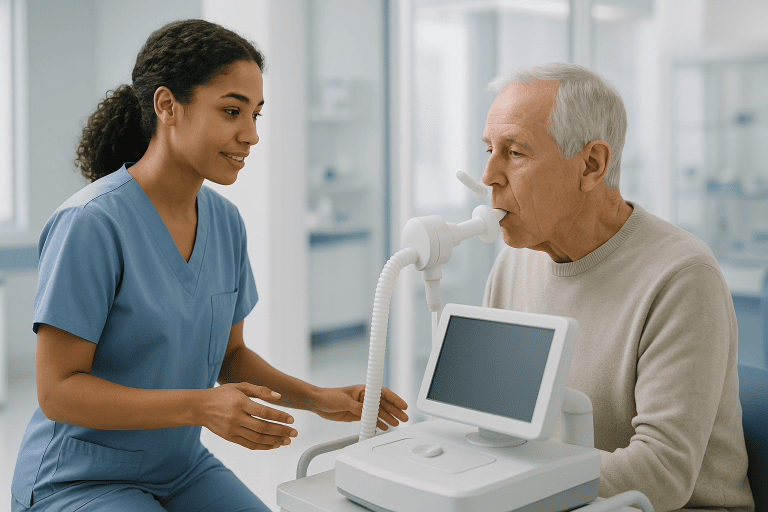
Lung Infection Treatment
Lung infection care diagnoses and treats pneumonia, bronchitis or other respiratory infections with examinations, imaging, lab tests and targeted medicines to relieve symptoms and prevent complications.
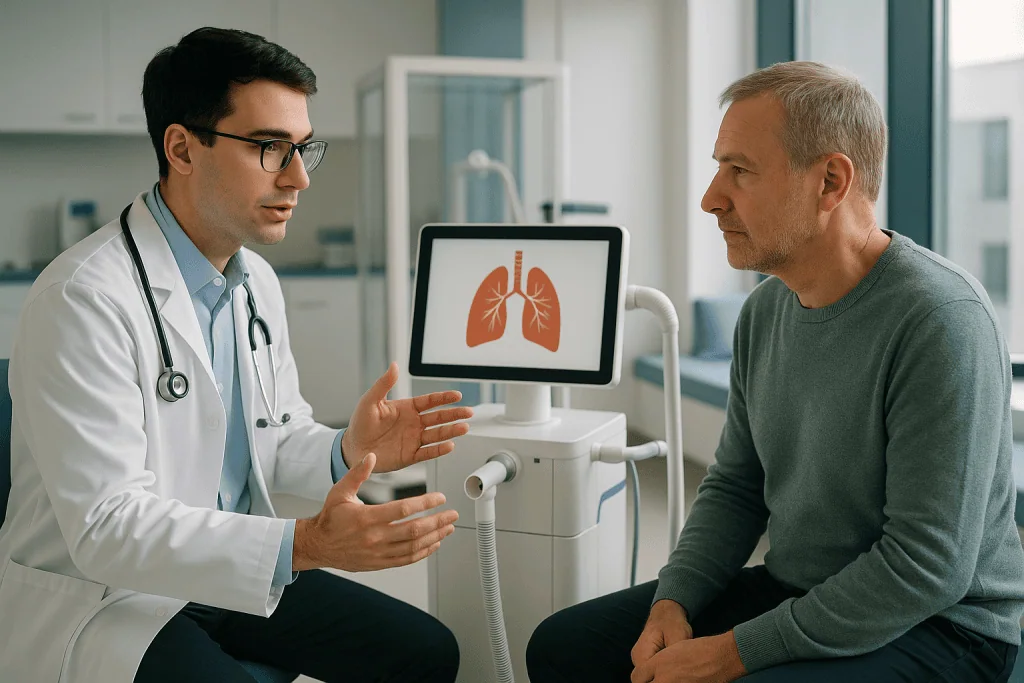
Quick answer
A lung infection is an infection of the airways, the lung tissue or both; pneumonia, its most serious common form, fills the air sacs with inflammatory fluid. Care involves confirming the cause through examination, imaging and laboratory tests, then matching treatment, antibiotics, antivirals, antifungals, oxygen support or supportive care, to the organism, the severity of illness and the patient's overall health.
Pneumonia and Other Lung Infections: More Than a Cough
A lung infection is an infection of the airways, the lung tissue, or both. Pneumonia, infection of the lung tissue itself, in which the small air sacs fill with inflammatory fluid, is the most significant common form. Lung infection care covers the evaluation, diagnosis, treatment and follow-up of these conditions, from mild bronchitis that settles with rest and fluids to severe pneumonia that needs oxygen, intravenous medication and close hospital monitoring.
Most lung infections begin in a familiar way: a cough that will not settle, fever, chest tightness, unusual fatigue, or breathlessness after a simple activity. The first question most people ask is whether this is “just bronchitis” or something more serious, such as pneumonia. For people living far from home, older adults, those with chronic conditions, and families caring for a child or a vulnerable relative, that uncertainty is genuinely stressful, and the question is a fair one, because the two illnesses can start in exactly the same way.
The difficulty is that the symptoms of a lung infection overlap with those of asthma, chronic obstructive pulmonary disease (COPD), heart disease, pulmonary embolism, COVID-19, influenza, tuberculosis and, occasionally, lung cancer. Some infections are mild and improve with supportive care alone. Others need targeted medication, oxygen support, hospitalisation or intensive care to prevent complications. A precise diagnosis matters because the right treatment depends on the cause, the severity of the illness, and your overall health, not on the loudness of the cough.
Well-organised lung infection care is built to answer the important questions quickly and in the right order. What type of infection is present? How much of the lung is affected? Is the oxygen level normal? Is the cause bacterial, viral, fungal, or another condition that merely imitates infection? Does this patient need outpatient treatment, hospital observation, or intensive care? Working through those questions systematically is what separates a tailored treatment plan from a one-size-fits-all prescription.
What Is Pneumonia?
Pneumonia is an infection of the lung tissue in which the alveoli, the small air sacs where oxygen passes into the bloodstream, become inflamed and fill with fluid or pus. That fluid is what makes breathing harder and oxygen levels fall. Pneumonia can involve a small segment of one lung, an entire lobe, or both lungs at once, and it can be caused by bacteria, viruses, fungi or, less often, other organisms. There is a dedicated page on pneumonia as a specific diagnosis; this page places it in the wider context of lung infections.
It helps to see pneumonia as one end of a spectrum. In acute bronchitis, inflammation mainly affects the larger airways, causing cough and mucus production while usually leaving the air sacs intact. In pneumonia, the infection reaches the working tissue of the lung itself. The distinction matters for treatment: most bronchitis is viral and settles without antibiotics, while bacterial pneumonia usually requires them. Telling the two apart reliably needs an examination and, in many cases, a chest X-ray, symptoms alone are not enough.
How does a person get pneumonia?
Most people get pneumonia by breathing in droplets or fine particles carrying bacteria or viruses, or when organisms that normally live harmlessly in the nose and throat slip down into the lower airways. Less commonly, infection reaches the lung through aspiration of food, saliva or stomach contents, or spreads to the lung through the bloodstream. Pneumonia also frequently follows a viral illness such as influenza, when the airways’ defences are temporarily weakened and bacteria take advantage.
Healthy lungs have strong defences: the cough reflex, the mucus lining of the airways, and immune cells that patrol the air sacs. Pneumonia usually develops when those defences are overwhelmed by a large or aggressive dose of organisms, or when they are weakened by age, smoking, chronic illness, sedation, swallowing problems, recent surgery or immune suppression. That is why the same virus or bacterium can cause a trivial cold in one person and pneumonia in another.
Is pneumonia contagious?
Pneumonia itself is not passed from person to person, but many of the germs that cause it are. Respiratory viruses such as influenza, COVID-19 and respiratory syncytial virus spread readily between people, and any of them can lead to pneumonia in a vulnerable person. The bacteria behind many pneumonias also spread through droplets, although most people exposed to them develop a milder illness or no illness at all. Tuberculosis is a specific, genuinely contagious lung infection with its own testing and treatment pathway.
The same logic answers the broader question of whether lung infections are contagious in general: bronchitis caused by respiratory viruses is contagious in the everyday sense, while aspiration pneumonia and most fungal lung infections are not, because they arise from a person’s own secretions or from the environment rather than from another person.
What are the four stages of pneumonia?
The four classical stages of pneumonia, congestion, red hepatisation, grey hepatisation and resolution, describe how untreated bacterial pneumonia of a whole lobe evolves at the tissue level. In congestion, the affected lung fills with fluid and organisms. In red hepatisation, red blood cells and immune cells pack the air sacs until the lung tissue becomes firm. In grey hepatisation, the red cells break down while immune cells continue clearing the infection. In resolution, the debris is gradually reabsorbed and coughed up, and the air sacs reopen.
Modern, treated pneumonia rarely marches through these textbook stages, because effective medication interrupts the process early. The stages remain useful for one practical reason: they explain why the lung needs time to clear itself even after fever has settled, and why cough and fatigue routinely outlast the infection itself.
What Lung Infection Care Involves
Lung infection care is the medical evaluation, diagnosis, treatment and follow-up of infections affecting the respiratory system. It commonly includes care for pneumonia, acute bronchitis, bronchiolitis, influenza-related lung complications, COVID-19-related respiratory infection, aspiration-related infection, and infections that occur in people with underlying lung disease or weakened immune systems.
The lungs contain branching airways and delicate air sacs where oxygen enters the bloodstream. When bacteria, viruses, fungi or other organisms infect these structures, inflammation develops. Some infections are limited to one area of the lung; others are widespread or affect both lungs. Treatment begins with identifying the likely cause and the severity. A mild viral bronchitis may need no antibiotics at all and can be managed with hydration, fever control, inhaled medication where appropriate, and observation. Bacterial pneumonia usually requires antibiotics chosen according to the clinical setting, local and international treatment protocols, allergies, prior medication use and risk factors for resistant organisms. Severe infections may require intravenous medication, oxygen therapy, respiratory support, fluid management and a multidisciplinary team.
Modern lung infection care is not limited to prescribing medicine. It also involves monitoring oxygen saturation, checking whether the infection is actually improving, identifying complications early, reviewing vaccination status, managing chronic lung and heart conditions alongside the infection, and planning sensible follow-up. For some patients, the single most valuable intervention is early recognition of deterioration and a rapid step up in the level of care before complications take hold.
Symptoms of Pneumonia and Other Lung Infections
The symptoms of pneumonia typically include fever, a cough that may bring up discoloured phlegm, breathlessness, and chest pain that sharpens when you breathe in or cough. Other lung infections share much of this picture, which is why the pattern and progression of symptoms often matter more than any single complaint. Common symptoms across the range of lung infections include:
- Persistent cough, with or without mucus or phlegm
- Fever, chills, sweating, or feeling unusually weak
- Shortness of breath, rapid breathing, or difficulty taking a deep breath
- Chest discomfort, especially pain that worsens with coughing or breathing
- Wheezing or a feeling of tightness in the chest
- Fatigue, loss of appetite, body aches, or dehydration
- Confusion, dizziness, or reduced alertness in older adults
- Blue lips, very low oxygen readings, or severe breathing distress, features of critical illness that hospitals treat as emergencies
How do you know if you have a lung infection?
You cannot reliably tell a lung infection apart from other chest conditions, or bronchitis apart from pneumonia, by symptoms alone; a clinical examination and, where needed, a chest X-ray settle the question. Certain patterns do make infection more likely: fever combined with a new cough, phlegm that changes colour or volume, breathlessness that is new for you, and crackles or reduced breath sounds when a doctor listens to the chest. But every one of those findings has other explanations, from a COPD flare to fluid from heart strain, which is why honest lung infection care leans on testing rather than assumption.
What are the first warning signs of pneumonia?
The first warning signs of pneumonia usually form a worsening pattern rather than a settling one: fever that climbs or returns after a period of improvement, a cough that becomes productive or painful, breathlessness at rest or on minimal exertion, a rising breathing rate, and exhaustion out of proportion to a normal cold. A particularly telling story is a flu-like illness that had started to improve and then delivers a second wave of fever with new chest pain: a common signature of bacterial pneumonia developing on top of a viral infection.
Pneumonia symptoms in older adults deserve a separate note, because they are often quieter and easier to miss. An older person may have little or no fever and no dramatic cough; instead, the infection can show itself as new confusion, reduced alertness, loss of appetite, unsteadiness or a fall. This muted presentation is one reason pneumonia in older adults is frequently diagnosed later, at a more advanced stage, than in younger patients.
Who May Need Evaluation and Treatment
Anyone can develop a lung infection, but the need for medical evaluation depends on the symptoms, the person’s age, their underlying health conditions and how quickly the illness is progressing. A cough with mild congestion often improves with supportive care alone. Symptoms that are new, severe or persistent, or respiratory illness in a high-risk person, sit at the more serious end of that spectrum, where careful testing and clinical judgement earn their keep.
Diagnosis starts with a detailed history and physical examination. The physician will ask when symptoms began, whether there has been fever, what the cough sounds like, whether sputum is present, and whether there has been contact with sick people, recent travel, aspiration risk, recent hospitalisation or previous lung disease. The examination includes listening to the lungs for crackles, wheezing, reduced breath sounds or signs of fluid accumulation around the lung.
Depending on the situation, testing may include a chest X-ray, chest computed tomography when more detail is needed, blood tests to assess inflammation and organ function, oxygen saturation measurement, sputum testing, blood cultures, viral testing, and specific tests for influenza, COVID-19 or tuberculosis. In more complex cases, pulmonary function assessment, bronchoscopy, or consultation with infectious diseases, pulmonology, intensive care or radiology specialists may be appropriate.
Some groups need a more urgent or more comprehensive assessment from the outset: infants, older adults, pregnant patients, and people with chronic lung disease, heart disease, diabetes, kidney disease, cancer, an organ transplant, immune suppression, neurological conditions that affect swallowing, or a history of recurrent pneumonia. People who have recently been in hospital, taken antibiotics, or developed symptoms after surgery also warrant a more detailed work-up, because the range of possible organisms, and possible complications, is different in these settings.
Conditions and Indications Addressed
Lung infection care covers a broad group of respiratory infections and their complications. The central task is always the same: distinguish the conditions that can be safely managed at home from those that need close monitoring or hospital treatment, and find the cause when infections behave unusually or keep coming back.
Community-acquired pneumonia develops outside the hospital and may be caused by bacteria, viruses or a mixture of both. Symptoms typically include fever, cough, chest pain and breathlessness. Some cases are mild; others progress quickly, especially in older adults and people with chronic illness, which is why the severity assessment matters as much as the diagnosis itself.
Acute bronchitis is inflammation of the airways, most often viral, that can leave a cough lingering for several weeks. Antibiotics are frequently unnecessary, so careful assessment serves two purposes at once: it spares patients medication they do not need, and it picks out the minority whose symptoms actually point to pneumonia, an asthma or COPD flare, or another condition altogether.
Hospital-acquired and healthcare-associated pneumonia occur in patients recently hospitalised, receiving long-term care, or exposed to medical devices. These infections can involve different, sometimes resistant bacteria, and typically require more specialised antibiotic decisions and closer monitoring than infections picked up in the community.
Aspiration pneumonia develops when food, saliva, stomach contents or other material enters the lungs. It is more common in people with swallowing difficulty, neurological disease, reflux, reduced consciousness, or after certain procedures. Treatment may involve antibiotics, a formal swallowing evaluation, and prevention strategies aimed squarely at stopping the next episode.
Viral respiratory infectionsinfluenza, COVID-19, respiratory syncytial virus and others, can inflame the lungs directly or open the door to secondary bacterial infection. Treatment depends on the specific virus, how early in the illness the patient presents, individual risk factors, oxygen status and whether complications have developed.
Fungal and opportunistic lung infections occur mainly in people with weakened immune systems, particular occupational or environmental exposures, or specific underlying diseases. They often need advanced imaging, targeted laboratory testing and specialist input, and they raise questions that patients search for constantly, answered honestly below.
How serious is a fungal infection in the lungs?
A fungal infection in the lungs can be anything from a mild, self-limited illness to a life-threatening emergency, and the deciding factor is usually the state of the immune system rather than the fungus itself. Healthy people who inhale environmental fungi often clear the infection with few or no symptoms. In people with significant immune suppression, after transplantation, chemotherapy or long-term steroid treatment, invasive fungal infection can progress rapidly and requires prompt, specific antifungal treatment and close monitoring. Because the stakes vary so widely, a suspected fungal infection is never a diagnosis to make or dismiss on symptoms alone.
What are the symptoms of a fungal lung infection?
The symptoms of a fungal lung infection are usually slower and vaguer than those of bacterial pneumonia: a cough that persists for weeks, low-grade fever, night sweats, weight loss, fatigue, and sometimes chest pain or blood-streaked sputum. That subacute pattern overlaps heavily with tuberculosis and with some lung tumours, which is exactly why persistent symptoms of this kind justify imaging and specific laboratory testing rather than repeated courses of standard antibiotics that were never going to work.
What causes yeast infections in the lungs?
True yeast infections of the lungs are rare and occur almost exclusively in people whose immune defences are severely weakened. Finding Candida in a sputum sample usually reflects harmless colonisation from the mouth and throat, not lung infection; genuine Candida pneumonia typically arises through the bloodstream in critically ill patients. Cryptococcus, a yeast inhaled from the environment, can infect the lungs, again mainly in immunosuppressed people. In an otherwise healthy person with a cough, a yeast infection is a very unlikely explanation, and the more common causes deserve to be excluded first.
What kind of infections cause lung nodules?
Infections that cause lung nodules include tuberculosis, fungal infections such as histoplasmosis, coccidioidomycosis, cryptococcosis and aspergillosis, a rounded lung abscess, septic emboli that travel to the lung through the bloodstream, and healed granulomas left behind by past infection. Nodules always deserve a careful work-up because infection is only one possibility: they must be distinguished from early lung cancer, which is done by comparing older imaging where it exists, arranging interval follow-up scans, and in selected cases proceeding to biopsy.
Recurrent lung infections call for a broader investigation than any single episode. Repeated pneumonia may trace back to undiagnosed asthma, COPD, bronchiectasis, immune deficiency, aspiration, airway obstruction, smoking-related lung disease or a structural lung problem. In these patients, treatment is never only about the current infection; the real question is why infections keep returning, and answering it is what breaks the cycle.
How Lung Infection Care Is Performed
Preparation and Initial Assessment
The care pathway begins with triage: establishing how sick the patient is and whether immediate support is needed before any other question is answered. Vital signs are checked, temperature, heart rate, respiratory rate, blood pressure and oxygen saturation. If oxygen is low or breathing is laboured, oxygen support begins before the test results are back, not after.
The physician then reviews the medical history: current medications, allergies, vaccination status, smoking history, recent antibiotic use, recent hospitalisation, travel, occupational exposure and immune status. For patients who have been treated elsewhere, previous test results, imaging, prescriptions and discharge summaries are particularly valuable; digital copies of earlier chest imaging let specialists compare current findings against a baseline and avoid duplicating tests. Initial testing is matched to severity: a chest X-ray to look for pneumonia, fluid or lung collapse; chest CT when the X-ray is unclear, symptoms are severe, complications are suspected, or the patient has recurrent infections or underlying lung disease; and blood tests to gauge inflammation, hydration, and kidney and liver function.
Identifying the Cause
Not every lung infection needs the same tests. A stable patient with typical mild symptoms may need very little beyond examination and basic assessment. Where pneumonia is suspected, or the patient carries higher risk, testing may extend to sputum culture, blood cultures, viral polymerase chain reaction panels, antigen tests and inflammatory markers. These results let physicians confirm the organism, narrow the treatment, and step down from broad medication to targeted medication, one of the quiet disciplines that separates good infection care from reflexive prescribing.
In selected cases, bronchoscopy is used to examine the airways directly and to take samples from deeper in the lungs. It is generally reserved for complex situations: severe infection, suspected airway blockage, pneumonia that recurs in the same part of the lung, unusual organisms, immune suppression, or an infection that is not responding to treatment as expected. The decision is individual, and it turns on a single question, will the result change what we do?
Treatment Planning
Treatment follows from the likely diagnosis, the oxygen level, the extent of lung involvement and the patient’s risk factors. Some patients are treated as outpatients with oral medication, fever control, hydration, inhaled therapy where appropriate, and a clear explanation of what improvement should look like. Others need hospital care for intravenous medication, oxygen support, close monitoring, or treatment of related problems such as dehydration, sepsis, heart strain or a worsening COPD flare.
Antibiotics are used when bacterial infection is likely or confirmed, and the choice may be adjusted once culture results return or if improvement is slower than expected. Selected viral infections are treated with antivirals, particularly when therapy starts early or the patient is high-risk. Fungal infections need specific antifungal medicines and careful monitoring. Where wheezing or airway narrowing is present, inhaled bronchodilators or anti-inflammatory medication may be added. Supportive care, fever management, fluids, nutrition, breathing exercises and mobilisation as tolerated, carries more of the recovery than most patients expect. Every decision about starting, adjusting or stopping a medicine, including the length of an antibiotic course, belongs to the treating doctor, because it depends on results and progress that only the clinical team can see.
Severe pneumonia is a team illness. Pulmonology, infectious diseases, internal medicine, intensive care, radiology, pharmacy, physiotherapy and nursing may all contribute, and multidisciplinary discussion keeps the imaging, laboratory findings and treatment decisions aligned, especially when the infection is complicated by respiratory failure, resistant organisms, immune suppression or other serious illness.
Technology Used in Diagnosis and Monitoring
Technology earns its place in lung infection care by answering clinically meaningful questions, not by generating more tests. Digital chest radiography gives a rapid overview of infection patterns. CT imaging shows lung tissue, airways, fluid collections, abscesses, blood clots or alternative diagnoses in far more detail when that detail will change management. Ultrasound helps evaluate pleural fluid around the lung and guides drainage when fluid becomes infected or compresses the lung.
Laboratory platforms test blood, sputum and respiratory samples for signs of infection and for specific pathogens; molecular testing can identify certain viruses and bacteria faster than traditional culture in selected cases. Continuous or repeated oxygen monitoring shows whether a patient is stable, improving or drifting towards needing more support. In hospital, electronic monitoring and respiratory therapy tools assist with oxygen delivery, nebulised treatments, airway clearance and, most importantly, early recognition of deterioration.
Typical Duration of Care
Duration depends on the type and severity of infection. Many mild lung infections are dealt with in a single outpatient visit, with follow-up arranged if symptoms persist. Uncomplicated bacterial pneumonia is usually treated over several days, with improvement expected gradually rather than overnight. Hospital stays vary widely with oxygen needs, fever, response to medication and underlying conditions, and severe infections may need extended observation followed by rehabilitation support after the acute phase has passed.
Why Acting Early Matters
Lung infections can progress from a manageable illness to a serious one, and the window in which treatment is simple does not stay open indefinitely. Pneumonia reduces the amount of oxygen entering the bloodstream, strains the heart and triggers systemic inflammation. In vulnerable patients, infection can spread into the bloodstream and lead to sepsis. Fluid may accumulate around the lung and itself become infected, requiring drainage. A lung abscess, respiratory failure, a severe flare of chronic lung disease, or prolonged weakness after the infection are all recognised complications.
Delay makes treatment more complicated in predictable ways. A patient who starts with mild breathlessness may later need hospital admission when oxygen levels fall. An untreated bacterial infection extends. A viral infection acquires a secondary bacterial pneumonia. And a recurrent infection quietly hides an underlying condition that stays untreated until it announces itself more severely.
Acting early does not mean that every cough needs advanced testing or antibiotics, most do not. It means recognising when symptoms deserve medical assessment and choosing the right level of care at the right time. Persistent fever, breathing difficulty, chest pain, confusion, low oxygen readings, bloody sputum, dehydration, or any significant respiratory illness in a high-risk person are the features clinicians weigh when deciding between home care, urgent assessment and hospital admission. Timely evaluation shortens the period of severe illness and leaves patients recovering with a plan instead of a guess.
Benefits of Lung Infection Treatment
Appropriate treatment relieves symptoms, addresses the cause of infection, and reduces the risk of complications when the care is matched honestly to the patient’s condition rather than delivered as a standard package.
| Benefit | What It Means for You |
|---|---|
| Accurate diagnosis | Testing distinguishes bronchitis, pneumonia, viral illness, aspiration, a chronic lung disease flare, and other causes of respiratory symptoms. |
| Targeted medication | Antibiotics, antivirals, antifungals or supportive treatments are selected according to the likely cause, severity, allergies and risk factors. |
| Improved breathing support | Oxygen therapy, inhaled medications, airway clearance and monitoring help stabilise patients whose breathing is affected. |
| Lower risk of complications | Early recognition of worsening infection, fluid around the lung, sepsis or respiratory failure allows faster intervention. |
| Personalised follow-up | Patients with persistent cough, recurrent infection or abnormal imaging receive further evaluation to identify underlying causes. |
Recovery Timeline After a Lung Infection
Recovery differs from person to person, but most patients follow a broadly similar pattern as fever, breathing, cough and energy improve in that order, with the cough usually the last to leave.
| Time Period | What Patients Can Expect |
|---|---|
| Day 1 | Evaluation focuses on diagnosis, oxygen level, symptom severity, and whether outpatient or hospital-based treatment is safest. |
| First Week | Fever and severe discomfort usually begin to improve with appropriate care, though cough and fatigue often continue. |
| First Month | Breathing and stamina improve gradually. Some patients need follow-up visits, medication adjustment, or repeat imaging. |
| Longer Term | Most patients return to their usual activities progressively, while those with severe pneumonia or underlying lung disease may need rehabilitation or further investigation. |
How long does it take to get over pneumonia?
Getting over pneumonia takes longer than most people expect, and the honest answer is measured in weeks, not days. Fever and severe body aches usually improve first with effective treatment; the cough and the fatigue last longer, because inflamed lung tissue needs time to clear and heal. A young, otherwise healthy adult may feel largely themselves within a few weeks, while an older person, or anyone who needed hospital care, may need considerably longer to regain stamina. Follow-up imaging is recommended for certain patients, smokers, older adults, those with persistent symptoms or recurrent infection, to confirm the pneumonia has resolved and to make sure nothing else was hiding behind it.
Factors That Influence Outcomes
The outcome of a lung infection depends on far more than the organism causing it. Age, baseline lung function, immune status, smoking history, heart health, diabetes, kidney function, nutrition, hydration and, critically, how early treatment begins all shape recovery. A young, healthy adult with mild pneumonia typically recovers without drama; an older patient with COPD, heart disease or immune suppression needs closer monitoring and a longer runway back to normal life.
The type of infection matters too. Viral bronchitis is usually self-limited, even though the cough persists. Bacterial pneumonia generally responds well when the right antibiotic is chosen and the patient is monitored properly. Resistant bacteria, fungal infections, tuberculosis, aspiration, or infection acquired in hospital demand a more complex plan, and the initial medication sometimes needs adjusting when laboratory results return or improvement is slower than expected. That mid-course adjustment is a normal part of good care, not a sign that something has gone wrong.
Following the agreed treatment plan is another significant factor: keeping up hydration, attending follow-up appointments, and completing the treatment course as directed by the treating physician, who is the right person to decide whether any medicine should be continued, changed or stopped. Recovery is rarely a straight line, worsening breathlessness, persistent fever, confusion, chest pain or falling oxygen readings during recovery are exactly the findings follow-up exists to catch, and careful review distinguishes normal healing from a developing complication.
Underlying causes must be addressed when infections recur. Repeated pneumonia may signal aspiration, bronchiectasis, airway obstruction, immune deficiency, uncontrolled reflux, chronic sinus disease or an undiagnosed lung condition, so a good result often requires both treating the current infection and building a prevention plan for the future. Vaccination against influenza, pneumococcal disease, COVID-19 and other relevant infections may be discussed by the physician, depending on age, risk factors and previous immunisation history.
Lifestyle and supportive measures carry real weight in recovery. Stopping smoking is one of the most important single steps anyone can take for lung health. Pulmonary rehabilitation and breathing exercises help after severe illness, and for patients who lost strength during a hospital stay, gradual activity, nutrition support and physiotherapy rebuild endurance. Patients with chronic lung conditions benefit from an updated action plan, an inhaler technique review and a monitoring strategy designed to reduce future flares.
Second Opinions and Personalised Planning
Personalised planning matters in lung infection care because the safest approach depends on the person, not the disease name. A patient with mild bronchitis, a patient with pneumonia after chemotherapy, a patient with COPD and low oxygen, and a patient with recurrent aspiration all need different levels of evaluation and treatment. Applying the same template to all four would overtreat some and dangerously undertreat others, which is why an individual assessment sits at the start of every sound plan.
A second opinion has a defined role here too. It reviews whether the diagnosis is complete, whether the medication plan fits the findings, whether further testing would change anything, and whether another condition is contributing, questions that become pressing when someone has received multiple antibiotic courses without a clear explanation for their repeated symptoms. For that review, previous imaging, laboratory results, prescriptions and discharge summaries are worth gathering in advance, because comparing current findings against an older baseline often answers questions that fresh testing alone cannot.
Clear communication is part of safe care rather than a courtesy. Understanding the diagnosis, the medication plan, the follow-up schedule and the expected course of recovery is what lets patients take part in their own care, keep supportive measures going at home, and distinguish the ordinary slow healing of a lung infection from a change that genuinely needs review at the next appointment.
A Careful Path Forward
A lung infection is unsettling because breathing sits at the centre of everything else. Good care starts with careful listening, moves to an accurate diagnosis, and makes treatment decisions on evidence rather than assumption. Whether the concern is bronchitis, pneumonia, a viral illness, recurrent lung infections or a complicated respiratory disease, a timely and honest evaluation reduces risk, and replaces uncertainty with a plan you can actually follow.
Preparation
- Patients may need a physical examination, chest imaging, blood tests, sputum testing or oxygen level measurement. Bring previous medical records, current medicines and allergy information. Tell the doctor about pregnancy, chronic lung disease, immune problems or recent travel.
Aftercare
- Take prescribed antibiotics, antivirals or inhaled medicines exactly as directed and complete the course. Rest, drink fluids and avoid smoking or polluted air. Seek urgent care for worsening shortness of breath, high fever, chest pain, confusion or low oxygen levels.
Frequently Asked Questions
What affects the cost of lung infection care?
The main factors are the severity of infection, whether care is outpatient or inpatient, the need for imaging and laboratory tests, medication type, oxygen or respiratory support, and length of hospital stay. Travel, interpreter support, and follow-up arrangements can also affect the total quote.
How can I get a personalised quote from Acibadem?
You can request a free consultation and share your symptoms, medical history, recent test results, imaging reports, and current medicines. The international patient team can help arrange specialist review and provide a personalised estimate based on the recommended care pathway.
Is a hospital package available for lung infection treatment?
A package may be possible for planned outpatient evaluation or a defined diagnostic pathway, but severe or changing infections may require itemised billing because tests, medicines, and hospital stay can change according to clinical response.
Will the quote include medicines and diagnostic tests?
This depends on the scope of the quote. Some estimates include consultation, selected tests, imaging, and standard coordination services, while additional medicines, advanced tests, admission, or intensive care may be quoted separately if needed.
Do I need to travel for lung infection care, or can I start with remote review?
A remote review may help determine urgency and plan the appropriate specialist visit, but diagnosis and treatment decisions often require physical examination, imaging, or laboratory tests. If you have severe shortness of breath, chest pain, confusion, or worsening symptoms, seek urgent local medical care.
Medically reviewed by the Acıbadem International Medical Board September 13, 2026
See our medical review board →
Update history
- PublishedJune 8, 2026
- Medical review approvedSeptember 13, 2026
- Last content updateSeptember 12, 2026
Trusted care for international patients
From the Acibadem Blog

What Does Lung Infection Recovery Look Like? The First Two Weeks of Treatment
Lung infection recovery time is measured in weeks, not days. With appropriate treatment, fever from pneumonia usually settles within about a week, chest pain…

Why Is Lung Infection Treatment Planned Differently for Older Adults?
Lung infection treatment is planned differently for older adults because aging changes how infections present, how the body clears them, and how medicines behave.…

When Does a Lung Infection Need Hospital Care? Oxygen Levels and Other Signals Doctors Use
A lung infection usually needs hospital care when the body can no longer keep up on its own: a blood oxygen reading that stays…