Quick answer
Wilms tumor is a kidney cancer that mainly affects children and is usually treated with a combination of surgery, chemotherapy, and sometimes radiotherapy based on the tumor’s stage and features. At Acibadem in Turkey, care is planned by pediatric oncology, pediatric surgery, and imaging specialists using comprehensive evaluation to guide diagnosis, treatment, and follow-up.
Overview
Wilms tumor is a type of kidney cancer that occurs mainly in children. It usually starts in one kidney, although in some cases both kidneys may be affected. The kidneys are two organs in the back of the abdomen that filter blood, remove waste, and help control fluid balance in the body.
Many children with Wilms tumor appear otherwise well, and the condition may first be noticed as a swelling or lump in the abdomen. Because childhood cancers are uncommon and symptoms can overlap with other conditions, evaluation by specialists is important. Care is usually provided by a team that may include pediatric oncologists, pediatric surgeons, radiologists, pathologists, and other child health professionals.
With modern medical care, Wilms tumor is often treated using a combination of approaches. The exact plan depends on factors such as the child’s age, whether one or both kidneys are involved, the tumor’s features under the microscope, and whether the disease has spread to other areas.
Symptoms
Symptoms of Wilms tumor can vary. Some children have no pain and seem active and healthy. Possible signs and symptoms include:
- A firm lump, swelling, or fullness in the abdomen
- Abdominal pain or discomfort
- Blood in the urine, which may or may not be visible
- Fever without a clear cause
- Reduced appetite or weight loss
- Nausea, vomiting, or constipation
- Tiredness or low energy
- High blood pressure found during a medical check
These symptoms do not always mean cancer. They can be caused by many different health problems. However, any persistent abdominal swelling or unexplained symptoms in a child should be assessed by a healthcare professional.
Causes and Risk Factors
The exact cause of Wilms tumor is not always known. It develops when some kidney cells grow in an abnormal and uncontrolled way. In many children, this happens without a clear reason and is not caused by anything the parents did or did not do.
In some cases, Wilms tumor is linked to changes in genes that affect kidney development before birth. Most children with Wilms tumor do not have a strong family history, but a small number may have inherited or genetic conditions that increase the risk.
Risk factors that may be associated with Wilms tumor include:
- Certain rare genetic syndromes
- Being born with specific differences in the urinary tract or reproductive organs
- Differences in growth or development, such as one side of the body being larger than the other
- A family history of Wilms tumor in close relatives
Children known to have certain risk conditions may need regular medical monitoring. A pediatric specialist can advise families about appropriate follow-up if a child has a condition linked to a higher risk of kidney tumors.
Diagnosis
Diagnosis begins with a medical history and physical examination. The doctor may gently examine the abdomen and ask about symptoms, growth, development, and family history. If a kidney tumor is suspected, further tests are usually needed to understand the size and location of the mass and whether it has affected other parts of the body.
Common diagnostic tests may include:
- Ultrasound of the abdomen to look at the kidneys and nearby structures
- Imaging scans such as CT or MRI to provide more detailed information
- Chest imaging to check for spread to the lungs
- Blood tests to assess general health and kidney function
- Urine tests to check for blood or other changes
A diagnosis is usually confirmed by examining tumor tissue. This may be done after surgery or, in selected cases, through a biopsy. The tissue is reviewed by a pathologist to identify the tumor type and its microscopic features. This information helps the medical team plan treatment.
Treatment Options
Treatment for Wilms tumor is personalized for each child. The main goals are to remove or control the tumor, protect as much kidney function as possible, and reduce the risk of the cancer returning. The plan may differ depending on the tumor stage, whether one or both kidneys are involved, and the tumor’s biological features.
Treatment options may include:
- Surgery to remove the tumor and, in many cases, the affected kidney or part of the kidney
- Systemic anti-cancer treatment to destroy cancer cells throughout the body
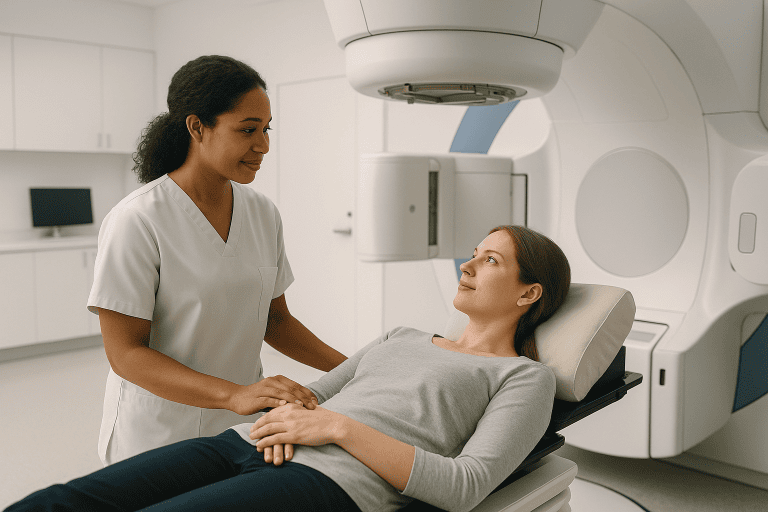
- Radiation therapy in selected cases, depending on the stage and tumor features
- Supportive care to manage symptoms, nutrition, emotional wellbeing, and treatment side effects
Children with Wilms tumor are usually treated in specialized centers experienced in pediatric cancer care. The treatment team will explain the recommended approach, possible side effects, expected hospital visits, and follow-up needs. Parents and caregivers are encouraged to ask questions and discuss concerns so they understand each part of the care plan.
After treatment, regular follow-up is important. Follow-up visits may include physical examinations, imaging, and tests to monitor kidney function and overall health. These visits help the care team detect any concerns early and support the child’s recovery and development.
When to See a Doctor
Parents or caregivers should seek medical advice if a child has persistent abdominal swelling, a firm lump in the abdomen, blood in the urine, unexplained fever, ongoing abdominal pain, or unusual tiredness. Prompt evaluation is especially important if symptoms continue or worsen.
Urgent medical care is needed if a child has severe abdominal pain, repeated vomiting, difficulty breathing, sudden weakness, or appears very unwell. These symptoms can have many causes, but they should be assessed without delay.
If a child has a known genetic syndrome or condition linked with a higher risk of kidney tumors, families should discuss monitoring with a pediatric specialist. Regular check-ups can help ensure that any concerning changes are evaluated as early as possible.
Frequently Asked Questions
What is Wilms tumor?
Wilms tumour, also called nephroblastoma, is a type of kidney cancer that occurs mainly in young children, most often before the age of five. It usually starts in one kidney, although in a small number of children both kidneys are affected. Many children appear otherwise well, and the condition is often first noticed as a painless swelling or lump in the abdomen.
What are the symptoms of Wilms tumor?
Possible signs include a firm lump, swelling or fullness in the abdomen, abdominal pain, blood in the urine that may or may not be visible, fever without a clear cause, reduced appetite or weight loss, nausea, vomiting or constipation, tiredness and high blood pressure found during a check-up. These symptoms do not always mean cancer, but persistent abdominal swelling in a child should be assessed by a doctor promptly.
What causes Wilms tumor?
The exact cause is not always known. The tumour develops when some kidney cells grow in an abnormal, uncontrolled way, usually without a clear reason and not because of anything the parents did. In some children it is linked to changes in genes that affect kidney development before birth. Certain rare genetic syndromes, congenital differences of the urinary tract or genitals, overgrowth of one side of the body and a family history can increase the risk.
How is Wilms tumor diagnosed?
Diagnosis begins with a medical history and a gentle physical examination of the abdomen. Ultrasound is usually the first imaging test, followed by CT or MRI to show the size and extent of the mass and whether the other kidney, blood vessels or lungs are involved. Blood and urine tests check kidney function and general health. In many treatment protocols the diagnosis is confirmed by examining the tumour under the microscope after surgery.
How is Wilms tumor treated?
Treatment usually combines surgery to remove the affected kidney or the tumour, chemotherapy and, in some cases, radiotherapy, depending on the stage and the tumour's features under the microscope. Care is planned by a team of paediatric oncologists, paediatric surgeons, radiologists and pathologists. Outcomes for most children are favourable with modern protocols, and long-term follow-up monitors kidney function, growth and any late effects of treatment.
Medically reviewed by the Acıbadem International Medical Board September 13, 2026
See our medical review board →
Update history
- PublishedJune 14, 2026
- Medical review approvedSeptember 13, 2026
- Last content updateSeptember 12, 2026