10 Warning Sign Poor Blood Poor Circulation in Legs Pictures: What Patients Need to Know

Poor leg circulation is a broad term that can involve arteries, veins, or both. Skin color, temperature, swelling, pain with walking, and slow-healing sores are useful warning signs.
Key Takeaways
- Poor leg circulation is a broad term that can involve arteries, veins, or both.
- Skin color, temperature, swelling, pain with walking, and slow-healing sores are useful warning signs.
- Photos can document changes over time, but they cannot reliably identify the underlying condition.
- Sudden one-sided swelling, a cold or pale leg, severe pain, or chest symptoms need urgent medical attention.
- Managing smoking, diabetes, blood pressure, cholesterol, and physical activity supports vascular health.
Pictures of poor circulation in the legs may show color changes, swelling, wounds, or visible veins, but images alone cannot diagnose a circulation problem. Recognizing warning signs can help a person seek timely medical assessment, especially when symptoms are sudden, painful, or associated with a non-healing wound.
Overview: What Leg Circulation Pictures Can and Cannot Show
The phrase “10 warning sign poor blood poor circulation in legs pictures” commonly refers to images of leg and foot changes that may occur when blood is not moving normally through the arteries or veins. Useful pictures may show pale, bluish, reddish-brown, or unusually shiny skin; swelling around the ankles; varicose veins; or sores on the feet and lower legs. However, similar-looking changes can also result from skin conditions, infection, injury, nerve problems, heart or kidney disease, and some medicines.
Healthy circulation delivers oxygen-rich blood through arteries and returns blood to the heart through veins. Arterial problems reduce blood flow to tissues, while venous problems make it harder for blood to return from the legs. These conditions can produce different patterns of symptoms, so a healthcare professional may need to examine pulses, skin, veins, sensation, and the overall medical history.
Taking a well-lit photo can be helpful if a color change, swelling, or wound is changing over days or weeks. A photo is most useful when it includes both legs for comparison and is shared with a clinician alongside details about pain, walking tolerance, fever, injury, and relevant health conditions. It should not delay assessment of urgent symptoms.
10 Warning Signs to Look For
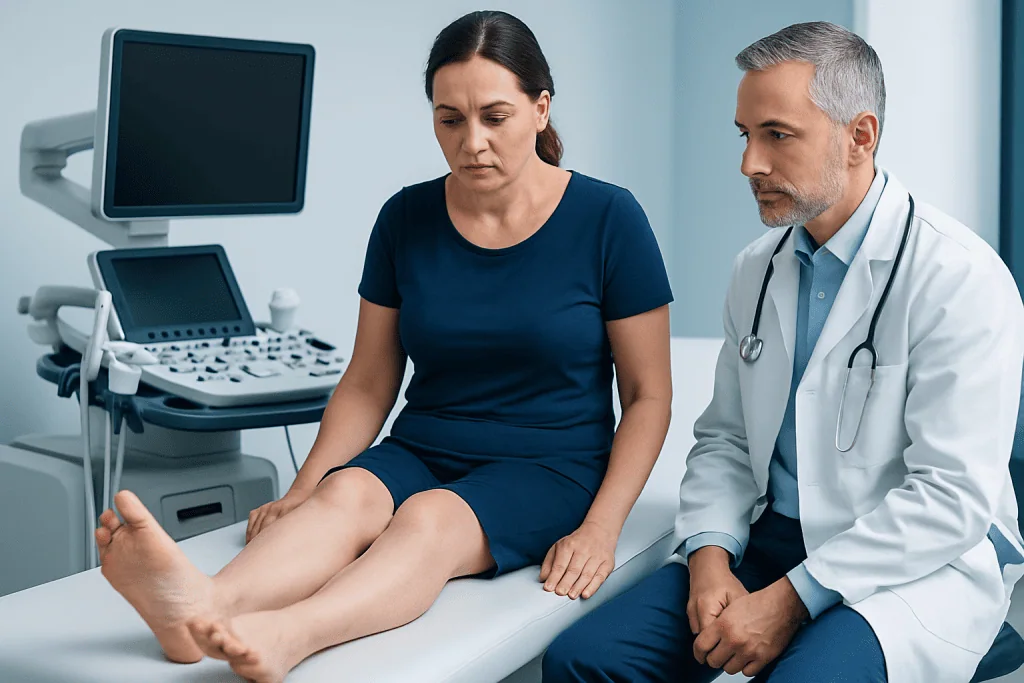
These ten signs can suggest that a circulation issue deserves medical attention. One sign alone does not confirm poor circulation, but a pattern of symptoms, especially in a person with diabetes, smoking history, high blood pressure, high cholesterol, or kidney disease, should be assessed.
- 1. Leg pain during walking: Cramping, aching, or tightness in the calf, thigh, or buttock that improves with rest may occur with reduced arterial blood flow.
- 2. Pain at rest: Persistent foot or toe pain, often worse at night or when lying flat, can be a more concerning arterial symptom.
- 3. A cold foot or lower leg: One side that consistently feels cooler than the other may need evaluation.
- 4. Pale, blue, purple, or dark skin: New or uneven color changes can reflect altered blood flow, although bruising and skin disorders can look similar.
- 5. Swelling: Ankle, foot, or calf swelling is more often linked to vein-related problems, fluid retention, or inflammation than to artery disease alone.
- 6. Varicose or spider veins: Enlarged, twisted surface veins can be associated with chronic venous insufficiency.
- 7. Skin texture changes: Shiny, thin, dry skin or reduced hair growth on the lower legs may accompany long-term arterial disease.
- 8. Slow-healing cuts or sores: Wounds on the toes, feet, ankles, or lower legs that do not improve need prompt review.
- 9. Numbness, tingling, or weakness: These symptoms can occur with circulation concerns but are also common in nerve conditions.
- 10. Heaviness, itching, or aching after standing: Symptoms that worsen later in the day and improve with elevation can suggest a venous cause.
Pictures may make discoloration, visible veins, swelling, or ulcers easier to notice. They usually cannot show reduced pulses, internal vein blockage, blood pressure in the ankles, or nerve function. For that reason, symptoms should be interpreted in person rather than by comparing a leg to online images.
Arterial and Venous Problems May Look Different

Peripheral artery disease occurs when narrowed arteries limit blood flow, most often because of atherosclerosis. Its typical features include exertional leg discomfort, cool skin, reduced pulses, slow wound healing, and color change in the feet or toes. In advanced cases, pain may occur even without walking. Diabetes can make symptoms less noticeable because nerve damage may reduce pain sensation.
Venous insufficiency occurs when leg veins and their valves do not efficiently return blood to the heart. It may cause ankle swelling, visible varicose veins, a heavy or aching feeling, itching, and reddish-brown skin discoloration near the ankles. Symptoms often become more noticeable after prolonged sitting or standing and may improve with walking or leg elevation.
A blood clot in a deep leg vein, called deep vein thrombosis, is different from chronic venous insufficiency and requires timely assessment. It can cause new one-sided swelling, pain, warmth, tenderness, or redness, although some clots cause few symptoms. A clinician can determine whether symptoms are caused by artery disease, vein disease, a clot, or another health condition.
Common Causes and Risk Factors
Arterial circulation problems are more likely with smoking or tobacco use, diabetes, high blood pressure, high cholesterol, chronic kidney disease, older age, and a personal or family history of cardiovascular disease. A history of heart attack, stroke, or narrowed neck arteries can also indicate a higher likelihood of artery disease elsewhere in the body.
Vein-related problems can be influenced by family history, pregnancy, older age, excess body weight, limited mobility, prior leg injury or surgery, and occupations requiring long periods of sitting or standing. Long-distance travel and recent hospitalization can temporarily raise the risk of a blood clot, particularly when combined with other risk factors.
Not every painful or swollen leg has a vascular cause. Arthritis, muscle strain, spinal conditions, peripheral neuropathy, infection, lymphedema, and medication-related fluid retention may cause overlapping symptoms. This is why a careful assessment is important before starting treatments such as compression stockings, which may not be appropriate for everyone with significant arterial disease.
How Doctors Assess Poor Circulation in the Legs
A clinician will usually ask when symptoms started, whether they affect one or both legs, what makes them better or worse, and whether there are wounds, skin changes, chest symptoms, or shortness of breath. The physical examination may include checking skin temperature and color, swelling, wounds, pulses, capillary refill, sensation, and the appearance of superficial veins.
For possible peripheral artery disease, an ankle-brachial index may be used. This simple comparison of blood pressure at the ankle and arm can help identify reduced arterial flow. Duplex ultrasound can assess blood flow in arteries or veins and is commonly used when a clot, vein valve problem, or narrowing is suspected.
Further imaging or blood tests may be recommended depending on the findings and a person’s health history. Testing is selected to answer a specific clinical question, not simply because a leg looks different in a photograph. Prompt diagnosis helps clinicians recommend the safest plan for movement, skin care, medicines, compression, or procedures when needed.
Treatment and Everyday Self-Care
Treatment depends on the cause. For artery disease, care often focuses on reducing cardiovascular risk through smoking cessation, regular activity suited to the individual, nutrition, diabetes management, and treatment of blood pressure or cholesterol when prescribed. Some people may need medicines to reduce clot-related risk or procedures to improve blood flow when symptoms are severe or tissue is threatened.
For chronic vein problems, clinicians may recommend regular walking, avoiding long periods in one position, elevating the legs when resting, skin moisturization, weight management when appropriate, and compression therapy after arterial circulation has been evaluated. Varicose veins or significant venous reflux may sometimes be treated with minimally invasive vein procedures.
Foot care is particularly important for people with diabetes or reduced sensation. They should check their feet regularly for blisters, cracks, redness, and wounds; wear well-fitting shoes; and avoid treating foot sores with home remedies. Acibadem International’s multidisciplinary specialists and JCI-accredited hospitals assess vascular and related health concerns for international patients.
When to Seek Medical Care
Arrange a medical appointment soon for leg pain that repeatedly occurs with walking, persistent swelling, new skin discoloration, visible vein changes with discomfort, numbness, or any cut or sore that is not healing as expected. Early review is especially important for people with diabetes, known artery disease, a smoking history, or previous blood clots.
Seek urgent medical care for sudden severe leg pain; a foot or leg that becomes cold, pale, blue, or numb; rapidly increasing one-sided swelling; or a painful, red, warm calf. These symptoms can sometimes signal an acute blood-flow problem or a blood clot and should not be managed by waiting for the symptoms to pass.
Emergency assessment is needed if leg symptoms occur with sudden shortness of breath, chest pain, coughing up blood, fainting, or a fast heartbeat. These symptoms may indicate a serious complication and require immediate evaluation.
Frequently asked questions
Can pictures diagnose poor circulation in the legs?
No. Pictures can show visible signs such as swelling, color changes, varicose veins, or wounds, but they cannot determine whether the cause is arterial disease, vein disease, a blood clot, infection, or another condition. A clinical examination and, when appropriate, blood-flow testing are needed for diagnosis.
What does poor circulation in the legs look like?
Possible visible changes include pale, blue, purplish, reddish-brown, or shiny skin; swelling; enlarged surface veins; and slow-healing sores. The appearance can vary considerably depending on the underlying cause and skin tone. Comparing both legs may help identify a new difference.
Does swelling mean poor arterial circulation?
Not usually by itself. Swelling is more commonly associated with vein problems, fluid retention, injury, inflammation, or conditions affecting the heart or kidneys. Because one-sided sudden swelling can be a sign of a blood clot, it should be assessed promptly.
How does peripheral artery disease feel in the legs?
A common symptom is cramping, tightness, or aching in the calf, thigh, or buttock during walking that improves after resting. Some people have no noticeable symptoms, especially if they have diabetes-related nerve damage. More severe disease may cause foot pain at rest, coolness, or non-healing wounds.
Can walking improve circulation in the legs?
Regular walking can support circulation, leg muscle function, and cardiovascular health for many people. However, the safest amount and type of activity depends on the cause of symptoms and a person’s overall health. New severe pain, a wound, or sudden swelling should be medically assessed before starting or increasing exercise.
When is a leg circulation problem an emergency?
Emergency symptoms include sudden severe pain, a cold or pale foot, sudden numbness or weakness, rapidly developing one-sided swelling, or leg symptoms with chest pain or shortness of breath. These may indicate an urgent blood-flow problem or clot-related complication. Immediate medical care is important.
This article is for general information only and is not a substitute for professional medical advice. Please consult a qualified doctor about your individual situation.
Explore treatments in Turkey — costs, top hospitals & a free quote
JCI-accredited · board-certified surgeons · reply within 24h
Add us as a Preferred Source to see more of our trusted health content across Google Search, AI Overviews and Discover.
Check your numbers in seconds
BMI, calories, due date, blood pressure and 30+ more clinical calculators — free, instant, doctor-reviewed ranges.

More from the Health Library

Aesthetic Medicine News Today: What Patients Need to Know

Glimepiride — Explained by Medical Evidence, Not Myths

Pollen: A Complete Medical Overview

Hyperaldosteronism: What Patients Need to Know

Phenytoin: A Complete Medical Overview