11 Weeks Pregnant: Symptoms, Baby Development, and What to Expect

At 11 weeks pregnant, first-trimester symptoms such as nausea, fatigue, bloating, and breast tenderness are still common. The baby is now developing rapidly, with major body structures continuing to form and movements beginning, even if they cannot yet be felt.
Key Takeaways
- At 11 weeks pregnant, first-trimester symptoms such as nausea, fatigue, bloating, and breast tenderness are still common.
- The baby is now developing rapidly, with major body structures continuing to form and movements beginning, even if they cannot yet be felt.
- Routine prenatal visits, healthy eating, hydration, rest, and prenatal vitamins remain important this week.
- Mild cramping and light spotting can occur, but heavy bleeding, severe pain, fever, or signs of dehydration need medical advice promptly.
- Each pregnancy is different, so symptoms may be stronger, milder, or change from week to week.
At 11 weeks pregnant, many people are still adjusting to first-trimester symptoms while the baby is growing quickly and forming key structures. This stage often brings ongoing nausea, fatigue, and breast tenderness, along with visible progress in baby development and important prenatal care steps.
Overview: what 11 weeks pregnant usually feels like
At 11 weeks pregnant, the pregnancy is nearing the end of the first trimester, and many people want to know what is normal at this stage. In most cases, ongoing nausea, tiredness, food aversions, bloating, and breast changes are still common, while the baby continues important early development. Although some symptoms may start to ease soon, others may remain for several more weeks.
This week is often a mix of reassurance and adjustment. The pregnancy may not yet be clearly visible from the outside, but hormonal changes are still active inside the body. A person who is 11 weeks pregnant may notice that some days feel manageable and others feel more tiring, which is usually part of normal first-trimester variation.
Regular prenatal care remains important during this period. If there are questions about symptoms, tests, nutrition, or everyday activities, a qualified obstetrician or midwife can help guide safe choices and monitor the pregnancy appropriately.
Symptoms this week
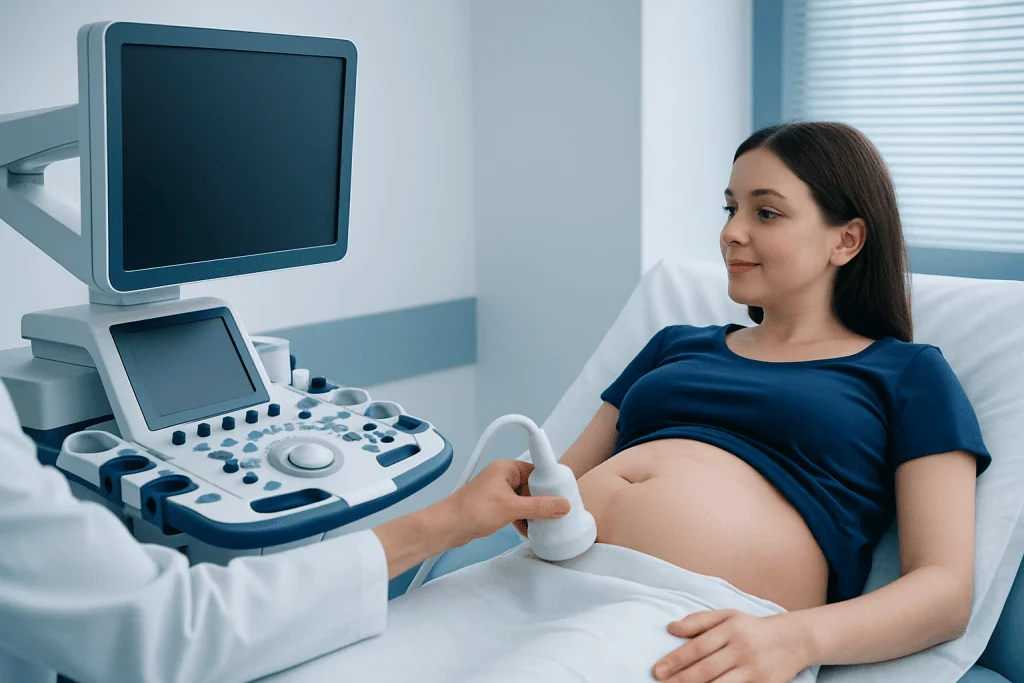
Symptoms at 11 weeks pregnant can vary widely. Some people continue to have strong early pregnancy symptoms, while others feel relatively well. Common symptoms this week include nausea or vomiting, fatigue, frequent urination, breast tenderness, bloating, constipation, mild cramping, heartburn, headaches, mood changes, and increased vaginal discharge.
Nausea is often one of the most noticeable symptoms at this stage. It may happen at any time of day, not only in the morning. Small, frequent meals, plain foods, staying hydrated, and avoiding strong smells may help. Fatigue is also common because the body is using significant energy to support pregnancy and hormonal changes.
Some people notice dizziness, especially if they stand up quickly, skip meals, or become dehydrated. Others may have food cravings or aversions. Mild pelvic discomfort can happen as the uterus grows, but severe or one-sided pain should be assessed by a doctor. If symptoms become hard to manage, the care team may suggest safe ways to reduce discomfort and discuss conditions such as severe pregnancy-related nausea and vomiting.
- Nausea or vomiting
- Fatigue and sleepiness
- Breast fullness or tenderness
- Bloating and constipation
- Headaches or light dizziness
- Heightened sense of smell
- Mood swings or emotional sensitivity
Baby development at 11 weeks
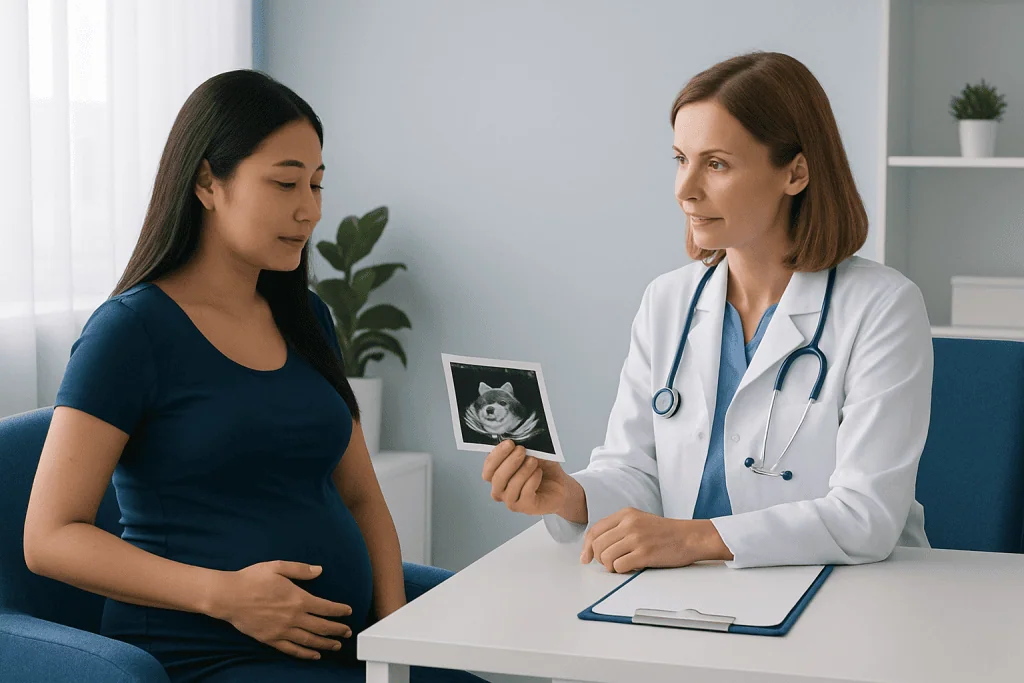
At 11 weeks pregnant, the baby is growing quickly and is often described as being about the size of a fig. Although still very small, the body is becoming more defined. The head is still relatively large compared with the body, but the neck area is developing and the shape is becoming more recognizable.
Important structures continue to mature this week. Fingers and toes are separated more clearly, the ears are moving closer to their final position, and early tooth buds are forming under the gums. The baby is also making small movements, though these are too slight to be felt at this point. Internal organs continue developing, and the placenta is increasingly taking over the work of supporting the pregnancy.
For many parents, this week marks a shift from abstract news to a more concrete sense that the baby is developing rapidly. If an ultrasound is done around this time, the healthcare team may review growth, location of the pregnancy, and early visible structures. The exact timing of scans varies based on the pregnancy and local care practices.
Body changes at 11 weeks pregnant
Even if the abdomen does not look very different yet, the body is already adapting in many ways. Hormones continue to affect digestion, circulation, skin, and emotional state. The uterus is enlarging, which can contribute to bloating, a sensation of pelvic heaviness, or the need to urinate more often.
Digestive changes are especially common this week. Rising hormone levels can slow the digestive system, leading to constipation, gas, and heartburn. Eating fiber-rich foods, drinking enough water, and staying gently active may help. Breast tissue may feel fuller, heavier, or more sensitive as it prepares for later changes in pregnancy.
Some people notice skin changes such as increased oiliness, mild acne, or a brighter complexion. Others may see their clothes fitting differently because of bloating rather than a true baby bump. Mild weight changes can occur in either direction during the first trimester, especially if nausea affects appetite. A doctor can help assess whether weight change is within a healthy range for the individual pregnancy.
Checklist: what to do this week
This stage of pregnancy is a good time to focus on small, steady habits rather than trying to do everything at once. Keeping up with prenatal appointments, taking a daily prenatal vitamin with folic acid as advised, and reviewing any medicines or supplements with a clinician are practical priorities. If there are ongoing medical conditions, they should continue to be monitored during pregnancy.
Nutrition and hydration remain central. Eating regular meals and snacks may be easier than large meals, especially if nausea is present. Foods with protein, whole grains, fruit, vegetables, and calcium can help support general health. Gentle movement such as walking may improve energy, digestion, and mood, unless a doctor has recommended activity limits.
This is also a useful time to plan ahead. Some people arrange first-trimester screening tests, ask about an upcoming pregnancy follow-up and delivery plan, or discuss symptom relief strategies. If fertility treatment was part of the journey, prior records from services such as IVF care may still be relevant to the current pregnancy history. For people with uterine concerns or a history of procedures, a specialist may also review whether related care, such as myomectomy, has any implications for pregnancy monitoring.
- Attend scheduled prenatal visits
- Take prenatal vitamins as recommended
- Drink enough fluids throughout the day
- Choose small, balanced meals if nausea is present
- Get adequate sleep and rest
- Avoid smoking, alcohol, and non-prescribed drugs
- Ask before taking over-the-counter medicines or herbal products
Tests, appointments, and monitoring
Depending on the healthcare system and the individual pregnancy, 11 weeks pregnant may fall around the time of early prenatal blood tests, urine testing, or a first-trimester ultrasound. These evaluations help confirm that the pregnancy is developing in the expected location, estimate gestational age, and review maternal health factors such as blood type, anemia risk, or infection screening.
Some pregnancies also include discussion of first-trimester screening for chromosomal conditions. The exact tests offered vary by country, clinic, age, family history, and personal preference. A clinician can explain what a test can and cannot show, as well as the difference between screening and diagnostic testing.
People with bleeding, pain, prior miscarriage, ectopic pregnancy history, or other risk factors may need closer observation. In some cases, doctors evaluate for conditions such as ectopic pregnancy early on if symptoms suggest a concern. Most pregnancies at 11 weeks progress normally, but prompt assessment of unusual symptoms helps guide safe care.
When to seek medical care
Many symptoms at 11 weeks pregnant are uncomfortable but not dangerous. Even so, it is important to know when to call a healthcare professional. Medical advice should be sought promptly for heavy bleeding, severe abdominal or pelvic pain, fainting, fever, painful urination, or vomiting that makes it difficult to keep down fluids.
Other reasons to seek care include signs of dehydration, such as very dark urine or not urinating often, sudden swelling, or a severe headache that does not improve. If there is shoulder pain, one-sided pelvic pain, or dizziness with bleeding, urgent evaluation is important because these symptoms can sometimes signal a serious problem.
Anyone who feels uncertain about what is normal should contact their maternity care team. Reassurance and early guidance can be valuable. Near the end of care planning, some international patients choose centers such as Acibadem International, where multidisciplinary specialists in JCI-accredited hospitals diagnose and treat pregnancy-related conditions and provide coordinated maternity care.
Frequently asked questions
Is it normal to still feel very nauseous at 11 weeks pregnant?
Yes. Nausea and vomiting are still common at 11 weeks pregnant, and for many people they continue into the late first trimester or slightly beyond. If vomiting becomes frequent, prevents eating or drinking, or causes weakness or dehydration, a doctor should be contacted.
How big is the baby at 11 weeks pregnant?
At 11 weeks, the baby is often compared to a fig. The exact size can vary, but the baby is growing quickly and developing more defined body features, including fingers, toes, and early facial structures.
Can a baby move at 11 weeks pregnant?
Yes, small movements begin around this stage as muscles and nerves develop. However, those movements are too subtle to be felt by the pregnant person at 11 weeks. Feeling movement usually happens much later in pregnancy.
Is cramping normal at 11 weeks pregnant?
Mild cramping can be normal as the uterus expands and the body adjusts to pregnancy. It should not be severe, persistent, or associated with heavy bleeding. If pain is strong, one-sided, or concerning, medical advice is important.
What should be avoided at 11 weeks pregnant?
Alcohol, smoking, recreational drugs, and any medicines not approved by a doctor should be avoided. It is also sensible to limit foods that carry a higher infection risk and to ask a clinician before using supplements, herbal products, or intensive exercise routines.
Can an ultrasound at 11 weeks show that everything is okay?
An ultrasound at this stage can provide helpful information about dating, growth, and early development, but no single test can guarantee every aspect of pregnancy health. The results need to be interpreted along with symptoms, examination findings, and other prenatal tests.
References
- World Health Organization
- American College of Obstetricians and Gynecologists
- National Health Service
- Centers for Disease Control and Prevention
- Mayo Clinic
This article is for general information only and is not a substitute for professional medical advice. Please consult a qualified doctor about your individual situation.
Persistent digestive symptoms? Get evaluated in Turkey
JCI-accredited · board-certified surgeons · reply within 24h
Add us as a Preferred Source to see more of our trusted health content across Google Search, AI Overviews and Discover.

More from the Health Library



Related Specialists

Prof. Dr. Yusufhan Süoğlu
Otorhinolaryngology
Dr. Filiz Candan Topuz
Gynecology & Obstetrics
Dr. Burcu Aydemir Efelerli
Internal Medicine
Prof. Dr. Levent Erişen
Ear Nose & Throat