12 Weeks Pregnant: Symptoms, Baby Development, and What to Expect

At 12 weeks pregnant, nausea and fatigue may begin to improve for some people, though symptoms vary widely. The baby is about the size of a lime and continues rapid development of organs, limbs, and facial features.
Key Takeaways
- At 12 weeks pregnant, nausea and fatigue may begin to improve for some people, though symptoms vary widely.
- The baby is about the size of a lime and continues rapid development of organs, limbs, and facial features.
- Body changes can include a slightly fuller lower abdomen, breast changes, bloating, and vaginal discharge.
- Routine prenatal care, healthy nutrition, hydration, and prenatal vitamins remain important this week.
- Heavy bleeding, severe pain, fever, or signs of dehydration should prompt medical advice.
At 12 weeks pregnant, the pregnancy is nearing the end of the first trimester, and many people begin to notice shifting symptoms, a growing uterus, and more energy. This week often brings important fetal development as organs continue forming and the baby starts making small movements.
Overview: what 12 weeks pregnant usually feels like
At 12 weeks pregnant, the pregnancy is close to the end of the first trimester. For many people, this is a transition week: common early symptoms such as nausea, food aversions, and tiredness may start to ease, although they can still continue. It is also a time when the uterus has grown enough to begin changing how the lower abdomen feels, even if there is not yet a clearly visible baby bump.
This stage is important for fetal growth and for ongoing prenatal care. The baby’s body structures are becoming more defined, and routine visits may include a physical examination, blood tests, and in some cases an ultrasound. Experiences differ from person to person, so a pregnancy at 12 weeks can feel very different even between healthy pregnancies.
Many questions at this point are practical: which symptoms are normal, how the baby is developing, what body changes to expect, and when to seek medical advice. A clear weekly overview can help make this stage easier to understand and discuss with a qualified obstetrician or midwife.
Symptoms this week
Common 12 weeks pregnant symptoms can include nausea, vomiting, fatigue, breast tenderness, bloating, constipation, heartburn, mild headaches, and frequent urination. Some people also notice an increased sense of smell, food cravings or aversions, dizziness when standing quickly, and emotional ups and downs. These symptoms are often linked to hormonal changes and the body’s adjustment to supporting the pregnancy.
For many, nausea begins to improve around this time, but that is not true for everyone. It is also normal to still feel tired, especially after busy days, poor sleep, or ongoing morning sickness. A thin, milky vaginal discharge can increase during pregnancy and is often normal if it has no strong odor and is not associated with itching or pain.
Mild cramping can happen as the uterus stretches, and some people notice occasional pulling sensations in the lower abdomen. However, severe pain, heavy bleeding, or symptoms that feel sudden or intense should not be ignored. If symptoms seem difficult to manage, a doctor can check for problems such as dehydration, infection, or other pregnancy-related conditions including ectopic pregnancy in the appropriate clinical setting.
- Nausea may start improving, but can still continue
- Fatigue often remains common
- Bloating and constipation are frequent
- Breasts may feel fuller, sore, or more sensitive
- Light discharge is often normal during pregnancy
Baby development at 12 weeks

At 12 weeks, the baby is often described as being about the size of a lime. Exact measurements vary, but the fetus is growing quickly and becoming more proportionate. The head is still relatively large compared with the rest of the body, but the body is catching up as the neck, trunk, arms, and legs become more distinct.
Major organs are continuing to develop and mature. The baby’s heart is beating, the digestive system is forming, and the kidneys are beginning to function. Fingers and toes are separated, nails are starting to develop, and facial features such as the eyes and ears are moving into a more typical position. The baby may also begin making small movements, although these are usually too slight to be felt at this stage.
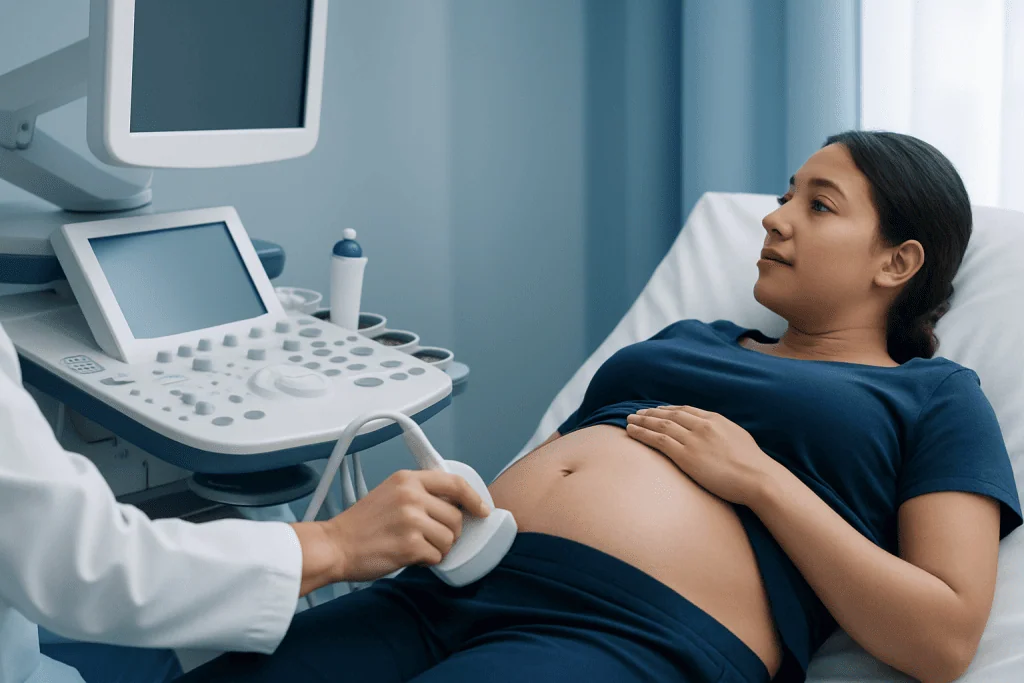
The external genital area is also developing, though it may still be too early to identify sex accurately on an ultrasound. During prenatal imaging, the focus is usually on growth, heartbeat, and basic anatomy. If an ultrasound is needed, it may be performed as part of routine pregnancy follow-up and delivery care to check fetal development and maternal health.
Body changes at 12 weeks pregnant
Even if the pregnancy is not yet obvious to others, body changes are happening. The uterus has grown from its pre-pregnancy size and may begin rising above the pelvic area. Some people notice a firmer or fuller feeling in the lower abdomen, while others still do not see much external change. Both can be completely normal.
Breasts may continue to enlarge and feel tender as milk-producing tissues develop. Veins may appear more visible, and the areolas can darken. Hormonal changes also slow digestion, which may contribute to bloating, gas, and constipation. Drinking enough water, eating fiber-rich foods, and gentle physical activity can often help.
Skin changes can begin around this time as well. Some pregnant people notice increased oiliness, acne, or darkening of certain areas of skin. Emotional changes may continue too, especially if sleep is disrupted or symptoms have been difficult. If mood symptoms feel persistent or overwhelming, it is sensible to raise them during prenatal care, since mental health is an important part of a healthy pregnancy.
Checklist: what to do this week
At 12 weeks pregnant, a simple checklist can help keep prenatal care on track. Taking a daily prenatal vitamin with folic acid remains important, as does staying hydrated and eating regular meals or snacks if nausea is still present. Small, frequent meals may feel easier than large meals, especially when bloating or reflux is noticeable.
This week is also a good time to review upcoming appointments, screening options, and questions for the care team. Depending on individual circumstances, clinicians may discuss blood tests, ultrasound timing, family history, medicines, and lifestyle guidance. If there are concerns about bleeding, pain, or prior pregnancy complications, early discussion can be helpful.
Helpful steps this week may include:
- Continue prenatal vitamins as advised by a doctor
- Choose balanced meals with protein, fruits, vegetables, and whole grains
- Limit alcohol and avoid smoking or recreational drugs
- Review all medications and supplements with a healthcare professional
- Rest when needed and try light activity if approved
- Ask about prenatal screening or imaging if it has not yet been discussed
Some people may also need specialist support for symptoms or pregnancy concerns. In selected cases, care may involve services such as obstetrics and gynecology or further evaluation with ultrasound to assess pregnancy progress.
Healthy habits and self-care in week 12
Healthy routines at 12 weeks pregnant are usually centered on nutrition, hydration, sleep, and symptom management. A balanced diet supports both the pregnant person and the developing baby, but perfection is not necessary. If nausea limits food choices, it can help to focus first on what stays down, then gradually return to a wider range of foods as symptoms improve.
Gentle exercise, such as walking or prenatal stretching, may support circulation, mood, sleep, and digestion if a clinician has not advised restrictions. Comfortable clothing, supportive bras, and practical changes such as slower position changes can also reduce discomfort from bloating, breast tenderness, or lightheadedness. Caffeine limits and food safety guidance should be reviewed with a healthcare professional.
Self-care also includes knowing what is common and what is not. Mild cramping, fatigue, and bloating are often part of normal early pregnancy. But severe vomiting, fainting, persistent one-sided pain, or significant bleeding should not be treated as routine. If there is concern about miscarriage symptoms, prompt medical review is appropriate; some patients may wish to learn more about miscarriage as part of understanding warning signs and follow-up care.
When to seek medical care
Most symptoms at 12 weeks pregnant are not dangerous, but some deserve timely medical attention. A doctor should be contacted if there is heavy vaginal bleeding, severe abdominal or pelvic pain, fever, painful urination, persistent vomiting, or signs of dehydration such as very dark urine, inability to keep fluids down, or marked weakness. These symptoms can have several possible causes and should be assessed rather than self-diagnosed.
Urgent evaluation is also important for fainting, trouble breathing, chest pain, new leg swelling, or sudden severe headache. Although uncommon, these symptoms may point to conditions unrelated to the pregnancy or to pregnancy complications that need prompt care. It is always reasonable to seek advice when symptoms feel different from expected pregnancy discomforts.
For international patients who need assessment or ongoing maternity support, Acibadem International’s multidisciplinary specialists and JCI-accredited hospitals provide diagnosis and treatment across a range of pregnancy-related needs. Any urgent symptom, however, should be evaluated without delay by the nearest qualified medical team.
Frequently asked questions
Is 12 weeks pregnant considered three months?
Yes, 12 weeks pregnant is commonly considered around three months pregnant. Month-by-month comparisons are approximate, so clinicians usually refer to pregnancy in weeks because that is more precise.
Can symptoms improve at 12 weeks pregnant?
Yes, some people begin to feel less nausea and fatigue around this time as hormone levels shift and the first trimester nears its end. However, symptoms can continue beyond 12 weeks, and this can still be normal.
How big is the baby at 12 weeks?
At 12 weeks, the baby is often compared to a lime. Exact size varies, but the fetus is growing quickly and major organs and body structures are continuing to develop.
Is cramping normal at 12 weeks pregnant?
Mild cramping or stretching sensations can happen as the uterus grows and surrounding tissues adjust. Severe pain, one-sided pain, or cramping with heavy bleeding should be checked by a doctor.
Should there be a visible bump at 12 weeks pregnant?
Some people notice a small lower-abdominal fullness by 12 weeks, while others do not show much yet. Body shape, muscle tone, previous pregnancies, and uterine position can all affect when a bump becomes visible.
What should be avoided at 12 weeks pregnant?
Alcohol, smoking, recreational drugs, and any medicine not approved by a healthcare professional should be avoided. It is also important to follow food safety advice and attend routine prenatal appointments.
References
- American College of Obstetricians and Gynecologists
- National Health Service
- World Health Organization
- Centers for Disease Control and Prevention
- March of Dimes
This article is for general information only and is not a substitute for professional medical advice. Please consult a qualified doctor about your individual situation.
Persistent digestive symptoms? Get evaluated in Turkey
JCI-accredited · board-certified surgeons · reply within 24h
Add us as a Preferred Source to see more of our trusted health content across Google Search, AI Overviews and Discover.