1500 Grafts Hair Transplant: Coverage, Cost Factors, and What to Expect

A 1500 grafts hair transplant usually covers the hairline and front or a smaller thinning area rather than the entire scalp. The visual result depends on graft quality, hair caliber, curl, color contrast, and surgeon planning, not graft number alone.
Key Takeaways
- A 1500 grafts hair transplant usually covers the hairline and front or a smaller thinning area rather than the entire scalp.
- The visual result depends on graft quality, hair caliber, curl, color contrast, and surgeon planning, not graft number alone.
- Cost factors typically include technique, surgical complexity, donor area characteristics, and whether one or multiple sessions are needed.
- Candidates need a stable donor area and a realistic plan that considers future hair loss progression.
- Recovery is gradual, with early shedding expected and visible regrowth developing over several months.
A 1500 grafts hair transplant is commonly used for mild to moderate hair loss, often to rebuild the hairline or add density to the frontal scalp. Coverage, final appearance, and planning depend on hair characteristics, donor availability, the chosen technique, and the overall pattern of hair loss.
Overview: what 1500 grafts can cover
A 1500 grafts hair transplant usually suits mild to moderate hair loss. In practical terms, it is often enough to restore or refine a receding hairline, fill in the frontal scalp, or increase density in a smaller thinning area. It is generally not designed to cover extensive balding across the entire top of the scalp in a single session.
The exact area covered varies because a graft is not the same as a single hair. Each graft may contain one, two, three, or sometimes more hairs. This means two people receiving the same number of grafts can still have different visual results depending on the average hairs per graft, the size of the thinning area, and how strategically the grafts are placed.
Planning also depends on the long-term pattern of hair loss. A surgeon aims not only to improve today’s appearance but also to preserve donor hair for future needs. For many patients, a 1500 grafts session is part of a broader restoration plan rather than a complete lifelong solution. People exploring hair transplant treatment often benefit from understanding graft counts in the context of overall scalp design.
What affects coverage and natural-looking density
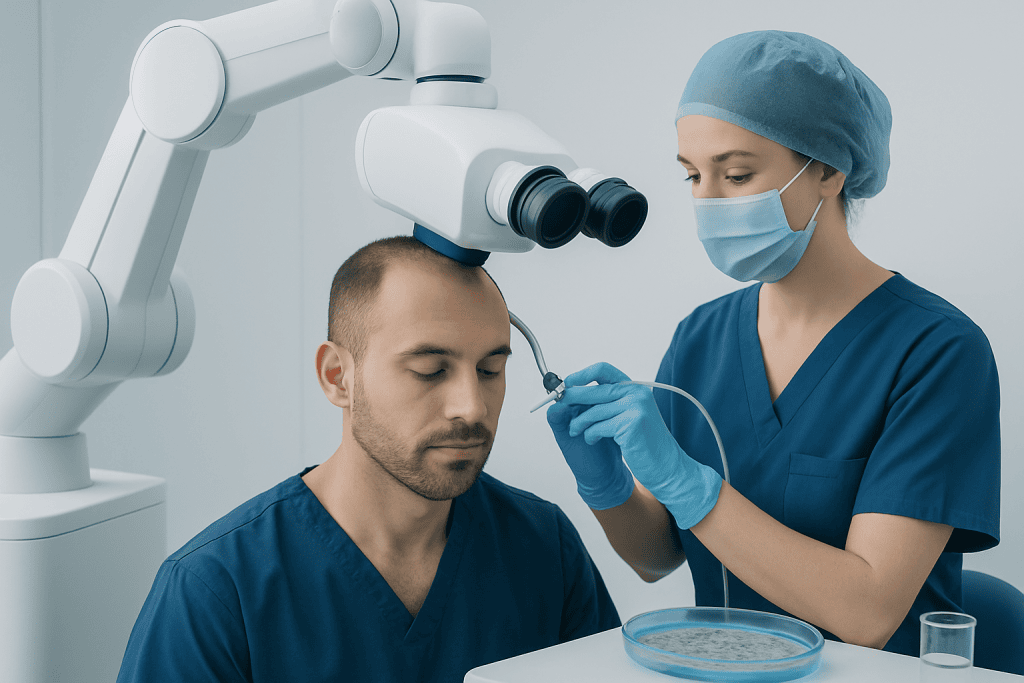
Coverage is influenced by much more than the number 1500. Hair thickness, curl, texture, and color contrast all affect how full the result appears. Coarse or curly hair often creates more visual coverage than fine, straight hair, while low contrast between hair and scalp can make density appear better even with fewer grafts.
The target area matters as well. Rebuilding a frontal hairline requires careful artistry and often uses many single-hair grafts for a soft, natural edge. If the main goal is to add density just behind the hairline, more multi-hair grafts may be placed there to create a fuller look. As a result, the same 1500 grafts can be distributed very differently depending on the patient’s priorities.
Hair loss pattern is another key factor. A person with early recession may achieve noticeable framing of the face with 1500 grafts, while someone with broader thinning may see improvement but not dense coverage. This is why evaluation of the stage and pattern of loss, including concerns such as male pattern baldness, is central to setting realistic expectations.
- Hairline restoration often prioritizes natural design over maximum density.
- Frontal forelock and mid-frontal filling can create a stronger cosmetic change.
- Crown coverage usually needs careful planning and may require more grafts because of the larger surface area and swirl pattern.
Who may be a good candidate

Good candidates for a 1500 grafts hair transplant generally have a stable donor area, realistic goals, and a pattern of hair loss that matches the amount of available grafts. It may be suitable for people with early thinning, a receding hairline, temple recession, or a smaller scar or localized area needing correction.
Not everyone with hair loss is ready for surgery right away. Diffuse shedding, recent rapid hair loss, scalp inflammation, or untreated medical causes should be assessed first. Conditions such as alopecia can have different causes and treatments, so a diagnosis is important before deciding on a transplant.
Age is only one part of candidacy. Younger patients may still be losing hair actively, so the surgeon must consider future change. In some cases, medical treatment, observation, or a staged approach is recommended before surgery. A careful consultation helps decide whether 1500 grafts is the right size session or whether another plan would be more appropriate.
How doctors assess graft count and plan the procedure
Before surgery, the doctor examines both the thinning area and the donor area, usually at the back and sides of the scalp. This assessment includes donor density, hair shaft quality, scalp laxity where relevant, and the current and likely future pattern of hair loss. Photos and scalp measurements may be used to estimate how many grafts are needed to meet the patient’s goals safely.
A 1500 grafts plan is not simply about filling every visible space. Surgeons usually prioritize the most cosmetically important zones first, often the frontal scalp and hairline, because these areas frame the face. They also decide how dense graft placement can be without stressing blood supply or overharvesting the donor area.
The procedure may be performed using methods such as FUE hair transplant, in which individual follicular units are extracted and implanted. In some patients, alternatives or complementary planning may be discussed based on scalp characteristics and previous procedures. If the person has concerns about progression and timing, related educational topics like Norwood scale staging can help explain why graft needs vary over time.
Cost factors and treatment planning
There is no single standard price for a 1500 grafts hair transplant. Cost is shaped by several clinical and logistical factors, including the technique used, the complexity of the hairline design, the quality and accessibility of the donor area, the need for shaving or unshaven approaches, and whether the case involves prior transplant correction or scar work.
Team expertise, operating environment, and the level of preoperative and postoperative care can also influence overall planning. A procedure focused on delicate hairline artistry may require different time and technical effort than one aimed mainly at adding density behind an existing hairline. For that reason, comparing graft counts alone does not provide a complete picture of value or suitability.
Patients should also consider whether additional treatment may be advised to maintain surrounding native hair. In some cases, doctors discuss medical therapy, monitoring, or a future second session if hair loss progresses. A balanced plan looks at both immediate cosmetic improvement and long-term donor preservation rather than focusing only on the first procedure.
What to expect during recovery and results
Recovery after a 1500 grafts hair transplant is usually manageable, but it still requires patience. Tiny crusts commonly form around implanted hairs in the first days, and mild swelling, redness, or tenderness can occur. The doctor will provide washing instructions, activity guidance, and advice on how to protect the grafts while they settle.
Many transplanted hairs shed in the early weeks. This can be surprising, but it is a normal part of the process because the follicles remain in place under the skin and later enter a new growth cycle. Visible regrowth typically starts gradually over the following months, with maturation continuing well beyond the early phase. Patients wanting a broader overview may find hair transplant recovery helpful when learning about expected milestones.
Final appearance depends not only on how many hairs grow, but on direction, angle, softness of the hairline, and how well the transplanted area blends with existing hair. Some people achieve their goal in one session, while others later choose additional treatment for more density or to address future recession.
- Early shedding of transplanted hairs is common and expected.
- Results appear gradually rather than immediately.
- Protecting the scalp and following aftercare advice supports healing.
- Native hair may continue to thin over time, even if transplanted hair remains.
When to seek medical care
Medical advice is important before a transplant if hair loss is sudden, patchy, painful, inflamed, or associated with scaling, itching, or other scalp symptoms. These features may point to an underlying scalp or medical condition that should be diagnosed and treated before surgery is considered.
After a transplant, patients should contact their doctor if they develop increasing pain, spreading redness, fever, unusual discharge, marked swelling that worsens, or any concern about healing. It is also sensible to seek review if the scalp seems persistently irritated or if medications cause side effects.
A consultation is also worthwhile when expectations are unclear. Understanding what 1500 grafts can realistically achieve helps avoid disappointment and supports a safer, more personalized treatment plan. Near the end of the care pathway, some international patients choose centers such as Acibadem International, where multidisciplinary specialists in JCI-accredited hospitals evaluate and treat hair loss and hair restoration needs.
Frequently asked questions
Is 1500 grafts enough for a hair transplant?
It can be enough for mild to moderate hair loss, especially in the hairline and frontal scalp. Whether it is enough depends on the size of the thinning area, hair characteristics, and the density goal.
How much area does 1500 grafts usually cover?
A 1500 grafts session often covers a receding hairline, temples, or a smaller frontal thinning zone rather than the full top of the scalp. The visual coverage can vary significantly from person to person because hair thickness, curl, and color contrast affect fullness.
How many hairs are in 1500 grafts?
A graft is a follicular unit that may contain one to several hairs. This means 1500 grafts usually equals more than 1500 individual hairs, but the exact number varies by the person’s natural follicular pattern.
Will 1500 grafts look dense?
It may look dense in a limited, carefully planned area, especially if the grafts are concentrated at the front. If the thinning area is large, 1500 grafts may improve coverage without creating the appearance of very high density everywhere.
How long does it take to see results after a 1500 grafts hair transplant?
Transplanted hairs often shed first, which is a normal early stage. New growth usually begins gradually over the next few months, and the appearance continues to mature over a longer period as the hairs thicken and blend.
Does a 1500 grafts hair transplant stop future hair loss?
No. Transplanted follicles are typically moved from more resistant donor areas, but non-transplanted native hair can still continue to thin over time. That is why long-term planning and follow-up are important.
References
- American Academy of Dermatology
- International Society of Hair Restoration Surgery
- British Association of Dermatologists
- Mayo Clinic
- National Health Service
This article is for general information only and is not a substitute for professional medical advice. Please consult a qualified doctor about your individual situation.
Hair transplant in Turkey — costs, graft counts & a free assessment
JCI-accredited · board-certified surgeons · reply within 24h
Add us as a Preferred Source to see more of our trusted health content across Google Search, AI Overviews and Discover.