28 Weeks Pregnant: Symptoms, Baby Development, and What to Expect

At 28 weeks pregnant, the baby is entering a period of steady weight gain and maturation. Common symptoms this week include back pain, heartburn, shortness of breath, leg cramps, and fatigue.
Key Takeaways
- At 28 weeks pregnant, the baby is entering a period of steady weight gain and maturation.
- Common symptoms this week include back pain, heartburn, shortness of breath, leg cramps, and fatigue.
- Body changes at 28 weeks are often related to the growing uterus, increased blood volume, and hormonal shifts.
- Routine prenatal care may include blood tests, blood pressure checks, and discussions about fetal movement and preterm labor signs.
- Urgent symptoms such as vaginal bleeding, severe headache, painful contractions, or reduced fetal movement should be assessed promptly.
At 28 weeks pregnant, the third trimester begins. Many people notice stronger fetal movement, growing physical discomforts, and more frequent prenatal monitoring as the baby continues rapid growth and brain, lung, and body development.
Overview: What 28 Weeks Pregnant Means
At 28 weeks pregnant, pregnancy enters the third trimester. This week often brings a clear sense that the body is working harder: the abdomen is larger, movements may feel stronger, and daily comfort can become more variable. At the same time, the baby is developing important body systems needed for life after birth, especially the lungs, brain, and fat stores.
This stage is usually a mix of reassurance and adjustment. Many symptoms at 28 weeks are expected and linked to normal pregnancy changes, but prenatal follow-up remains important because blood pressure, blood sugar, anemia, and preterm labor concerns may also become more relevant in late pregnancy.
Each pregnancy is different, so experiences can vary. Some people feel energetic and active, while others notice more tiredness, swelling, or interrupted sleep. A clinician can help distinguish common third-trimester changes from symptoms that need medical attention.
Symptoms This Week
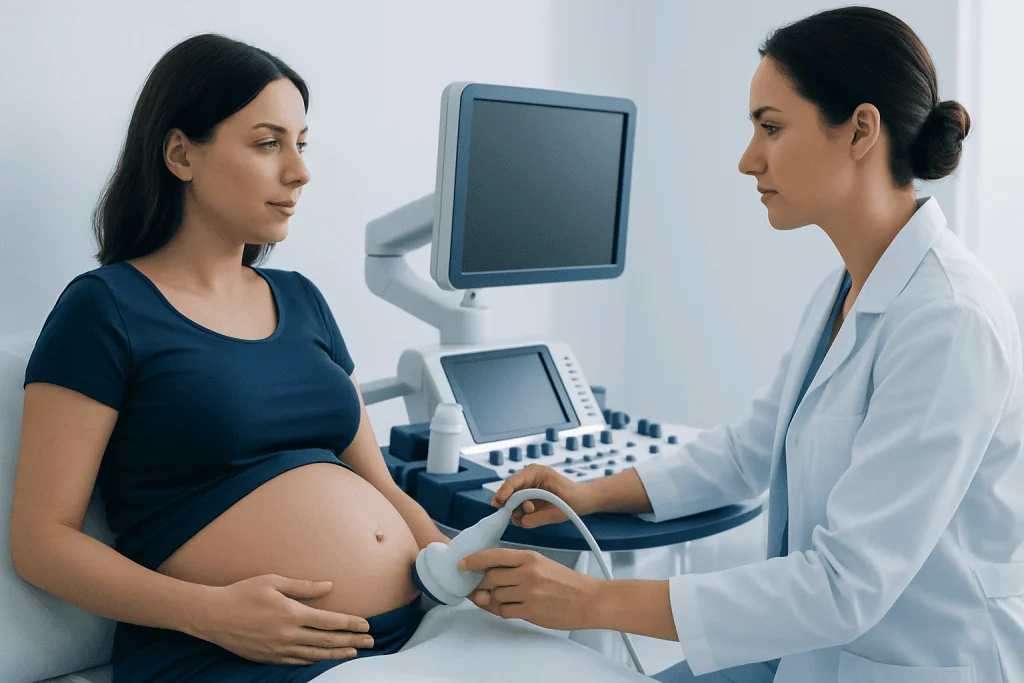
Common 28 weeks pregnant symptoms are usually caused by the growing uterus, hormonal changes, and increased demands on the circulatory and musculoskeletal systems. Back pain is common because posture shifts as the abdomen expands. Pelvic pressure, mild swelling in the feet or ankles, and trouble sleeping may also become more noticeable.
Digestive symptoms often continue during this stage. Heartburn, bloating, constipation, and a feeling of fullness after smaller meals can occur because pregnancy hormones relax digestive muscles and the uterus takes up more space. Eating smaller, more frequent meals and avoiding foods that trigger reflux may help some people feel more comfortable.
Shortness of breath can happen as the uterus pushes upward, reducing the space available for full lung expansion. This can feel uncomfortable but is often normal if it is mild and not associated with chest pain, fainting, or severe distress. Leg cramps, Braxton Hicks contractions, and occasional dizziness may also appear this week.
- Backache or pelvic discomfort
- Heartburn or indigestion
- Fatigue and sleep disruption
- Mild ankle or foot swelling
- Leg cramps
- Shortness of breath with exertion
- Braxton Hicks contractions
- More noticeable fetal movement
Baby Development at 28 Weeks
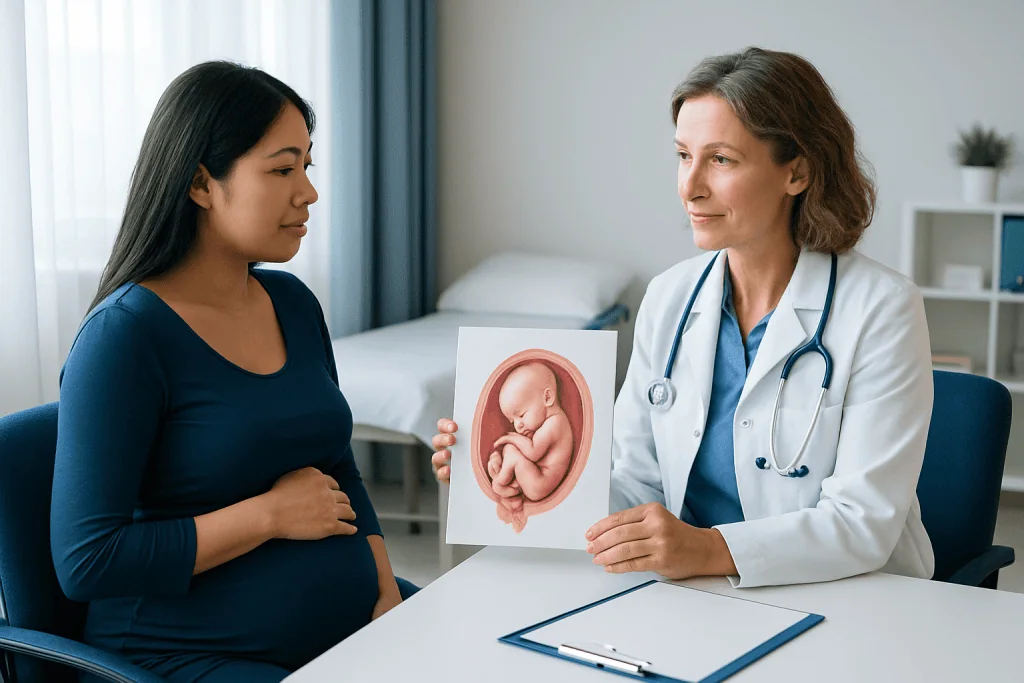
At 28 weeks, the baby is growing steadily and looks more like a newborn in proportion and appearance. A common size comparison is an eggplant, though exact size and weight vary. During this period, the baby continues building fat under the skin, which helps with temperature regulation after birth and gives the body a fuller appearance.
The brain is developing rapidly, with increasing complexity in the nervous system. The eyes can open and close, and the baby may respond to light, sound, and familiar voices. Sleep-wake cycles become more organized, so periods of activity and rest may feel more patterned to the pregnant person.
The lungs are still maturing, but important progress is taking place. The baby is practicing breathing movements and continuing to produce surfactant, a substance that helps the lungs function properly after delivery. While this is still a premature stage if birth happens now, advances in neonatal care have improved outcomes significantly, and preventing preterm birth remains a major focus.
Body Changes at 28 Weeks
The body at 28 weeks pregnant is adapting to support a larger baby and placenta. Blood volume remains increased, which helps nourish the pregnancy but can also contribute to swelling, nasal congestion, or feelings of warmth. Some people notice their skin stretching more quickly now, which can lead to itching over the abdomen or breasts. Gentle moisturizers may help comfort the skin, although they do not prevent stretch marks.
The uterus is now large enough to change posture, balance, and movement patterns. This may place strain on the lower back, hips, and pelvic joints. Pregnancy hormones also loosen ligaments, which can make joints feel less stable. Moving carefully, using supportive footwear, and resting in comfortable positions may reduce strain.
This is also a time when clinicians often monitor for conditions such as anemia, gestational diabetes, and preeclampsia. Symptoms such as persistent headaches, vision changes, sudden swelling of the face or hands, or upper abdominal pain are not typical discomforts and should be discussed promptly. If a person has concerns about rising blood pressure or unusual swelling, timely assessment is important.
Checklist: What to Do at 28 Weeks
Week 28 is a practical checkpoint in pregnancy care. Many prenatal plans become more focused now, including tracking fetal movement, reviewing warning signs of preterm labor, and planning for the final trimester. If screening tests have been recommended, this is often a time when results are reviewed and follow-up is arranged.
A helpful weekly checklist can include continuing prenatal appointments, asking about vaccines recommended during pregnancy, and reviewing nutrition with a clinician. Iron-rich foods, protein, fluids, calcium, and fiber remain important. If symptoms such as reflux or constipation are becoming difficult, a doctor may suggest safe pregnancy-friendly management strategies.
It may also help to prepare for the weeks ahead by discussing childbirth classes, sleeping positions, travel plans, and work adjustments if needed. For people with high-risk pregnancies or concerns about early contractions, specialist review may be recommended. Depending on individual needs, care may involve perinatology evaluation or additional imaging such as obstetric ultrasound.
- Attend routine prenatal visits
- Monitor fetal movement patterns
- Review preterm labor warning signs
- Ask about blood pressure, anemia, or glucose test results
- Maintain balanced meals, hydration, and gentle activity if approved
- Plan questions for the next appointment
How Doctors Monitor Health in the Third Trimester
Prenatal visits in the third trimester often become more focused on maternal well-being and fetal growth. A clinician may measure blood pressure, weight, fundal height, and the baby’s heart rate. They may also ask about contractions, fluid leakage, vaginal bleeding, headaches, swelling, and how often the baby is moving.
Laboratory tests may be repeated or reviewed depending on the pregnancy. These can include blood tests for anemia, urine checks for protein or infection, and diabetes screening if it has not already been completed. If symptoms suggest a concern, additional imaging or fetal assessment may be used to better understand the baby’s growth, position, and condition.
Some pregnancies need closer monitoring because of twins, blood pressure disorders, diabetes, previous pregnancy complications, or signs of preterm labor. In these situations, coordinated care may involve specialists in gynecology and obstetrics and maternal-fetal medicine. Near the end of care planning, Acibadem International’s multidisciplinary specialists in JCI-accredited hospitals also evaluate and treat pregnancy-related concerns for international patients when appropriate.
When to Seek Medical Care
Most symptoms at 28 weeks pregnant are uncomfortable rather than dangerous, but some signs should not be ignored. A doctor should be contacted urgently for vaginal bleeding, a gush or steady trickle of fluid, regular painful contractions, severe abdominal pain, fever, fainting, or significantly reduced fetal movement. These can point to problems that need prompt assessment, including preterm labor or other complications.
Headache that does not improve, vision changes, sudden swelling of the face or hands, chest pain, or shortness of breath that is severe should also be evaluated quickly. These symptoms can sometimes be linked to blood pressure problems or other serious medical issues in pregnancy.
If there is uncertainty about whether a symptom is normal, it is safer to ask. Pregnant people with symptoms of preterm birth or signs of infection may need immediate review. Early medical advice can help protect both parent and baby and may prevent complications from becoming more serious.
Frequently asked questions
Is 28 weeks pregnant considered the third trimester?
Yes. Week 28 marks the beginning of the third trimester in a typical pregnancy. This stage focuses on continued fetal growth, monitoring maternal health, and preparing for the final weeks before birth.
What symptoms are common at 28 weeks pregnant?
Common symptoms include back pain, heartburn, fatigue, mild swelling, shortness of breath with activity, leg cramps, and Braxton Hicks contractions. These often happen because the uterus is growing and pregnancy hormones affect muscles, digestion, and circulation.
How big is the baby at 28 weeks?
A baby at 28 weeks is often compared in size to an eggplant. Exact size varies, but the baby is continuing to gain weight, build fat, and mature important organs such as the brain and lungs.
Is it normal to feel more fetal movement at 28 weeks?
Yes, many people feel stronger and more noticeable fetal movement at this stage. Babies often have more recognizable activity and rest patterns, although movement style and timing can vary from one pregnancy to another.
What should be on a 28-week pregnancy checklist?
A practical checklist includes attending prenatal visits, reviewing test results, asking about vaccines, monitoring fetal movement, and learning the signs of preterm labor. It is also a good time to discuss sleep, work, travel, and birth planning with a clinician.
When should someone call a doctor at 28 weeks pregnant?
A doctor should be contacted right away for vaginal bleeding, leaking fluid, regular painful contractions, severe headache, vision changes, severe shortness of breath, or reduced fetal movement. These symptoms may need urgent evaluation to protect both parent and baby.
References
- American College of Obstetricians and Gynecologists
- National Health Service
- Centers for Disease Control and Prevention
- World Health Organization
- March of Dimes
This article is for general information only and is not a substitute for professional medical advice. Please consult a qualified doctor about your individual situation.
Explore treatments in Turkey — costs, top hospitals & a free quote
JCI-accredited · board-certified surgeons · reply within 24h
Add us as a Preferred Source to see more of our trusted health content across Google Search, AI Overviews and Discover.
Check your numbers in seconds
BMI, calories, due date, blood pressure and 30+ more clinical calculators — free, instant, doctor-reviewed ranges.

More from the Health Library



Related Specialists

Prof. Dr. Sabahattin Umman
Cardiology
Dr. Mesut Fatih
Orthopedic Surgery & Traumatology
Prof. Dr. Şule Arslan
Physical Medicine & Rehabilitation
Prof. Dr. Ufuk Aydınlı
Orthopedic Surgery & Traumatology