31 Weeks Pregnant: Symptoms, Baby Development, and What to Expect

At 31 weeks pregnant, the baby is gaining fat, practicing breathing movements, and becoming more coordinated. Common symptoms this week include heartburn, back pain, frequent urination, leg cramps, and trouble sleeping.
Key Takeaways
- At 31 weeks pregnant, the baby is gaining fat, practicing breathing movements, and becoming more coordinated.
- Common symptoms this week include heartburn, back pain, frequent urination, leg cramps, and trouble sleeping.
- Body changes often reflect the uterus getting larger and the baby placing more pressure on the lungs, bladder, and pelvis.
- Daily self-care, hydration, gentle movement, and regular prenatal visits can help manage discomforts.
- Medical care should be sought promptly for bleeding, fluid leakage, painful contractions, reduced fetal movement, or symptoms of high blood pressure.
At 31 weeks pregnant, the baby is continuing rapid growth and development, and many pregnant women notice stronger body changes such as shortness of breath, sleep discomfort, and pelvic pressure. This stage usually brings normal third-trimester adjustments, while also being a good time to watch for warning signs and prepare for birth.
Overview: what 31 weeks pregnant usually feels like
At 31 weeks pregnant, pregnancy has moved well into the third trimester. The baby is still developing quickly, but many day-to-day changes now come from the growing uterus taking up more space and putting pressure on nearby organs. It is common to feel more physically tired, heavier, and less comfortable than in the second trimester.
For many women, this week includes a mix of reassuring signs, such as regular baby movement, and new discomforts, such as breathlessness when climbing stairs, interrupted sleep, or swelling later in the day. These symptoms are often a normal part of late pregnancy, though they should still be discussed during prenatal visits if they are severe or worrying.
This stage is also a practical turning point. Many families begin preparing for labor, reviewing birth plans, and paying closer attention to changes in fetal movement and signs of preterm labor. Regular prenatal care remains important to support both maternal health and the baby’s growth.
Symptoms this week
At 31 weeks pregnant, symptoms can vary, but several are especially common. Shortness of breath may happen because the uterus pushes upward under the diaphragm. Heartburn and indigestion can also become more noticeable, as pregnancy hormones relax the digestive tract and the stomach has less room.
Back pain, pelvic pressure, and round ligament discomfort may increase as posture shifts and the baby grows heavier. Frequent urination often continues because of pressure on the bladder. Some women notice stronger Braxton Hicks contractions, which are usually irregular and ease with rest or hydration.
Other common symptoms this week include:
- Difficulty sleeping or finding a comfortable position
- Leg cramps, especially at night
- Mild swelling in the feet and ankles
- Colostrum leakage from the breasts
- Constipation or hemorrhoids
- Increased clumsiness due to changes in balance
Most of these symptoms are expected in the third trimester. However, symptoms that are sudden, severe, or different from usual should not be ignored, especially if they involve pain, heavy swelling, severe headache, or reduced fetal movement.
Baby development at 31 weeks

At 31 weeks, the baby is continuing an important phase of growth and maturation. A common size comparison is a coconut, though exact size varies. The baby is putting on more body fat, which helps smooth the skin and supports temperature regulation after birth.
The lungs are still maturing, and the baby practices breathing movements by moving amniotic fluid in and out of the lungs. The brain and nervous system are also developing rapidly, allowing better control of body temperature and more coordinated movement. Many babies now have clear cycles of sleep and wakefulness.
Movements may feel strong, rolling, stretching, or rhythmic. Kicks can sometimes feel different from earlier weeks because there is less room for large flips, but regular activity should still be present. During routine prenatal care, the doctor may ask about movement patterns and growth.
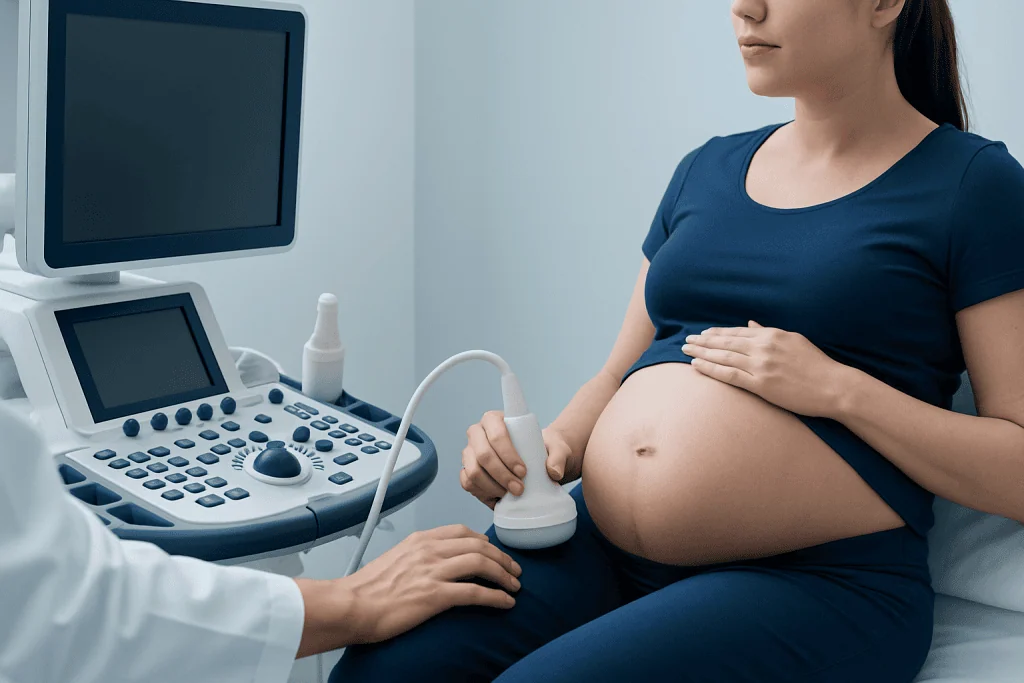
If there are concerns about fetal growth, position, or wellbeing, the care team may recommend additional testing or imaging. In some cases, tools such as ultrasound evaluation are used to assess the baby’s development, amniotic fluid, and placental position.
Body changes in the mother
By 31 weeks pregnant, the uterus has expanded significantly, and this affects nearly every system in the body. The center of gravity shifts forward, which can strain the lower back and hips. Muscles and ligaments also loosen under the influence of pregnancy hormones, contributing to pelvic aches and a less stable feeling when walking.
Circulation changes may lead to mild swelling in the ankles, feet, or hands, particularly later in the day or after long periods of standing. Blood volume remains higher in pregnancy, and this can contribute to feeling warm, flushed, or occasionally lightheaded. Resting on the left side may improve comfort and circulation.
The breasts may feel fuller as they continue preparing for feeding. Skin changes such as itching over the abdomen can happen as the skin stretches. Mild fatigue is also common, especially if sleep is interrupted by discomfort, fetal movements, or repeated trips to the bathroom.
Some women may also notice emotional shifts as birth approaches. It is normal to feel excited, distracted, or more anxious than usual. If low mood, intense anxiety, or persistent distress begins affecting daily life, it is reasonable to raise this during prenatal care, as mental health is an important part of pregnancy wellbeing.
Checklist: what to do at 31 weeks pregnant
This week often works best as a time for practical preparation rather than major lifestyle changes. Continuing prenatal appointments, eating balanced meals, staying hydrated, and getting gentle movement are all helpful. Activities such as walking, stretching, and prenatal exercise may support circulation, sleep, and back comfort if the pregnancy care team says they are safe.
It can also help to begin focusing on labor and newborn planning. Many women use this period to review hospital arrangements, think about infant feeding, and prepare for the weeks after delivery. If there are ongoing symptoms such as reflux, constipation, or sleep trouble, simple strategies can often improve comfort.
A useful 31-week checklist may include:
- Track the baby’s usual movement patterns
- Attend all scheduled prenatal visits and recommended tests
- Sleep on the side when possible, often with pillow support
- Choose smaller meals if heartburn is troublesome
- Pack or begin packing a hospital bag
- Review signs of labor and when to call the maternity team
- Discuss any concerns about high-risk pregnancy if there are medical or obstetric complications
When symptoms go beyond expected discomforts, doctors may evaluate for conditions such as preeclampsia or other pregnancy-related concerns. Depending on symptoms and medical history, care may include blood pressure monitoring, lab testing, or prenatal assessment and consultation.
When to seek medical care
Most symptoms at 31 weeks are part of normal pregnancy, but some changes need prompt medical attention. Calling a doctor or maternity unit is important if there is vaginal bleeding, a gush or steady trickle of fluid, regular painful contractions, or noticeable reduction in the baby’s movements.
Immediate medical advice is also important for severe headache, vision changes, chest pain, sudden swelling of the face or hands, severe upper abdominal pain, fever, or shortness of breath that is significant or worsening. These may suggest a condition that needs evaluation rather than routine symptom management.
Women with a history of complications, multiple pregnancy, high blood pressure, diabetes, or prior preterm birth may need closer monitoring. If there is uncertainty about whether a symptom is urgent, it is safer to contact a qualified healthcare professional and ask for advice.
Looking ahead and ongoing support
As pregnancy progresses beyond 31 weeks, appointments may begin to focus more on birth preparation, fetal position, and maternal wellbeing in late pregnancy. It is common to have questions about labor signs, pain relief, feeding, and recovery after birth. Bringing these questions to prenatal visits can make the final weeks feel more manageable.
Continuity of care is especially helpful during the third trimester. A maternity team can help distinguish ordinary discomforts from symptoms that need attention, and can tailor advice to the individual pregnancy. This is also the time to review any existing medical conditions and how they may affect labor planning.
For women who need specialist support, Acibadem International’s multidisciplinary specialists and JCI-accredited hospitals provide diagnosis and treatment for international patients, including pregnancy monitoring, gynecology and obstetric care, and additional fetal or maternal assessment when needed.
Although many sensations at this stage can be uncomfortable, 31 weeks pregnant is usually a period of steady progress. With regular prenatal care, attention to warning signs, and supportive daily habits, most women can move through this week with greater confidence and clearer expectations about what comes next.
Frequently asked questions
Is it normal to feel short of breath at 31 weeks pregnant?
Mild shortness of breath is common at 31 weeks pregnant because the growing uterus can push upward and reduce the space the lungs feel they have. It is usually more noticeable with exertion, such as climbing stairs. However, severe or sudden breathing difficulty should be assessed promptly by a doctor.
How often should the baby move at 31 weeks?
There is no single number of movements that fits every pregnancy, but the baby should continue to move regularly each day. Many women notice patterns of activity during the baby’s wakeful periods. If movements seem significantly reduced or different from usual, medical advice should be sought the same day.
Can Braxton Hicks contractions happen at 31 weeks?
Yes, Braxton Hicks contractions are common in the third trimester and can begin or become more noticeable by 31 weeks. They are usually irregular, mild to moderate, and may improve with rest, fluids, or a change in position. Contractions that become regular, painful, or closer together need medical review.
What size is the baby at 31 weeks pregnant?
A baby at 31 weeks is often compared in size to a coconut, although actual size varies from one pregnancy to another. At this point, growth includes continued weight gain, fat storage, and ongoing lung and brain development. Ultrasound and prenatal visits give more individualized information when needed.
Is pelvic pressure normal at 31 weeks pregnant?
Pelvic pressure can be normal in the third trimester because the baby is larger and the uterus places more weight on the pelvis. It may be felt more after walking, standing for long periods, or at the end of the day. If pressure comes with pain, bleeding, or regular contractions, a doctor should be contacted.
What should be on a 31 weeks pregnant checklist?
A practical checklist often includes attending prenatal appointments, tracking movement patterns, preparing for the hospital, and reviewing signs of labor. It is also a good time to plan newborn basics, ask about feeding, and discuss any troubling symptoms. Women with high-risk pregnancies may need additional monitoring or specialist input.
References
- World Health Organization
- American College of Obstetricians and Gynecologists
- National Health Service
- Centers for Disease Control and Prevention
- March of Dimes
This article is for general information only and is not a substitute for professional medical advice. Please consult a qualified doctor about your individual situation.
Explore treatments in Turkey — costs, top hospitals & a free quote
JCI-accredited · board-certified surgeons · reply within 24h
Add us as a Preferred Source to see more of our trusted health content across Google Search, AI Overviews and Discover.
Check your numbers in seconds
BMI, calories, due date, blood pressure and 30+ more clinical calculators — free, instant, doctor-reviewed ranges.

More from the Health Library



Related Specialists

Assoc. Prof. Dr. Ceren Yıldız Eren
Gynecology & Obstetrics
Prof. Dr. Muzaffer Olcay Çizmeli
Interventional Neuroradiology
Dr. Hasan Kamburoğlu
Anesthesiology
Prof. Dr. Bülent Özçelik
Gynecology & Obstetrics