32 Weeks Pregnant: A Complete Clinical Guide for Patients

At 32 weeks pregnant, the baby is developing body fat, practicing breathing movements, and usually becoming more active in recognizable patterns. Common symptoms include pelvic pressure, shortness of breath, heartburn, back pain, leg cramps, and Braxton Hicks contractions.
Key Takeaways
- At 32 weeks pregnant, the baby is developing body fat, practicing breathing movements, and usually becoming more active in recognizable patterns.
- Common symptoms include pelvic pressure, shortness of breath, heartburn, back pain, leg cramps, and Braxton Hicks contractions.
- Regular prenatal care helps monitor blood pressure, baby growth, fetal movement, and signs of complications such as preeclampsia or preterm labor.
- Healthy routines such as hydration, gentle movement, side-sleeping, and balanced nutrition can improve comfort in the third trimester.
- Urgent evaluation is needed for vaginal bleeding, leaking fluid, severe headache, painful regular contractions, or decreased fetal movement.
At 32 weeks pregnant, the pregnancy is well into the third trimester, and the baby is continuing rapid growth while the pregnant person may notice more pressure, fatigue, and practice contractions. Most changes at this stage are expected, but it is also an important time to watch for signs of preterm labor, high blood pressure, or reduced fetal movement.
Overview at 32 Weeks Pregnant
At 32 weeks pregnant, the pregnancy is about eight months along and firmly in the third trimester. The baby is continuing to gain weight, mature organ systems, and build fat stores that help with temperature regulation after birth. For many patients, this stage brings a mix of excitement and increasing physical demands as the uterus expands and places more pressure on the lungs, stomach, bladder, and pelvis.
Most symptoms at 32 weeks are related to normal pregnancy changes. Tiredness, heartburn, swelling in the feet, shortness of breath with activity, and Braxton Hicks contractions are all common. Even so, symptoms should not be dismissed automatically, because some concerns that appear similar to normal discomforts can also signal conditions that need medical attention, including preeclampsia or preterm labor.
This stage is also a practical time to prepare for the last weeks of pregnancy. Prenatal visits usually become more focused on blood pressure, urine checks, fetal growth, movement patterns, and the position of the baby. Patients may also begin discussing labor planning, pain relief options, feeding plans, and when to go to the hospital.
Baby Development and Fetal Changes
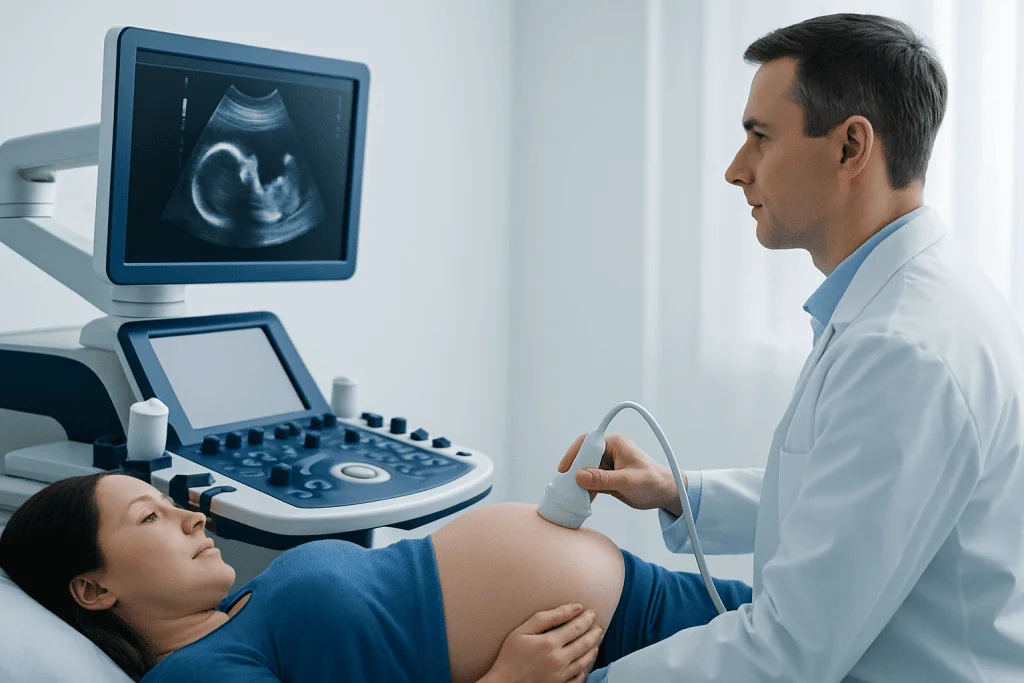
By 32 weeks, the baby is growing steadily and looks more like a newborn than in earlier months. The skin generally becomes less translucent as more fat develops under the surface. Bones continue to harden, although the skull remains somewhat flexible to support birth. The brain and nervous system are still maturing, and the lungs are practicing breathing movements, even though full lung maturity usually comes later.
Movement is often strong and noticeable at this stage, although it may feel different from earlier weeks. Instead of quick flips, movements may feel like rolls, stretches, pushes, or rhythmic hiccups because the baby has less room in the uterus. A regular pattern of movement is reassuring, and patients are often encouraged to learn what is normal for their own pregnancy.
The baby’s position may also begin to matter more now. Some babies are already head-down, while others may still change positions over the following weeks. If there are concerns about growth, fluid levels, or fetal position, the care team may recommend further assessment with ultrasound imaging or other fetal monitoring.
Common Symptoms at 32 Weeks Pregnant

Many physical symptoms intensify in the third trimester because the uterus is larger and hormones continue to affect muscles, joints, and digestion. Shortness of breath can happen because the growing uterus pushes upward under the diaphragm. Heartburn and bloating are also common as pregnancy hormones relax the valve between the stomach and esophagus and slow digestion.
Back pain, pelvic pressure, and difficulty finding a comfortable sleeping position are especially frequent at 32 weeks. Ligaments soften during pregnancy, which can make the pelvis and lower back feel less stable. Some patients notice numbness in the hands, mild ankle swelling, or leg cramps at night. Braxton Hicks contractions may feel like tightening across the abdomen that comes and goes irregularly and usually improves with rest or hydration.
Emotional changes can be part of this stage as well. It is normal to feel more focused on labor, the baby’s wellbeing, or practical planning for birth and recovery. Still, persistent sadness, panic, or inability to cope should be discussed with a clinician, because mental health is an important part of prenatal care.
- Commonly reported symptoms include fatigue, heartburn, constipation, hemorrhoids, backache, pelvic pressure, frequent urination, and mild swelling.
- Sleep disruption is very common due to discomfort, fetal movement, vivid dreams, and the need to urinate more often.
- Patients should not assume all swelling, headaches, or abdominal pain are normal without medical review.
Body Changes, Health Checks, and What Clinicians Monitor
At routine prenatal visits around 32 weeks, clinicians often check weight trends, blood pressure, urine protein, uterine growth, fetal heartbeat, and the baby’s movement pattern. These visits are designed to identify expected changes and spot warning signs early. Fundal height measurements may help estimate fetal growth, while additional testing may be suggested if there is concern about growth restriction, excess amniotic fluid, or reduced movement.
Blood pressure monitoring becomes especially important in late pregnancy. New swelling in the face or hands, severe headache, visual symptoms, upper abdominal pain, or sudden weight gain from fluid retention can be warning signs of high blood pressure disorders in pregnancy and should be assessed promptly. These symptoms do not always mean a serious problem, but they should not be ignored.
Some patients may have conditions that require closer observation, such as gestational diabetes, multiple pregnancy, previous preterm birth, placenta-related concerns, or fetal growth issues. Depending on the clinical picture, the obstetric team may recommend non-stress testing, repeat pregnancy follow-up and delivery care, or a targeted review by maternal-fetal medicine specialists.
Practical Self-Care and Daily Life in the Third Trimester
Self-care at 32 weeks pregnant is mainly about reducing discomfort while supporting overall maternal and fetal health. Many patients feel better when they rest more often, change positions slowly, drink enough fluids, and avoid large or highly spicy meals if heartburn is a problem. Sleeping on the side, especially the left side when comfortable, may improve circulation and reduce pressure on major blood vessels.
Gentle activity can still be helpful unless a clinician has advised restrictions. Walking, stretching, prenatal yoga, and pelvic floor awareness may ease stiffness and support circulation. Good posture, supportive footwear, and pillows between the knees or under the abdomen can help manage lower back and pelvic discomfort. Travel and work routines may also need adjustment as fatigue increases.
Nutrition remains important in late pregnancy. Meals should generally include protein, iron-rich foods, calcium sources, fiber, and fluids. Patients who have concerns such as anemia, poor appetite, severe reflux, or abnormal glucose levels should follow individualized advice from their maternity team. If a symptom feels significantly worse than expected or interferes with normal daily function, it is reasonable to ask for medical guidance.
When to Seek Medical Care
Although many symptoms are normal at 32 weeks, urgent medical assessment is needed for certain warning signs. Painful regular contractions before 37 weeks, vaginal bleeding, a gush or steady trickle of fluid from the vagina, or a clear decrease in fetal movement should be evaluated promptly. These can be signs of preterm labor, ruptured membranes, or another pregnancy complication.
Patients should also seek care for severe or persistent headache, vision changes, chest pain, sudden shortness of breath, severe abdominal pain, fever, or swelling that is sudden or pronounced, especially in the face and hands. These symptoms may suggest a condition that needs timely treatment. If fetal movements seem reduced, many clinicians advise contacting the maternity unit the same day rather than waiting until the next appointment.
In general, it is safer to ask than to guess. Obstetric teams expect questions in the third trimester and can advise whether symptoms fit normal pregnancy, need same-day review, or require emergency care. If specialized assessment is needed, centers such as Acibadem International offer multidisciplinary maternity care in JCI-accredited hospitals for international patients.
Preparing for Birth and the Weeks Ahead
At 32 weeks pregnant, it is reasonable to begin practical preparation for labor, delivery, and the early postpartum period. Patients may want to review hospital plans, discuss who to call if labor starts, and understand the difference between false labor and true labor. This is also a useful time to ask about pain relief options, support persons, and what to expect if the baby arrives early.
If there are concerns about the baby’s position, growth, or the placenta, the care team may plan follow-up imaging or additional monitoring. In some situations, clinicians discuss delivery planning in advance, especially if there are maternal medical conditions or a higher chance of cesarean birth. When a surgical birth is expected or possible, patients may receive counseling about cesarean section and postoperative recovery.
Beyond the birth itself, preparing for the postpartum period can reduce stress. This includes arranging support at home, understanding newborn feeding plans, recognizing postpartum warning signs, and discussing any prior history of depression or anxiety. A calm, informed plan does not remove every uncertainty, but it often helps patients feel more confident during the final weeks of pregnancy.
Frequently asked questions
Is 32 weeks pregnant considered eight months?
Yes, 32 weeks pregnant is commonly described as around eight months pregnant. Month-based timing is approximate, so clinicians usually track pregnancy by weeks because it is more precise.
How much movement should the baby have at 32 weeks?
There is no single exact number that applies to every pregnancy, but the baby should continue to move regularly. The most important point is whether movement feels normal for that baby; if movements are clearly reduced, a clinician should be contacted promptly.
Are Braxton Hicks contractions normal at 32 weeks?
Yes, irregular tightening of the uterus can be normal at this stage. Braxton Hicks contractions are usually unpredictable, often improve with rest or hydration, and do not become steadily stronger or closer together like true labor contractions.
Why is it harder to sleep at 32 weeks pregnant?
Sleep often becomes more difficult because of back pain, heartburn, frequent urination, fetal movement, and trouble finding a comfortable position. Side-sleeping with pillows for support and avoiding heavy meals close to bedtime may help.
What warning signs should not be ignored at 32 weeks pregnant?
Vaginal bleeding, leaking fluid, painful regular contractions, reduced fetal movement, severe headache, vision changes, or sudden swelling should not be ignored. These symptoms can sometimes indicate complications that need timely medical assessment.
Can a baby born at 32 weeks survive?
Many babies born at 32 weeks do survive with modern neonatal care, but they usually need specialized medical support because they are still premature. The outlook depends on factors such as birth weight, lung maturity, and any other medical issues.
References
- American College of Obstetricians and Gynecologists
- Centers for Disease Control and Prevention
- National Institute for Health and Care Excellence
- World Health Organization
- March of Dimes
This article is for general information only and is not a substitute for professional medical advice. Please consult a qualified doctor about your individual situation.
Explore treatments in Turkey — costs, top hospitals & a free quote
JCI-accredited · board-certified surgeons · reply within 24h
Add us as a Preferred Source to see more of our trusted health content across Google Search, AI Overviews and Discover.
Check your numbers in seconds
BMI, calories, due date, blood pressure and 30+ more clinical calculators — free, instant, doctor-reviewed ranges.