

33 Weeks Pregnant: Symptoms, Baby Development, and What to Expect

At 33 weeks pregnant, the baby is gaining fat, practicing breathing movements, and continuing brain and lung development. Common symptoms include shortness of breath, pelvic pressure, back pain, heartburn, swelling, and trouble sleeping.
Key Takeaways
- At 33 weeks pregnant, the baby is gaining fat, practicing breathing movements, and continuing brain and lung development.
- Common symptoms include shortness of breath, pelvic pressure, back pain, heartburn, swelling, and trouble sleeping.
- Regular prenatal care remains important to track blood pressure, baby growth, and signs of preterm labor.
- Daily fetal movement awareness, hydration, rest, and practical preparation for birth can help during this week.
- Medical care is needed promptly for decreased fetal movement, bleeding, contractions, leaking fluid, severe headache, or signs of preeclampsia.
At 33 weeks pregnant, many people notice more pressure, tiredness, and sleep disruption as the baby grows and the body prepares for labor. This stage is usually marked by steady fetal development, stronger third-trimester symptoms, and a growing need to monitor comfort, movement, and warning signs.
Overview
At 33 weeks pregnant, the pregnancy is well into the third trimester, and both parent and baby are moving closer to birth. The baby is continuing to mature, especially in the lungs, brain, and body fat stores, while the pregnant body often feels the effects of increased size, shifting posture, and hormonal changes.
For many people, this week brings a mix of normal discomforts and practical planning. It is common to feel more tired, heavier, and less comfortable during sleep or daily activity. At the same time, prenatal visits become more important because they help monitor blood pressure, baby growth, fetal position, and any signs of complications.
Although many symptoms at this stage are expected, it is also a good time to stay alert to changes that need medical attention. Understanding what is typical at 33 weeks pregnant can help parents feel more prepared, more reassured, and better able to recognize when to contact their doctor or midwife.
Symptoms This Week
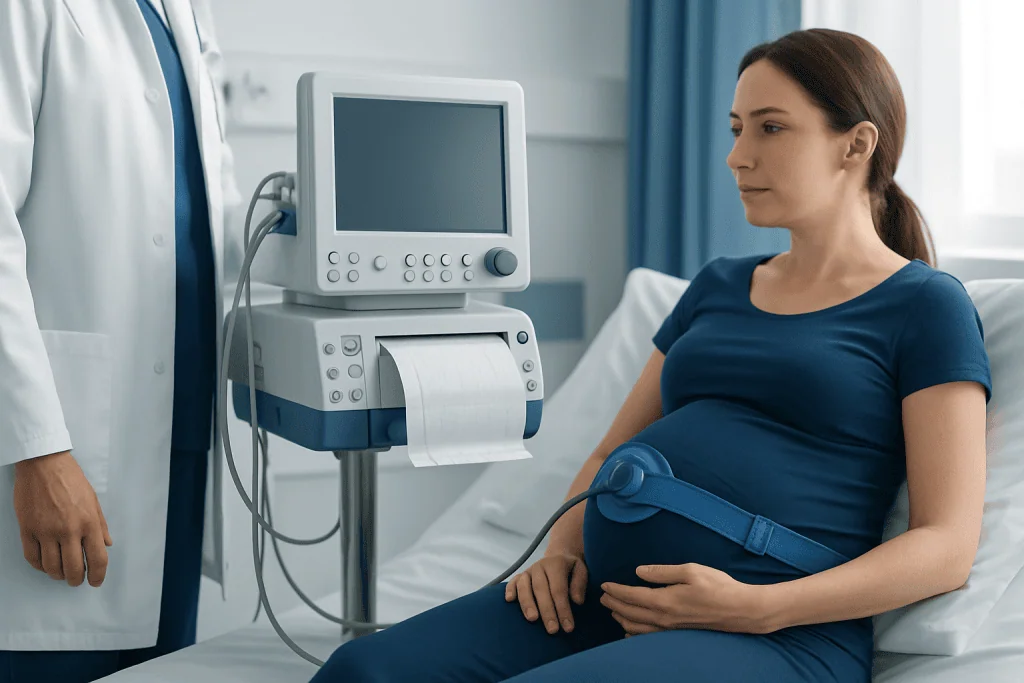
Symptoms at 33 weeks pregnant are often related to the baby’s increasing size and the body’s preparation for labor. Shortness of breath can happen because the growing uterus limits how much the lungs can expand. Pelvic pressure, lower back discomfort, and a feeling of heaviness are also common as the baby settles lower or simply becomes larger and stronger.
Many people notice more Braxton Hicks contractions, which are irregular tightening sensations in the uterus. These practice contractions are usually mild, brief, and not progressive. Heartburn, bloating, constipation, and the need to urinate more often may continue because pregnancy hormones relax smooth muscles and the uterus presses on nearby organs.
Swelling in the feet, ankles, and hands may increase by the end of the day, especially after standing for long periods. Fatigue, vivid dreams, and difficulty finding a comfortable sleep position are also common. Emotional changes can be part of this week too, including excitement, impatience, or worry about labor and parenthood.
- Shortness of breath with exertion
- Pelvic pressure and back pain
- Braxton Hicks contractions
- Heartburn and constipation
- Swollen feet or ankles
- Frequent urination and sleep disruption
Baby Development at 33 Weeks
At 33 weeks pregnant, the baby is still growing quickly and is often compared in size to a pineapple. Exact size and weight vary, but the baby is generally adding body fat and becoming rounder in appearance. This fat helps regulate body temperature after birth and gives the skin a smoother, less wrinkled look.
The lungs are still maturing, and the baby continues to practice breathing movements by inhaling and exhaling amniotic fluid. The brain and nervous system are also developing rapidly. Sleep and wake cycles become more regular, and many parents notice patterns in the baby’s movements, such as active times during the evening or after meals.
Bones continue to harden, although the skull remains relatively flexible to support birth. The baby may already be head-down, but some babies are still changing position at this stage. Strong kicks, rolls, and stretches are common, though movements may feel different as space in the uterus becomes more limited.
Body Changes at 33 Weeks
The body continues to adapt to the demands of late pregnancy. As the uterus expands, posture often changes, placing more strain on the lower back, hips, and abdominal muscles. This may contribute to a waddling gait, muscle fatigue, and discomfort when turning in bed or standing for long periods.
Breast changes also continue. The breasts may feel fuller, more tender, or leak small amounts of colostrum, the early form of milk. Skin stretching can lead to itching on the abdomen or breasts. Some people also notice increased vaginal discharge, which can be normal if it is clear or milky and not associated with irritation, bleeding, or a bad odor.
Circulation and fluid shifts can contribute to swelling, mild dizziness, or a feeling of overheating. However, sudden swelling, especially of the face or hands, should not be ignored because it can be associated with high blood pressure disorders such as preeclampsia. Prenatal teams may also evaluate symptoms that overlap with gestational diabetes or anemia if there are concerns such as unusual thirst, significant fatigue, or growth changes.
Checklist: What to Do This Week
A practical approach can make 33 weeks pregnant feel more manageable. Attending scheduled prenatal appointments is one of the most important steps this week. These visits help assess blood pressure, urine, fundal growth, fetal heart rate, and any signs of preterm labor or late-pregnancy complications.
It is also helpful to pay attention to daily fetal movement patterns. Many clinicians recommend becoming familiar with the baby’s usual rhythm and contacting a healthcare professional if movements seem clearly reduced. Staying hydrated, eating balanced meals with fiber and protein, and resting with the feet elevated can support comfort and circulation.
This week is a good time to continue birth planning and practical preparation. Parents may want to review signs of labor, pack a hospital bag, arrange transport, and think about infant feeding and postpartum support. If symptoms such as pelvic pain or persistent back pain are affecting daily life, a doctor may suggest supportive strategies and, when appropriate, evaluation through services related to pregnancy follow-up or obstetrics and gynecology care.
- Keep prenatal appointments
- Monitor the baby’s usual movement pattern
- Sleep on the side when possible, often the left side for comfort
- Use pillows for back, belly, and leg support
- Prepare questions for the next prenatal visit
- Begin or finish packing for the hospital
When to Seek Medical Care
Many third-trimester symptoms are uncomfortable but normal. Still, some signs should be assessed promptly. A doctor or maternity unit should be contacted if there are regular contractions that become closer together, leaking fluid, vaginal bleeding, or a noticeable decrease in the baby’s movements.
Urgent medical advice is also important for severe headache, vision changes, chest pain, sudden swelling, severe upper abdominal pain, or shortness of breath that is new or worsening at rest. These symptoms can sometimes signal conditions that need timely treatment, including high blood pressure disorders of pregnancy.
Fever, painful urination, or strong pelvic pressure with back pain may also need evaluation because infection or preterm labor can sometimes present this way. If there is any uncertainty about whether a symptom is normal, it is safer to call a qualified healthcare professional for guidance.
Outlook and Ongoing Care
At 33 weeks pregnant, most pregnancies are focused on continued monitoring, symptom relief, and preparation for the final weeks before birth. Each week brings more maturity for the baby, so ongoing prenatal care supports both reassurance and early detection of any concerns. Even when discomforts increase, they do not necessarily mean a problem is developing.
Simple measures such as pacing activities, using supportive footwear, eating smaller meals, and protecting sleep can make this stage more comfortable. People with existing medical conditions or higher-risk pregnancies may need extra checkups or fetal monitoring. In some cases, doctors may use high-risk pregnancy care to support closer observation and treatment planning.
For international patients who need assessment or ongoing maternity care, Acibadem International’s multidisciplinary specialists and JCI-accredited hospitals diagnose and treat pregnancy-related conditions with individualized evaluation. The most helpful next step is to keep communication open with the prenatal team and report any new or concerning changes without delay.
Frequently asked questions
What symptoms are normal at 33 weeks pregnant?
Common symptoms include pelvic pressure, back pain, heartburn, shortness of breath with activity, swelling in the feet or ankles, and trouble sleeping. Braxton Hicks contractions can also happen. These symptoms are often related to the baby’s growth and the physical demands of late pregnancy.
How big is the baby at 33 weeks pregnant?
At 33 weeks, the baby is often compared in size to a pineapple. Exact measurements vary from one pregnancy to another, but the baby is usually gaining weight steadily and becoming rounder as body fat increases.
Is it normal to feel more pressure in the pelvis at 33 weeks?
Yes, pelvic pressure is common at this stage because the baby is larger and may be settling lower in the uterus. It can feel heavy or uncomfortable, especially when walking or standing. However, if pressure comes with regular contractions, bleeding, or leaking fluid, medical advice is important.
How often should the baby move at 33 weeks pregnant?
There is no single number that applies to every pregnancy, but the baby should continue moving regularly. Many parents notice a daily pattern of kicks, rolls, and stretches. If movements seem clearly reduced or different from the baby’s usual pattern, a healthcare professional should be contacted promptly.
Can labor start at 33 weeks pregnant?
Preterm labor can begin at 33 weeks, although many pregnancies continue normally well beyond this point. Warning signs include regular contractions, pelvic pressure, low back pain, leaking fluid, and vaginal bleeding. These symptoms should be assessed without delay.
What should be on the checklist at 33 weeks pregnant?
Helpful tasks include attending prenatal visits, monitoring fetal movement, staying hydrated, resting when needed, and preparing for labor and hospital admission. It is also a good time to discuss birth preferences, feeding plans, and postpartum support with the care team.
References
- World Health Organization
- American College of Obstetricians and Gynecologists
- National Health Service
- Centers for Disease Control and Prevention
- March of Dimes
This article is for general information only and is not a substitute for professional medical advice. Please consult a qualified doctor about your individual situation.
Medical weight-loss options in Turkey — costs & eligibility
JCI-accredited · board-certified surgeons · reply within 24h
Add us as a Preferred Source to see more of our trusted health content across Google Search, AI Overviews and Discover.
Check your numbers in seconds
BMI, calories, due date, blood pressure and 30+ more clinical calculators — free, instant, doctor-reviewed ranges.

More from the Health Library



Related Specialists

Prof. Dr. Tufan Bilgin
Gynecology & Obstetrics
Assoc. Prof. Dr. Özlem Özgür Gürsoy
Gynecology & Obstetrics
Assoc. Prof. Dr. Ceren Yıldız Eren
Gynecology & Obstetrics
Dr. Mehmed Fatih Yumrutaş
Inpatient Clinic Physicians Clinical Service