37 Weeks Pregnant: Symptoms, Baby Development, and What to Expect

At 37 weeks pregnant, the baby is early term and continuing important final development. Common symptoms include pelvic pressure, fatigue, Braxton Hicks contractions, back discomfort, and sleep changes.
Key Takeaways
- At 37 weeks pregnant, the baby is early term and continuing important final development.
- Common symptoms include pelvic pressure, fatigue, Braxton Hicks contractions, back discomfort, and sleep changes.
- Many body changes this week are normal, but reduced fetal movement, heavy bleeding, or leaking fluid need prompt medical advice.
- A practical checklist includes tracking movement, reviewing labor signs, packing a hospital bag, and attending prenatal visits.
- Medical care should be sought urgently for symptoms that may suggest labor complications, high blood pressure, or infection.
At 37 weeks pregnant, the pregnancy is considered early term, which means birth may happen soon even though some final growth and organ maturation are still continuing. This week often brings more pelvic pressure, stronger practice contractions, and a growing focus on labor signs, daily comfort, and when to call a doctor.
Overview: what 37 weeks pregnant usually feels like
At 37 weeks pregnant, the baby is considered early term. This means many pregnancies are nearing labor, but the baby is still benefiting from time in the uterus for continued brain, lung, and body maturation. For many women, this week brings a mix of anticipation, physical heaviness, and uncertainty about which changes are routine and which might signal labor.
Symptoms can become more noticeable because the uterus is large and the baby is taking up more room in the pelvis. Pressure low in the abdomen, more frequent urination, trouble sleeping, and bursts of Braxton Hicks contractions are all common. Some women also notice a change in vaginal discharge or the loss of the mucus plug, though this does not always mean labor will start immediately.
This stage is often less about dramatic new symptoms and more about recognizing patterns. Knowing what to expect can help women prepare for delivery, stay attentive to fetal movement, and contact their maternity team with confidence if anything changes suddenly.
Symptoms this week
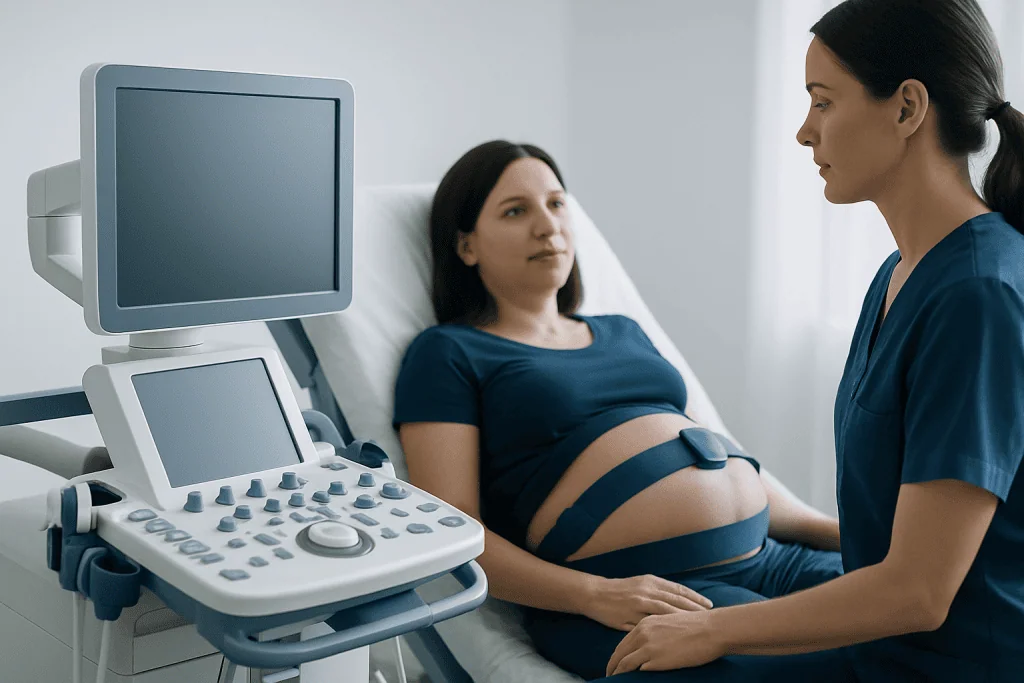
At 37 weeks pregnant, common symptoms are usually related to the baby’s size and position. Increased pelvic pressure is especially common if the baby has moved lower into the pelvis. This may make walking feel slower or less comfortable and can create a dragging or heavy sensation in the lower abdomen.
Braxton Hicks contractions often continue and may feel stronger or more frequent than before. These practice contractions are usually irregular, do not steadily intensify, and often ease with rest, hydration, or a change in position. True labor contractions, in contrast, tend to become more regular, stronger, and closer together over time.
Other symptoms this week can include:
- Lower back pain or aching
- Fatigue and reduced stamina
- Short periods of breathlessness
- More frequent urination
- Heartburn or indigestion
- Swollen feet or ankles
- Difficulty finding a comfortable sleeping position
- Increased vaginal discharge
Some women also notice brief stabbing pains in the pelvis or cervix, sometimes called “lightning crotch.” These can happen when the baby presses on nerves lower in the pelvis. While uncomfortable, they are often harmless if they are brief and not accompanied by bleeding, leaking fluid, or severe pain.
Baby development at 37 weeks
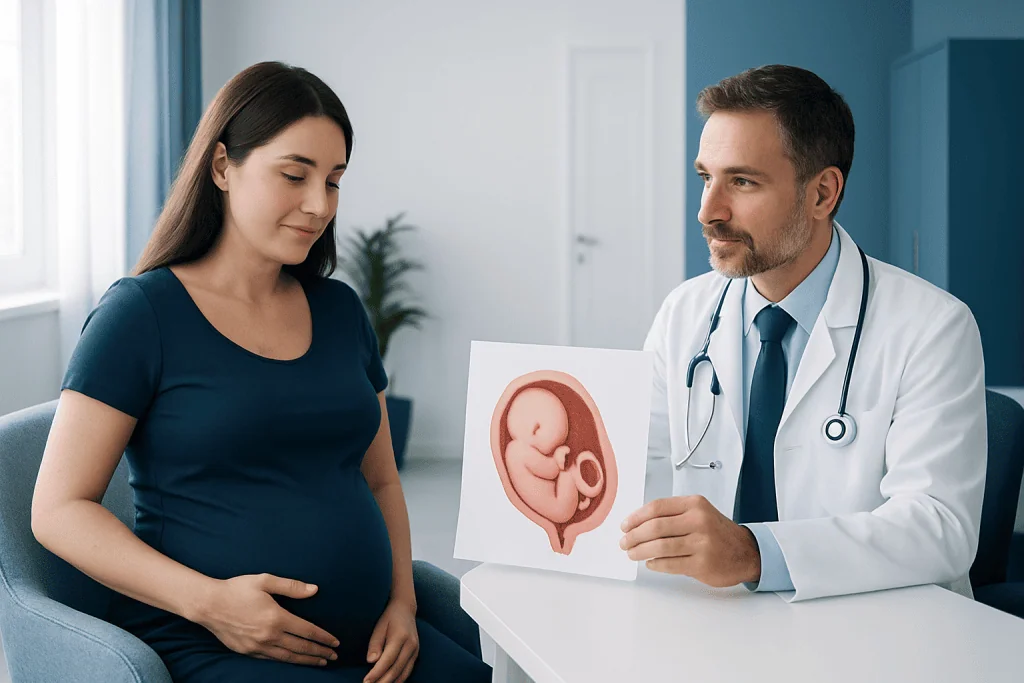
By 37 weeks, the baby is usually about the size of a head of romaine lettuce, though size varies from one pregnancy to another. Average measurements are often close to 48 to 49 centimeters in length and around 2.8 to 3.2 kilograms in weight. Growth remains individual, so ultrasound estimates and fundal height measurements are more useful than comparing one baby to another.
Important development is still happening. The baby’s brain continues to mature rapidly, and the lungs are refining their ability to function after birth. The baby is also building fat stores that help with temperature regulation and energy in the first days of life. Reflexes needed for feeding, grasping, and responding to sound and light are usually well established.
Most babies at this stage are head-down, preparing for birth. If the baby is still breech, the obstetric team may discuss monitoring and next steps. Movement may feel different now because there is less room for big kicks, but daily movement should still be present and reassuring. A noticeable drop in movement should never be ignored and may need prompt assessment.
Body changes and labor signs
The body is continuing to prepare for labor at 37 weeks pregnant. The cervix may begin softening, thinning, or dilating, though this can happen gradually over days or weeks. Some women feel this preparation as menstrual-like cramping, pelvic pressure, or a sense that the baby has dropped lower. Others may not notice any clear changes at all.
Vaginal discharge can increase as the cervix and surrounding tissues change. A thick, jelly-like discharge tinged with pink or brown may be part of the mucus plug. This can happen before labor but does not predict exactly when labor will begin. A small amount of blood-streaked mucus may be normal, but bright red bleeding should be assessed promptly.
It is also important to know the difference between normal late-pregnancy discomfort and signs that need evaluation. Sudden swelling of the face or hands, severe headache, vision changes, or pain high in the abdomen may be warning signs of preeclampsia. Regular contractions, ruptured membranes, or bleeding may suggest labor or another urgent obstetric issue. If there is uncertainty, contacting a maternity clinician is the safest approach.
Checklist: what to do at 37 weeks pregnant
This week is a practical time to shift from preparation to readiness. Prenatal appointments remain important because blood pressure, the baby’s position, fetal heart rate, and overall well-being still need close review. If group B strep screening has not yet been discussed, the maternity team may address it around this stage, depending on local practice.
A simple checklist for 37 weeks pregnant may include:
- Attend all scheduled prenatal visits
- Monitor the baby’s daily movement pattern
- Review labor signs and when to go to the hospital
- Pack or recheck the hospital bag
- Install and inspect the infant car seat
- Keep important phone numbers easy to access
- Prepare basic meals and home essentials
- Rest, hydrate, and pace physical activity
Some women may also want to review pain relief options and birth preferences with their clinician. Discussions may include vaginal birth planning, epidural anesthesia, or what may happen if labor needs support or monitoring. If a baby remains in a breech position or if there are other concerns, the care team may talk about whether cesarean section could become part of the delivery plan.
This is also a reasonable time to plan for the early postpartum period. Arranging support for meals, sleep, transport, or older children can make the first days after birth less stressful and help recovery feel more manageable.
Self-care, comfort, and daily routines
Comfort often depends on small adjustments rather than major changes. Resting on the left side may help ease pressure and support circulation. Supportive shoes, gentle stretching, and brief walks can reduce stiffness, while warm showers or a maternity pillow may help with back and hip discomfort. Hydration is also important, as dehydration can sometimes make contractions feel more frequent.
Meals are often easier when they are smaller and more frequent, especially if heartburn is bothersome. Limiting very spicy or heavy foods late in the day may help. Compression socks or elevating the feet can reduce mild ankle swelling, although sudden or marked swelling should still be discussed with a doctor.
Emotional preparation matters too. It is common to feel excited one day and anxious the next. Simple routines such as breathing exercises, reviewing the birth plan, or talking through labor expectations with a trusted professional can help. Women who have medical pregnancy complications may need more tailored advice, especially if they are being monitored for concerns such as gestational diabetes.
If specialized maternity care is needed, Acibadem International’s multidisciplinary specialists and JCI-accredited hospitals diagnose and treat pregnancy-related conditions for international patients, including monitoring and high-risk pregnancy care when appropriate.
When to seek medical care
Many changes at 37 weeks pregnant are expected, but some symptoms need prompt medical advice. Women should contact their maternity team or seek urgent assessment if they think labor has started, especially if contractions are becoming regular and stronger, or if there is a gush or steady trickle of fluid that may mean the waters have broken.
Medical care should also be sought for heavy vaginal bleeding, severe abdominal pain, fever, fainting, chest pain, trouble breathing, or a clear decrease in the baby’s movements. A severe headache, blurred vision, sudden swelling, or pain in the upper abdomen may need urgent evaluation because these can be signs of pregnancy complications.
If there is uncertainty, it is safer to call and ask. Late pregnancy symptoms can overlap, and clinicians are used to helping patients decide whether monitoring at home is appropriate or whether they should come in for examination. Seeking advice early can support both maternal and fetal well-being.
Frequently asked questions
Is 37 weeks pregnant considered full term?
At 37 weeks, pregnancy is considered early term, not full term. A baby born now often does well, but important maturation is still continuing, especially in the brain and lungs.
What symptoms are normal at 37 weeks pregnant?
Common symptoms include pelvic pressure, fatigue, backache, Braxton Hicks contractions, sleep difficulty, heartburn, and more frequent urination. These are often related to the baby's size and position, but any sudden or severe change should be discussed with a doctor.
How much should the baby move at 37 weeks?
The baby's movement pattern may feel different because space is tighter, but regular daily movement should still be present. If movements are clearly reduced or feel unusual for that pregnancy, medical advice should be sought promptly.
Can labor start at 37 weeks pregnant?
Yes, labor can start at 37 weeks because this is within the term period. However, not every cramp or contraction means active labor, so it helps to watch for a regular pattern, increasing intensity, leaking fluid, or bleeding.
What does the baby look like at 37 weeks?
By this stage, the baby usually looks like a newborn, with rounded features and more body fat than earlier in pregnancy. The baby is still maturing internally, even though most major development is already in place.
What should be on a 37 weeks pregnant checklist?
A useful checklist includes attending prenatal appointments, tracking fetal movement, packing the hospital bag, reviewing labor signs, and making sure the infant car seat is ready. It is also a good time to organize help at home for the first days after birth.
References
- World Health Organization
- American College of Obstetricians and Gynecologists
- National Institute for Health and Care Excellence
- Centers for Disease Control and Prevention
- Royal College of Obstetricians and Gynaecologists
This article is for general information only and is not a substitute for professional medical advice. Please consult a qualified doctor about your individual situation.
Explore treatments in Turkey — costs, top hospitals & a free quote
JCI-accredited · board-certified surgeons · reply within 24h
Add us as a Preferred Source to see more of our trusted health content across Google Search, AI Overviews and Discover.