

5 Weeks Pregnant: Symptoms, Baby Development, and What to Expect

At 5 weeks pregnant, a missed period is often the first clear sign of pregnancy. Symptoms can include fatigue, breast tenderness, nausea, bloating, and mild cramping, but some people have very few symptoms.
Key Takeaways
- At 5 weeks pregnant, a missed period is often the first clear sign of pregnancy.
- Symptoms can include fatigue, breast tenderness, nausea, bloating, and mild cramping, but some people have very few symptoms.
- The embryo is very small—about the size of a sesame seed—and major early structures are starting to form.
- Healthy habits now, including prenatal vitamins with folic acid, are important for early development.
- Heavy bleeding, severe pain, dizziness, or one-sided pelvic pain need prompt medical assessment.
At 5 weeks pregnant, many people are just finding out they are pregnant. Common experiences include a missed period, breast tenderness, tiredness, light cramping, and early nausea, while the embryo is beginning important early development.
Overview: what 5 weeks pregnant usually means
At 5 weeks pregnant, pregnancy is usually counted from the first day of the last menstrual period, not from the day of conception. This means the embryo itself is only in a very early stage of development, but pregnancy hormones are already rising and may begin to cause noticeable symptoms.
For many people, this is the week a home pregnancy test becomes positive because the hormone human chorionic gonadotropin (hCG) has increased enough to detect. Some feel clearly different, while others feel almost no change at all. Both can be normal.
This stage often brings questions rather than visible body changes. It can help to think of week 5 as a planning week: confirming the pregnancy, starting or continuing prenatal vitamins, reviewing medications with a doctor, and watching for symptoms that are expected versus symptoms that need urgent care.
Symptoms this week
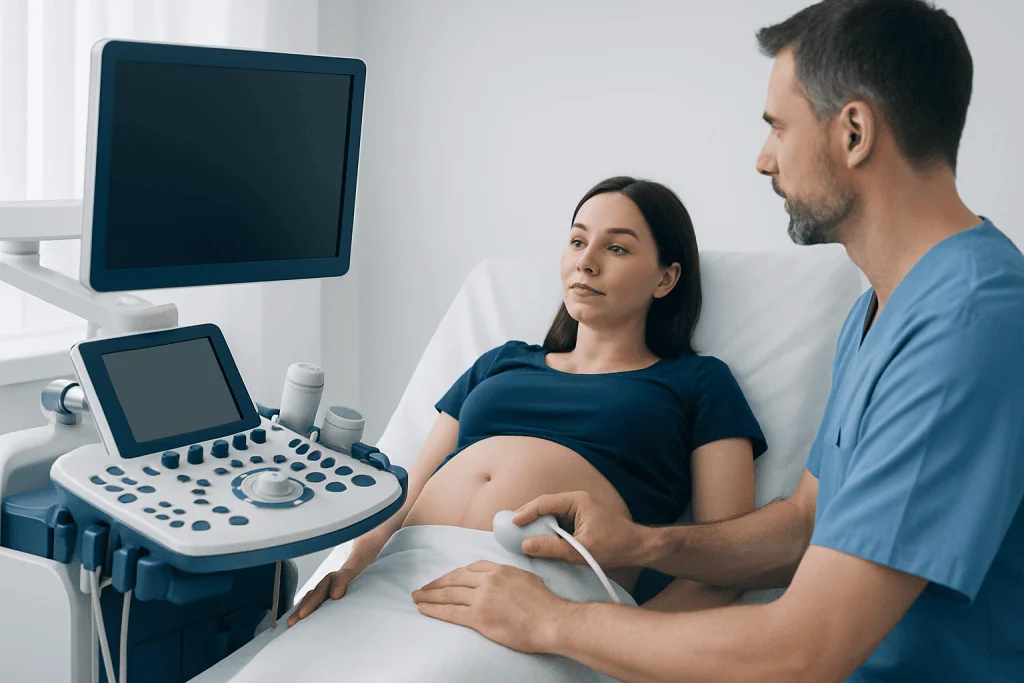
Symptoms at 5 weeks pregnant vary widely. Some people notice a missed period and little else, while others develop several early pregnancy symptoms at once. Hormone changes are the main reason these symptoms begin so early.
Common 5 weeks pregnant symptoms include:
- Missed period
- Breast tenderness or fullness
- Fatigue or needing more rest
- Nausea, with or without vomiting
- Bloating
- More frequent urination
- Mild cramping or a pulling sensation low in the abdomen
- Heightened sense of smell or food aversions
- Light spotting in some cases
Mild cramping can happen as the uterus begins to change, and light spotting may occur around the time of implantation or early cervical changes. However, spotting should be light. Heavy bleeding, strong pain, or symptoms that feel unusual should not be ignored, especially early in pregnancy.
Nausea often starts around this time, though it may begin later. It does not only happen in the morning and can come and go throughout the day. Eating small, simple meals and staying hydrated may help, but persistent vomiting should be discussed with a healthcare professional.
Baby development at 5 weeks

At 5 weeks pregnant, the embryo is very small—about the size of a sesame seed. Even at this tiny size, development is happening quickly. Cells are dividing and organizing into structures that will support growth throughout the pregnancy.
The neural tube, which later develops into the brain and spinal cord, is beginning to form. Early structures related to the heart and circulatory system are also developing. The placenta and umbilical cord are not fully formed yet, but the foundations that will nourish the pregnancy are being established.
Because this is a key period in early development, folic acid is especially important. Prenatal vitamins taken before and during early pregnancy help support the neural tube and overall fetal development. If there are questions about supplements, fertility treatment, or high-risk pregnancy planning, a doctor may advise closer follow-up, sometimes alongside fertility and early pregnancy care.
Body changes and emotions
At 5 weeks pregnant, body changes are often subtle from the outside but very active internally. Rising levels of hCG, progesterone, and estrogen can affect energy, digestion, mood, and the breasts. It is common to feel more tired than usual, emotionally sensitive, or less tolerant of certain smells and foods.
The breasts may feel sore, heavy, or tingly as blood flow and hormonal activity increase. Some people also notice bloating or constipation because progesterone can slow digestion. Frequent urination may start early too, partly because of hormonal effects and changes in blood flow.
Emotional responses at this point can be mixed. Excitement, worry, disbelief, or mood swings are all common, whether the pregnancy was planned or unexpected. If feelings become overwhelming, it can help to speak with a trusted doctor or midwife. Early pregnancy symptoms can also overlap with other conditions, so assessment may be useful if pain or bleeding raises concern for problems such as ectopic pregnancy or miscarriage.
Checklist: what to do this week
A practical checklist can make early pregnancy feel more manageable. The main goals this week are to confirm the pregnancy, protect early development, and begin planning routine prenatal care.
- Take a home pregnancy test if a period is late.
- Schedule a visit with a healthcare professional to discuss timing of prenatal care.
- Start or continue a prenatal vitamin with folic acid.
- Review all prescription medicines, over-the-counter medicines, and supplements with a doctor.
- Avoid alcohol, smoking, and recreational drugs.
- Limit exposure to harmful chemicals and avoid overheating, such as in hot tubs or saunas.
- Choose regular meals, fluids, and simple foods if nausea has started.
It is also a good time to check vaccine status, ask about safe exercise, and discuss any long-term medical conditions such as diabetes, thyroid disease, epilepsy, or high blood pressure. These conditions do not automatically cause problems, but they may need closer supervision during pregnancy.
If pregnancy was confirmed after fertility treatment or if symptoms raise questions, doctors may recommend blood tests or ultrasound at the right time. In some cases, evaluation in obstetrics and gynecology care helps guide next steps and timing of scans.
How pregnancy is confirmed and checked
Pregnancy at 5 weeks is usually first confirmed with a urine or blood test. A blood test can measure hCG more precisely, which can be helpful if timing is uncertain, symptoms are unusual, or there is concern about how the pregnancy is progressing.
An ultrasound may or may not show much at exactly 5 weeks. Sometimes a very early gestational sac can be seen in the uterus, but not always. If dates are uncertain or the first scan is too early to answer important questions, a repeat ultrasound after several days or a week may provide clearer information.
Doctors also look at symptoms, medical history, and risk factors. Pelvic pain, bleeding, previous ectopic pregnancy, prior miscarriage, fertility treatment, or known gynecologic conditions may affect how closely early pregnancy is monitored. If pelvic symptoms are significant, evaluation may include imaging and specialist review, sometimes with support from ultrasound assessment to confirm the location of the pregnancy.
When to seek medical care
Most symptoms at 5 weeks pregnant are uncomfortable rather than dangerous, but some require prompt medical advice. Early evaluation is important because problems such as ectopic pregnancy, significant bleeding, or dehydration can become serious if care is delayed.
Medical care should be sought urgently for:
- Heavy vaginal bleeding or passing large clots
- Severe or worsening abdominal or pelvic pain
- One-sided pelvic pain
- Shoulder pain, fainting, or dizziness
- Persistent vomiting with signs of dehydration
- Fever or feeling acutely unwell
Even if symptoms seem mild, it is reasonable to contact a healthcare professional when something feels different from normal or causes concern. A doctor can help decide whether reassurance, testing, or urgent assessment is needed.
For international patients who need evaluation or ongoing pregnancy care, Acibadem International’s multidisciplinary specialists and JCI-accredited hospitals provide diagnosis and treatment support in early pregnancy and women’s health.
Frequently asked questions
Is cramping normal at 5 weeks pregnant?
Mild cramping can be normal at 5 weeks pregnant and may feel similar to light menstrual cramps. It can happen as the uterus begins to change. Severe pain, one-sided pain, or cramping with heavy bleeding should be assessed promptly.
Can someone have no symptoms at 5 weeks pregnant?
Yes. Some people have clear early symptoms, while others feel almost no difference at 5 weeks pregnant. The presence or absence of symptoms alone does not reliably show how a pregnancy is progressing.
How big is the baby at 5 weeks pregnant?
At 5 weeks pregnant, the embryo is about the size of a sesame seed. Although it is very small, important early structures are starting to form, including those that will develop into the brain, spinal cord, and heart.
Is spotting normal at 5 weeks pregnant?
Light spotting can happen in early pregnancy and is not always a sign of a problem. However, bleeding should be discussed with a doctor, especially if it becomes heavy, bright red, or happens with pain or dizziness.
When does morning sickness start?
Nausea can begin around 5 weeks pregnant, though it may start earlier or later. It does not only happen in the morning and can vary from mild queasiness to frequent vomiting. If fluids cannot be kept down, medical advice is important.
What should be avoided at 5 weeks pregnant?
Alcohol, smoking, recreational drugs, and medicines not approved by a doctor should be avoided. It is also wise to avoid overheating and unnecessary exposure to harmful chemicals. A healthcare professional can review what is safe to continue.
References
- American College of Obstetricians and Gynecologists
- National Health Service
- Mayo Clinic
- World Health Organization
This article is for general information only and is not a substitute for professional medical advice. Please consult a qualified doctor about your individual situation.
Persistent digestive symptoms? Get evaluated in Turkey
JCI-accredited · board-certified surgeons · reply within 24h
Add us as a Preferred Source to see more of our trusted health content across Google Search, AI Overviews and Discover.

More from the Health Library



Related Specialists

Dr. Tayfun Agbulut
Cardiology
Prof. Dr. Muhsin Akbaba
Dermatology
Dr. Cem Tangay
Orthopedic Surgery & Traumatology
Dr. Nargiz Ibrahimli
Aesthetic Plastic & Reconstructive Surgery