6 Weeks Pregnant: Symptoms, Baby Development, and What to Expect

At 6 weeks pregnant, rising pregnancy hormones commonly cause nausea, fatigue, bloating, and breast changes. The embryo is about the size of a lentil and early organs, including the heart and neural tube, are developing.
Key Takeaways
- At 6 weeks pregnant, rising pregnancy hormones commonly cause nausea, fatigue, bloating, and breast changes.
- The embryo is about the size of a lentil and early organs, including the heart and neural tube, are developing.
- Light cramping can occur, but severe pain, heavy bleeding, or fainting need urgent medical assessment.
- A first prenatal appointment is often scheduled around this time to confirm the pregnancy and review health history.
- Healthy habits now include prenatal vitamins with folic acid, avoiding alcohol and smoking, and checking medicines with a doctor.
At 6 weeks pregnant, many people begin noticing early pregnancy symptoms such as nausea, tiredness, and breast tenderness, while the embryo is developing quickly. This week is often a time of major internal change, even if the abdomen still looks the same from the outside.
Overview: what 6 weeks pregnant usually feels like
At 6 weeks pregnant, the body is adjusting to rapidly changing hormone levels, and early pregnancy symptoms often become more noticeable. Some people feel clearly pregnant by now, while others have very few symptoms. Both experiences can be normal.
This stage is counted from the first day of the last menstrual period, so the embryo has actually been developing for about four weeks. Even though the pregnancy is still very early, important structures are already forming, and daily habits such as nutrition, rest, and medicine safety matter.
It is also common to have questions about what is expected this week. Mild nausea, tiredness, and breast soreness are common, while severe pain, heavy bleeding, or dizziness are not typical and should be checked by a clinician. If there are concerns about pain or bleeding in early pregnancy, doctors may evaluate for conditions such as ectopic pregnancy or early pregnancy loss.
Symptoms this week
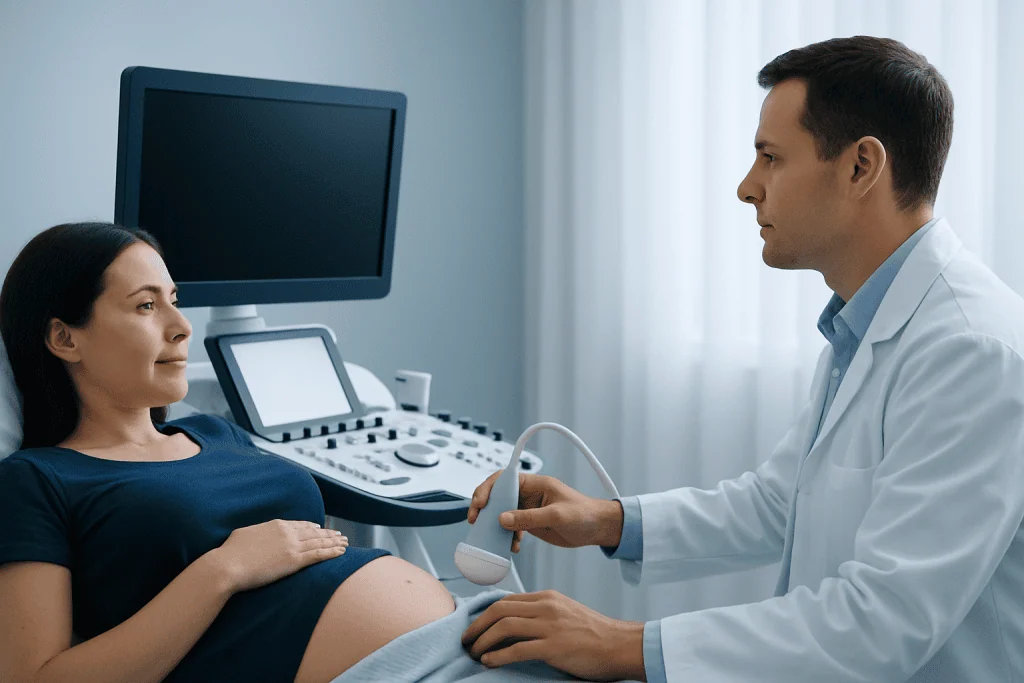
Symptoms at 6 weeks pregnant vary from person to person. Some notice only a missed period and mild breast tenderness, while others develop stronger symptoms because of rising levels of hormones such as hCG and progesterone. Symptoms can also change from day to day.
Common 6 weeks pregnant symptoms include:
- Nausea, with or without vomiting
- Fatigue or unusual sleepiness
- Breast tenderness, fullness, or tingling
- Frequent urination
- Bloating or constipation
- Heightened sense of smell or food aversions
- Mild cramping or a pulling sensation in the lower abdomen
- Light spotting in some cases
- Mood changes
Nausea often begins around this time and may happen at any time of day, not only in the morning. Eating small meals, staying hydrated, and avoiding strong smells may help. Fatigue can be pronounced because the body is using energy to support the developing pregnancy.
Light cramping can happen as the uterus begins to change, but cramping should not be severe. Spotting may occur in some pregnancies, yet bleeding that resembles a period or is accompanied by pain should be assessed promptly.
Baby development at 6 weeks

At 6 weeks pregnant, the embryo is very small, about the size of a lentil. Although tiny, development is happening quickly. The neural tube, which later forms the brain and spinal cord, is closing, and early facial features are beginning to take shape.
The heart is forming and may begin beating around this stage, though whether it is visible on ultrasound can depend on the exact dating of the pregnancy and the type of scan used. Small buds that will become the arms and legs are starting to appear, and the foundations of major organs are developing.
The placenta and amniotic sac are also continuing to form and support the pregnancy. Because these early weeks are such an important time for organ development, prenatal vitamins containing folic acid are recommended unless a doctor advises otherwise.
Body changes and emotional changes
Even if the abdomen has not changed much, the body is working hard. Hormones can slow digestion, leading to bloating, constipation, and a feeling of fullness. Blood volume and circulation are also beginning to shift, which may contribute to tiredness or occasional lightheadedness.
The breasts may feel heavier, more sensitive, or fuller as breast tissue responds to hormonal changes. The areolae may begin to darken. Vaginal discharge can also increase slightly; a thin, milky discharge is often normal, but discharge with a strong odor, irritation, or itching should be checked.
Emotions can feel less predictable in early pregnancy. Excitement, worry, relief, and mood swings can all happen, sometimes within the same day. Emotional changes are common, but persistent low mood, severe anxiety, or distress that interferes with daily life deserves medical support.
If early pregnancy symptoms are very intense, especially persistent vomiting that makes it hard to keep down fluids, a doctor may evaluate for severe nausea and dehydration. In some cases, supportive care may include IV therapy or anti-nausea treatment recommended by an obstetric clinician.
Checklist: what to do at 6 weeks pregnant
This week is a good time to focus on practical next steps. A first prenatal appointment is often arranged around now or within the next few weeks. During that visit, a clinician may review medical history, estimate the due date, discuss medications and supplements, and plan routine blood tests or an ultrasound when appropriate.
A helpful 6 weeks pregnancy checklist includes:
- Start or continue a prenatal vitamin with folic acid
- Schedule a prenatal visit
- Avoid alcohol, smoking, and recreational drugs
- Check all prescription and over-the-counter medicines with a doctor
- Choose regular, balanced meals and drink enough fluids
- Limit foods that carry a higher infection risk if advised by the care team
- Rest as needed and aim for gentle physical activity if approved
- Seek guidance for chronic conditions such as diabetes, thyroid disease, or high blood pressure
If there are symptoms such as pain, bleeding, or uncertainty about the pregnancy location or timing, a clinician may arrange pregnancy ultrasound to assess the uterus and early development. Blood testing may also be used alongside imaging to clarify what is happening.
People with fertility treatment, prior miscarriage, prior ectopic pregnancy, or ongoing medical conditions may need closer follow-up. Keeping a list of questions for the first visit can make appointments more productive and reassuring.
Healthy habits and self-care in early pregnancy
Simple daily habits can support well-being at 6 weeks pregnant. Small, frequent meals may ease nausea better than large meals. Bland foods such as toast, rice, or crackers can be easier to tolerate, and sipping water throughout the day may help prevent dehydration.
Rest is important because early pregnancy fatigue can be significant. Gentle exercise such as walking is often safe for many people, but activity plans should match the individual’s health status and a clinician’s advice. Sleep, hydration, and regular meals can also help with headaches and low energy.
Medicine safety matters from the earliest weeks. Not every over-the-counter remedy is appropriate during pregnancy, including some pain relievers, herbal products, and cold medicines. Any medicine changes should be discussed with a qualified healthcare professional.
If there is a history of reproductive health problems, some people may already be under specialist care for issues related to IVF treatment or early pregnancy monitoring. Near the end of the care pathway, Acibadem International’s multidisciplinary specialists in JCI-accredited hospitals diagnose and treat pregnancy-related concerns for international patients when further evaluation is needed.
When to seek medical care
Many symptoms at 6 weeks pregnant are uncomfortable but not dangerous. Still, some warning signs should not be ignored. Prompt medical advice is important if there is heavy bleeding, severe or one-sided pelvic pain, shoulder pain, fainting, fever, or ongoing vomiting that prevents drinking fluids.
Medical care is also recommended for painful urination, strong-smelling discharge, or symptoms of dehydration such as very dark urine and dizziness. If a person has a positive pregnancy test but no pregnancy is yet seen in the uterus, clinicians may investigate for miscarriage or another cause of bleeding or pain.
Even when symptoms seem mild, it is reasonable to call a doctor or midwife for reassurance if something feels unusual. Early evaluation can help confirm that the pregnancy is progressing as expected and identify problems that need treatment.
Frequently asked questions
Is cramping normal at 6 weeks pregnant?
Mild cramping or a stretching sensation can be normal at 6 weeks pregnant as the uterus begins to change. However, severe pain, one-sided pain, or cramping with heavy bleeding should be assessed by a doctor promptly.
Can there be no symptoms at 6 weeks pregnant?
Yes. Some people have many symptoms at 6 weeks pregnant, while others have very few. Symptom intensity does not reliably show how healthy a pregnancy is, so concerns are best discussed with a clinician.
How big is the baby at 6 weeks pregnant?
At this stage, the embryo is about the size of a lentil. Although very small, important early development is taking place, including the beginnings of the heart, brain, spinal cord, and limb buds.
Is it too early for an ultrasound at 6 weeks?
Not always. An ultrasound may be useful at 6 weeks in some situations, especially for dating the pregnancy, checking its location, or evaluating pain or bleeding. What can be seen depends on the exact timing of ovulation and the type of scan used.
What should be avoided at 6 weeks pregnant?
Alcohol, smoking, recreational drugs, and medicines not approved by a doctor should be avoided. It is also wise to review supplements, herbal products, and certain foods with a prenatal care professional.
When does morning sickness start?
Morning sickness often starts around 6 weeks pregnant, though it may begin earlier or later. It can happen at any time of day and may range from mild nausea to more disruptive vomiting.
References
- American College of Obstetricians and Gynecologists
- National Health Service
- Mayo Clinic
- World Health Organization
This article is for general information only and is not a substitute for professional medical advice. Please consult a qualified doctor about your individual situation.
Persistent digestive symptoms? Get evaluated in Turkey
JCI-accredited · board-certified surgeons · reply within 24h
Add us as a Preferred Source to see more of our trusted health content across Google Search, AI Overviews and Discover.