7 Weeks Pregnant: Symptoms, Baby Development, and What to Expect

At 7 weeks pregnant, nausea, fatigue, frequent urination, and breast tenderness are common. The embryo is about the size of a blueberry and is developing early brain, heart, and limb structures.
Key Takeaways
- At 7 weeks pregnant, nausea, fatigue, frequent urination, and breast tenderness are common.
- The embryo is about the size of a blueberry and is developing early brain, heart, and limb structures.
- Hormonal changes can cause bloating, mood shifts, food aversions, and a heightened sense of smell.
- Early prenatal care, a balanced diet, hydration, and prenatal vitamins are important this week.
- Vaginal bleeding, severe abdominal pain, fainting, or signs of dehydration should be assessed by a doctor promptly.
At 7 weeks pregnant, many people begin to notice clearer pregnancy symptoms such as nausea, tiredness, and breast changes, while the embryo is developing rapidly. This week is often a time of both excitement and uncertainty, and knowing what is typical can make early pregnancy easier to navigate.
Overview: what 7 weeks pregnant usually feels like
At 7 weeks pregnant, the body is adjusting to rising pregnancy hormones, and the embryo is growing quickly. For many people, this is the stage when pregnancy starts to feel more real because symptoms such as nausea, tiredness, and breast tenderness become more noticeable. Some may have many symptoms, while others have only a few; both can be normal.
Pregnancy dating counts from the first day of the last menstrual period, so at 7 weeks, the embryo itself has been developing for about 5 weeks. During this time, early organs and body systems are beginning to form. Although the embryo is still very small, the changes happening this week are important.
This stage of pregnancy can also bring questions about what is expected and what needs medical attention. Learning the pattern of symptoms this week, how the baby is developing, and what practical steps to take can help support a healthier and more confident start to pregnancy.
Symptoms this week
Common 7 weeks pregnant symptoms are mostly linked to hormonal changes, especially rising human chorionic gonadotropin, estrogen, and progesterone. Nausea, sometimes called morning sickness, may happen at any time of day. It can range from mild food aversions to more disruptive vomiting. Fatigue is also very common because the body is working hard to support the pregnancy.
Breast tenderness or fullness may continue this week, and the nipples or areolas may appear darker. Bloating, constipation, and frequent urination can also appear early in pregnancy. Some people notice a stronger sense of smell, increased saliva, mild cramping, or mood changes. Light vaginal spotting can sometimes occur, but bleeding that is more than spotting should be discussed with a doctor.
Symptoms vary widely from person to person and even from one pregnancy to another. Having strong symptoms does not always mean the pregnancy is healthier, and having mild symptoms does not automatically mean something is wrong. What matters most is the overall pattern and whether there are concerning warning signs such as severe pain, heavy bleeding, or persistent vomiting.
- Nausea or vomiting
- Fatigue
- Breast tenderness
- Frequent urination
- Bloating or constipation
- Food cravings or aversions
- Mood shifts
- Heightened sense of smell
Baby development at 7 weeks

At 7 weeks pregnant, the embryo is about the size of a blueberry. Although very small, it is changing quickly from day to day. Early brain tissue is developing rapidly, and the face is beginning to take shape. Tiny areas that will become the eyes, ears, and nostrils continue to form.
The heart has started beating earlier in pregnancy and is continuing to develop this week. Small limb buds are present and will gradually form arms and legs. The digestive system, spinal cord, and other major organs are also in early stages of development. This is one reason why nutrition, prenatal vitamins, and avoiding harmful substances are especially important in the first trimester.
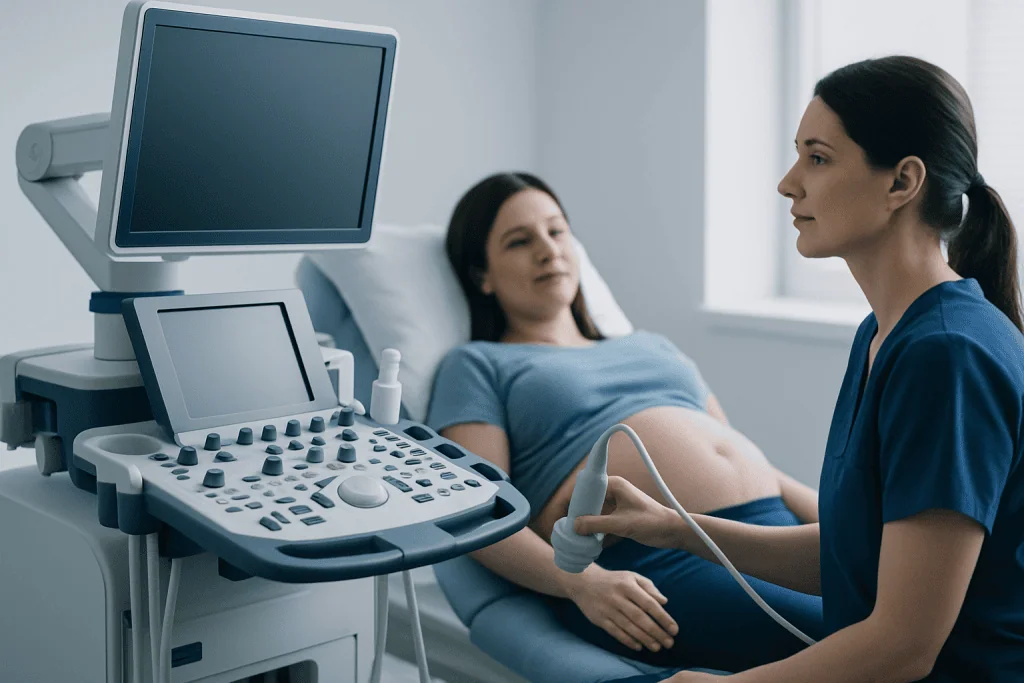
The placenta and umbilical cord are also developing to support oxygen and nutrient delivery. An early ultrasound, if performed, may sometimes show the pregnancy sac, yolk sac, embryo, and cardiac activity, depending on the exact dating. If dates are uncertain, findings may differ slightly from expectations, and a follow-up scan can help clarify progress.
Body changes and emotional changes
Even if there is little visible change on the outside, many internal changes are happening at 7 weeks pregnant. The uterus is beginning to grow, and rising progesterone can slow digestion, leading to bloating or constipation. Blood volume and circulation also begin adapting early in pregnancy, which may contribute to tiredness, dizziness, or feeling warmer than usual.
Hormonal shifts can affect emotions as well as the body. Some people feel excited and energetic, while others feel anxious, tearful, or unusually irritable. These changes can be part of normal early pregnancy, especially when combined with nausea and fatigue. Rest, regular meals, hydration, and emotional support can help.
Mild pelvic discomfort or light cramping may happen as the uterus changes, but severe or one-sided pain is not typical and should be assessed promptly. For anyone with sharp pain or bleeding, evaluation is important because symptoms can overlap with conditions such as ectopic pregnancy or early pregnancy loss. Awareness of symptoms is helpful, but most mild body changes at this stage are part of normal adaptation.
Checklist: what to do at 7 weeks pregnant
A practical checklist can make this week easier to manage. If prenatal care has not started yet, this is a good time to book the first appointment. A doctor or midwife can review medical history, estimated due date, medications, supplements, and any symptoms that need attention. If imaging is advised, an early pregnancy ultrasound may help confirm the location and dating of the pregnancy.
Prenatal vitamins are important, especially folic acid, because they help support early neural development. Eating small, frequent meals may help nausea and keep energy more stable. Plain foods, ginger, and enough fluids can also be useful. Avoiding alcohol, smoking, and recreational drugs is recommended, and any prescription or over-the-counter medicine should be reviewed with a qualified clinician before use.
It can also help to focus on simple health habits rather than trying to do everything perfectly. Gentle activity, if approved by a doctor, may support energy, mood, and digestion. Basic steps for this week include:
- Schedule or attend the first prenatal visit
- Take a daily prenatal vitamin
- Drink enough water and eat regular meals
- Limit foods that worsen nausea
- Review medications with a doctor
- Avoid smoking, alcohol, and non-prescribed drugs
- Rest when tired and seek support for emotional stress
How early pregnancy is assessed
Assessment at 7 weeks pregnant usually starts with a clinical review of symptoms, menstrual dating, medical history, and any previous pregnancies. Doctors may ask about bleeding, pain, severe vomiting, or chronic conditions such as thyroid disease, diabetes, or high blood pressure. This early information helps guide safe prenatal care.
Tests in early pregnancy may include blood work, urine testing, and ultrasound, depending on symptoms and timing. Blood tests can check overall health, blood group, infection screening, and pregnancy hormone patterns when needed. A urine test can help confirm pregnancy and screen for some early concerns. If nausea and vomiting are severe, assessment may also look for dehydration or significant weight loss.
Ultrasound is often the main imaging tool in early pregnancy. It can help confirm that the pregnancy is inside the uterus and assess development appropriate for gestational age. In some cases, doctors may need to rule out concerns such as miscarriage or investigate pelvic pain. When specialist assessment is needed, services related to obstetrics and gynecology care may be involved as part of routine prenatal management.
When to seek medical care
Many symptoms at 7 weeks pregnant are uncomfortable but not dangerous. However, some signs should prompt medical advice without delay. Heavy vaginal bleeding, severe abdominal or pelvic pain, shoulder pain, fainting, fever, or persistent vomiting with inability to keep fluids down need prompt assessment. These symptoms do not always mean a serious problem, but they should not be ignored.
Calling a doctor is also sensible for worsening symptoms, signs of dehydration, burning with urination, or concerns about medication exposure. Anyone who has a history of ectopic pregnancy, recurrent pregnancy loss, fertility treatment, or significant medical conditions may be monitored more closely in early pregnancy. Early evaluation can provide reassurance as well as timely care when needed.
For international patients who need assessment or follow-up, Acibadem International’s multidisciplinary specialists in JCI-accredited hospitals diagnose and manage early pregnancy concerns, including routine prenatal evaluations and urgent gynecologic assessment. In some cases, supportive services such as fertility and reproductive medicine care may also be relevant depending on pregnancy history.
Frequently asked questions
Is it normal to have strong nausea at 7 weeks pregnant?
Yes, nausea often becomes more noticeable around this time because pregnancy hormones are rising. It may happen in the morning, later in the day, or throughout the day. If vomiting is frequent or fluids cannot be kept down, medical advice is important.
How big is the baby at 7 weeks pregnant?
At 7 weeks pregnant, the embryo is commonly described as being about the size of a blueberry. Even at this small size, important structures such as the early brain, heart, and limb buds are developing quickly.
Can there be no symptoms at 7 weeks pregnant?
Yes, some people have very mild symptoms or almost none at all in early pregnancy. Symptom intensity varies widely and does not by itself measure how healthy a pregnancy is. A doctor can advise if there are concerns about changes such as bleeding or pain.
Is cramping normal at 7 weeks pregnant?
Mild cramping can happen as the uterus changes and is often not serious. However, severe cramping, one-sided pain, or pain with bleeding is not considered typical and should be assessed promptly.
What should be avoided at 7 weeks pregnant?
It is generally recommended to avoid alcohol, smoking, recreational drugs, and medicines that have not been reviewed by a qualified clinician. Raw or high-risk foods, excessive caffeine, and activities with a risk of abdominal trauma may also need to be limited based on medical advice.
When is the first prenatal appointment usually scheduled?
Many people have their first routine prenatal visit in the early first trimester, often around 8 to 10 weeks, although timing can vary. Earlier review may be recommended for pain, bleeding, fertility treatment, prior pregnancy complications, or chronic health conditions.
References
- World Health Organization
- American College of Obstetricians and Gynecologists
- NHS
- Centers for Disease Control and Prevention
- March of Dimes
This article is for general information only and is not a substitute for professional medical advice. Please consult a qualified doctor about your individual situation.
Persistent digestive symptoms? Get evaluated in Turkey
JCI-accredited · board-certified surgeons · reply within 24h
Add us as a Preferred Source to see more of our trusted health content across Google Search, AI Overviews and Discover.